
Making Space for Amphibians at Honor Oak Park
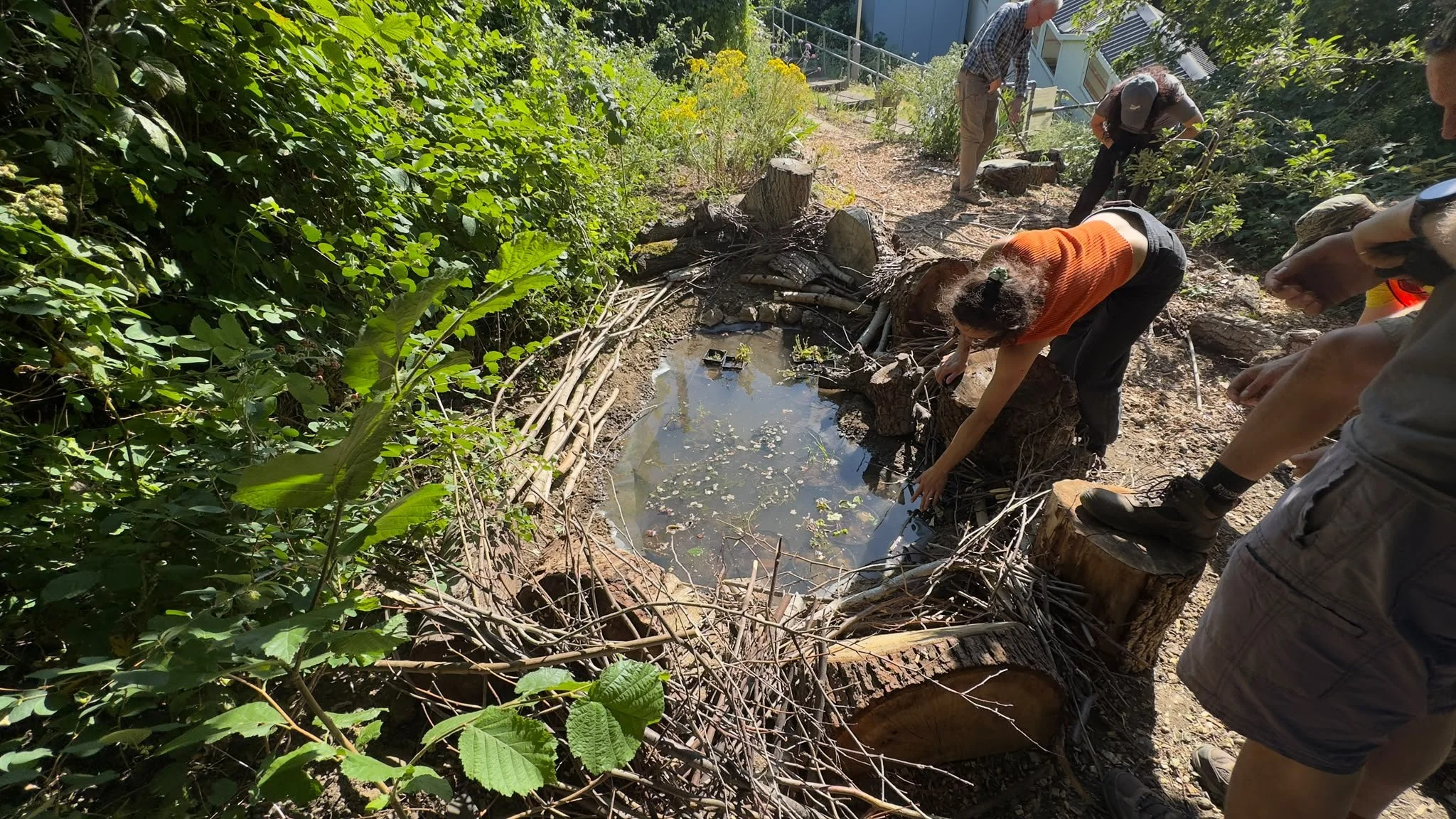
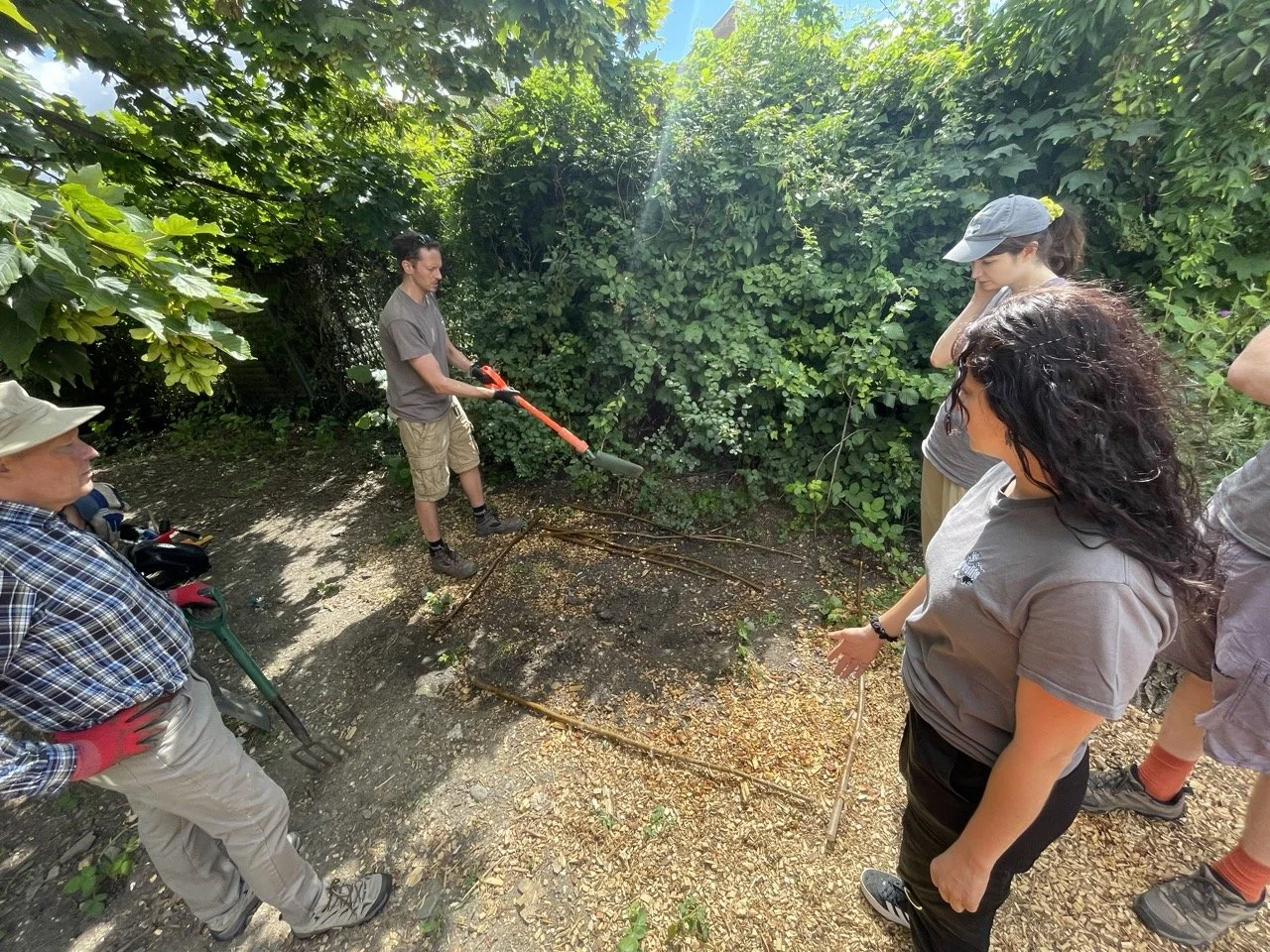
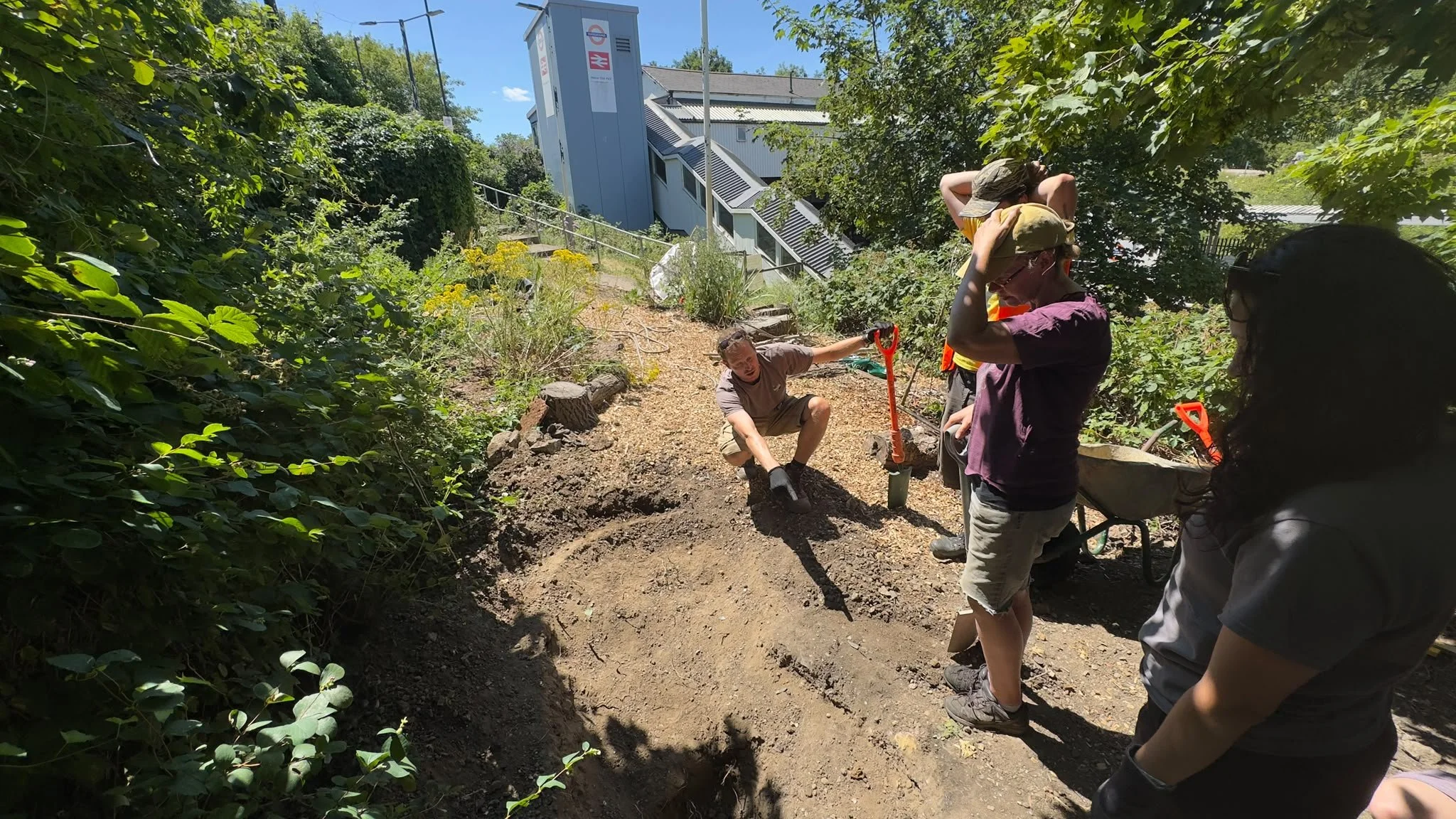
Earlier this summer, volunteers at Honor Oak Park Energy Garden joined our friends at Froglife to create a new wildlife pond in the station garden. The session formed part of Froglife’s London Blue Chain project, which is creating a network of ponds and connected habitats to support amphibians and other wildlife across the city.
For Energy Garden, this is part of creating greener, more biodiverse and resilient urban places. Alongside planting and community stewardship, features such as ponds, deadwood and other habitats can help urban green spaces support a greater variety of wildlife and become more valuable ecologically over time.
Here’s Diana Hernandez from Froglife on the day, and why the new pond matters:
I was excited to work with South East London Energy Gardens because of the urban spaces they care for. Their site at Honor Oak Park is a fantastic addition to the London Blue Chain project, showing that even a small green space next to a busy train station can play an important role in wildlife conservation.
This new pond will not only benefit the local community, but it also sits in an important location for wildlife, acting as a stepping stone for amphibians moving through the city.
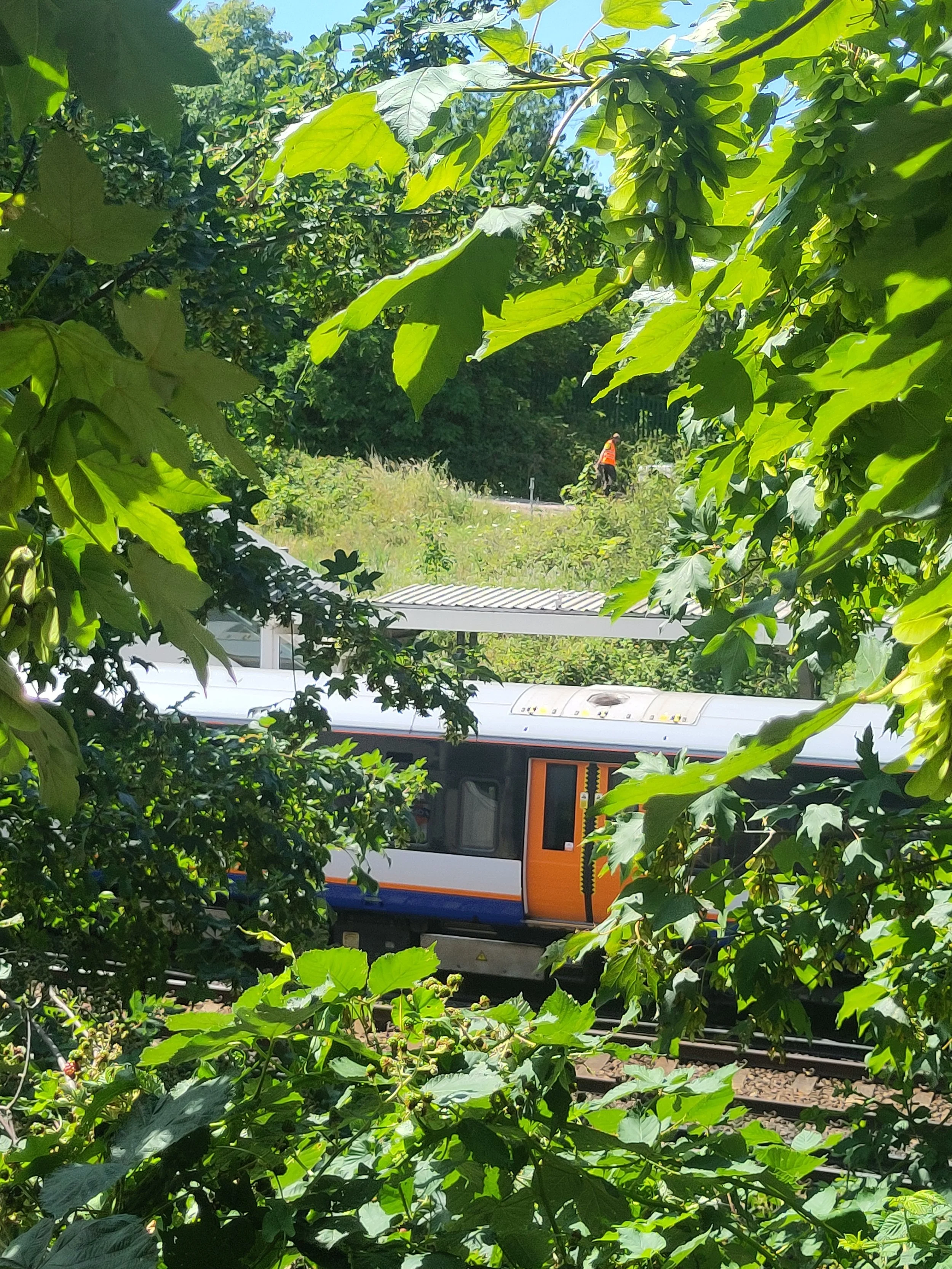
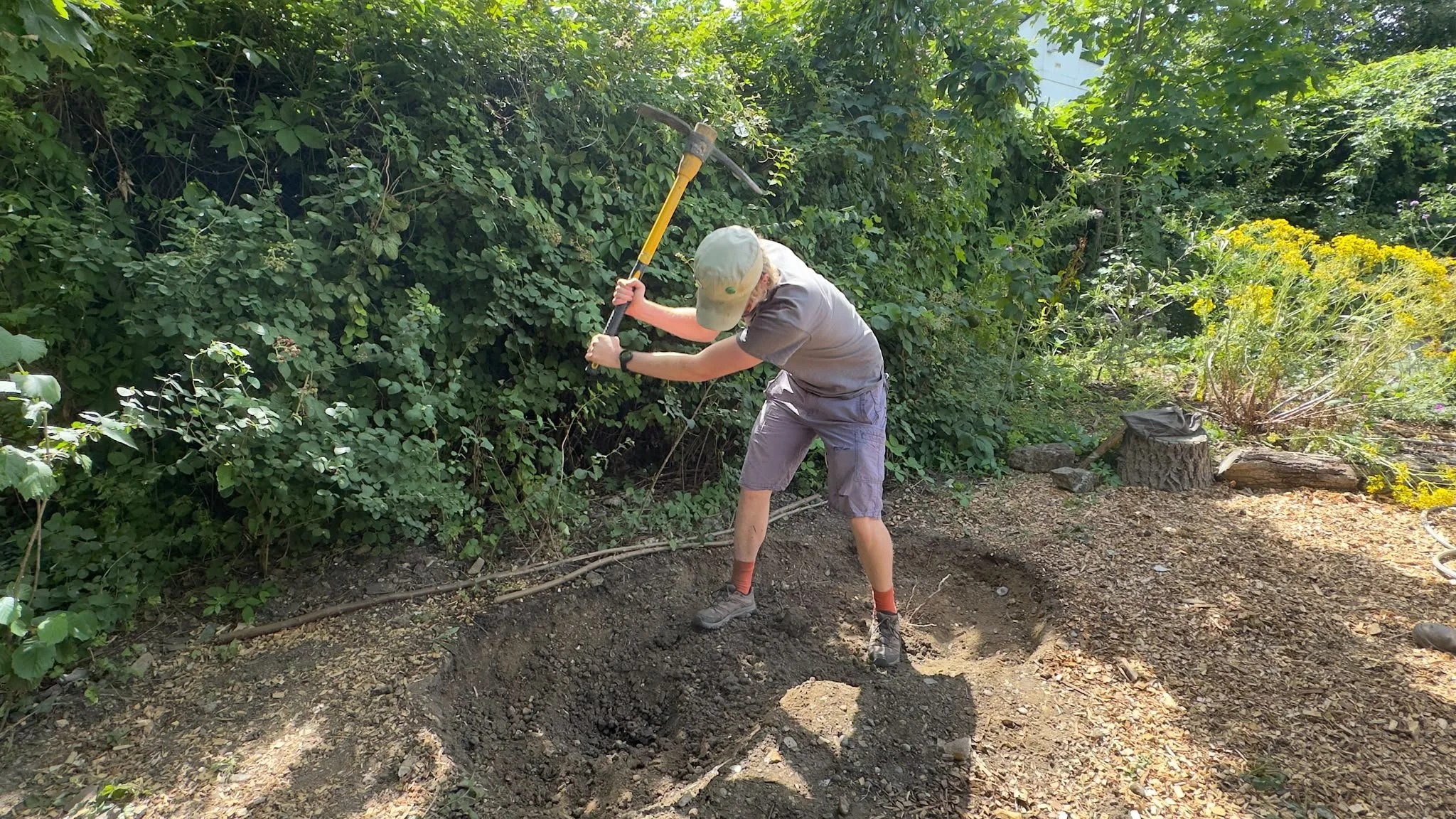
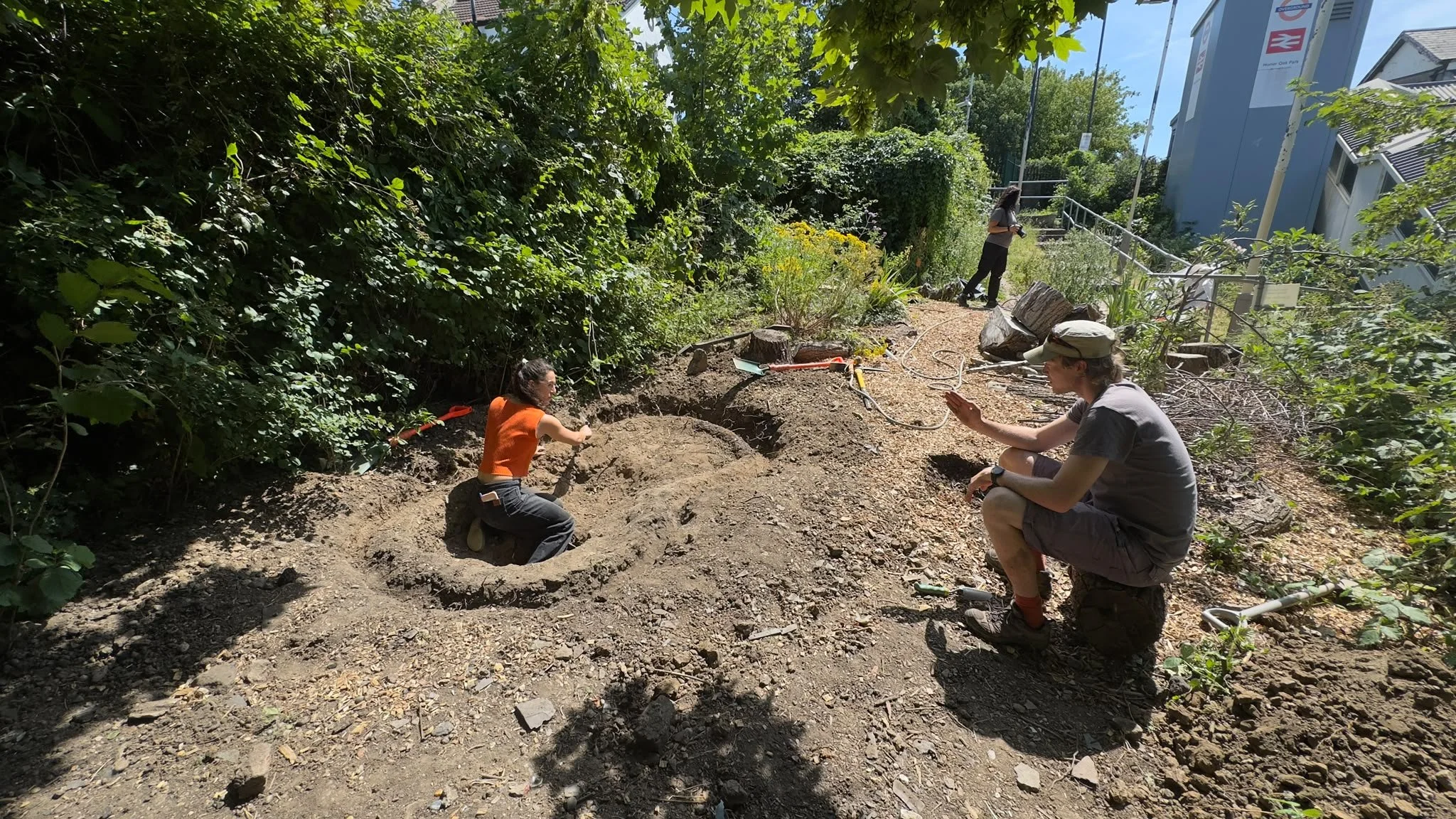
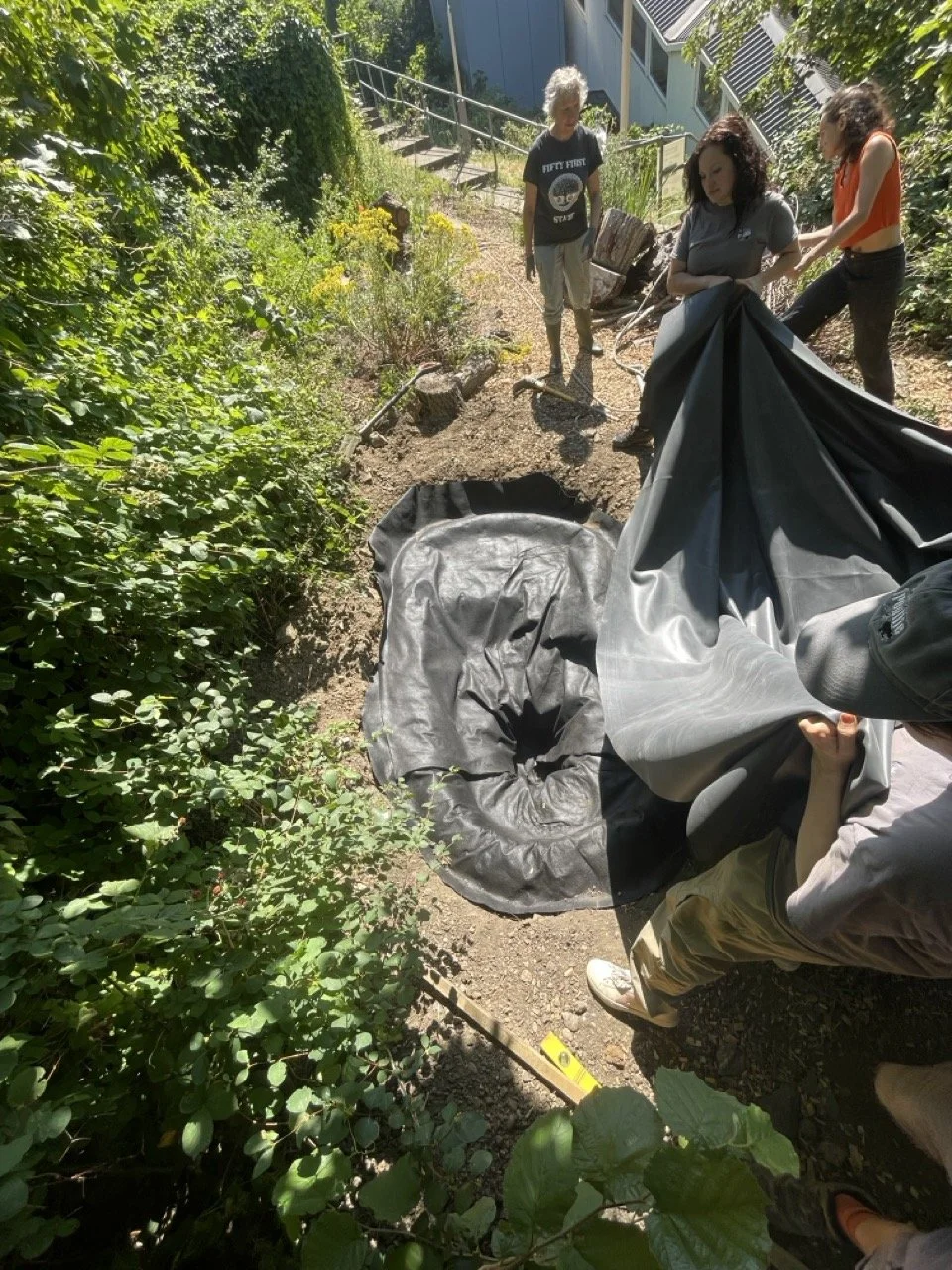
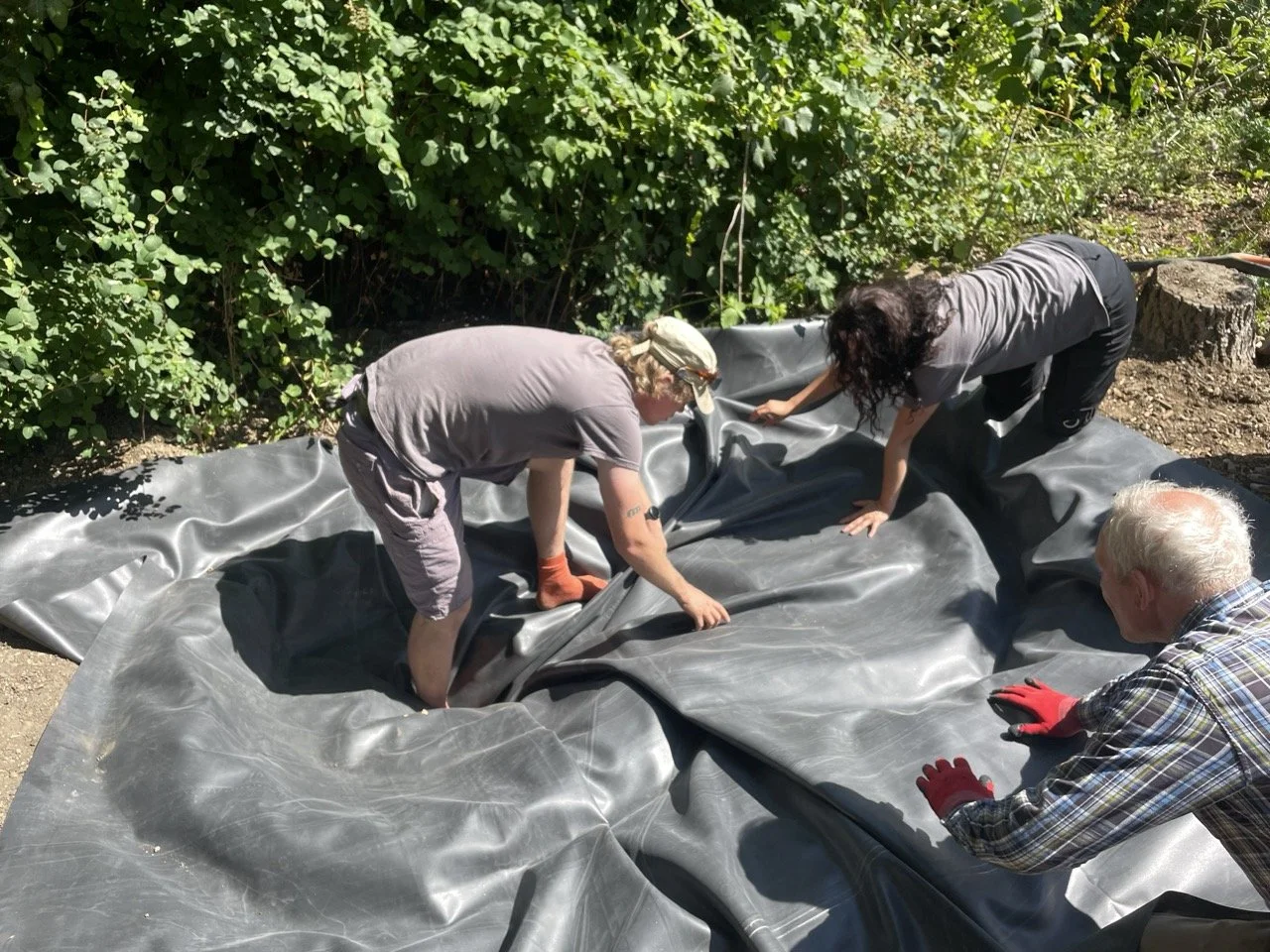
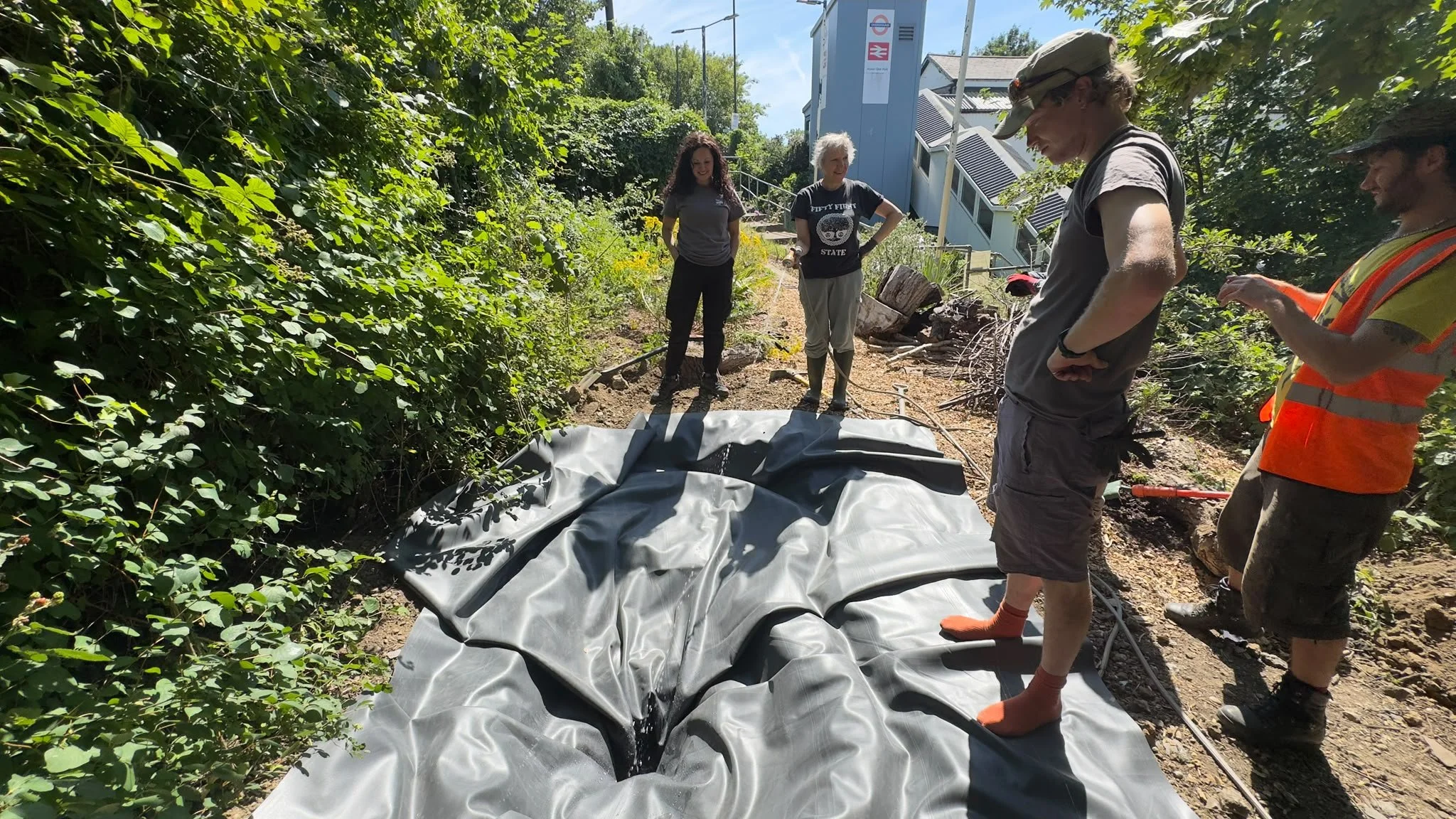
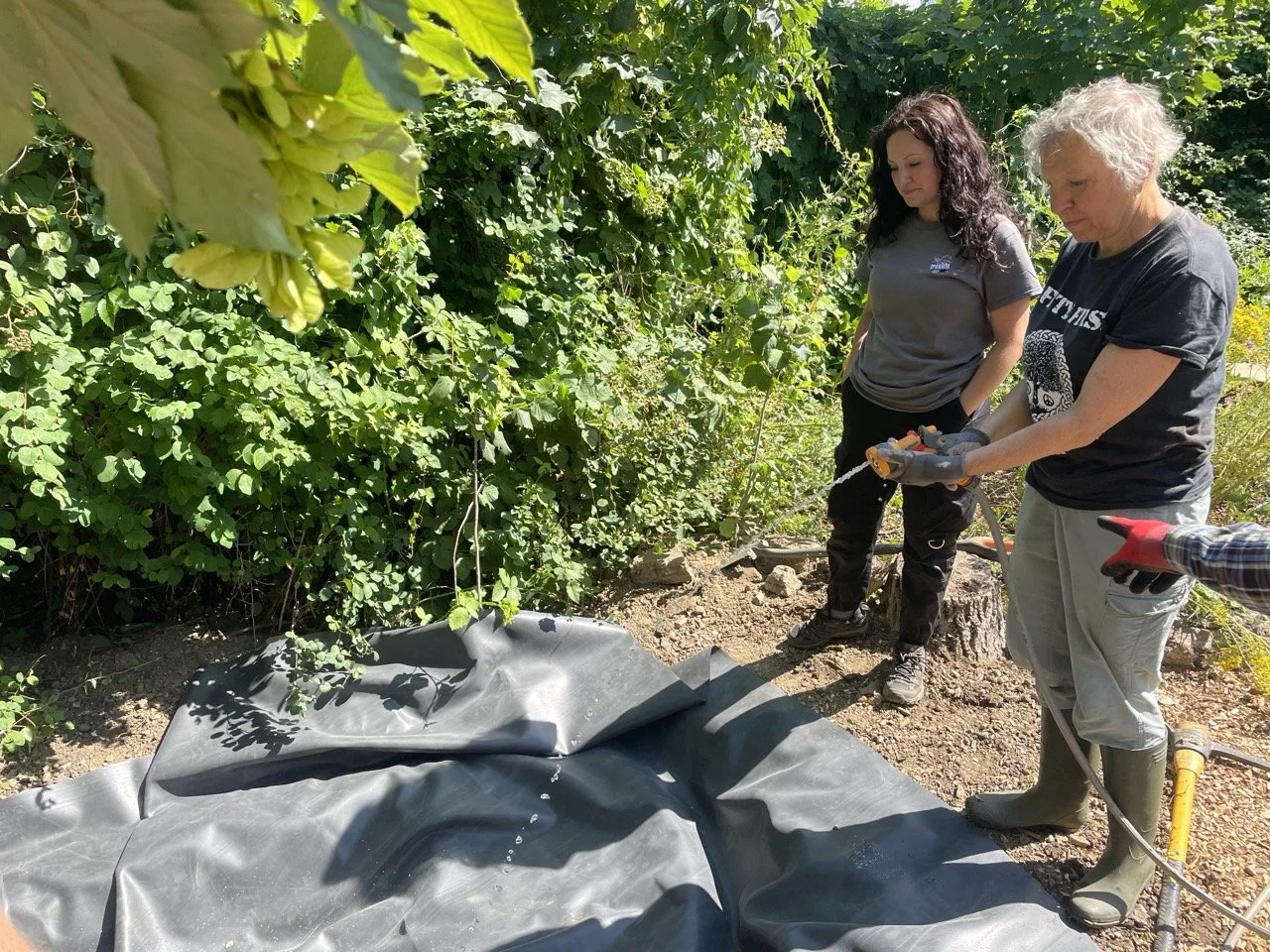
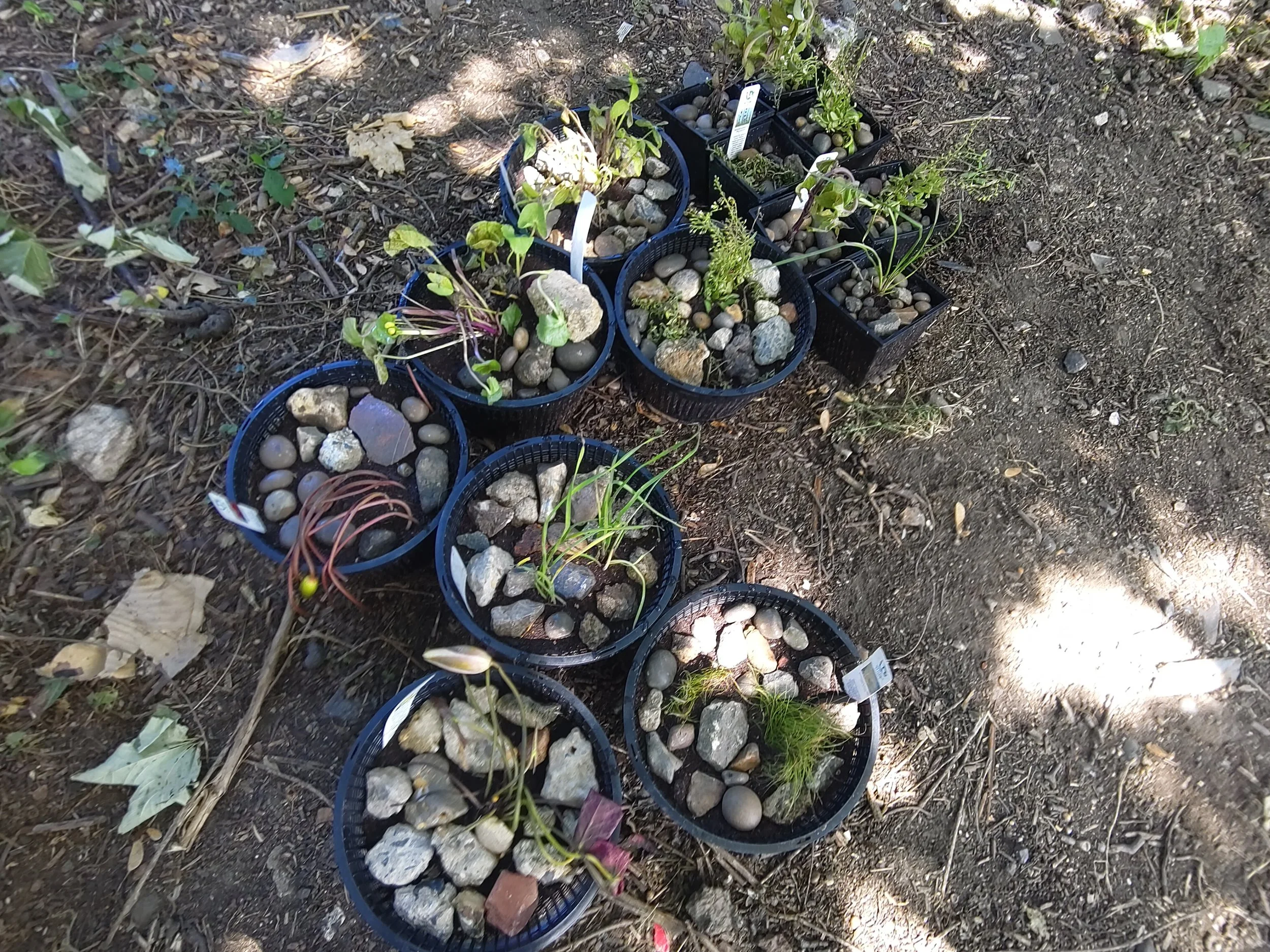
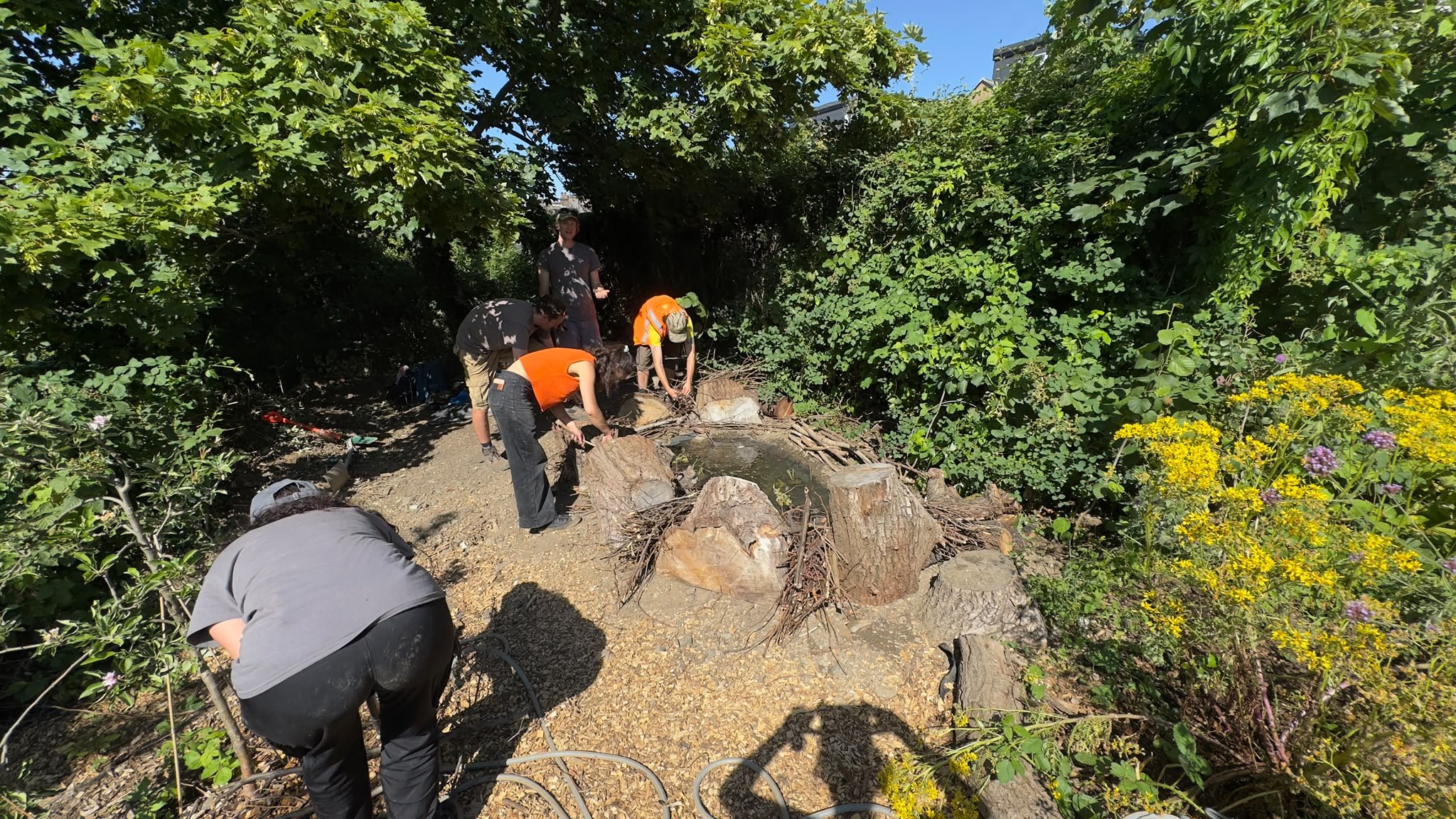
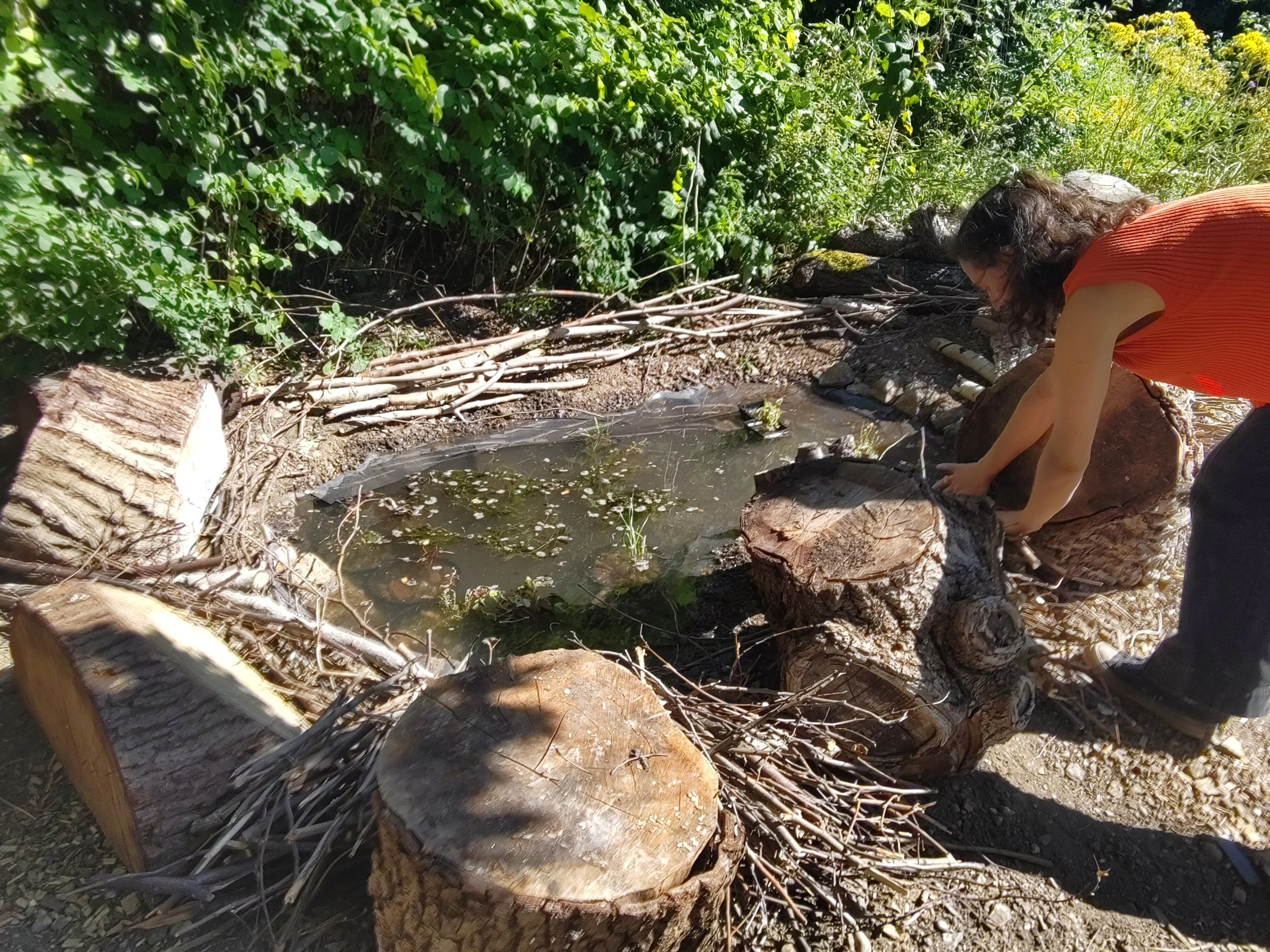
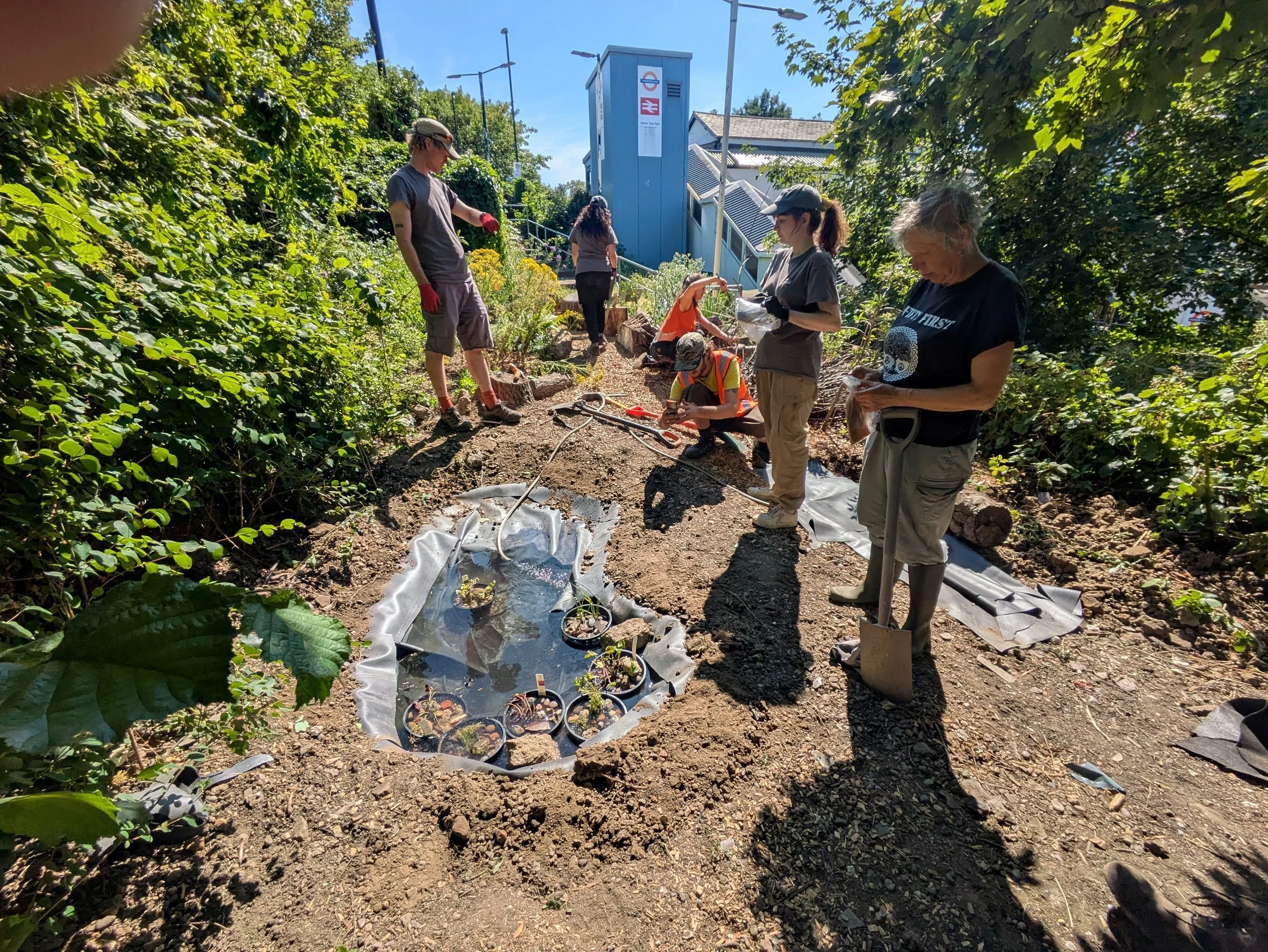
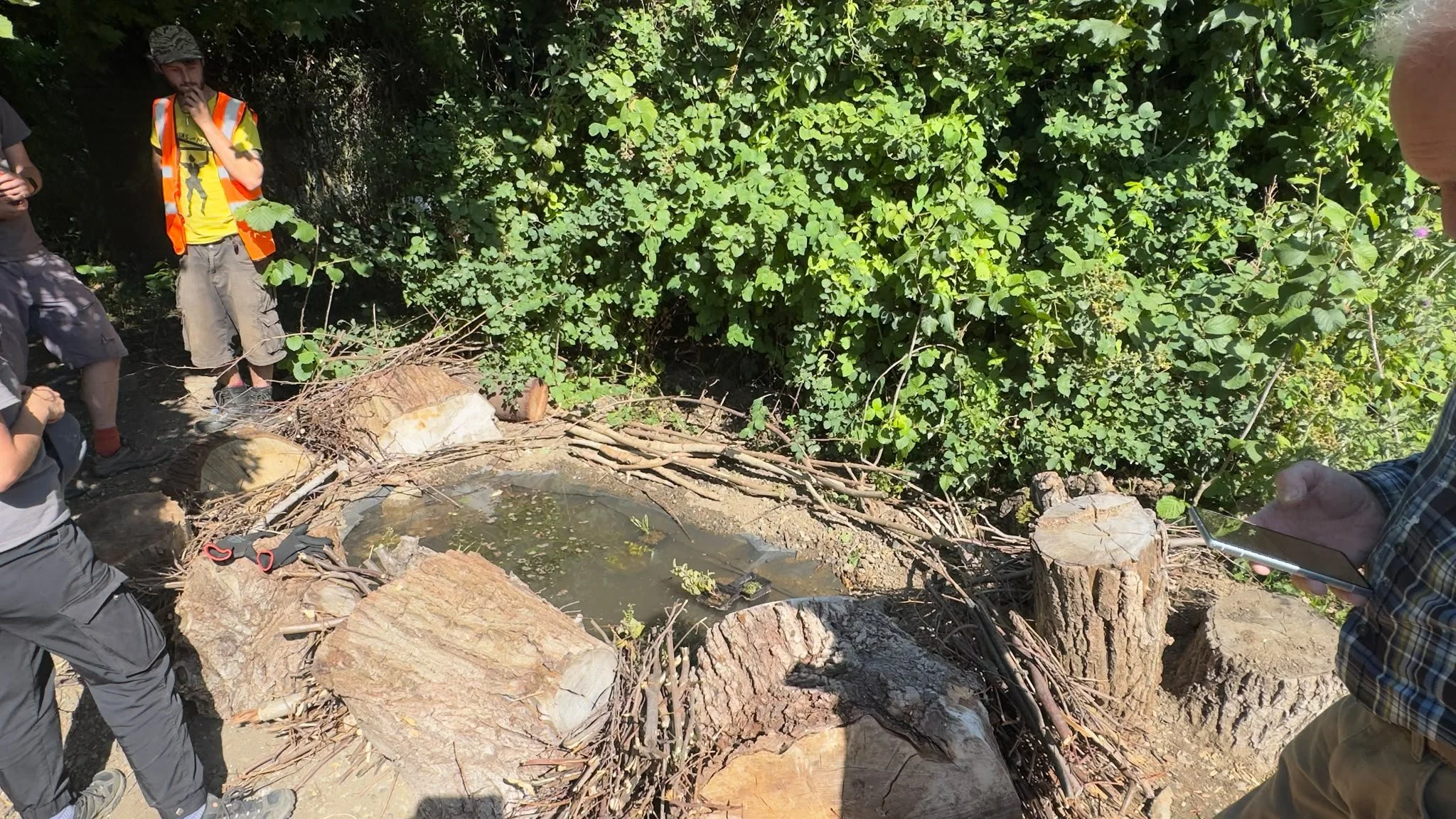
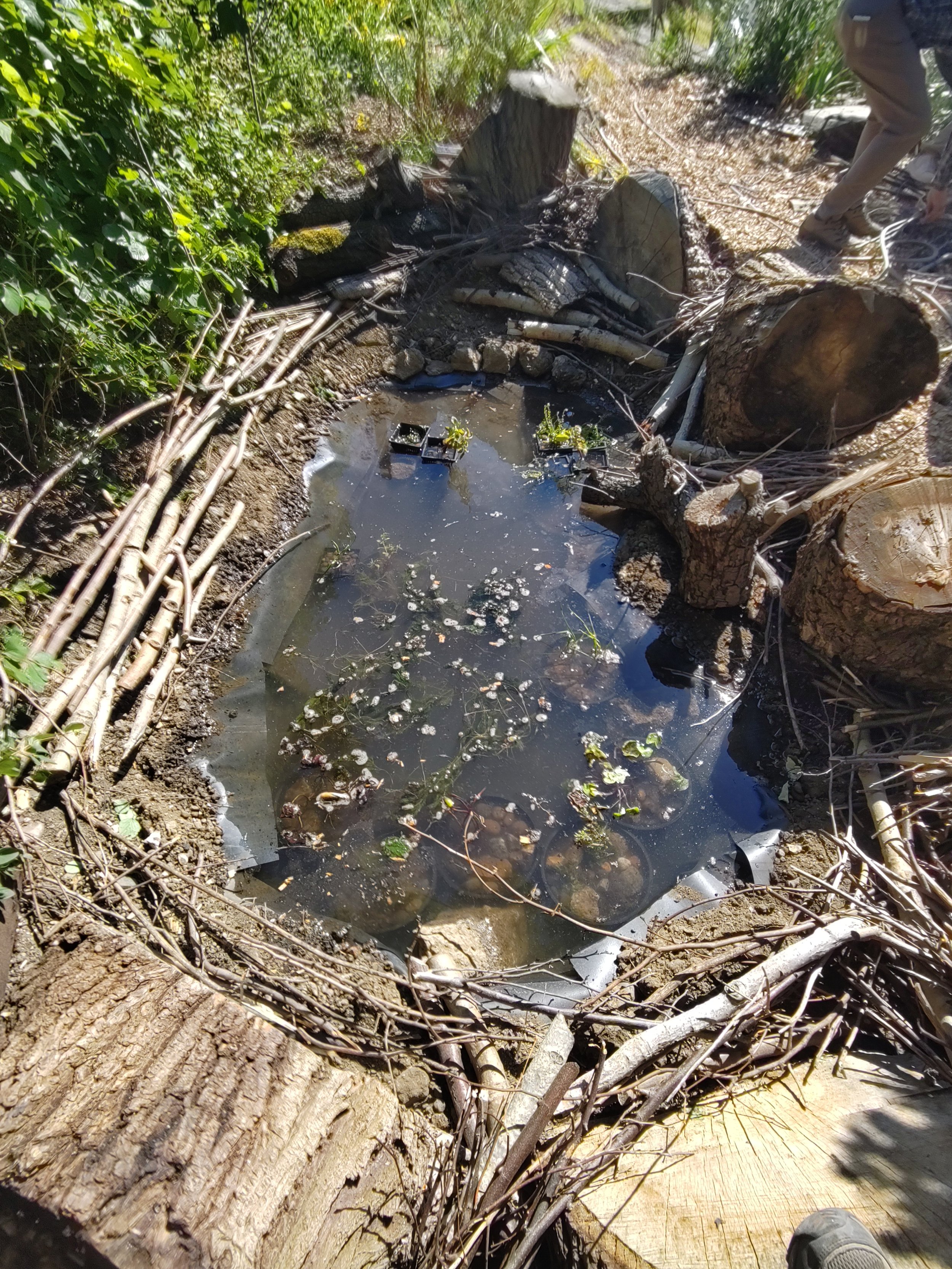
Railway embankments can provide valuable habitat and movement routes through built-up areas. While roads and urban barriers create challenges, creating more connected habitats gives amphibians a better chance to move, adapt and thrive. By creating a network of ponds rather than isolated habitats, amphibians have a better chance of finding suitable breeding sites helping maintain healthier populations and making them more resilient to environmental changes.
The Honor Oak Park pond strengthens this growing network, connecting with other London Blue Chain sites such as Devonshire Road Nature Reserve and Albion Millennium Green.
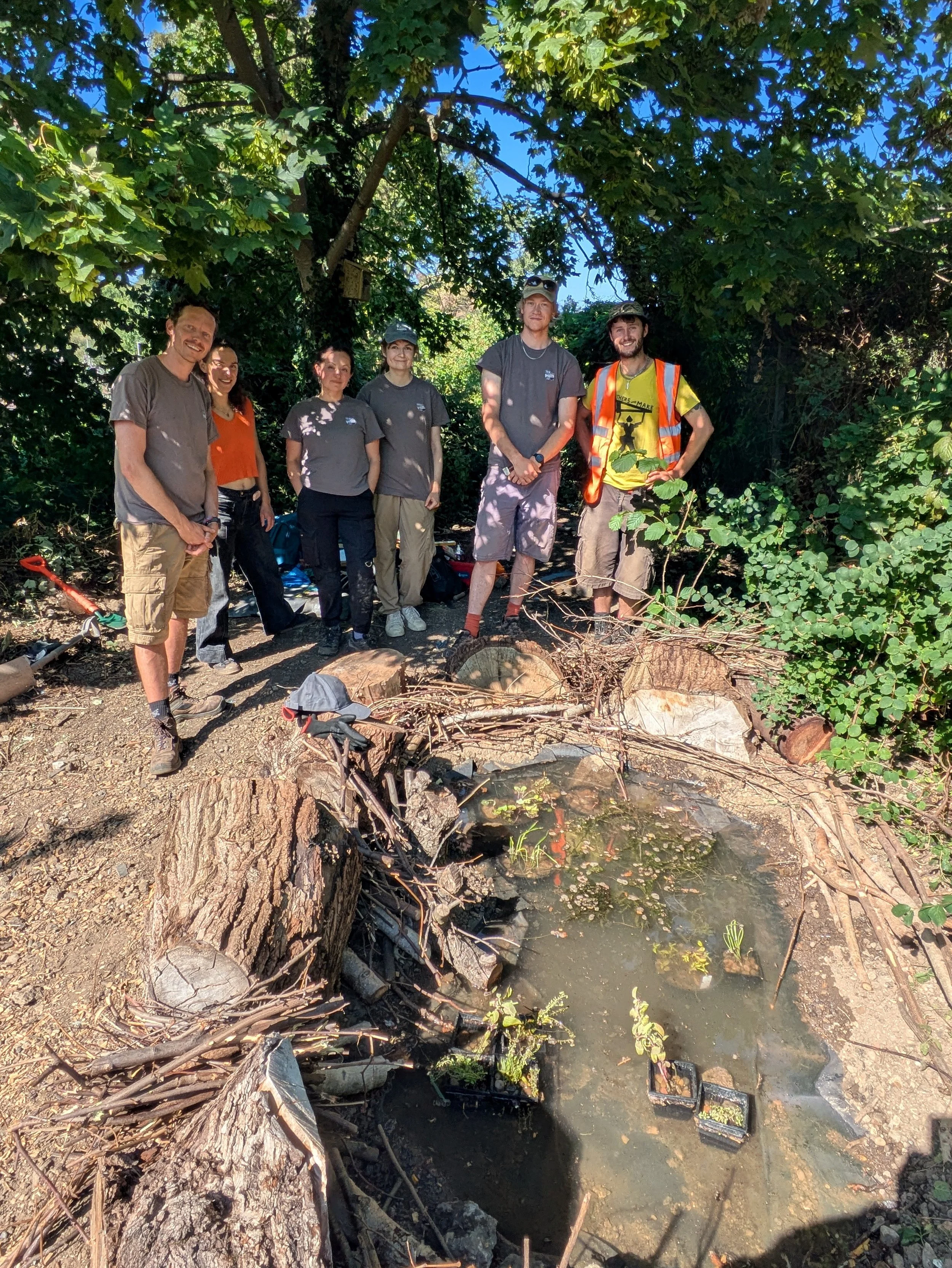
Every new pond is another piece of the puzzle, together, these habitats are helping to create one of the largest Neighbour Wildlife Corridors of the London Blue Chain project, giving amphibians and other species a better chance of thriving in one of the world’s busiest cities.
Diana Hernandez
FrogLife