What an amazing year it has been so far, with primary school children from the borough of Brent being given the opportunity to contribute to environmental improvements in their own communities! Energy Garden is pleased to have partnered with Brent Council, with our Green Infrastructure Lead, Silas, leading climate-resilient projects across the borough.
For Energy Garden, school workshops are an early step in a wider journey from learning to participation and stewardship. In London, that opportunity matters particularly: research published in the Journal of Urban Health found major inequalities in children’s access to green space, with hundreds of thousands of pupils attending schools with very limited green space. Our workshops therefore aim to give children practical opportunities to notice, explore and understand the urban environment around them while building the confidence and curiosity to take an active role in caring for it.
The programme’s aim is not simply to teach environmental facts, but to make sustainability tangible. By connecting classroom learning with real local places and practical action, children begin to see their neighbourhood as something they can understand, contribute to and help shape. Over time, these experiences can lay the foundations for deeper participation, environmental care and future stewardship.
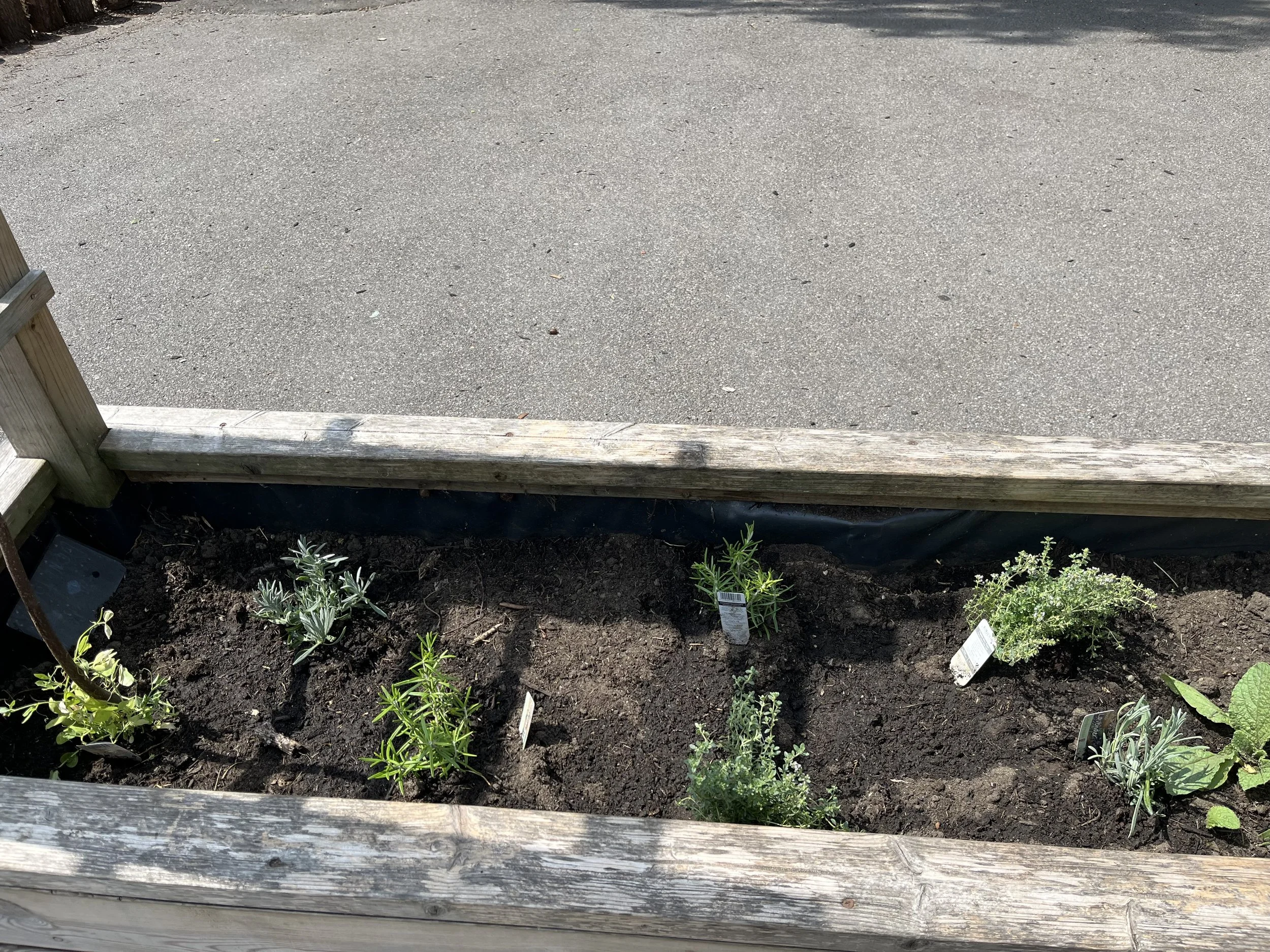
The year kicked off in January with a school engagement workshop and a whole-school assembly at Newfield Primary School, where children were reminded about the Longstone Avenue tree-planting project outside their school and introduced to plans to create an outdoor classroom. Pupils were keen to learn more about the benefits of planting perennial shrubs, reusing materials and planting drought-tolerant plants, while also contributing their own ideas for the classroom, which was later built by Silas in May.
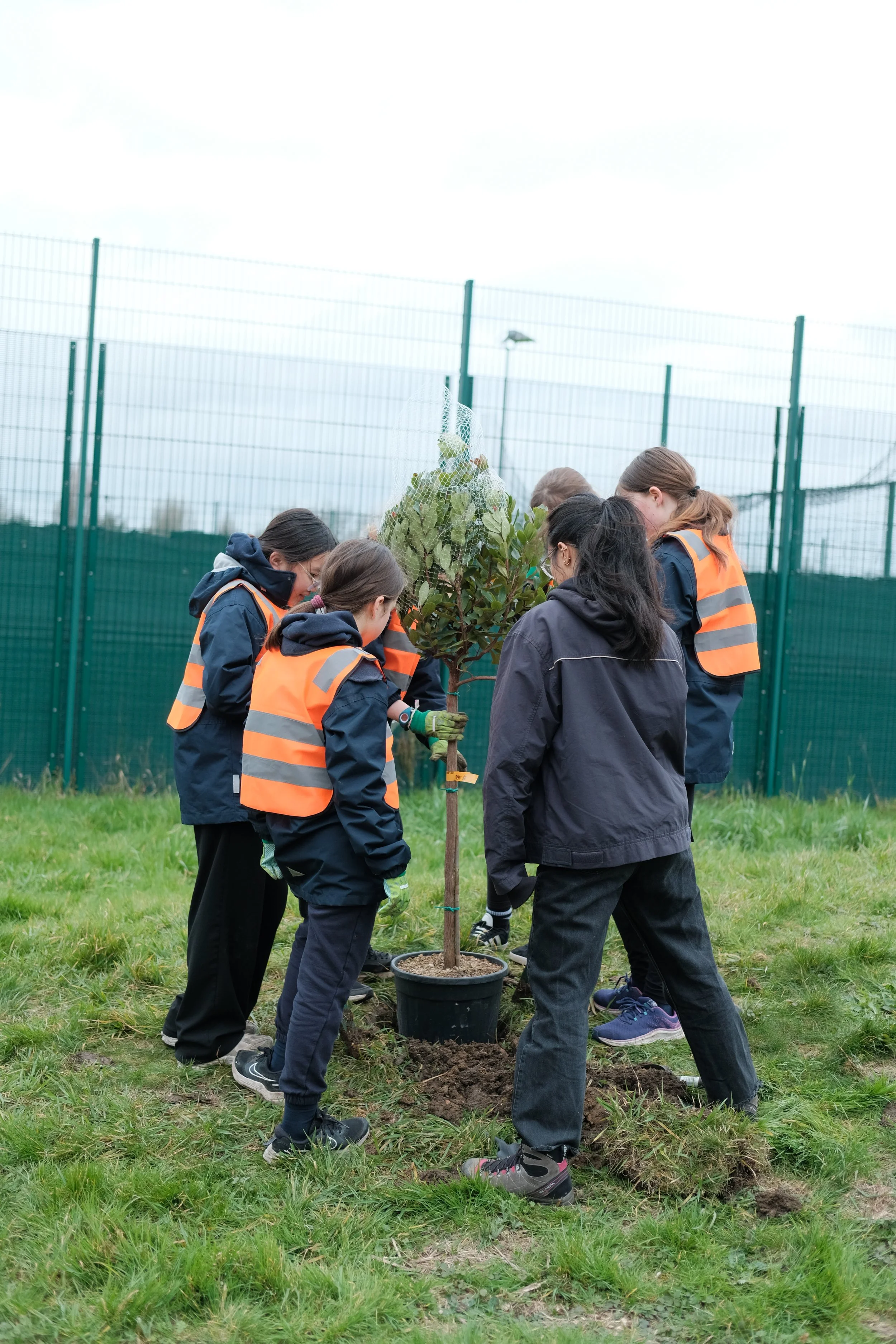
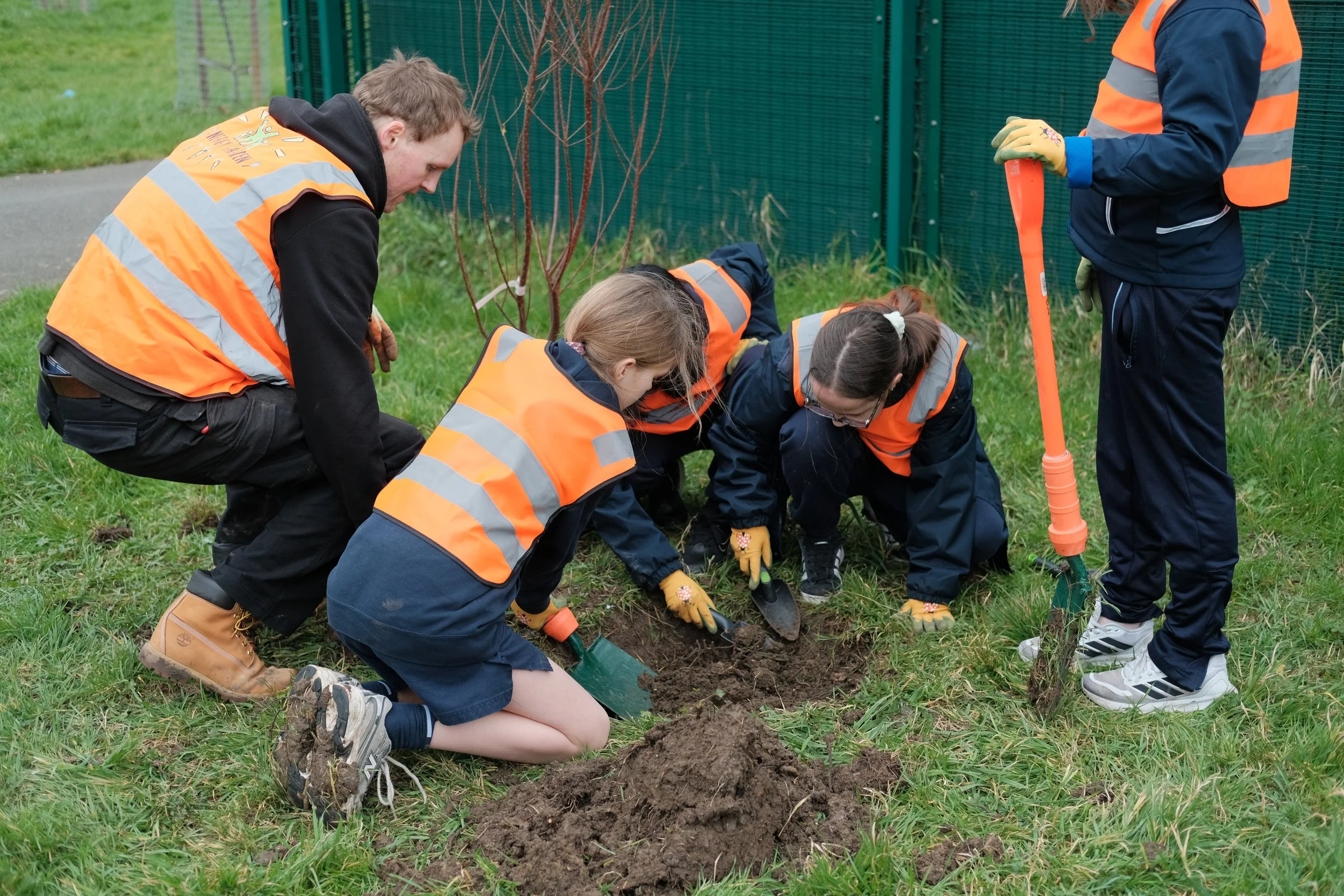
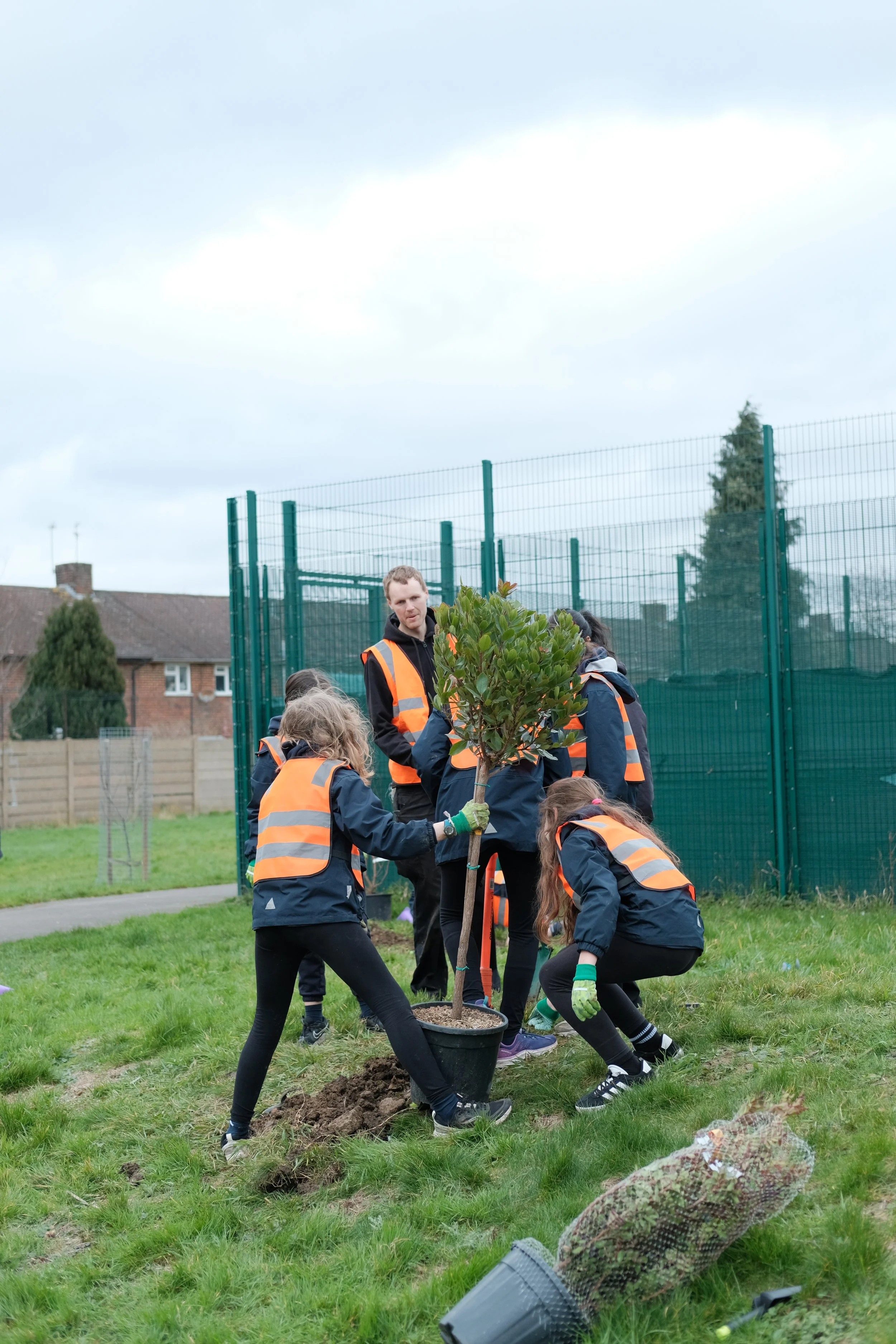
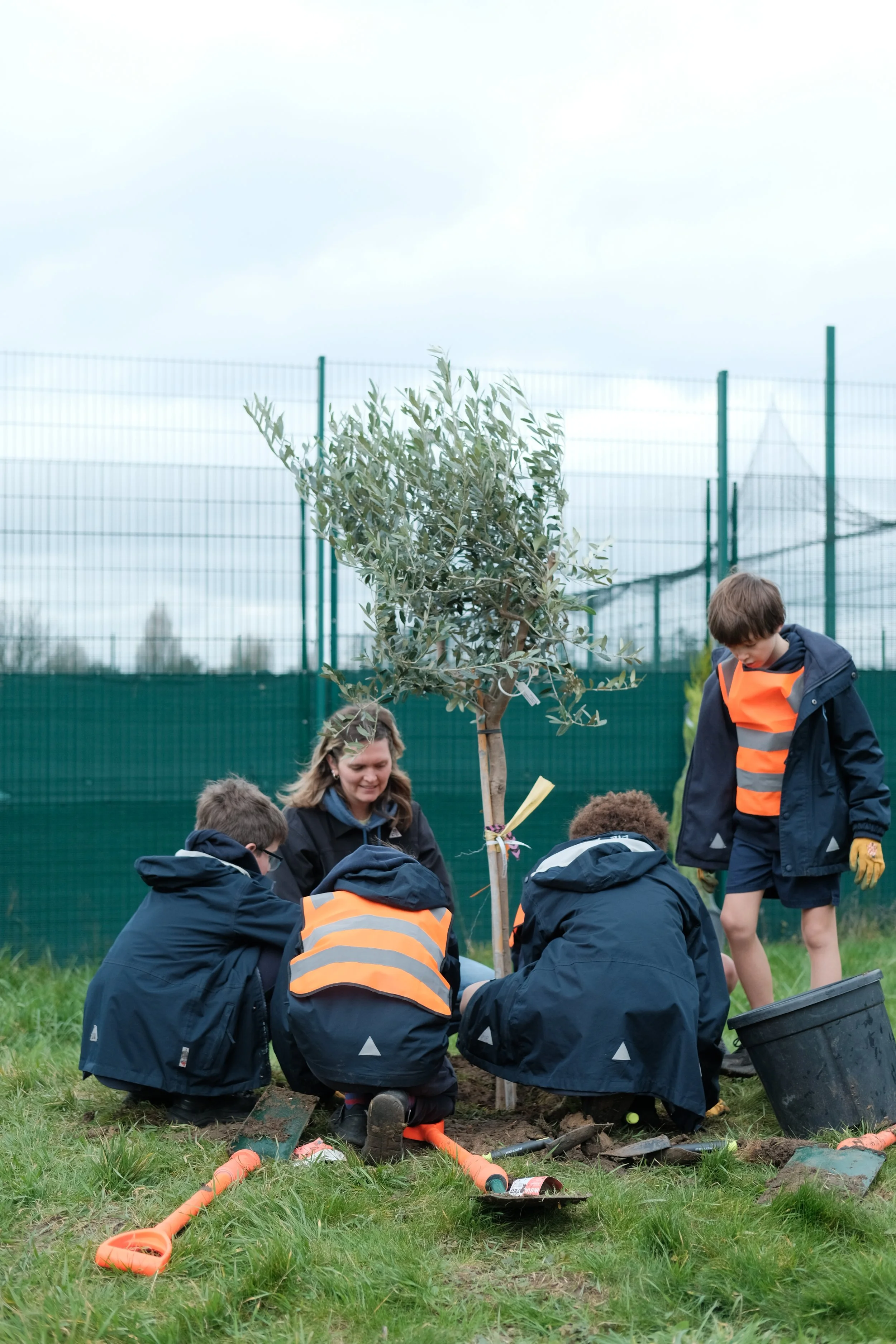
As we moved into February, Longstone Avenue became a hub of activity over several days, with schoolchildren from Newfield and Maple Walk working in groups to plant a climate-resilient grove outside the school entrance. Children were fascinated to learn that the trees chosen for planting would be more resilient to the UK’s increasingly warm climate than native species. Their enthusiasm and energy were apparent as they dug into the hard turf and soil, successfully planting the trees allocated to them.
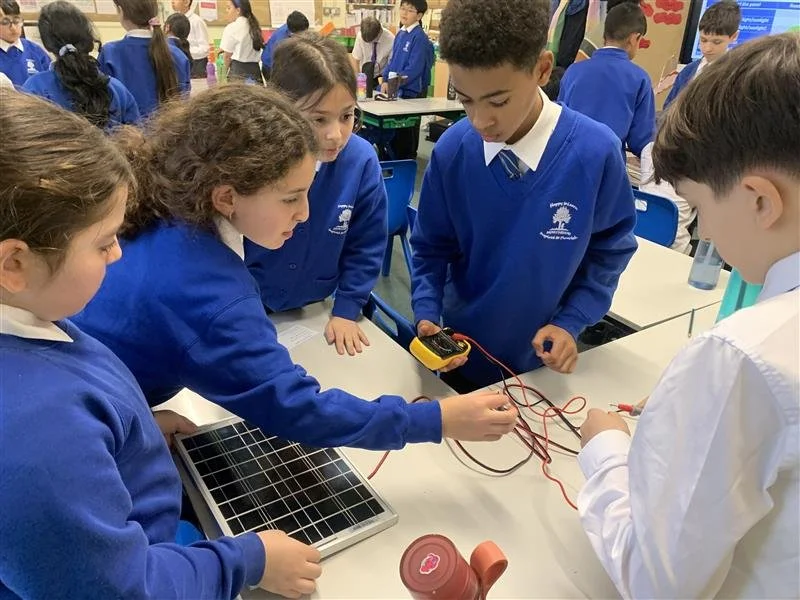
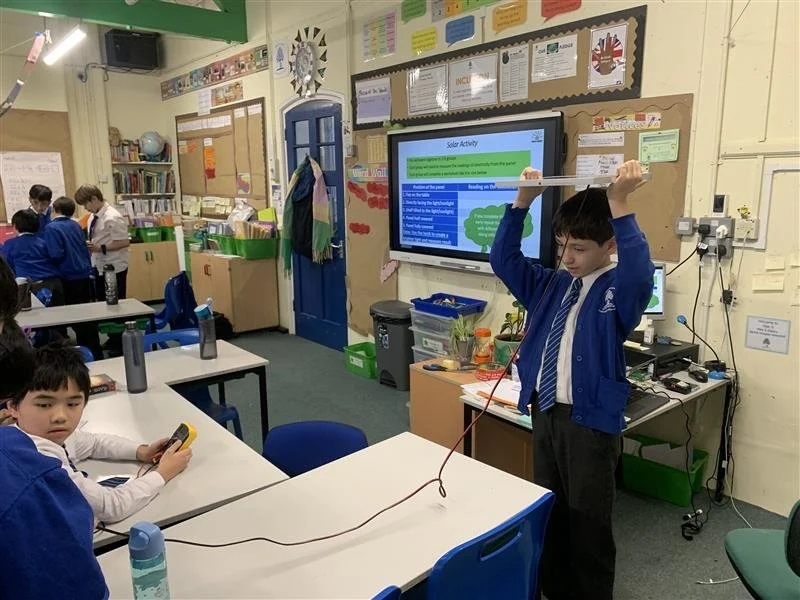
Alongside these projects, Energy Garden continued to deliver classroom workshops throughout the year in Brent, Barnet, Newham and Waltham Forest, focusing on schools with children who have less access to green spaces. Workshop topics included understanding the importance of green spaces in urban areas like London, exploring the challenges wildlife faces due to urbanisation, and learning how solar energy works by measuring solar output using a multimeter.
‘The pupils most benefited from the practical solar task, as it was 'hands on' and engaging. They enjoyed looking at and recording the changing levels of solar output.’
Workshops complemented and extended the Science, Geography and Citizenship curricula, providing children with ‘information that they hadn't previously known, such as the use of fossil fuels to provide energy.’
‘The workshop was extremely beneficial for the children as it linked well with different areas of the curriculum, helping them make meaningful connections in their learning. The pupils were highly engaged throughout the session and clearly enjoyed the experience.’
‘They particularly loved the hands-on activities, which allowed them to explore and learn in a practical and interactive way. This helped deepen their understanding of the world around them and made the learning more memorable. The workshop also encouraged curiosity, discussion, and collaboration among the children. They were eager to participate, ask questions, and share their ideas with one another. Overall, it was a very positive experience that supported active learning, increased pupil engagement, and enhanced their understanding of real-world concepts.’
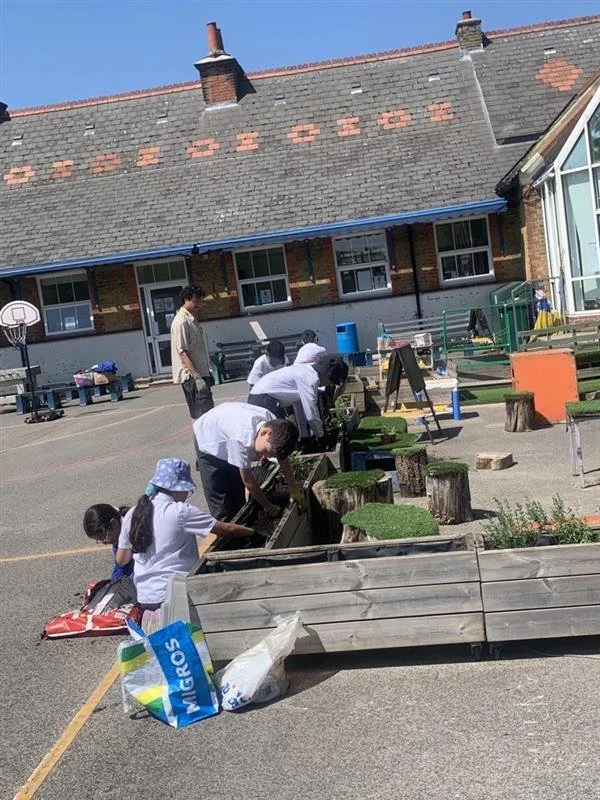
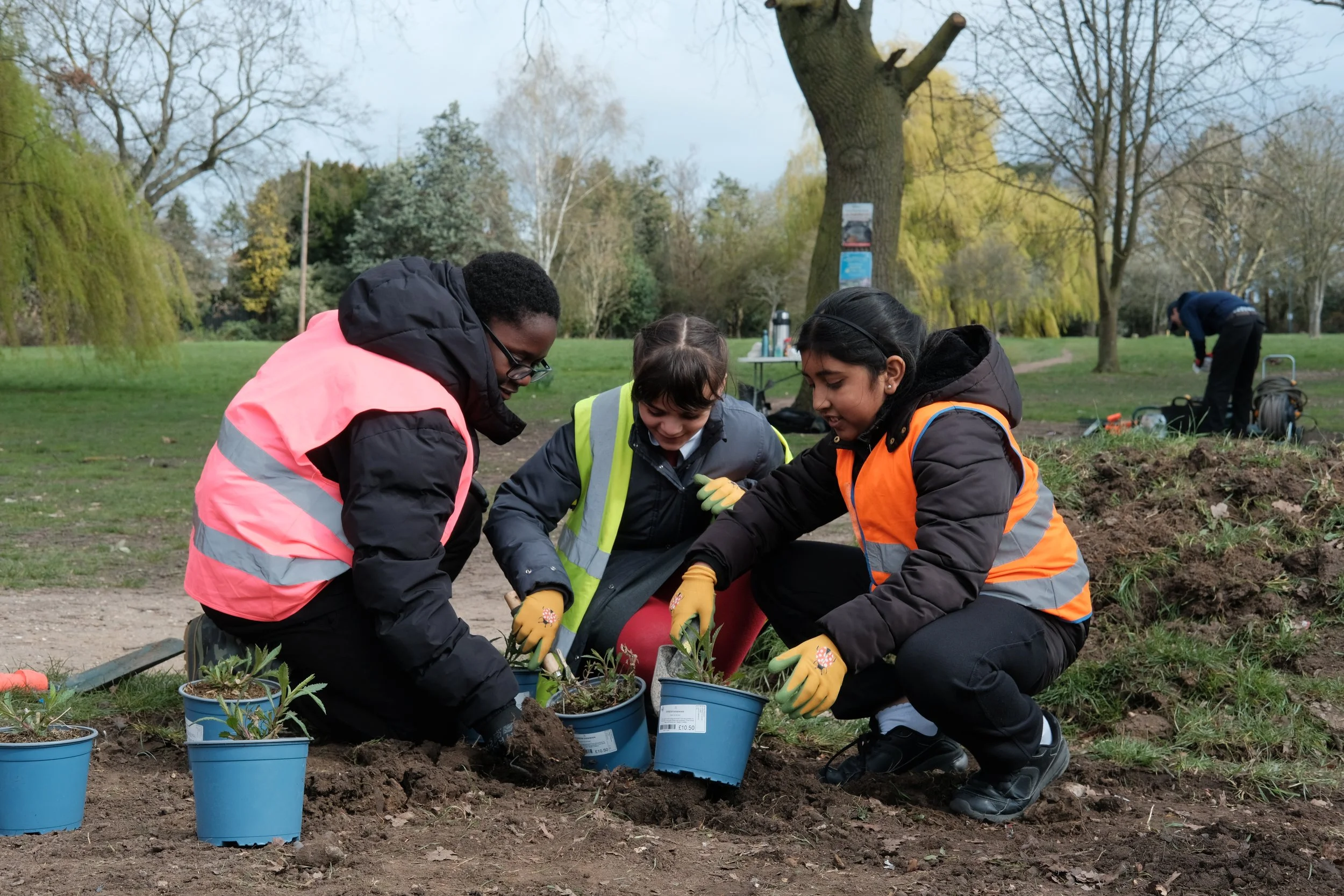
Spring brought further opportunities for pupils in Brent to learn about rain gardens as they participated in planting at Church Path. Classes were introduced to valuable knowledge about flood prevention through rainwater management, supporting biodiversity and tackling climate change through green spaces before embarking on planting. Children learned about plants chosen for their tolerance of wet, dry, hot and cold conditions and their low maintenance requirements. These included species native to American prairies, Mediterranean basins, the Caucasus Mountains and Central Asian foothills. Contributing to planting in a previously barren pathway that local pupils used on their daily walk to school, helped to give them pride in their area and a sense of achievement.
‘Engaging in hands-on gardening involved acquiring information about various plants and the techniques for planting different species while working with the soil.’
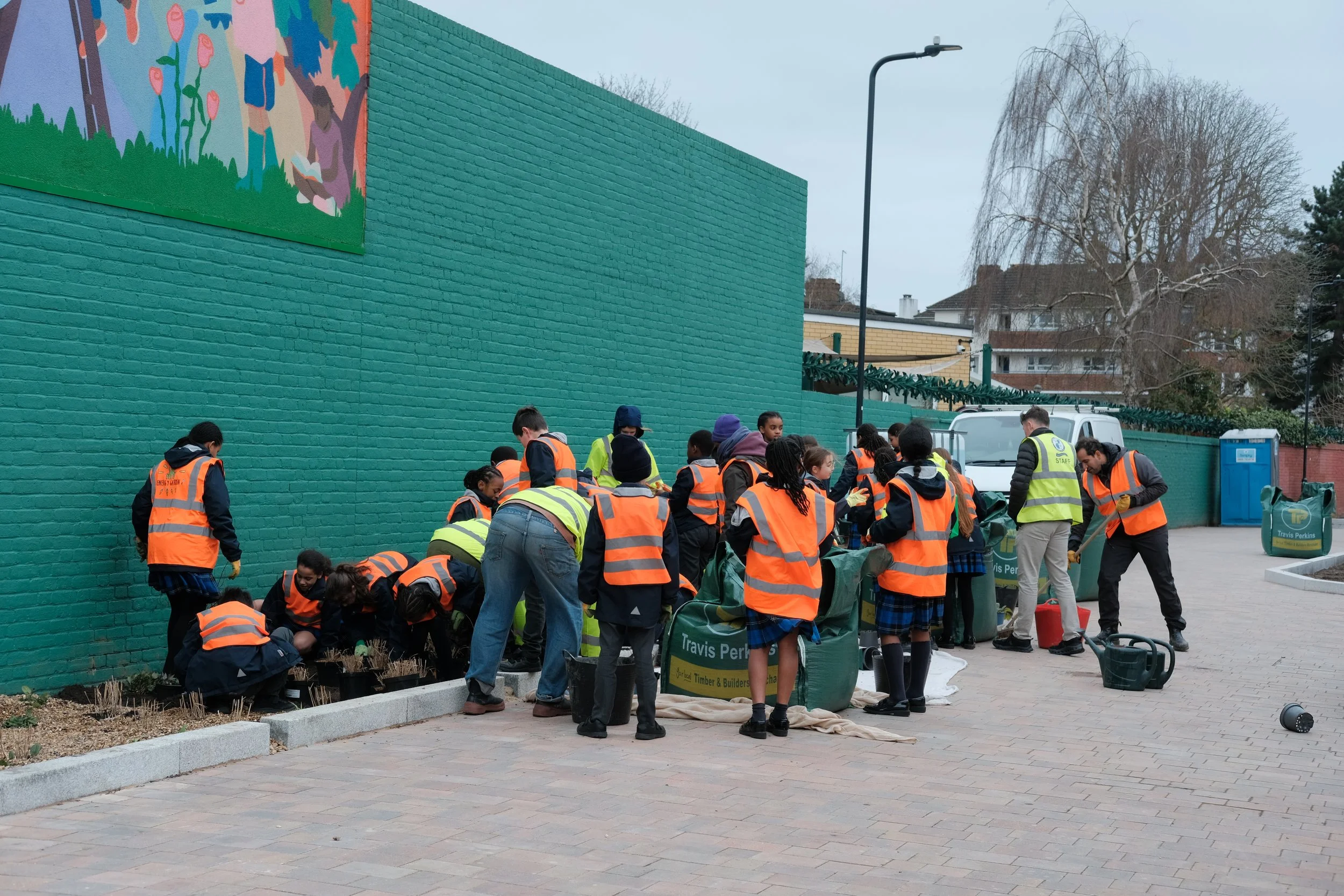
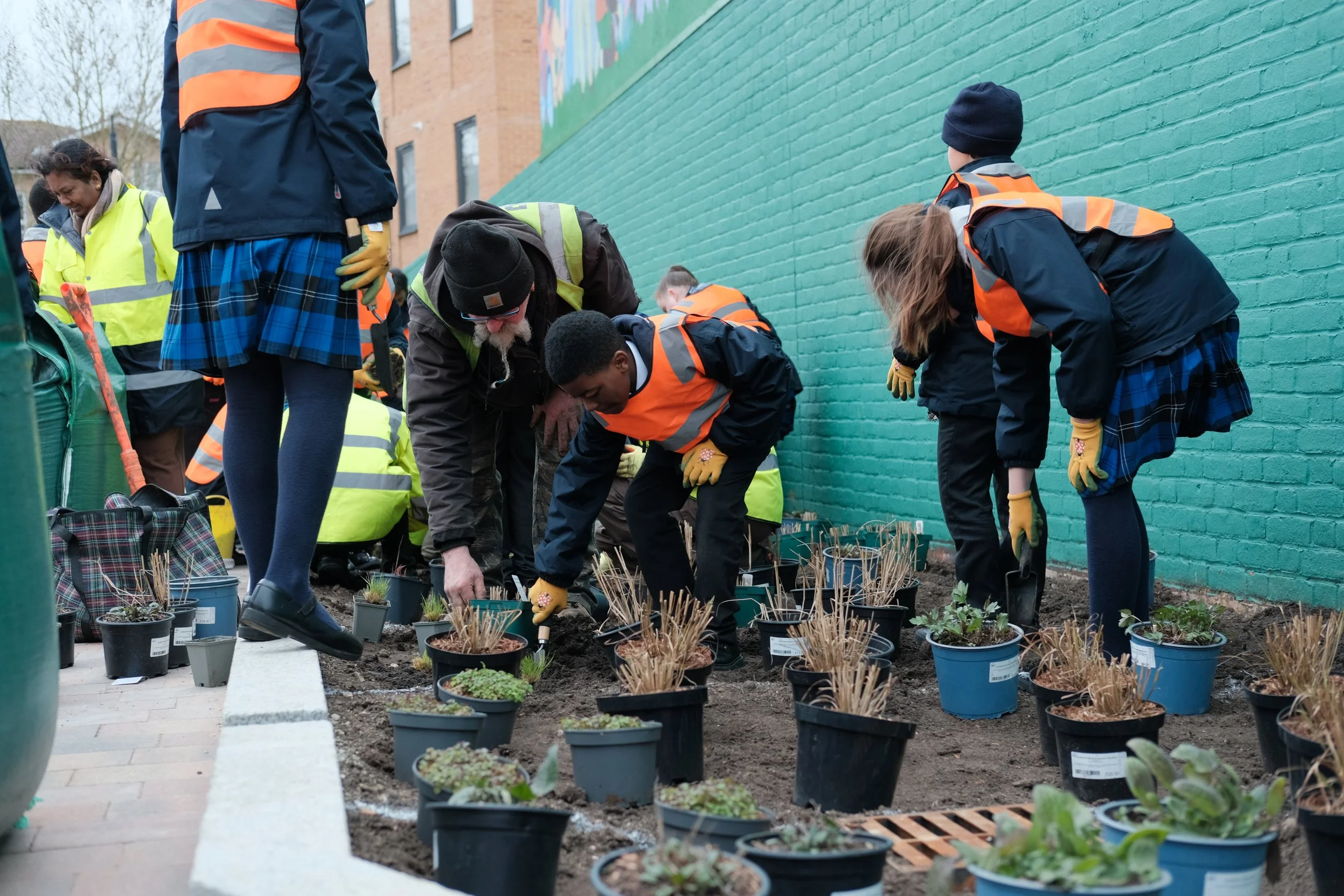
In March, Roe Green Park in Kingsbury became the site of the next planting improvement project, with classes from local primary schools and a secondary school engaging in the planting of a variety of grasses, perennials and shrubs, as well as spreading shingle mulch. Students demonstrated resilience and teamwork as they tackled the extremely tough ground! Children reflected on feeling empowered by knowing they were helping to future-proof Kingsbury through climate-resilient planting and felt they were more likely to take care of the park environment.
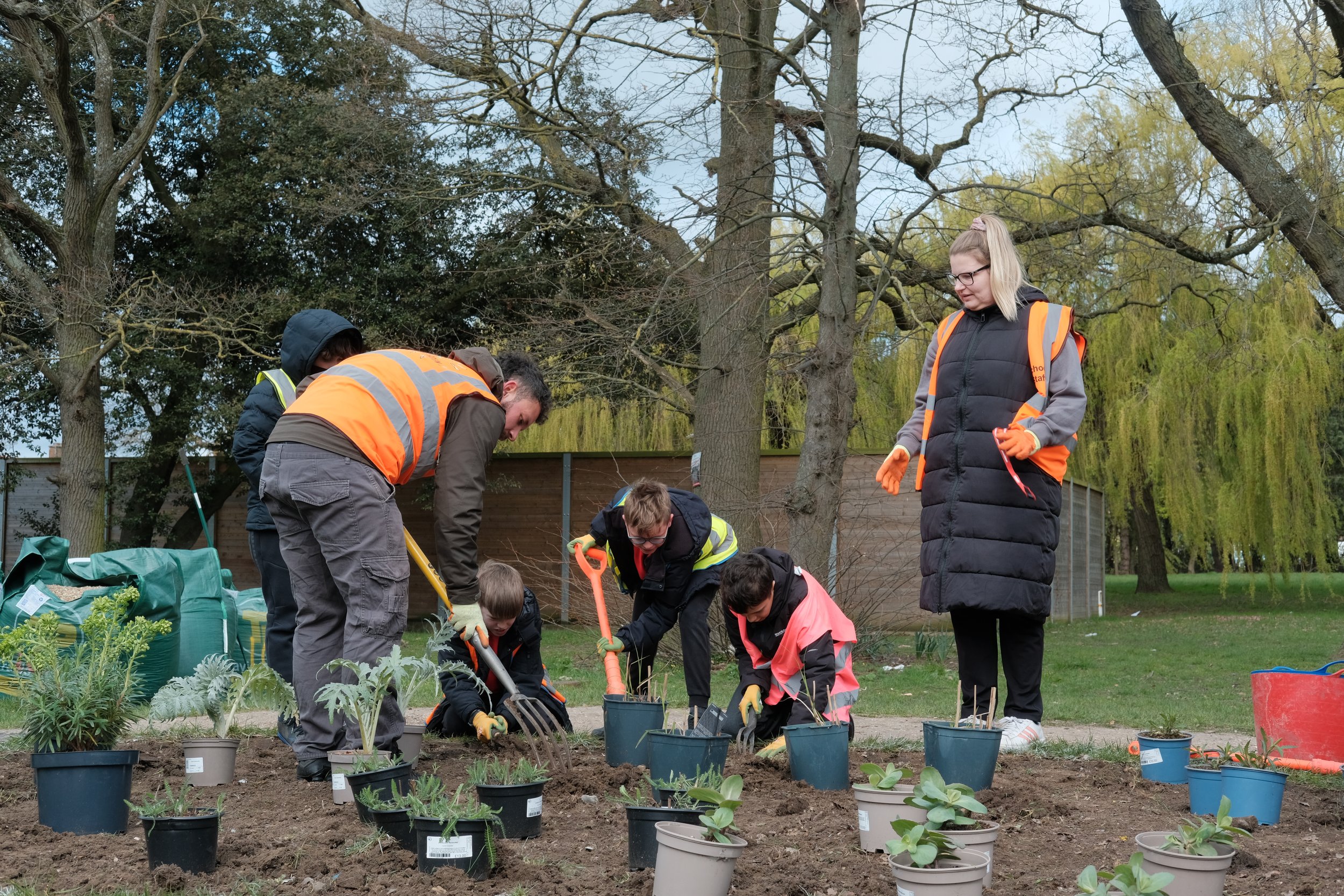
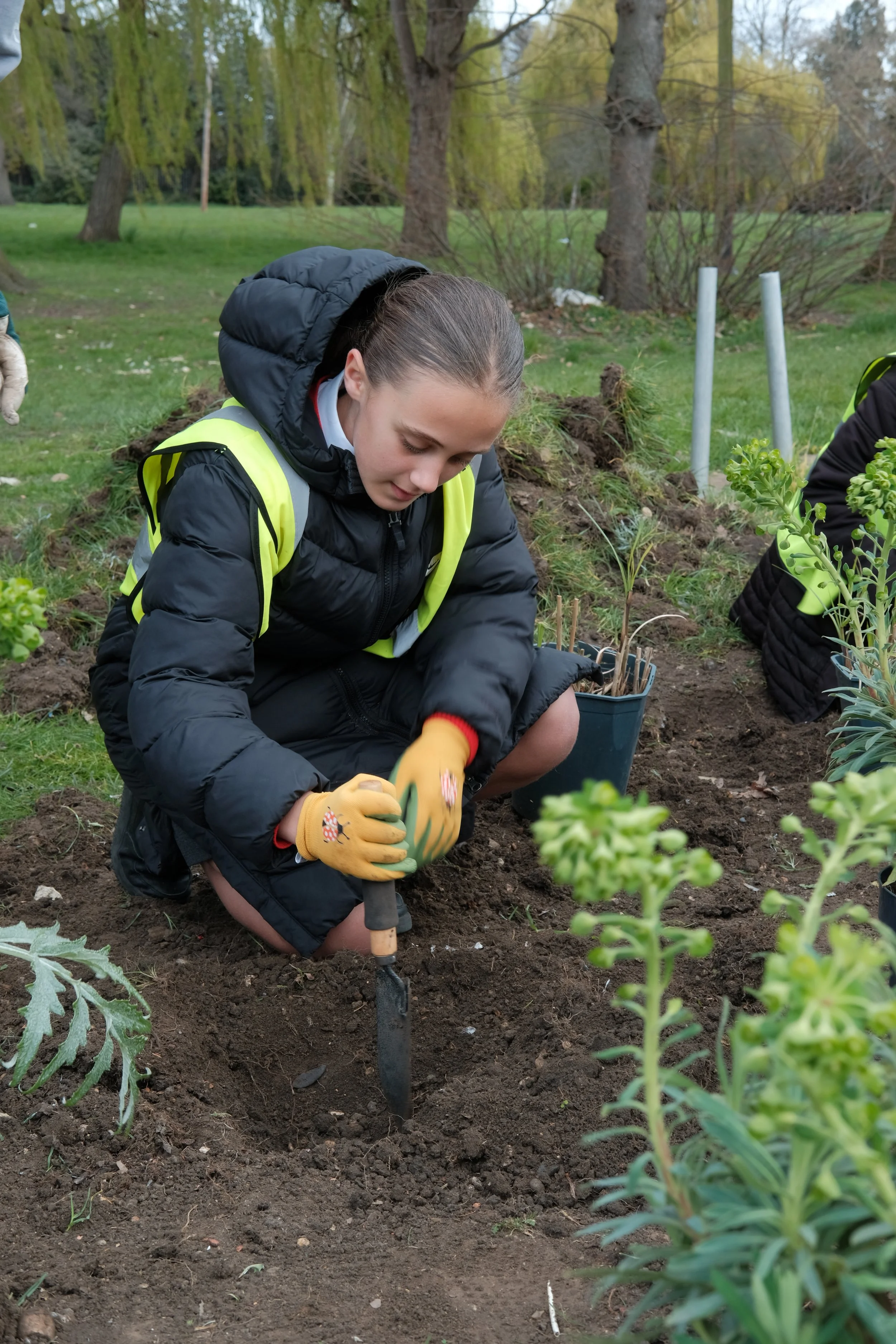
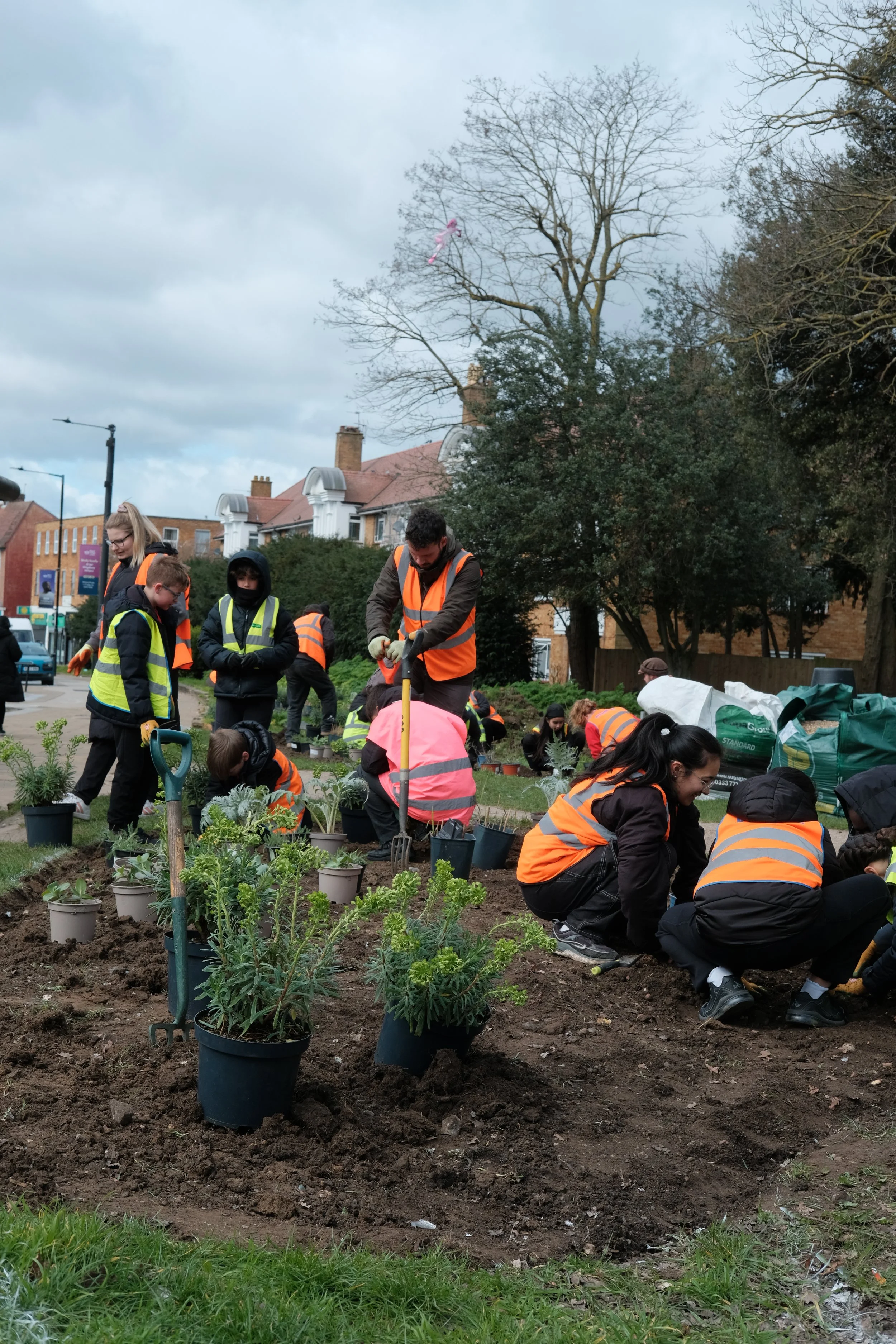
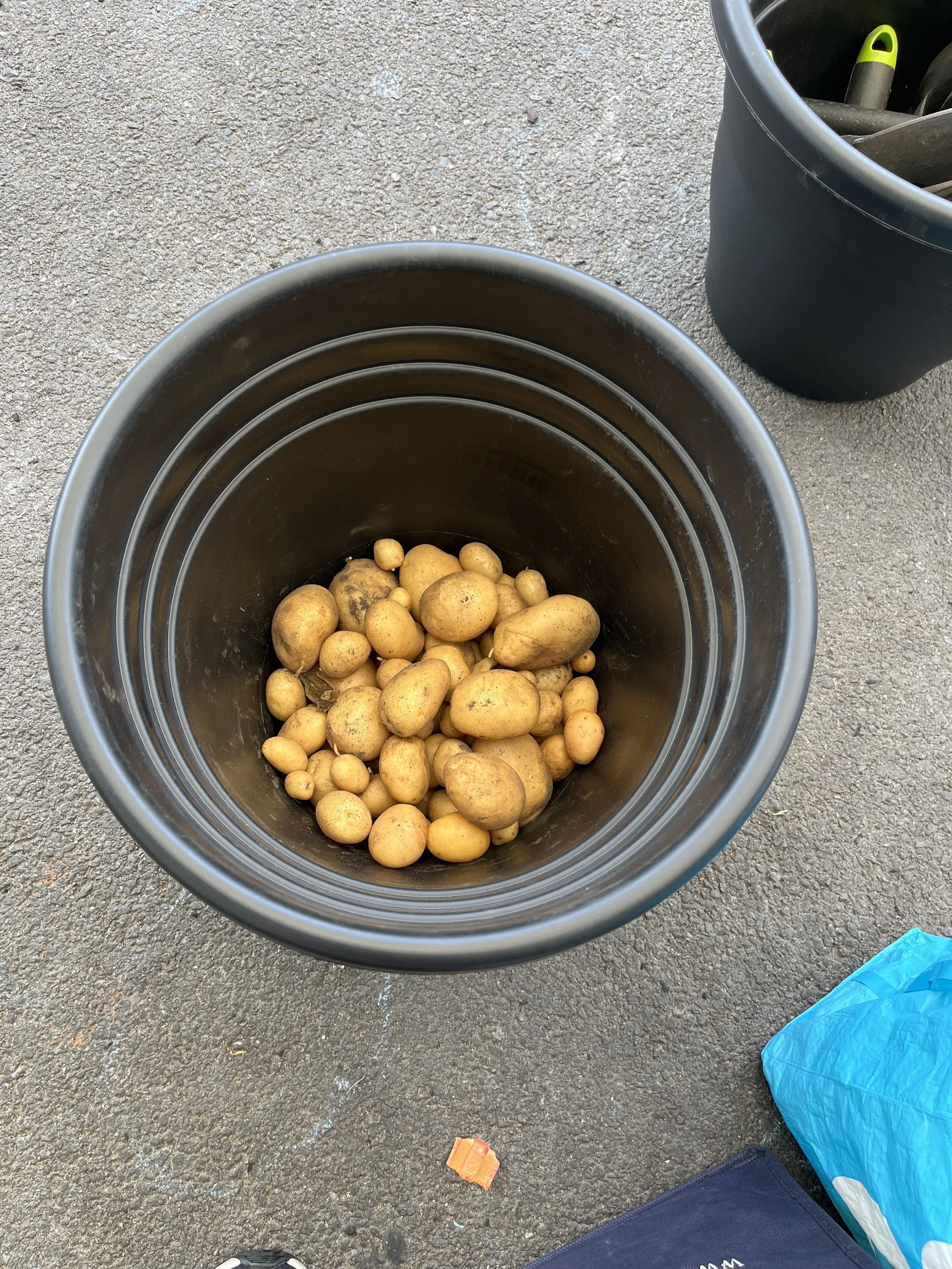
June and July brought a flurry of horticulture workshops in schools, with children planting various herbs, radishes and flowers such as nasturtiums. Children braved the scorching heat to weed, plant and water, with the results plainly evident when we returned weeks later
‘Miss, look at the radishes — they are growing so fast!’
‘The children are showing responsibility in taking care of the growing plants, and the workshops expanded their knowledge about the benefits of nature.’
It was particularly gratifying to see their enjoyment as many children did not have gardens and had never planted anything before.
‘The hands-on activity is important, as many children here don't have the privilege of enjoying gardening.’
As we move into a new academic year, we encourage London schools to apply to Energy Garden for free workshops that will extend children’s knowledge and understanding of sustainability topics, while providing invaluable practical experiences that encourage a love of learning.
![IMG_1863[1]_(1).jpg](https://images.squarespace-cdn.com/content/v1/5dbd855b32cd095744afa43f/e2e44b2e-cca6-4ae1-86bc-136c1a319fdd/IMG_1863%5B1%5D_%281%29.jpg)
![IMG_1698[1].JPG](https://images.squarespace-cdn.com/content/v1/5dbd855b32cd095744afa43f/b0bd88a3-2c84-43d2-9064-09b7a22964b2/IMG_1698%5B1%5D.JPG)