Don't Start With the Technology: What a Tomato Plant, Yoda and AI Can Teach Us About Being Human
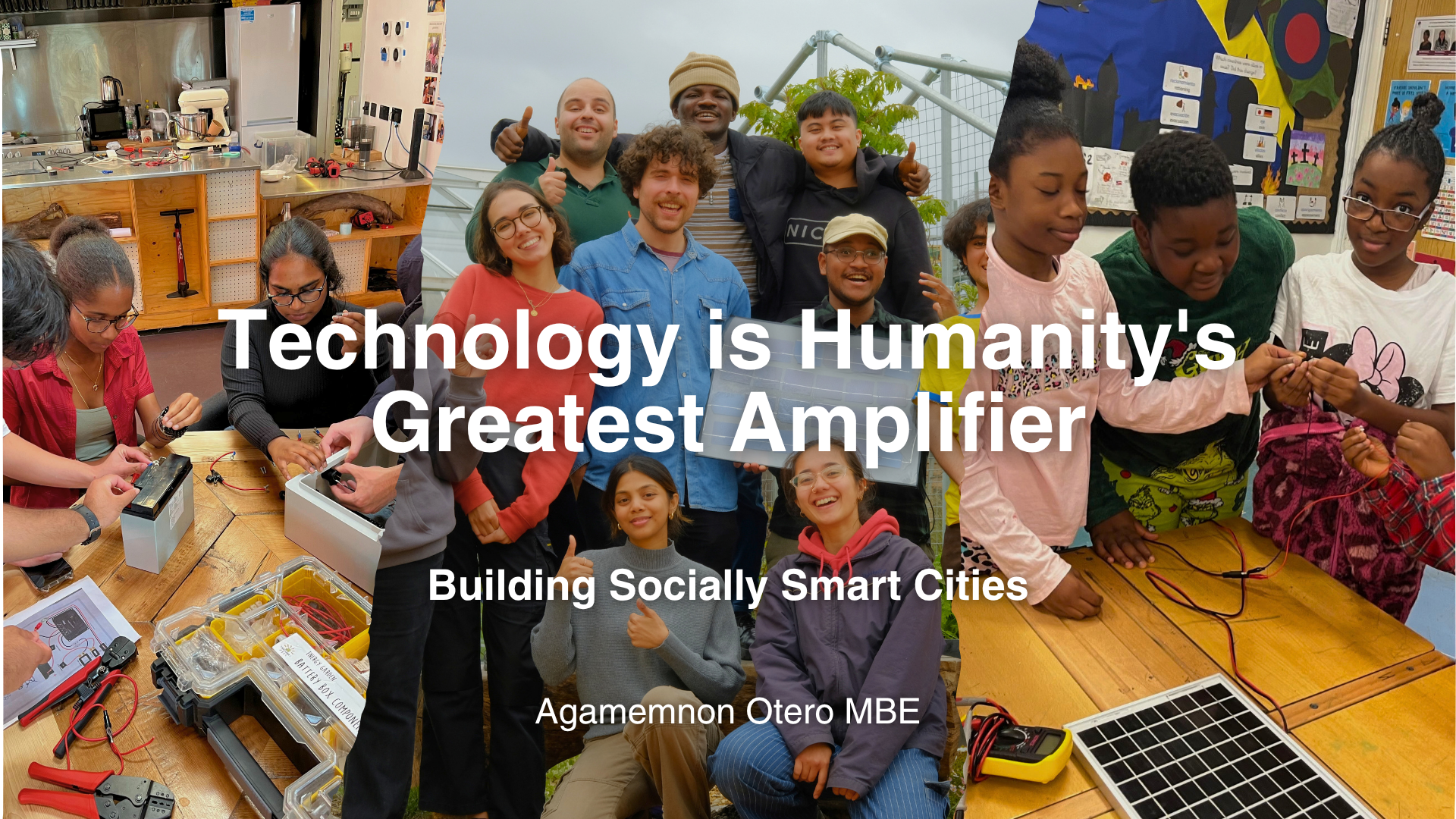
Earlier this summer I travelled to Barcelona to speak at the MWCapital Awards about a proposition I have been thinking about for some time: Technology is humanity's greatest amplifier.
The Awards brought together projects using artificial intelligence, biotechnology, digital health, telecommunications, smart infrastructure, renewable energy, computer vision and advanced materials. Yet the more I looked at the finalists, the less interested I became in the individual technologies. Underneath them I saw something much more fundamental: Human agency.
Different technologies. Different countries. Different sectors. But again and again technology was being used to help people access healthcare, participate, learn, communicate, stay safe, generate and own energy, and shape the communities around them.
That matters as we try to understand what artificial intelligence might mean for our own future.
What will our era reveal?
Standing inside La Pedrera made this question feel particularly immediate.
I studied architecture before moving into renewable energy and community development, and I have always been fascinated by the relationship between technology and human imagination.
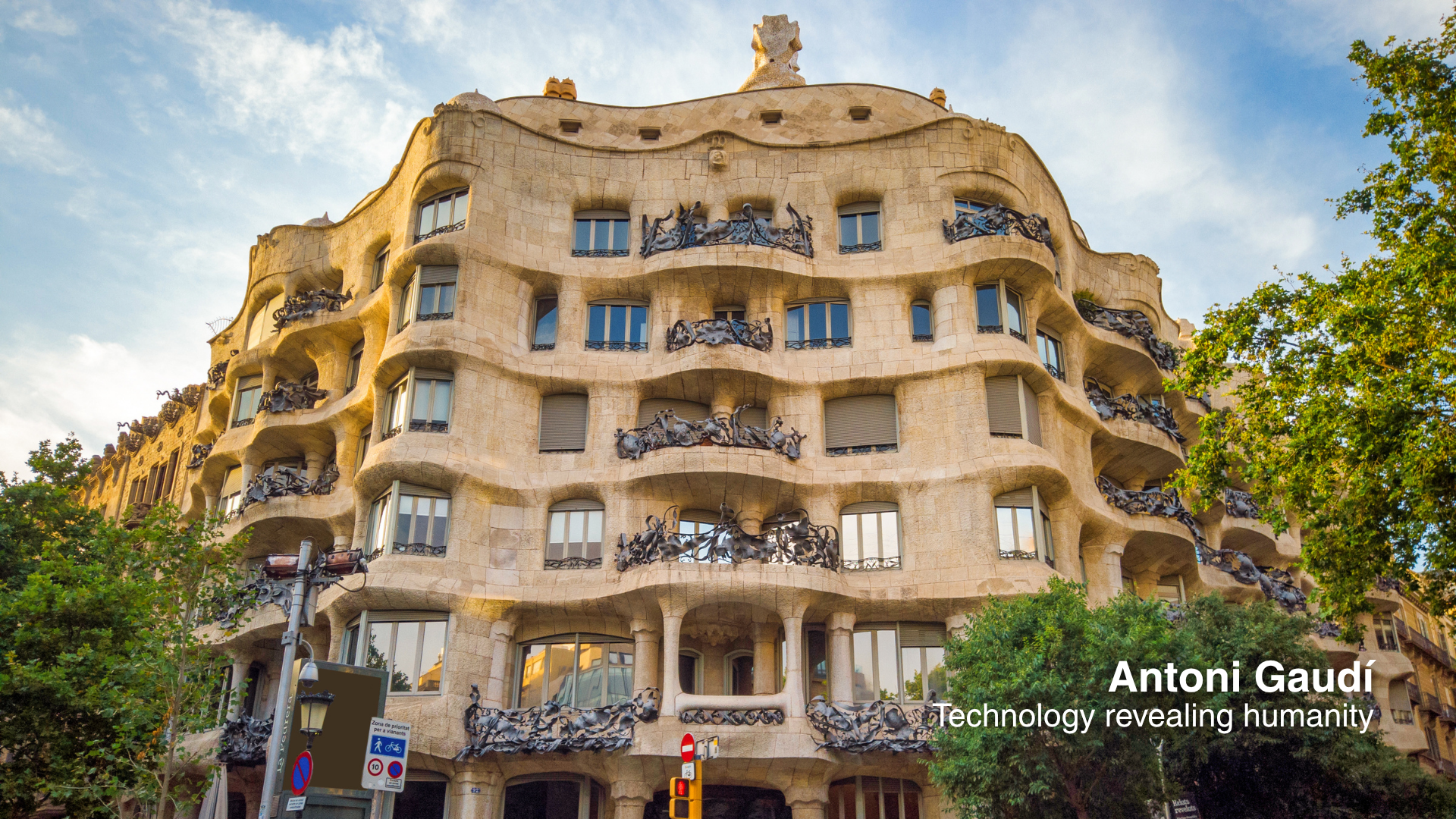
We don't remember Antoni Gaudí simply because he mastered the materials and technologies available to him. We remember what he revealed through them: humanity.
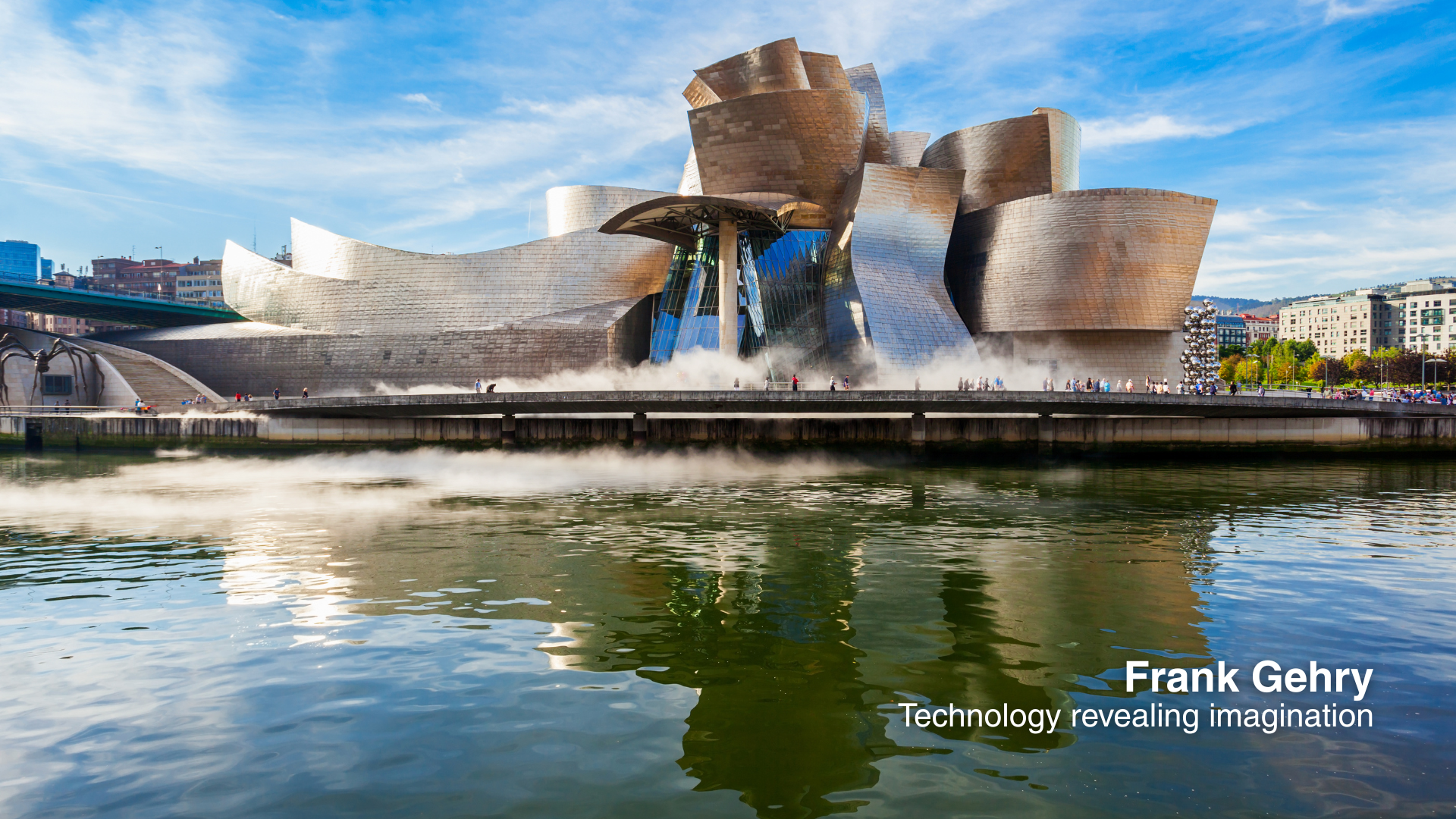
We don't remember Frank Gehry simply for what could be engineered in steel and titanium, but for the imagination those materials allowed him to express.
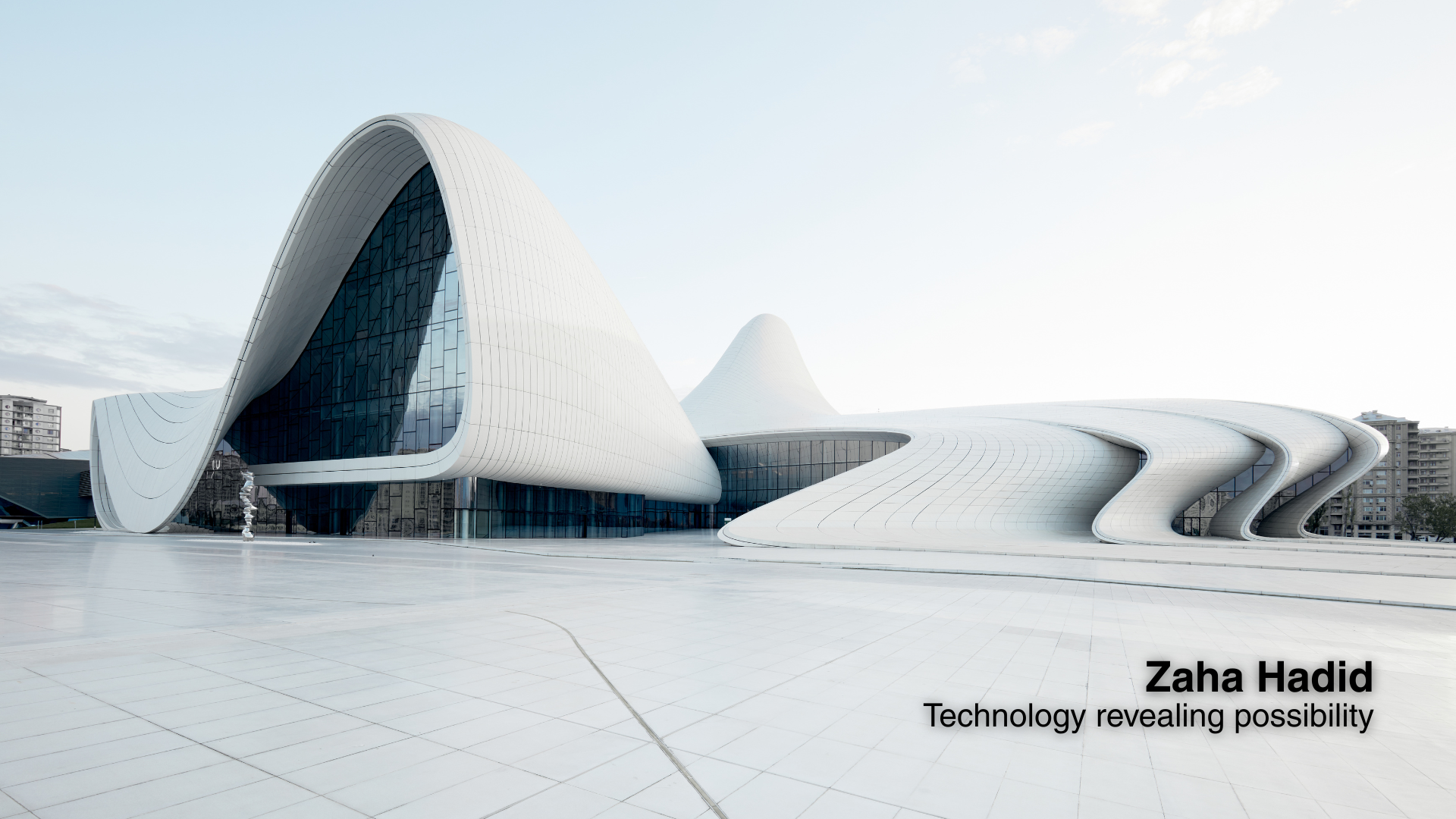
And we don't remember Zaha Hadid simply because new technologies made extraordinary forms possible. We remember the new sense of possibility her buildings gave us.
Every generation has technologies that come to symbolise its ambition.
So what will define ours?
Perhaps history will not ask us how intelligent our machines became, how much technology we built or how efficiently our cities operated.
Perhaps it will ask something much more demanding:
How much humanity did our technology unlock?
That is the question I increasingly find myself asking about artificial intelligence.
Are we asking AI the wrong questions?
Much of the conversation about AI currently sits between two extremes.
Fear: Will it take my job?
And opportunity: How much money can we make from it?
Both are legitimate questions. But I wonder whether they are too small.
Large Language Models give us extraordinary new tools for accessing, interrogating, synthesising and connecting enormous bodies of human language and knowledge. Their greatest contribution may not ultimately be that they can give us answers faster. Perhaps it will be that they allow many more people to ask questions they previously didn't have the knowledge, confidence, language or access to ask.
And that takes me back to a tomato plant.
The boy who destroyed my tomato plant
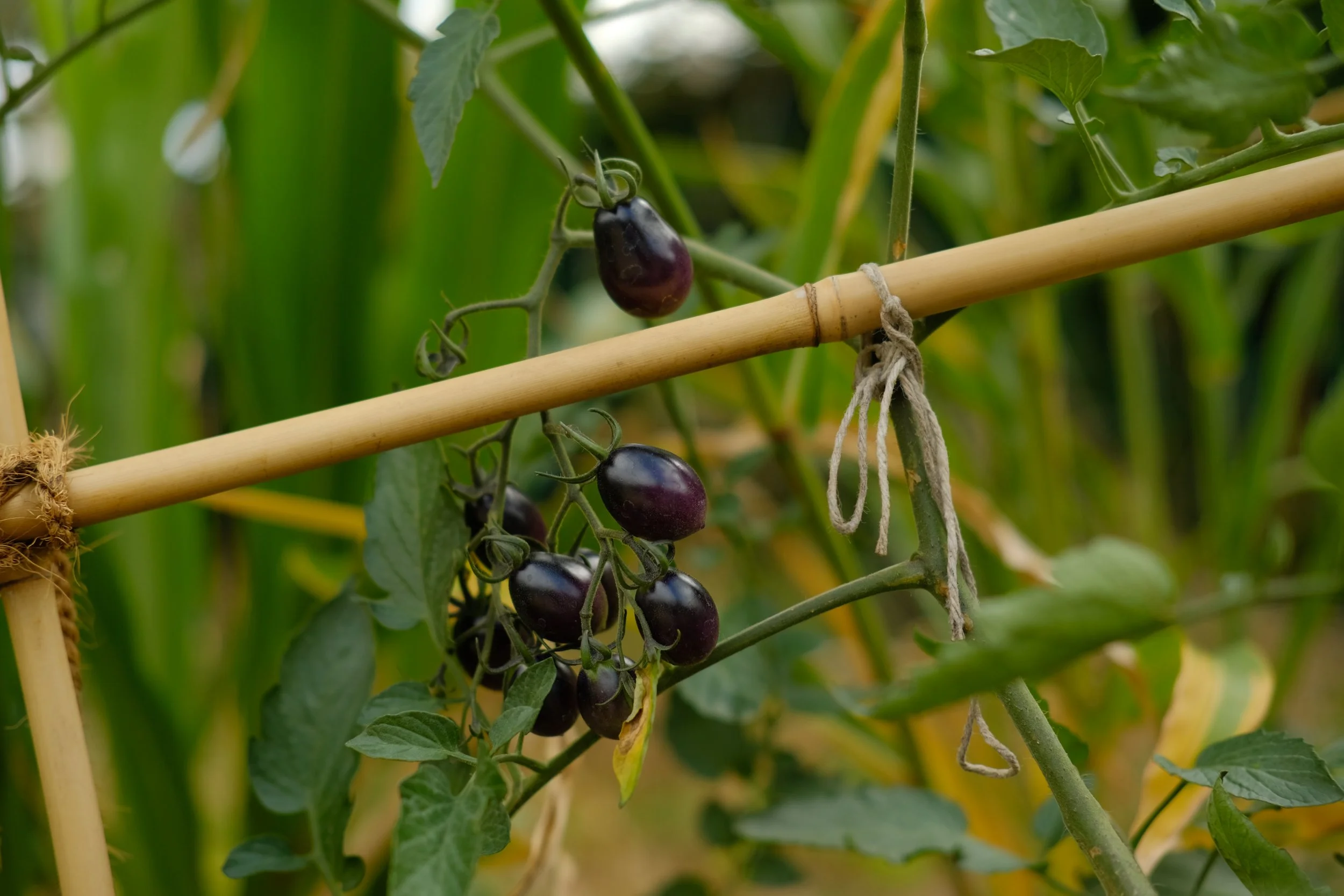
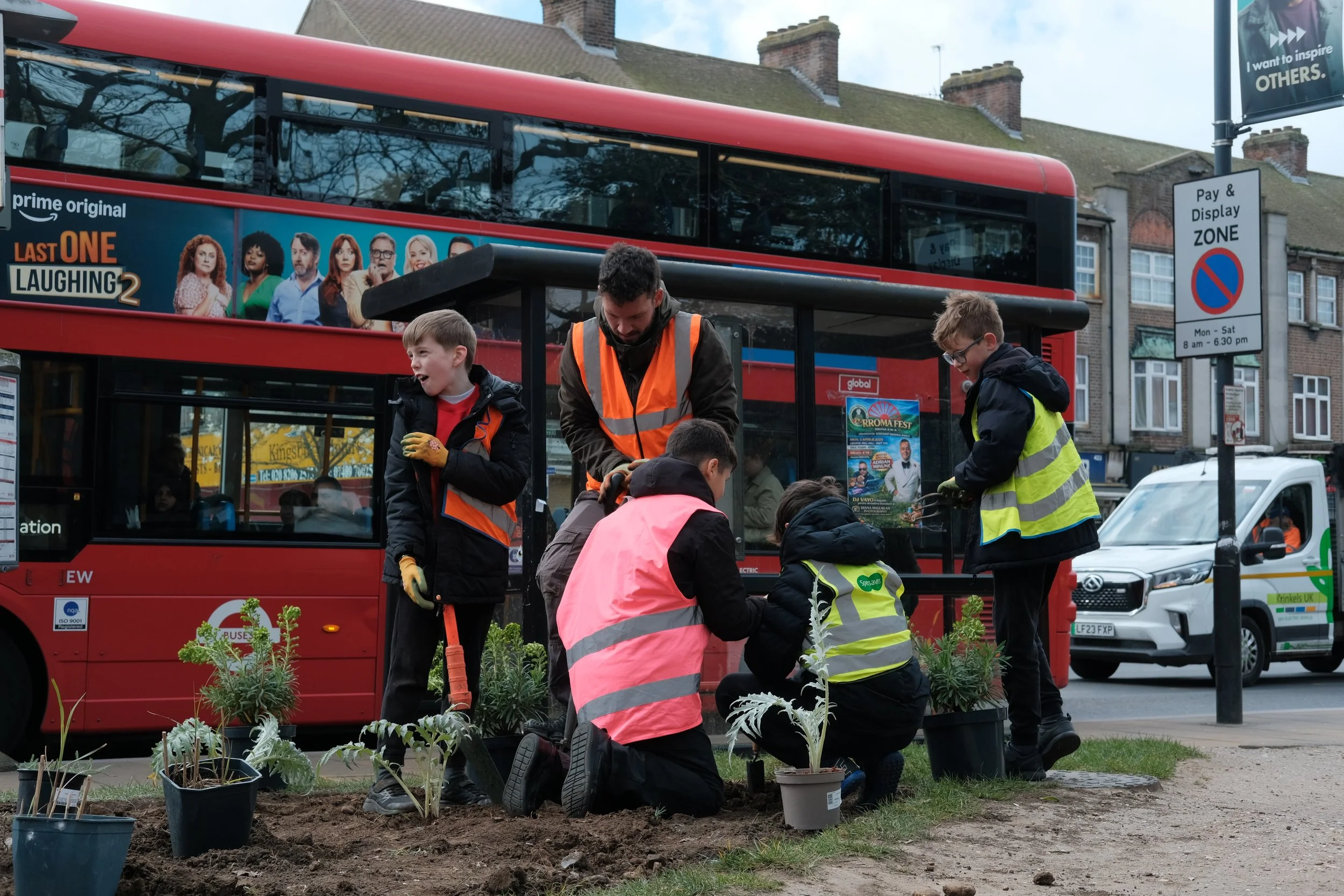
Years ago, I cleared a neglected piece of land beside a bus stop in Brixton. It was full of discarded furniture, rubbish and cigarette ends. I dug it over and planted vegetables. I thought I had done something good.
Then one day I saw a boy of about ten staring at one of the tomato plants. For a moment I thought he was having some profound connection with nature. Then he raised his foot and stamped on it.
Again.
And again.
My immediate reaction was anger.
Look what I've created here. Why are you destroying it?
But I stopped myself.
I walked away, bought the bread I'd gone out for, and when I came back he was still there. And suddenly I recognised him. When I had been about ten years old, struggling with circumstances and frustrations I couldn't control, I had once taken a bat to an enormous bed of flowers. I realised that this boy wasn't some problem I needed to solve.
He was me.
And then I realised something even more uncomfortable.
I had supposedly created this garden "for the community".
But I had never asked him.
I hadn't asked his family.
I hadn't asked my family.
I hadn't asked the surrounding families.
I had created my solution to their problem.
So instead of telling him off, I asked:
"Do you like tomatoes?"
He immediately said he hadn't done anything."No. I'm asking if you like tomatoes."
Not particularly."Do you like pizza?"
Yes.
Suddenly we had a conversation.
He told me about making pizza with his grandmother. We talked about tomatoes and wheat and what we might grow. Then we brought his family, my family and our neighbours together. We closed the street. We shared food.
And instead of gathering everyone around a predetermined problem, we asked:
What do we have in common?
What do you love?
What would you change?
What could we create together?
That experience fundamentally changed my understanding of community.
I had to move from me to we.
The power of an invitation
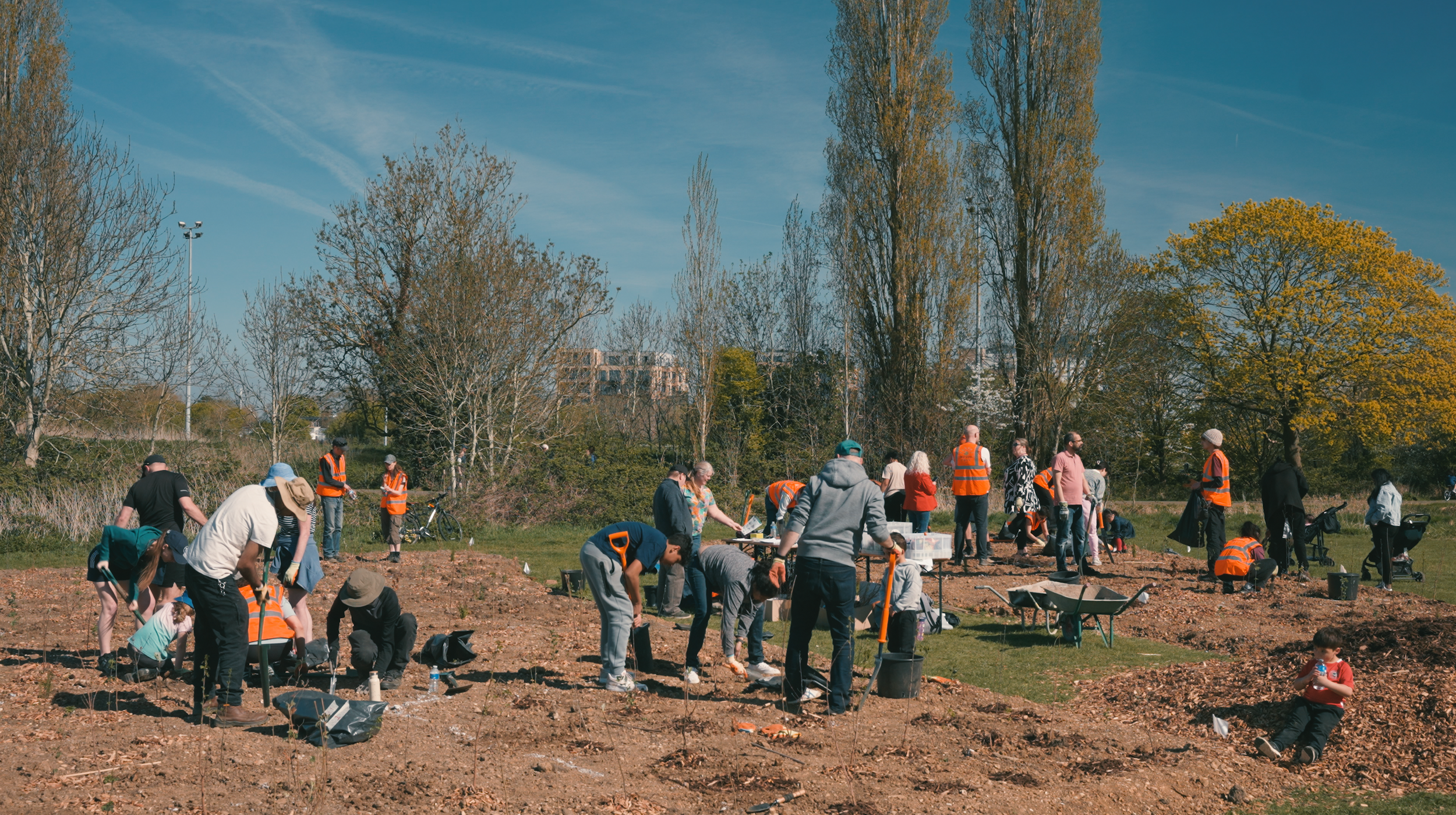
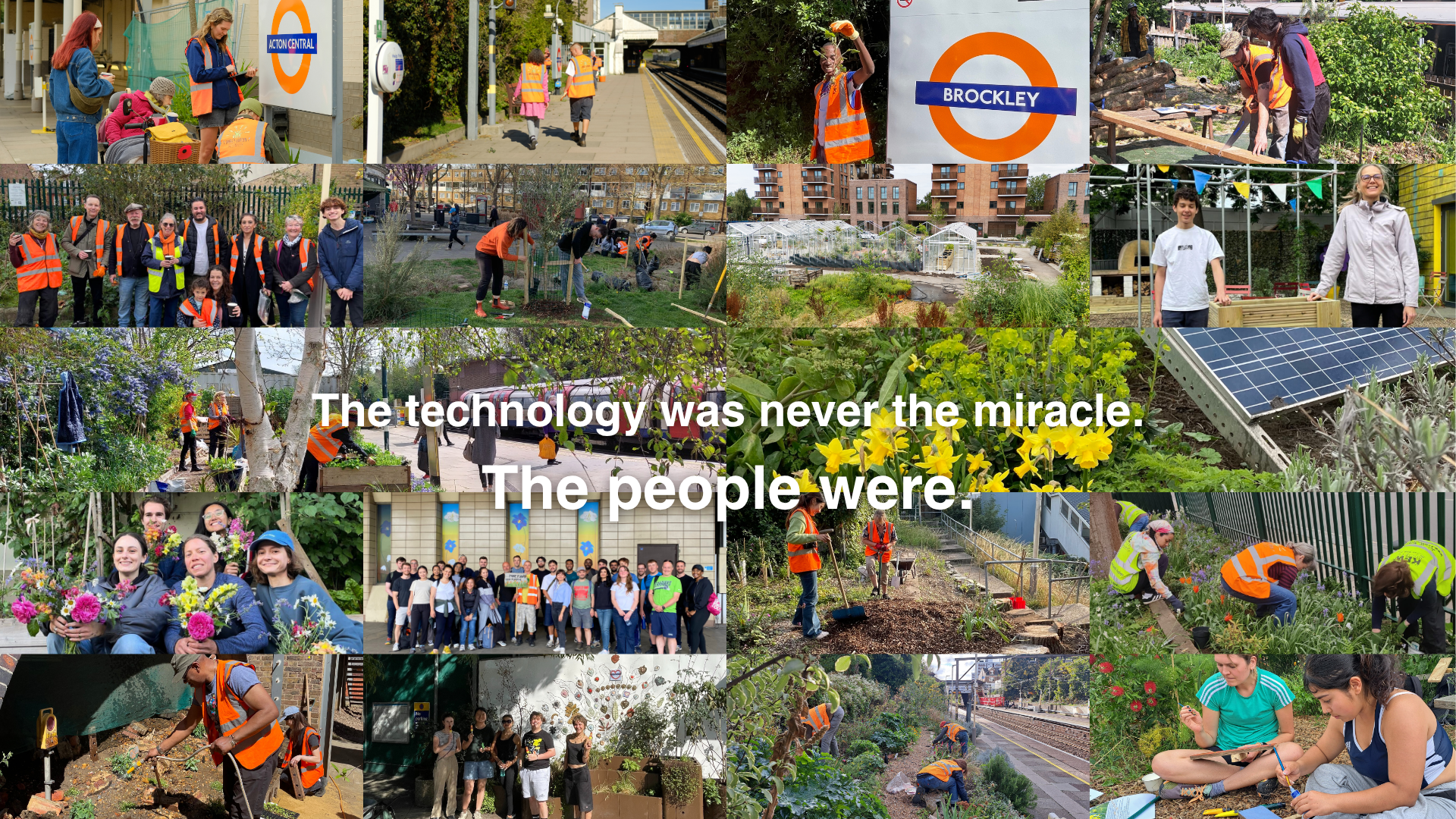
I came to realise that many people we describe as "disenfranchised" have simply never been invited. Nobody invited that boy to design his street. Nobody invited him to decide what should be planted. Nobody invited him to watch a seedling become a plant, or a plant produce food. Participation requires an invitation. And ownership changes what happens after the invitation.
When people genuinely feel that something belongs to them, they participate differently. They steward differently. They invest their energy differently. They become part of something larger than themselves. That insight eventually became central to the cooperative energy projects I helped create.
Community ownership isn't simply a different financial mechanism. It is a mechanism for agency.
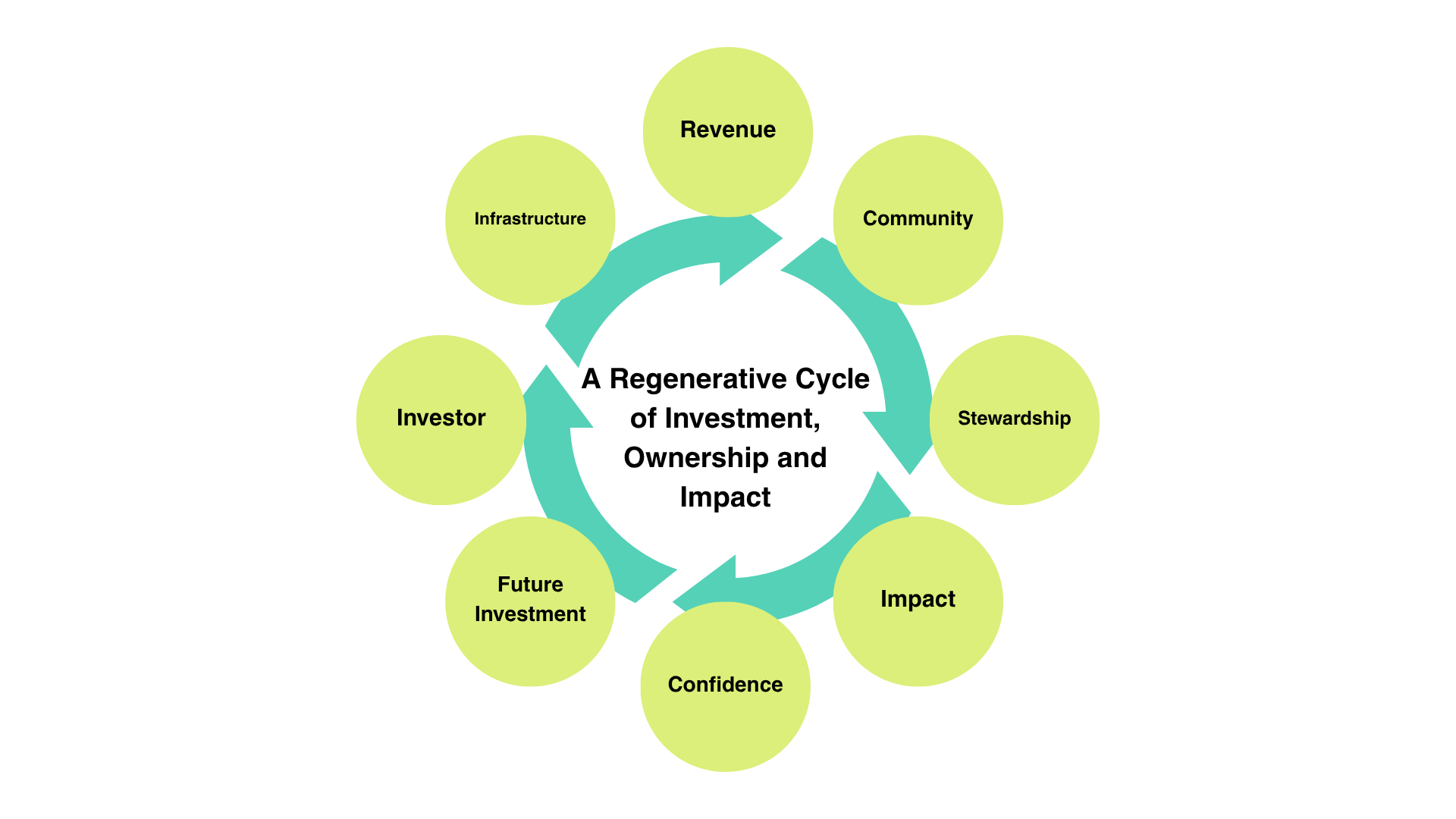
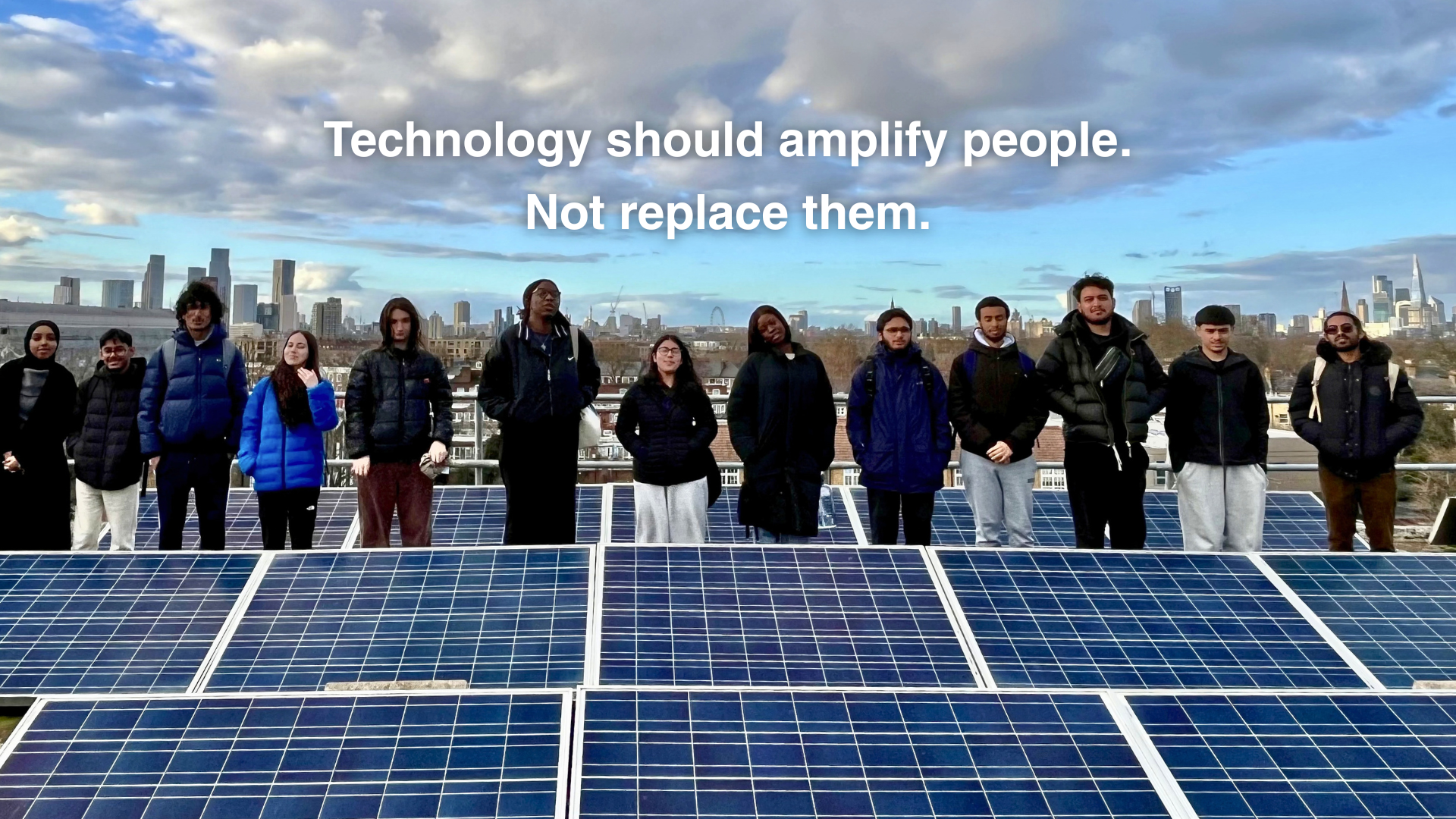
Someone investing £50 and someone investing £50,000 can each have a voice. The infrastructure becomes something people can physically see themselves shaping. Technology becomes a means of participation rather than something simply done to them.
What would Yoda ask?
During the podcast I found myself making a Star Wars analogy. The running joke about Yoda is that instead of simply giving people answers, he turns things back into questions. There is something profound in that.
The moment I arrive believing I already know the solution, I have probably made two assumptions:
I have assumed what your problem is.
And I have assumed what your answer should be.
What happens instead if we ask:
What ails you?
What sits heavily on your shoulders?
What brings you joy?
What do you want?
And then listen.
Good communities can flow around problems like water rather than repeatedly smashing themselves against them. Perhaps AI gives us an extraordinary new opportunity to do something similar.
AI as an invitation
We can build AI that simply makes today's systems faster. We can use it to reduce costs, automate jobs, optimise advertising, increase productivity, and generate extraordinary wealth. Some of that will undoubtedly happen. But there is another possibility.
What if AI gives millions of people an invitation into systems that previously felt inaccessible?
What if someone can understand their energy bill?
Challenge a planning proposal?
Explore a scientific paper?
Develop a business idea?
Understand a legal document?
Learn from another culture?
Express an idea they struggled to articulate?
Ask a better question?
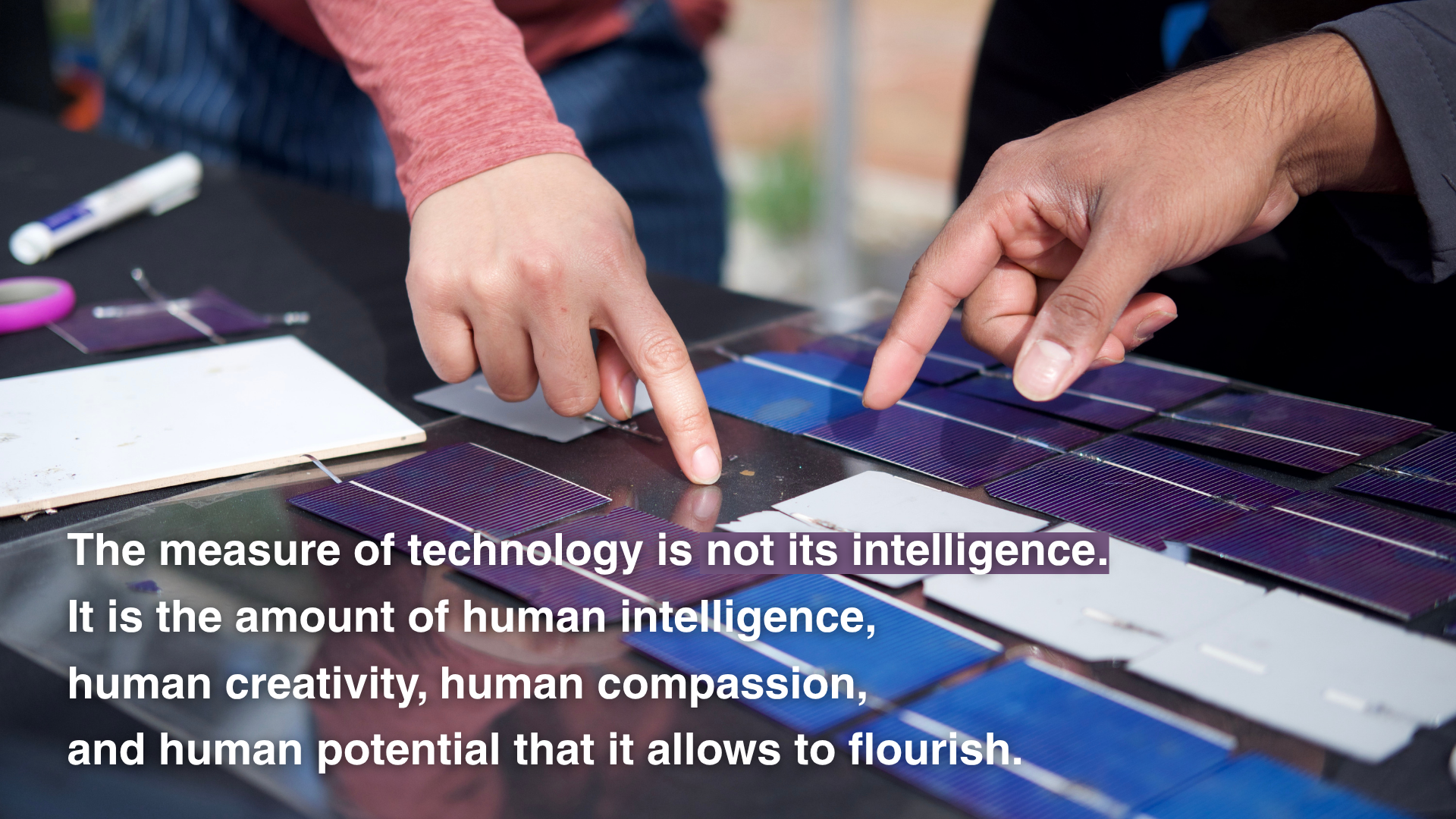
Technology has always amplified something. The important question is what we choose to amplify.
From smart cities to socially smart communities
Barcelona was a particularly beautiful place to think about this.
Gaudí is remembered not simply because he understood the technology and materials of his age. He used them to express something profoundly human. His architecture asks us to feel, move, look, gather and experience the city differently. The same should be true of the technologies shaping our cities today.
A technologically sophisticated city is not necessarily a socially intelligent one. The question isn't simply whether its infrastructure can sense, calculate and optimise. The question is whether the people living within it have greater agency, ownership, participation and belonging as a result.
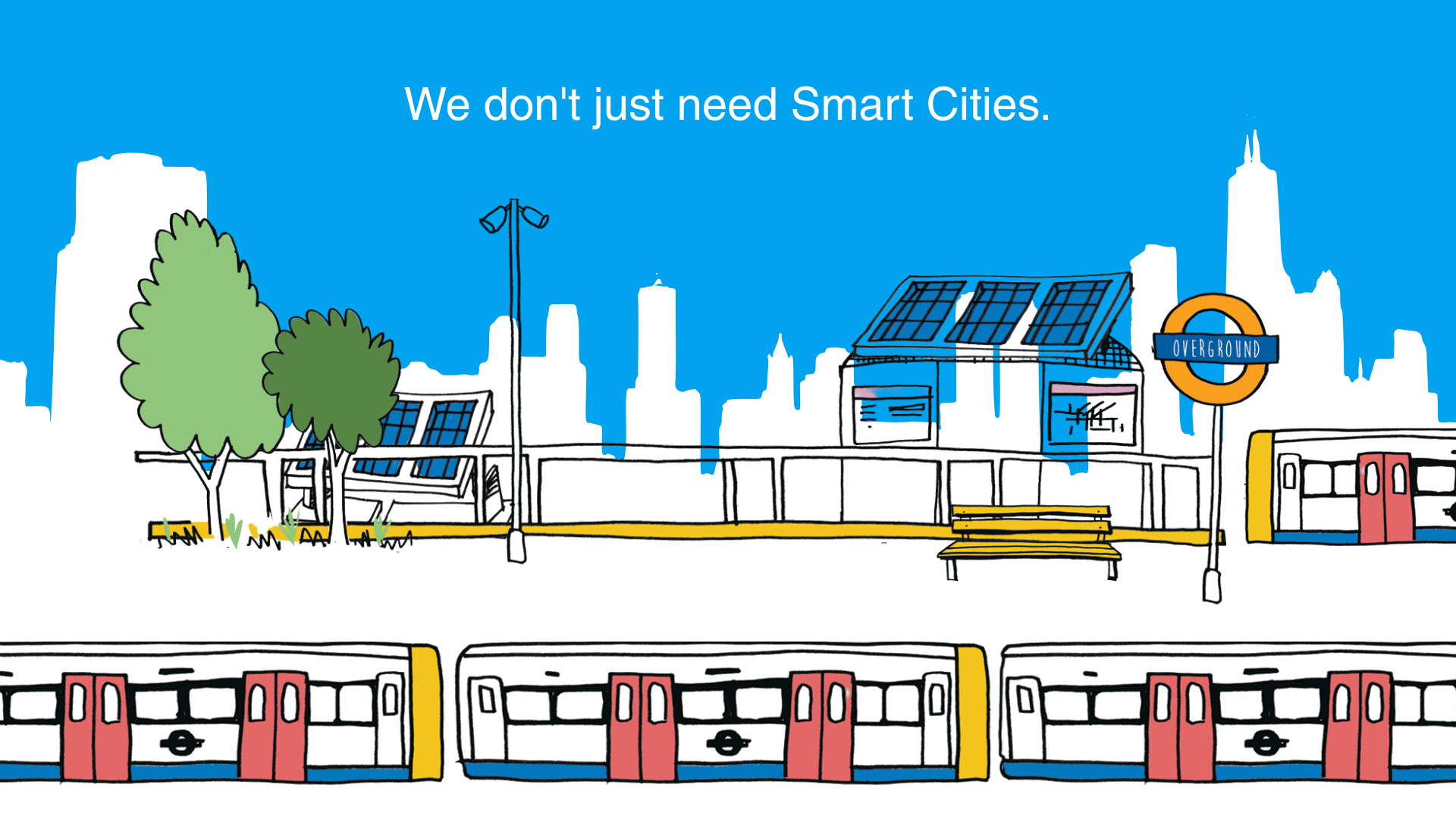
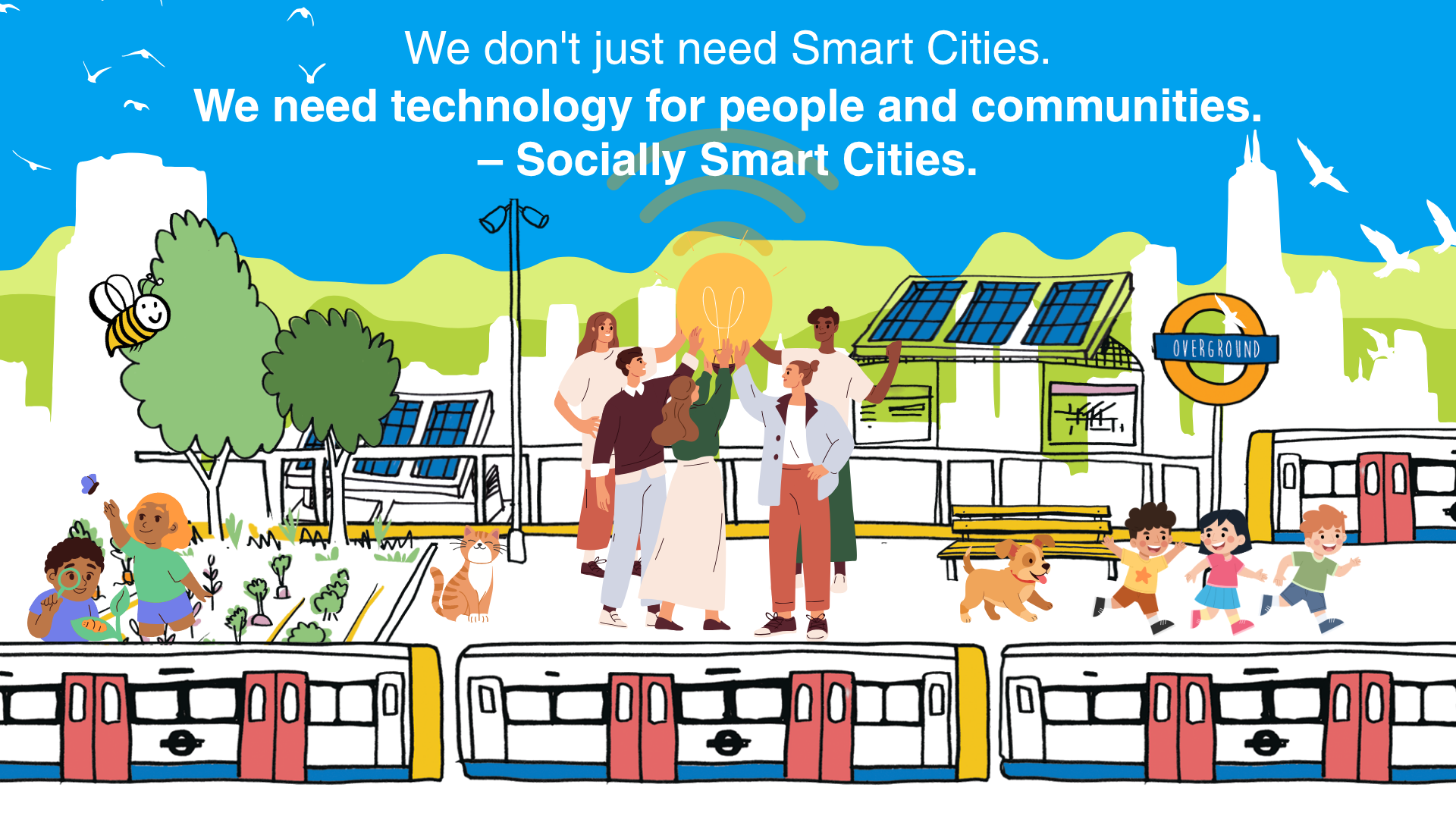
I am increasingly less interested in whether a city is "smart". I want to know whether its people have agency.
Can they participate?
Can they belong?
Can they own?
Can they create?
Can they care for one another and the places around them?
That is what I mean by a socially smart city.
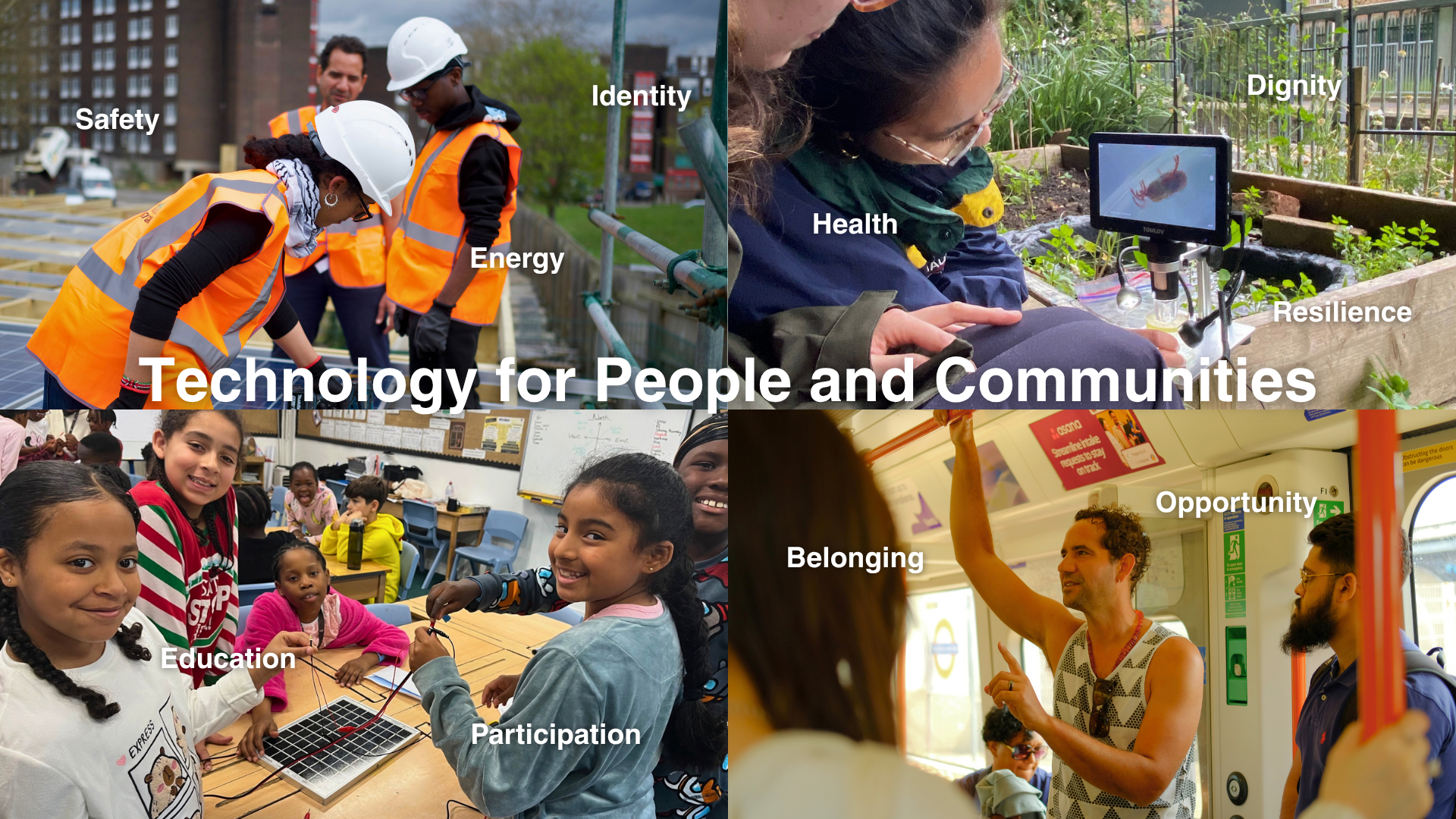
Start with five people
At the end of the Still Rolling conversation I was asked what advice I would give a young person anywhere in the world who wanted to begin this kind of work.
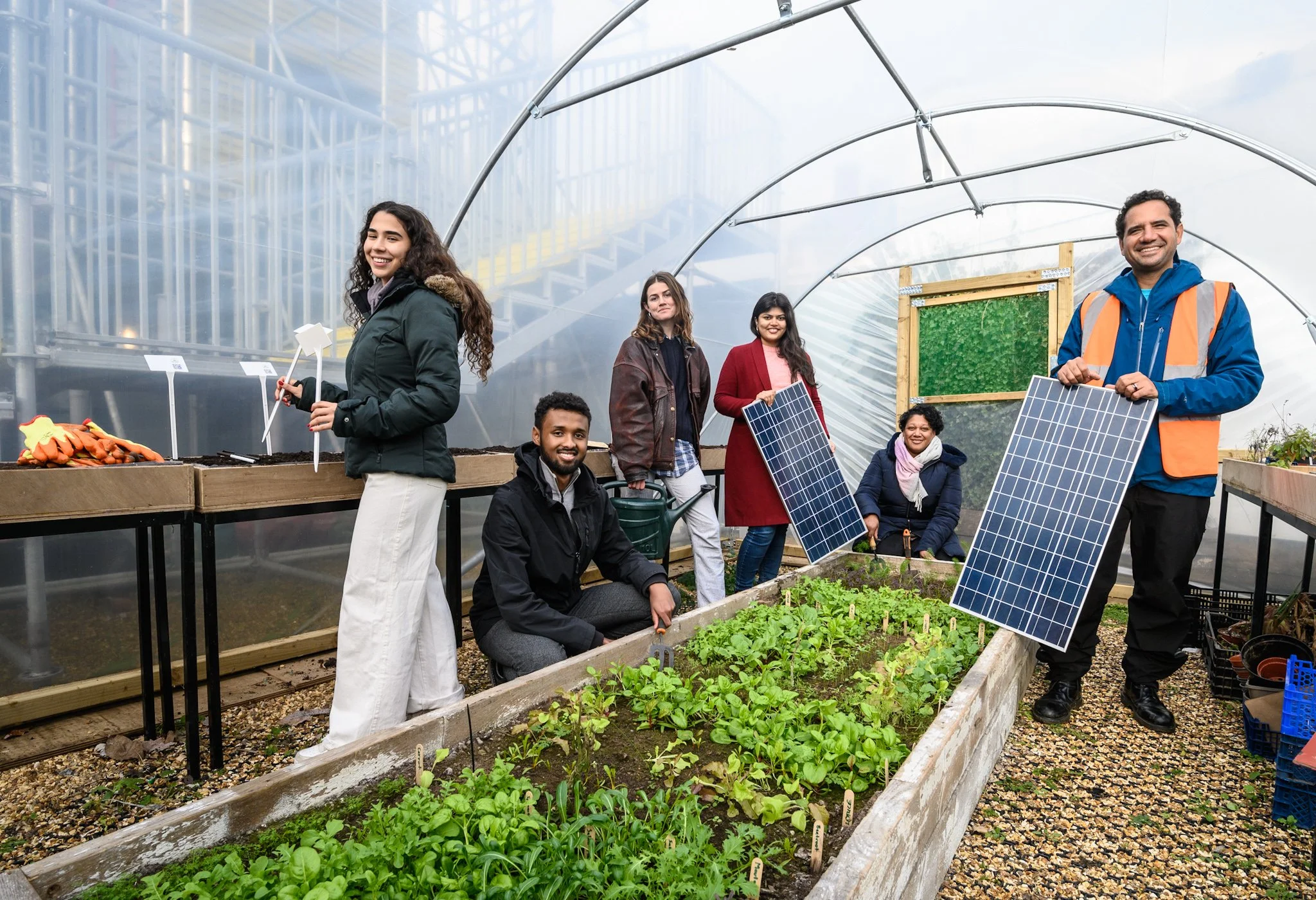
My answer was simple:
Don't start with the technology. Start with people.
Find five people who care about a place.
Have a conversation.
Share a meal.
Ask what they love.
Ask what they would change.
And don't lose hope in asking.The future of AI will involve extraordinary technical questions. But its deepest questions are still human ones:
Who gets invited?
Who participates?
Who owns?
Who has agency?
What ails us?
What brings us joy?And perhaps most importantly:
What can we create together?The future will not be built by the smartest technology.
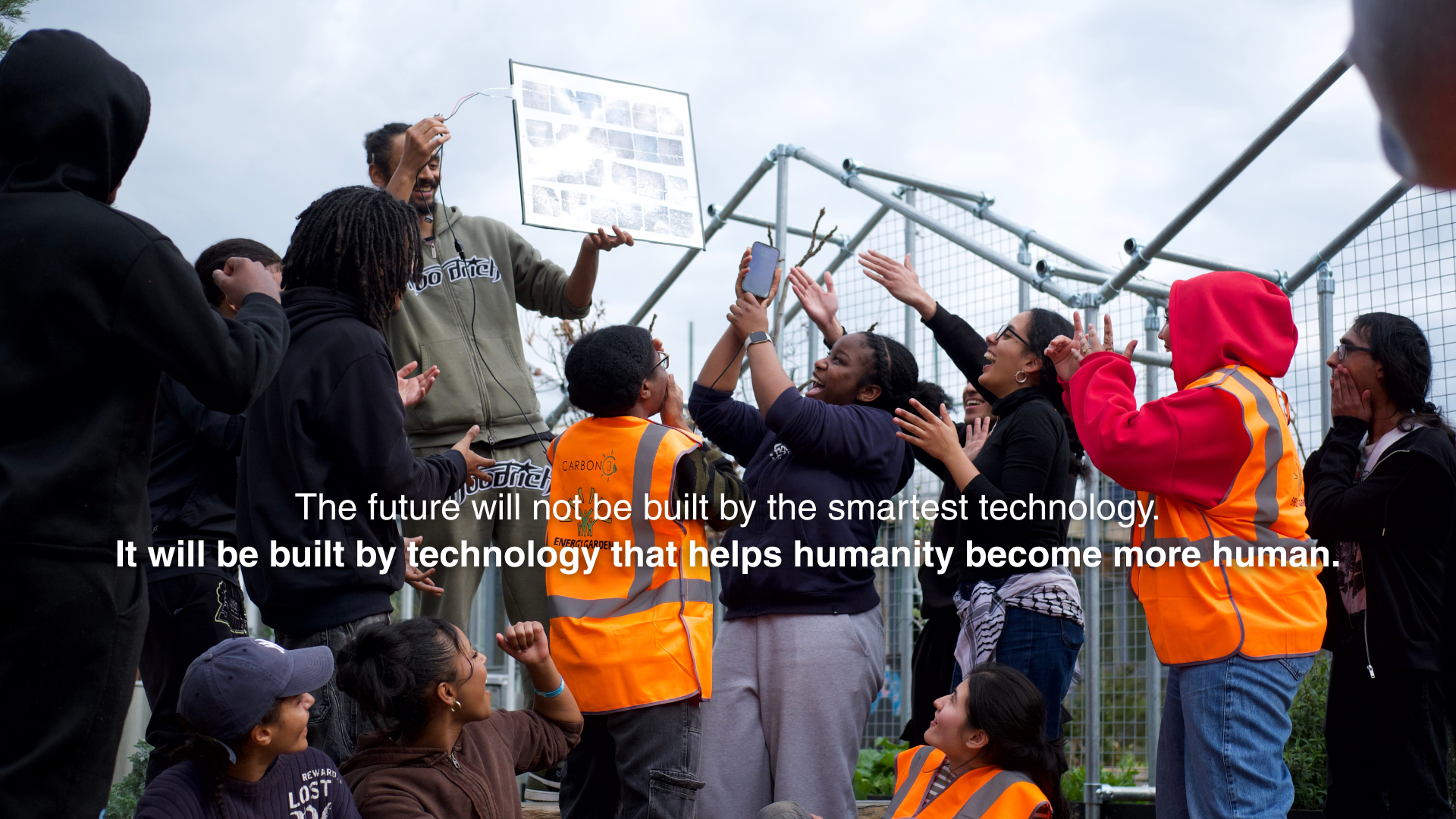
It will be built by technology that helps humanity become more human.