
What We Took to Boomtown, and What We Brought Home
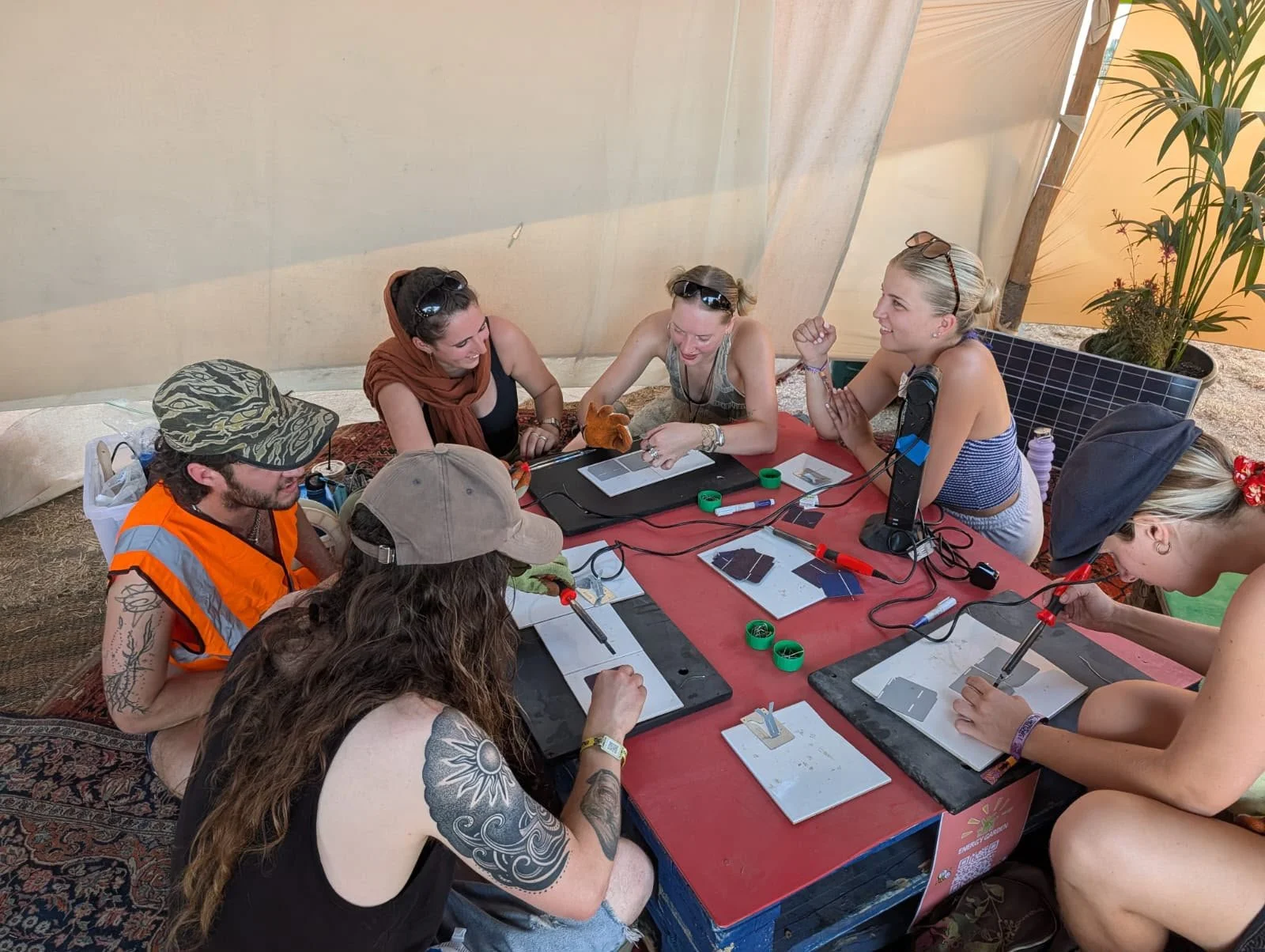
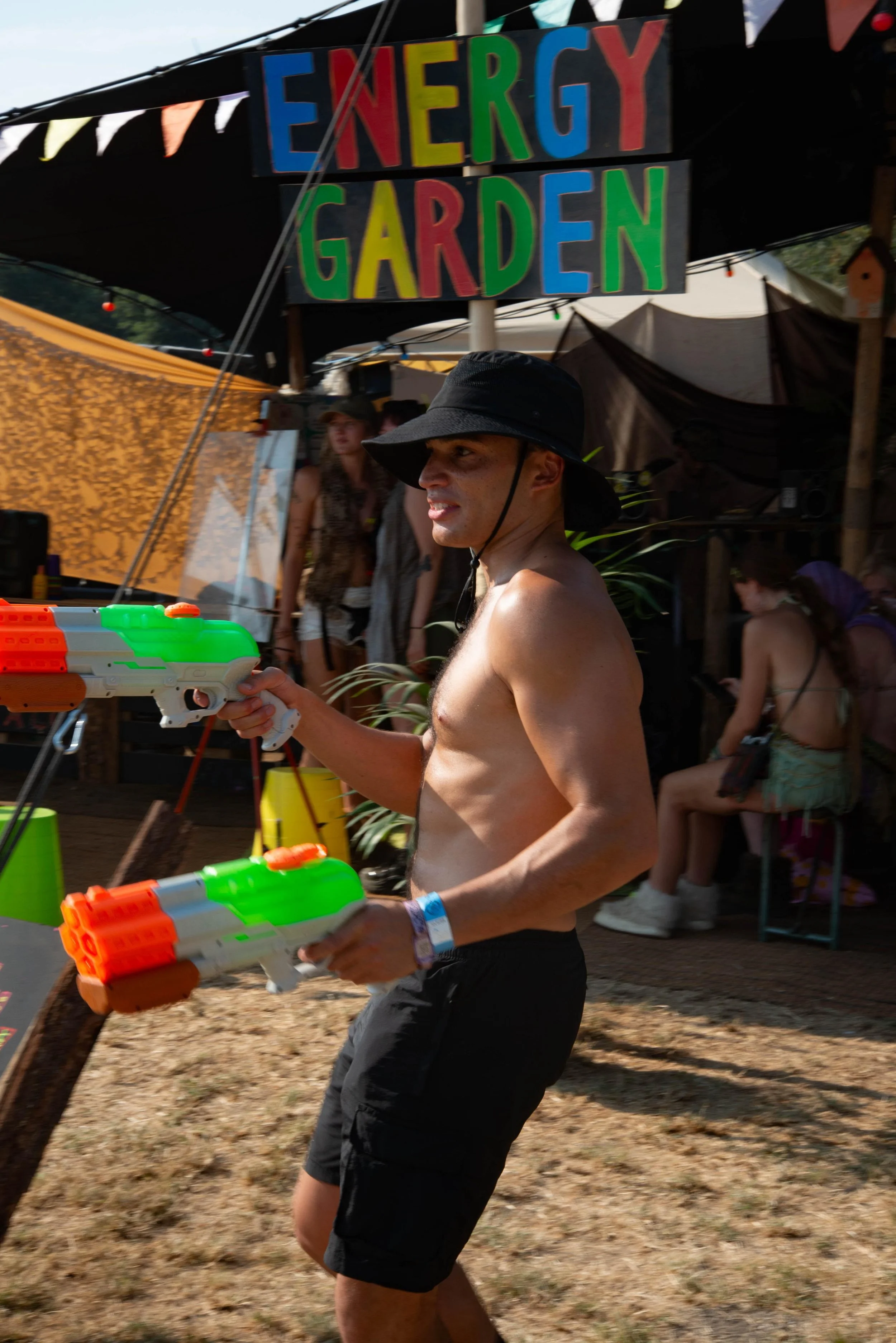
This summer, Energy Garden returned to Boomtown for our second year in a row!
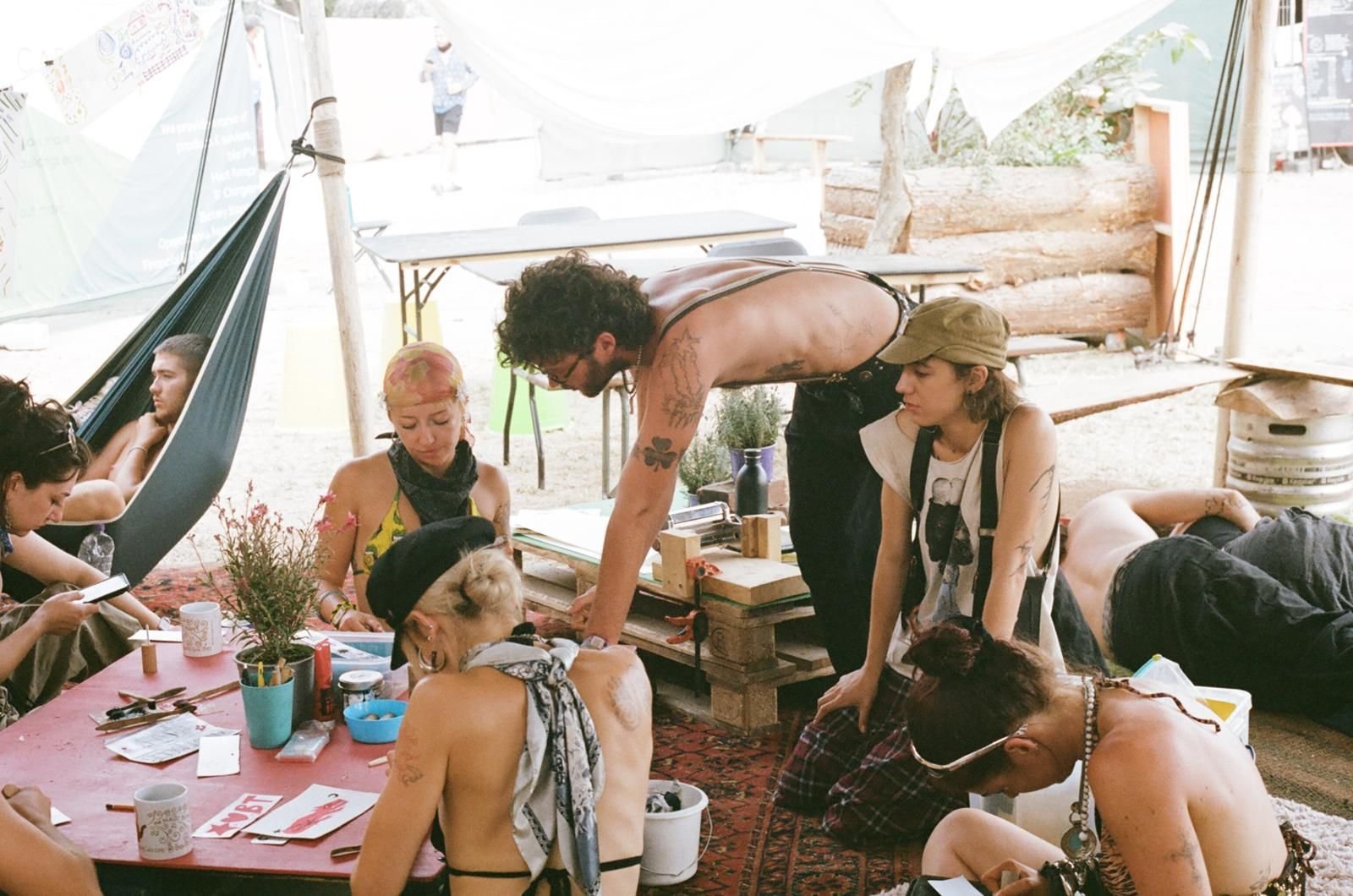
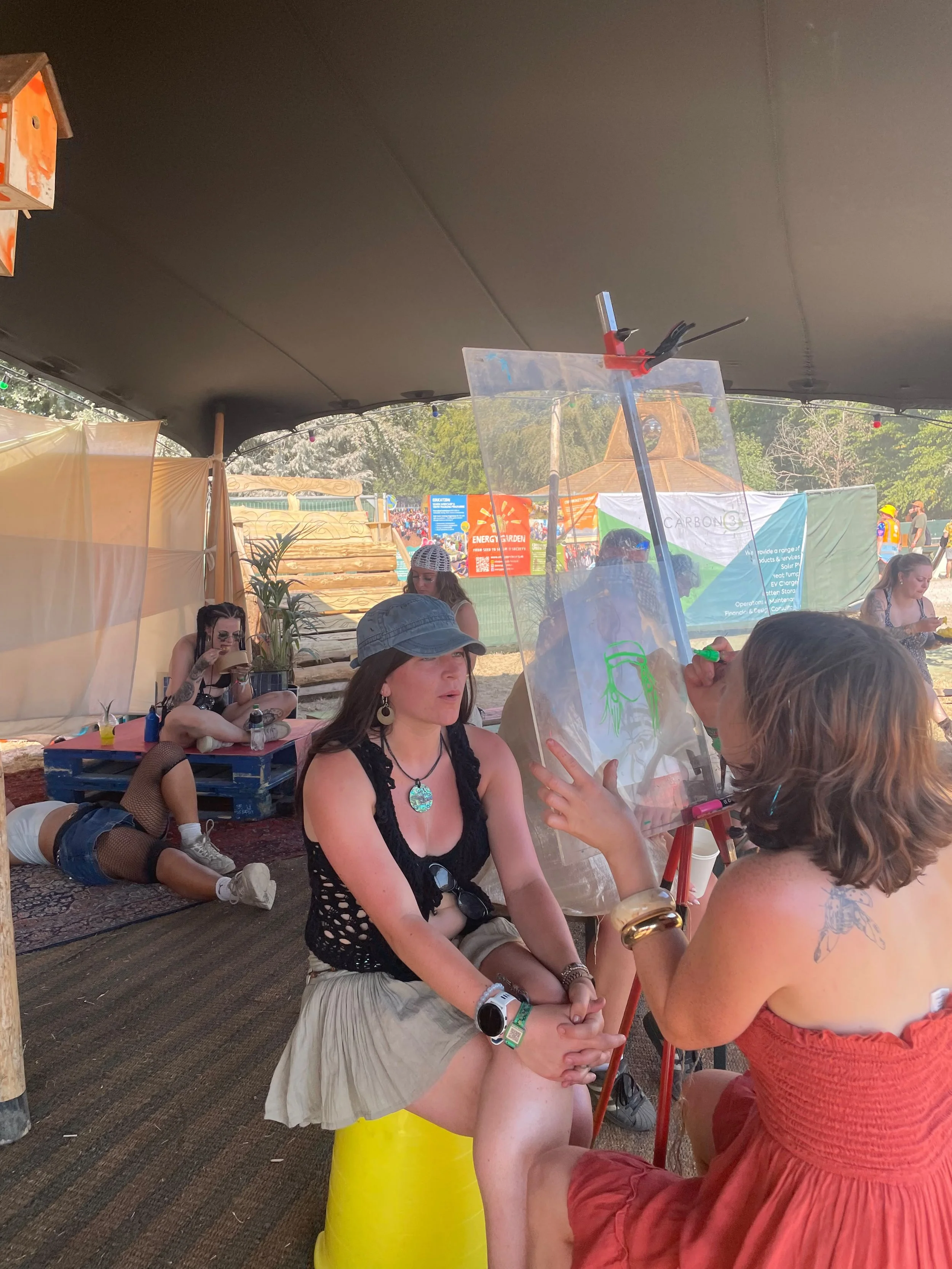
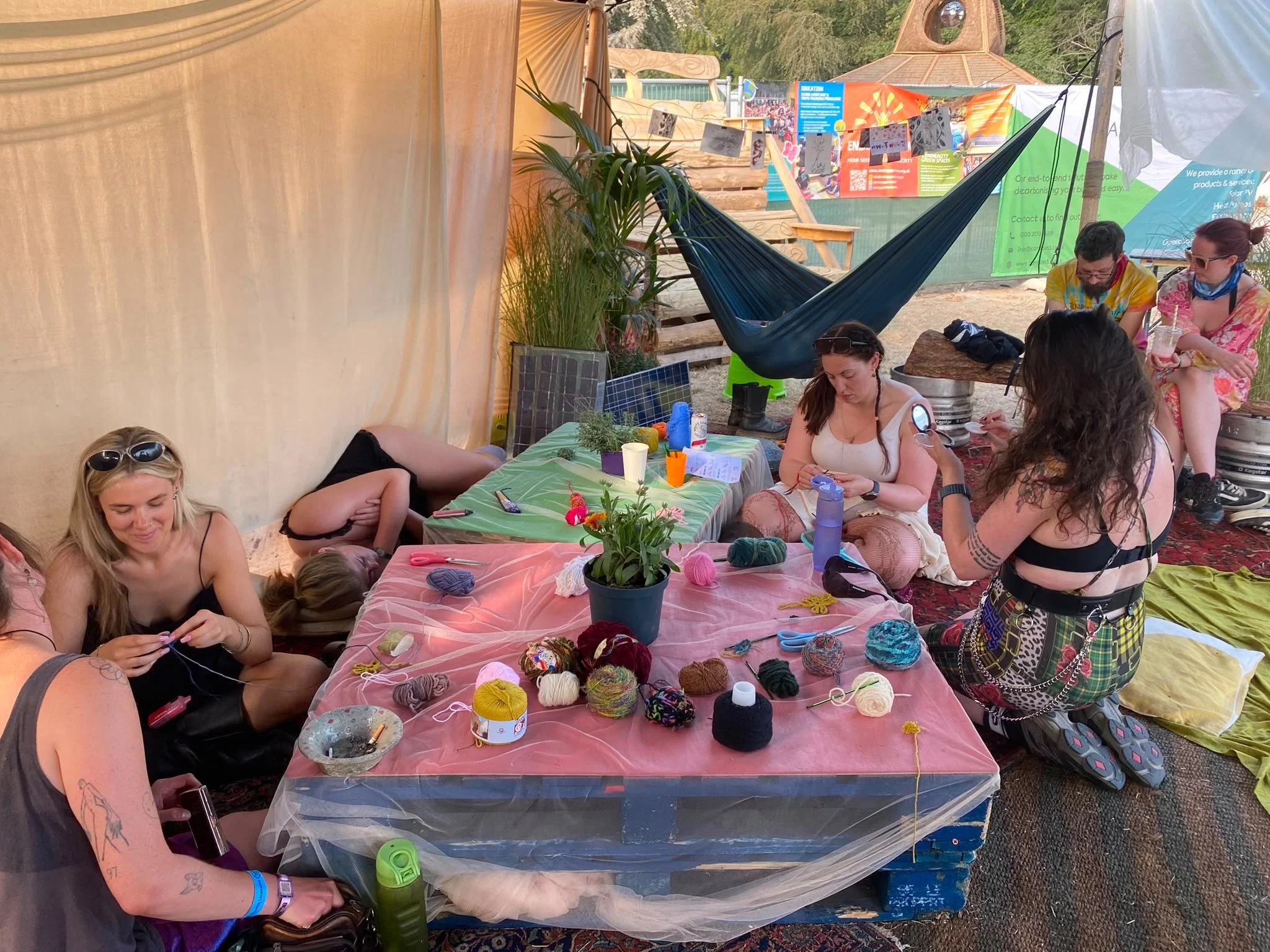
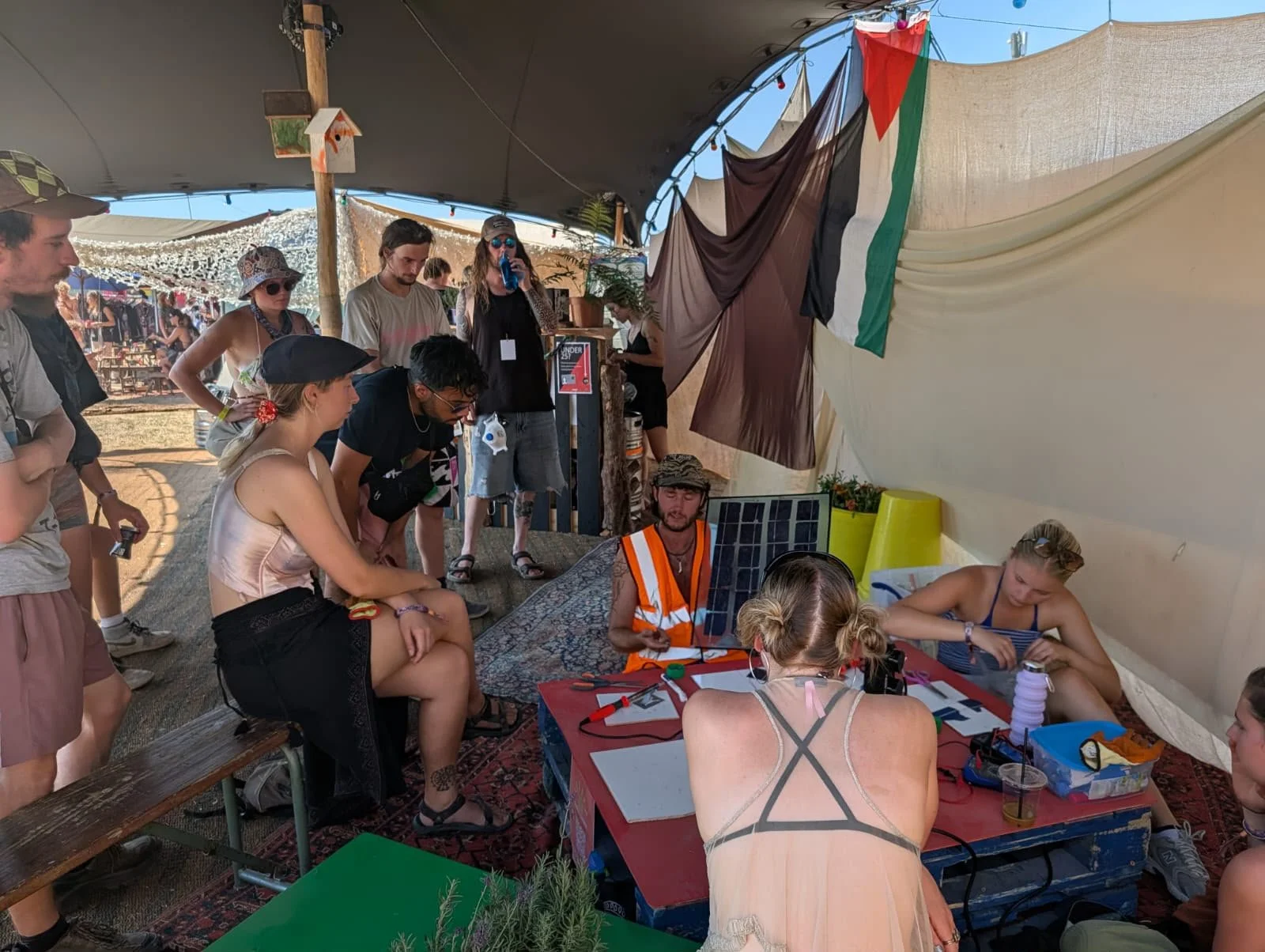
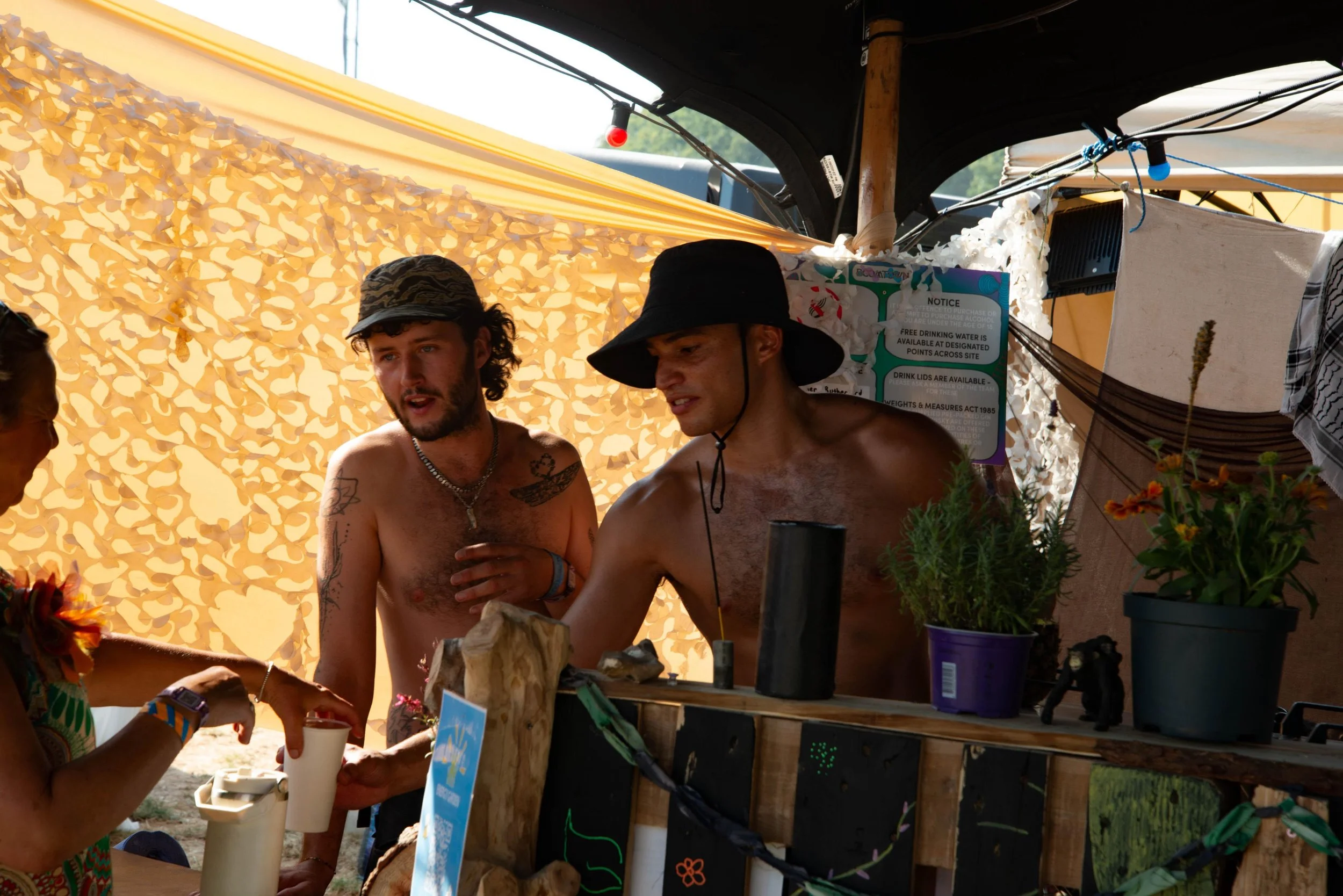
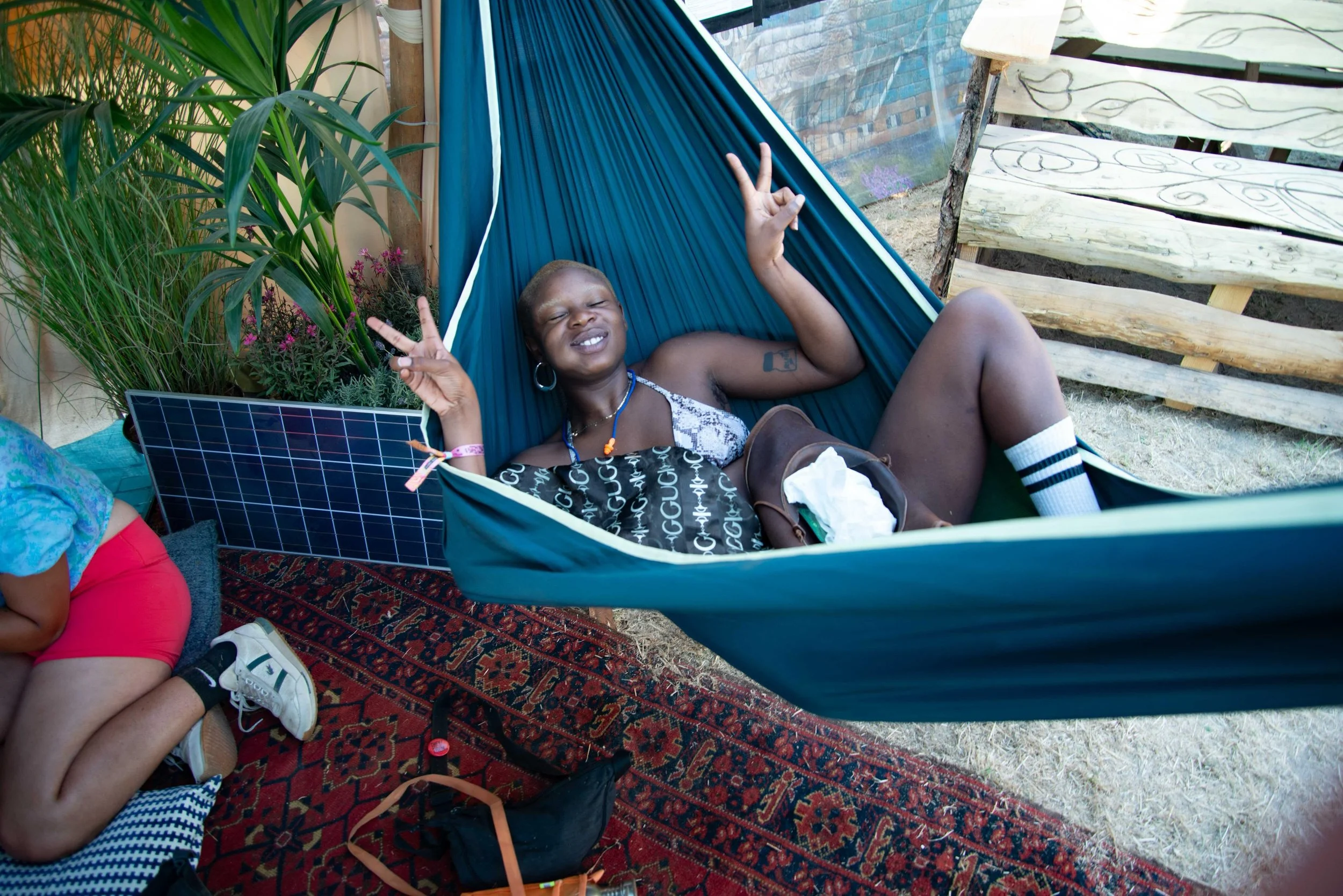
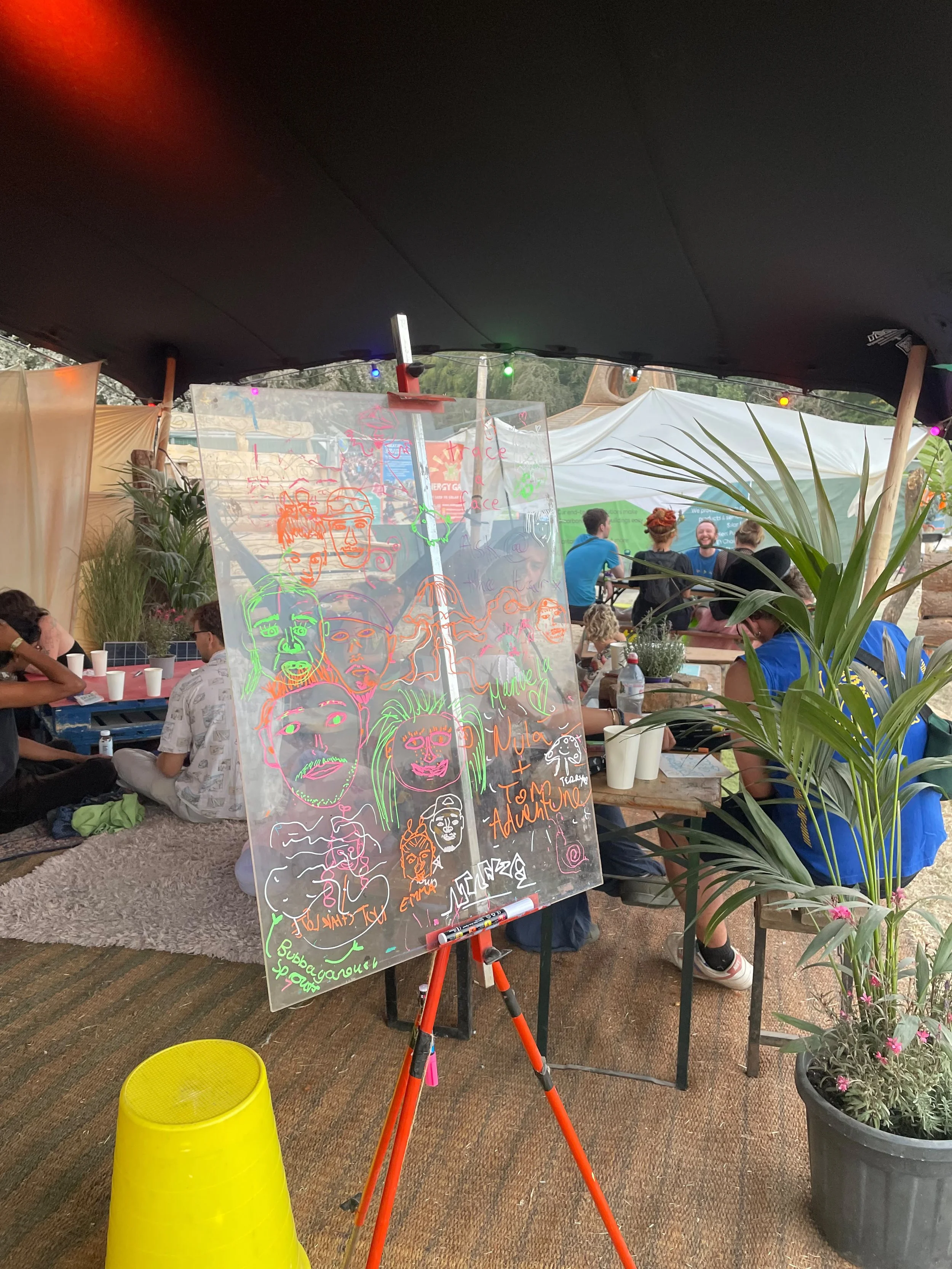
Across the weekend, crowds of revelers enjoyed the comfort of our tent. We ran free solar panel-making workshops alongside garden and nature-inspired activities, engaging people in mindfulness amidst the sprawling chaos of Boomtown.
We also brought kegs of Energy Garden Pale Ale, brewed using hops harvested from community gardens across our London network. The beer went down particularly well, with many festivalgoers coming back daily for their “favourite pint on site”!
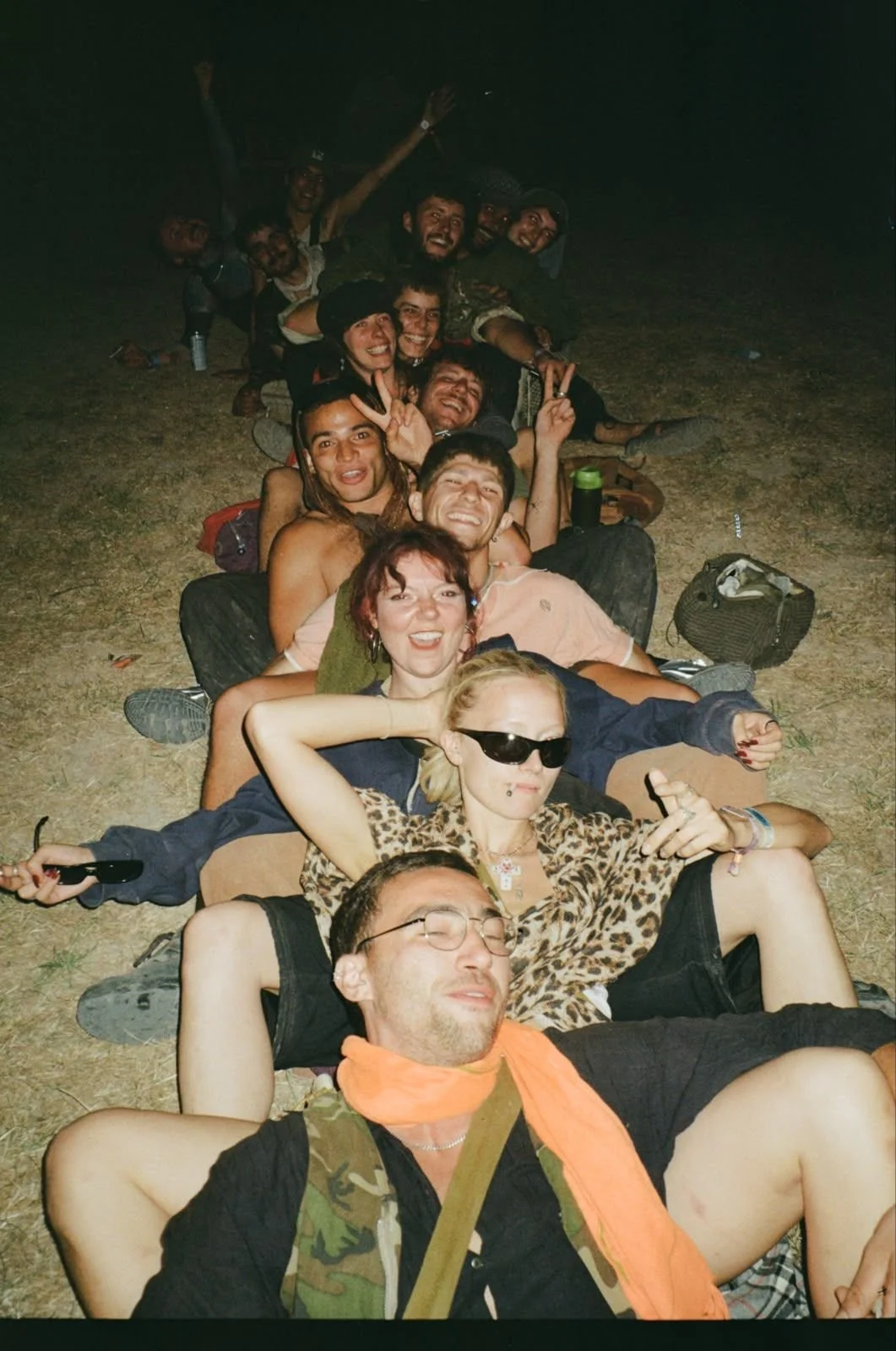
At the beginning of August, as the rest of the Energy Garden team were busy keeping the gardens thriving through the peak of a heatwave, Callum our engagement whizz was handed the responsibility to coordinate the 18 strong crew of friends and facilitators, creating a mini Energy Garden community in the fields of Wiltshire.
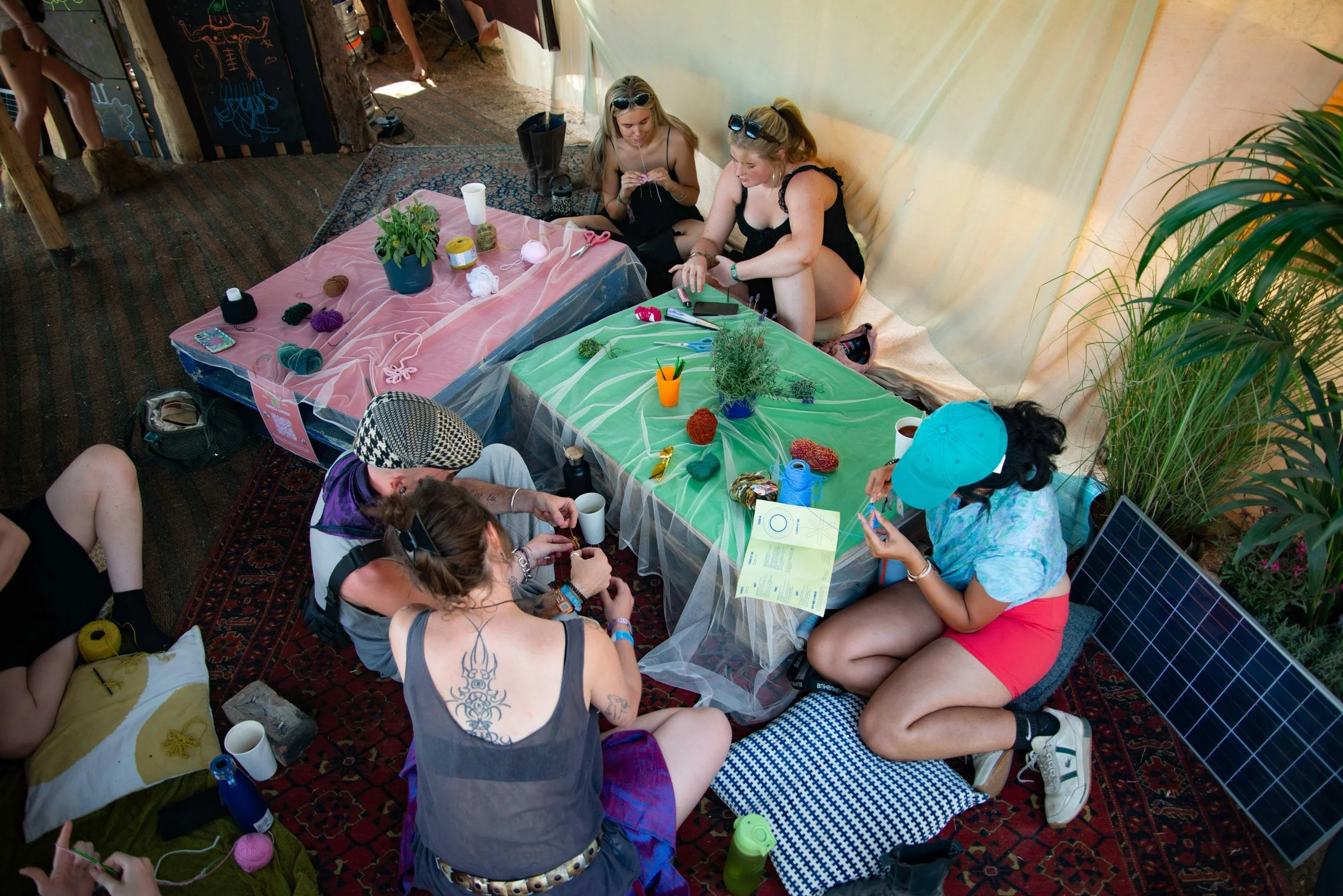
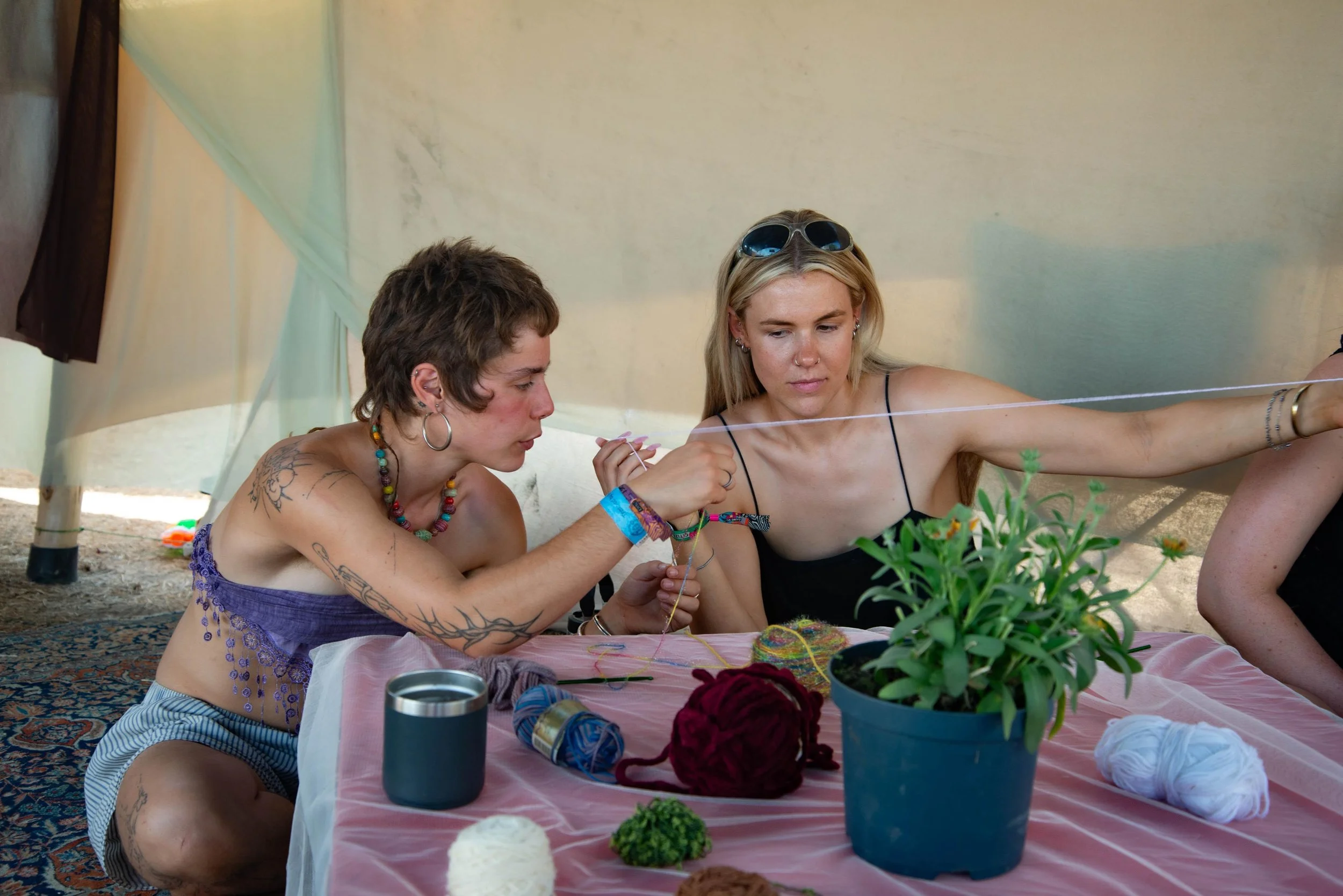
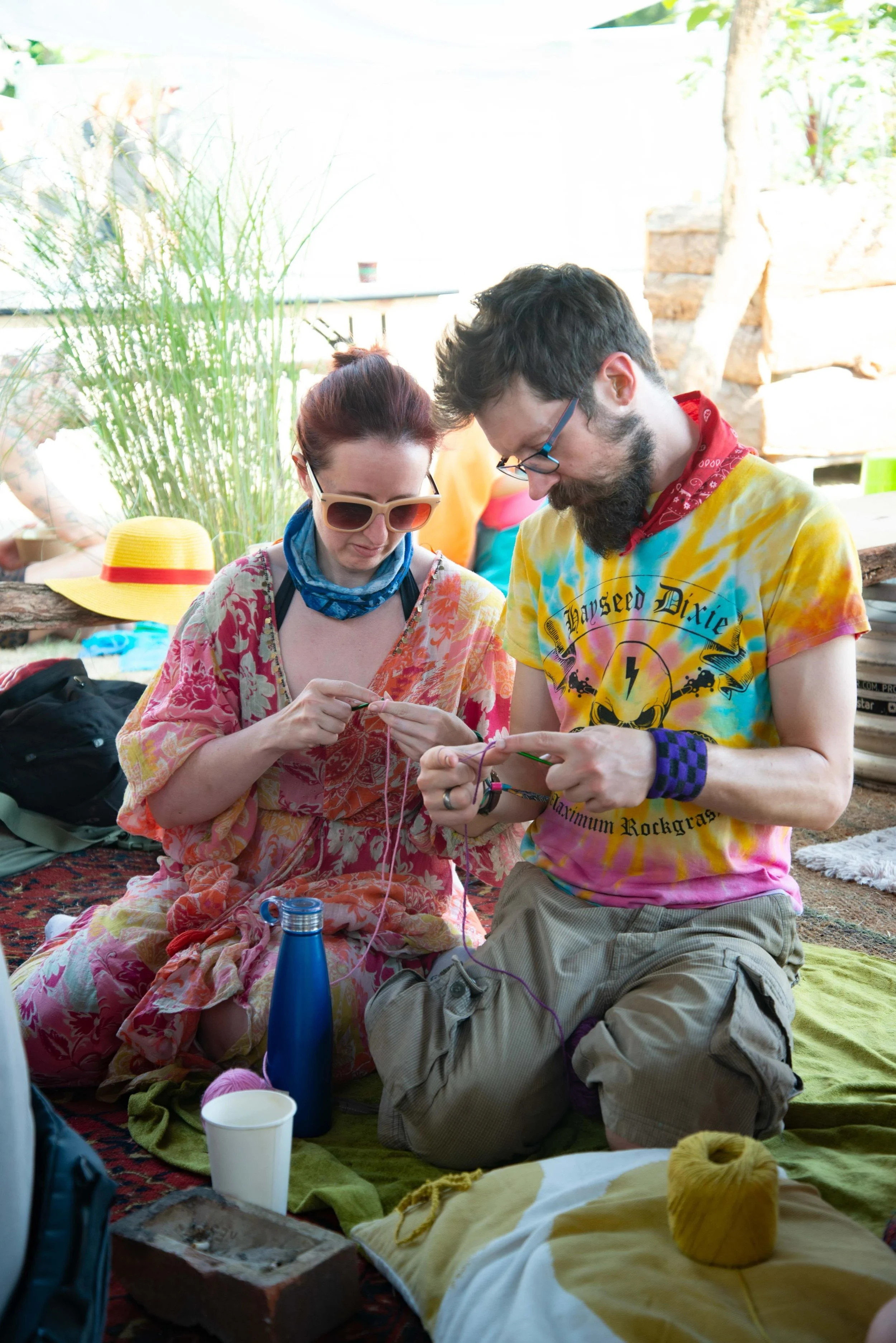
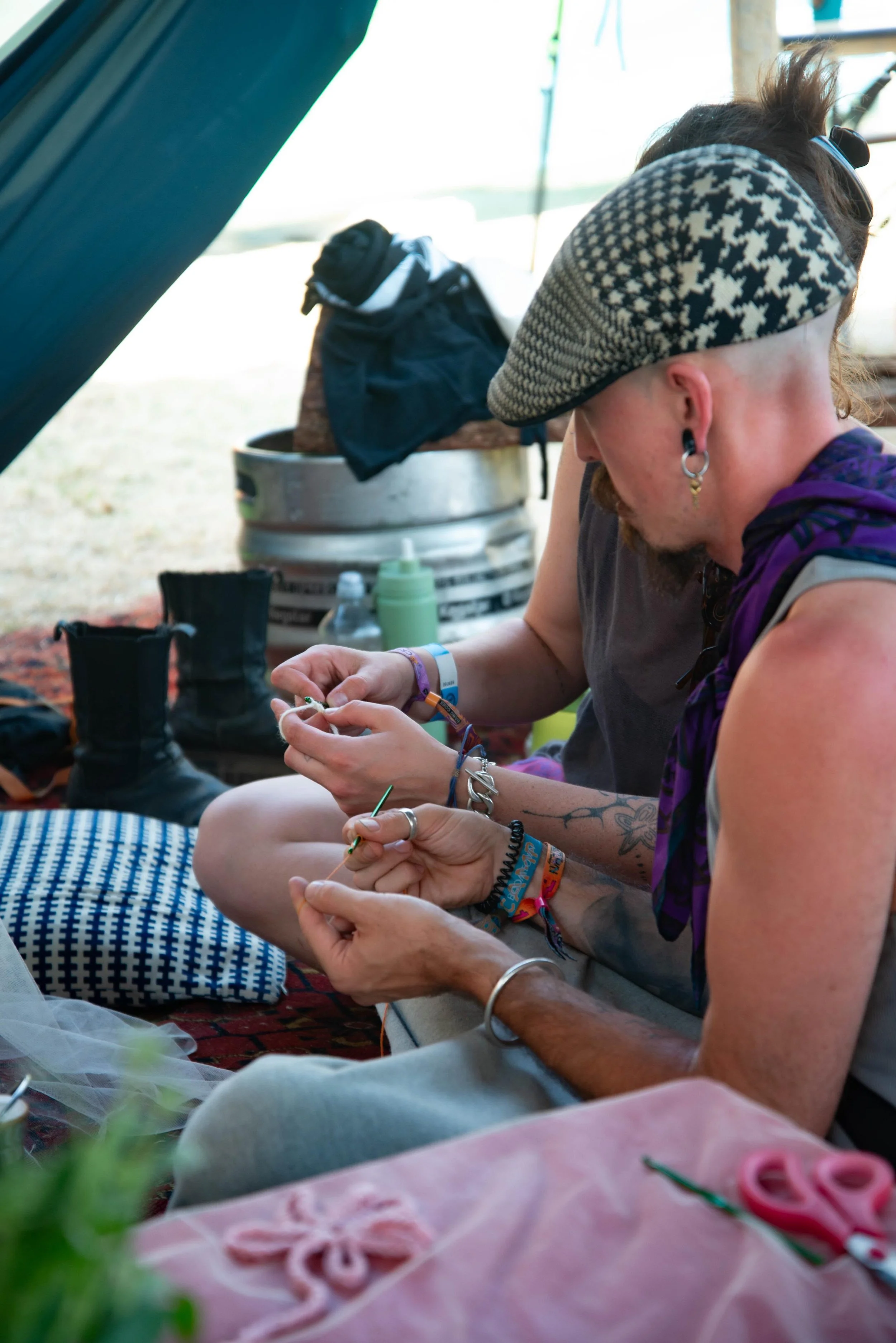
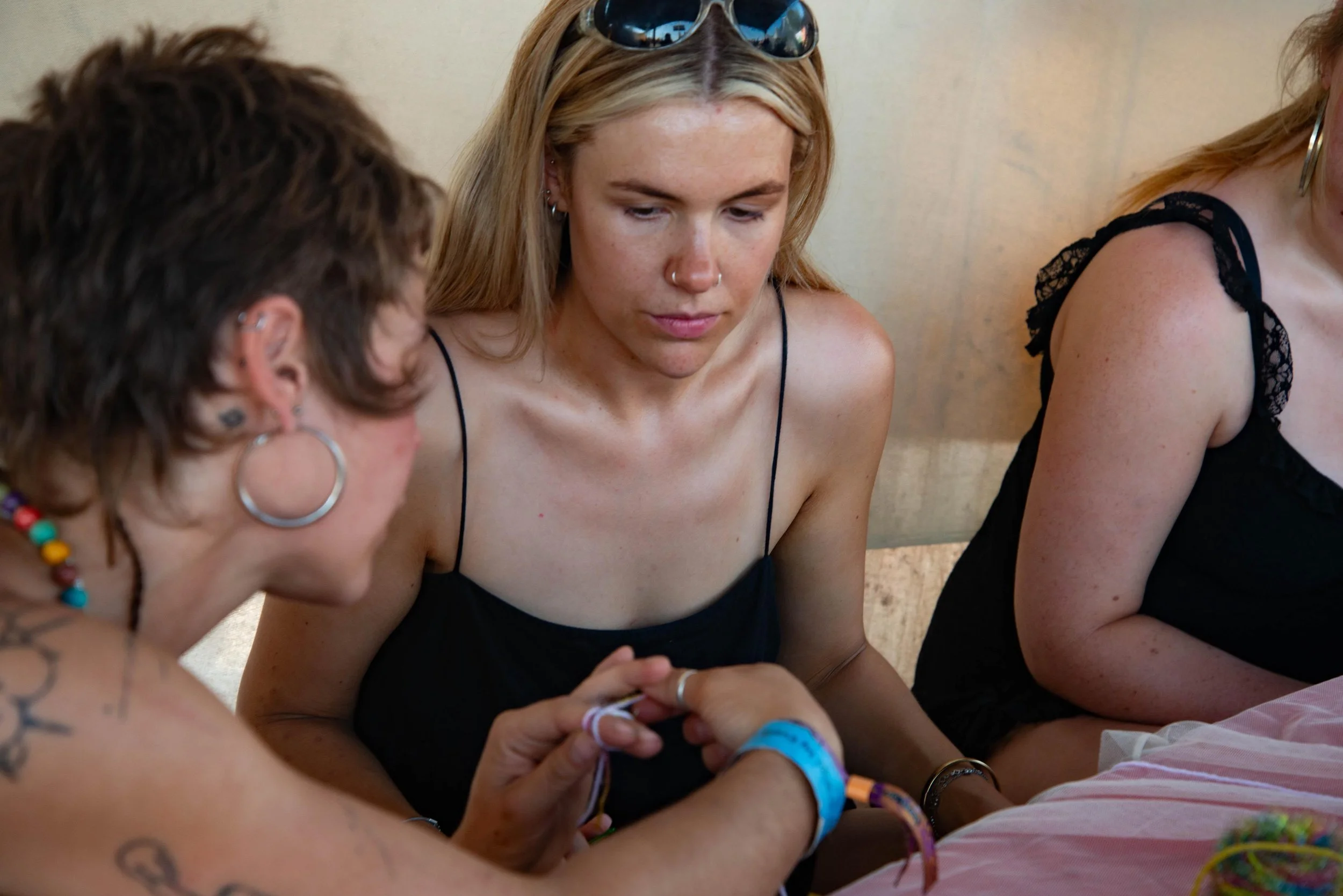
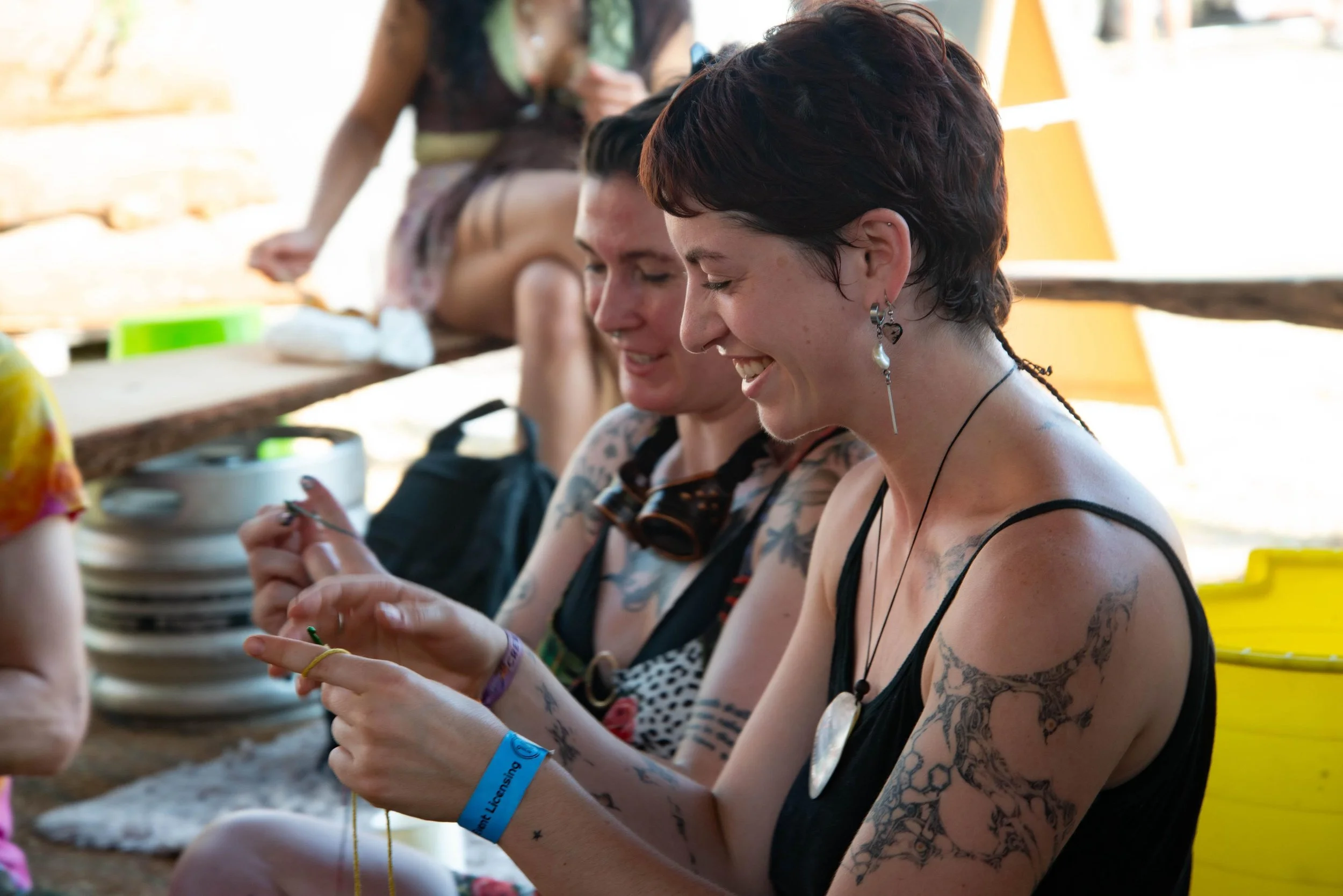
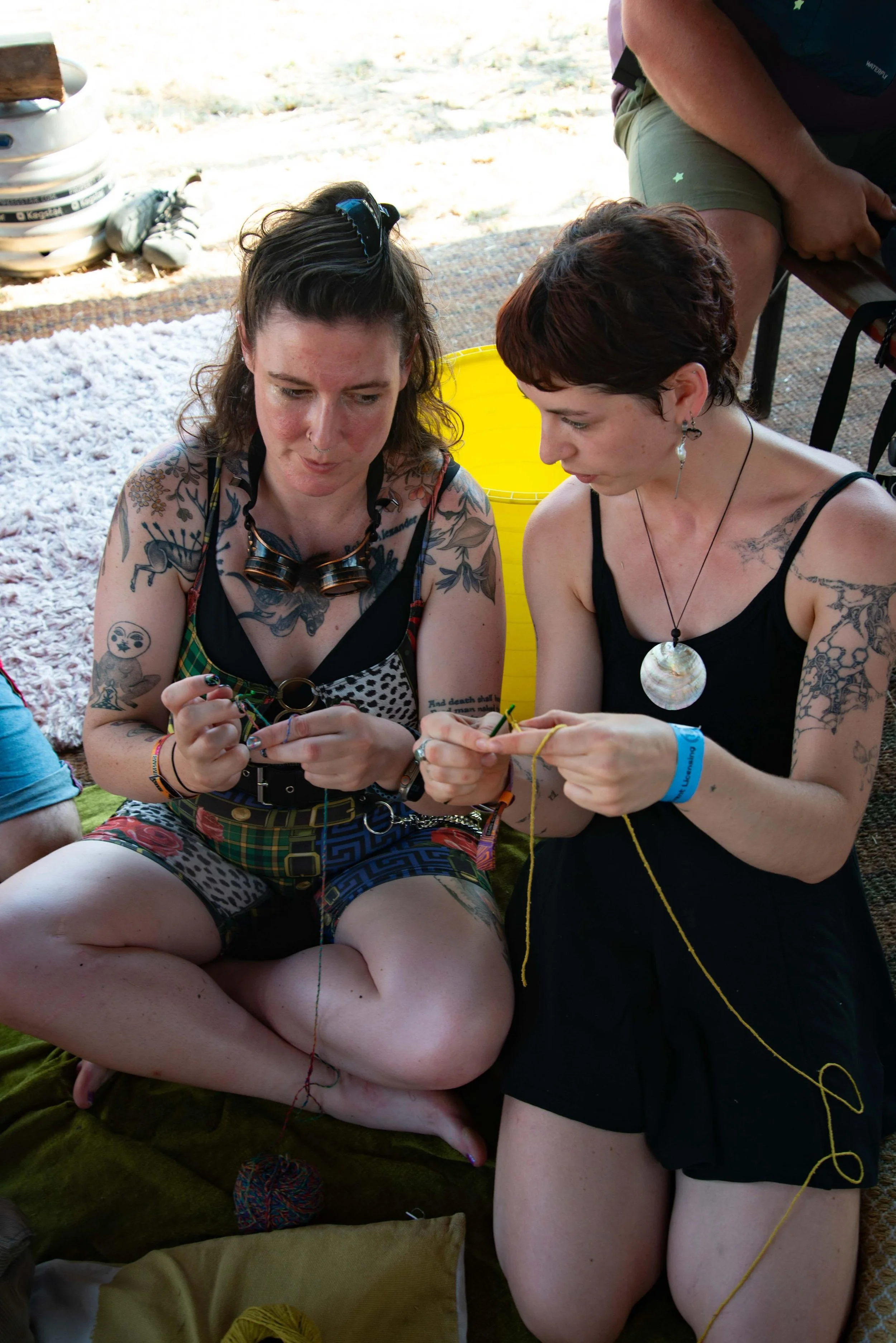
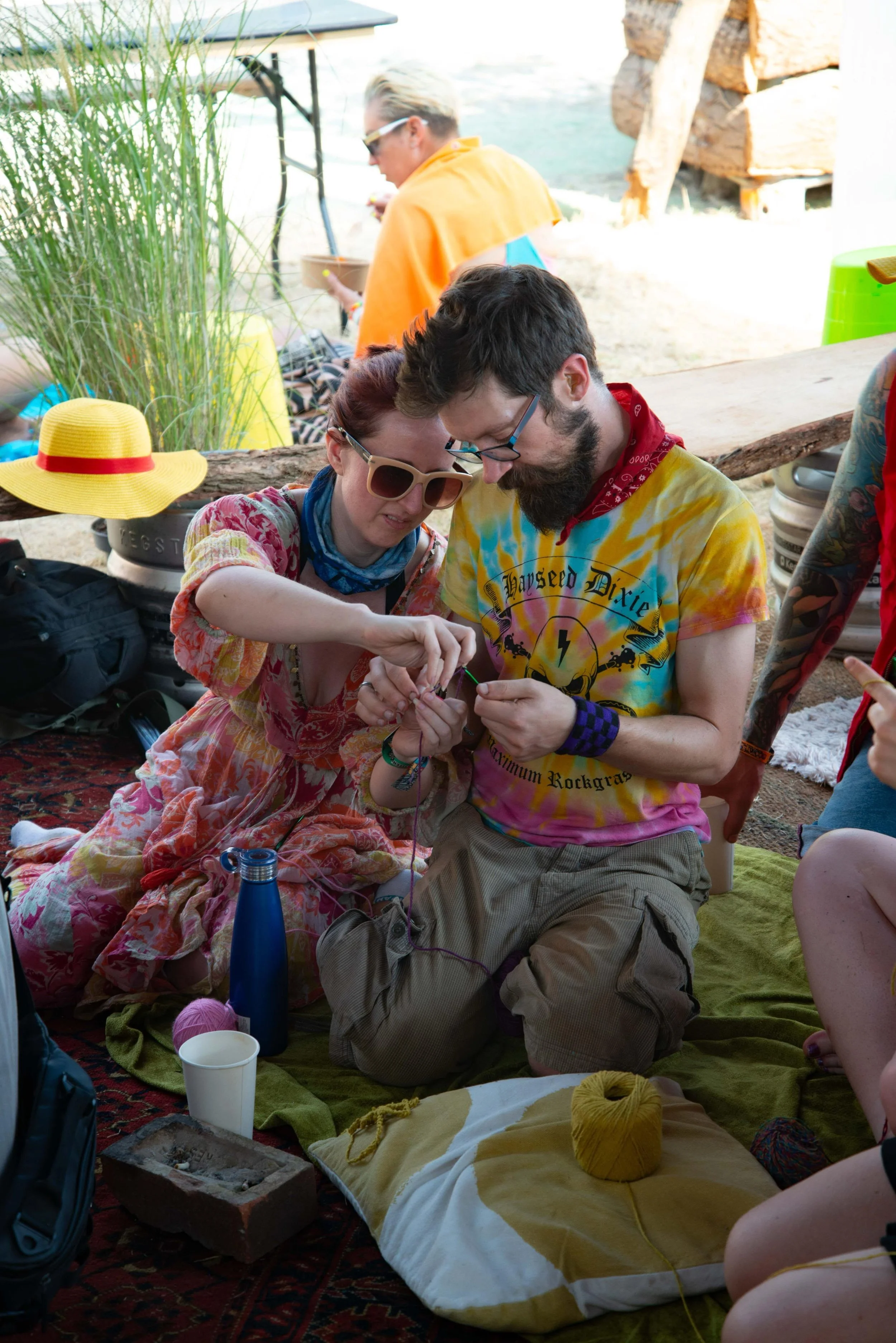
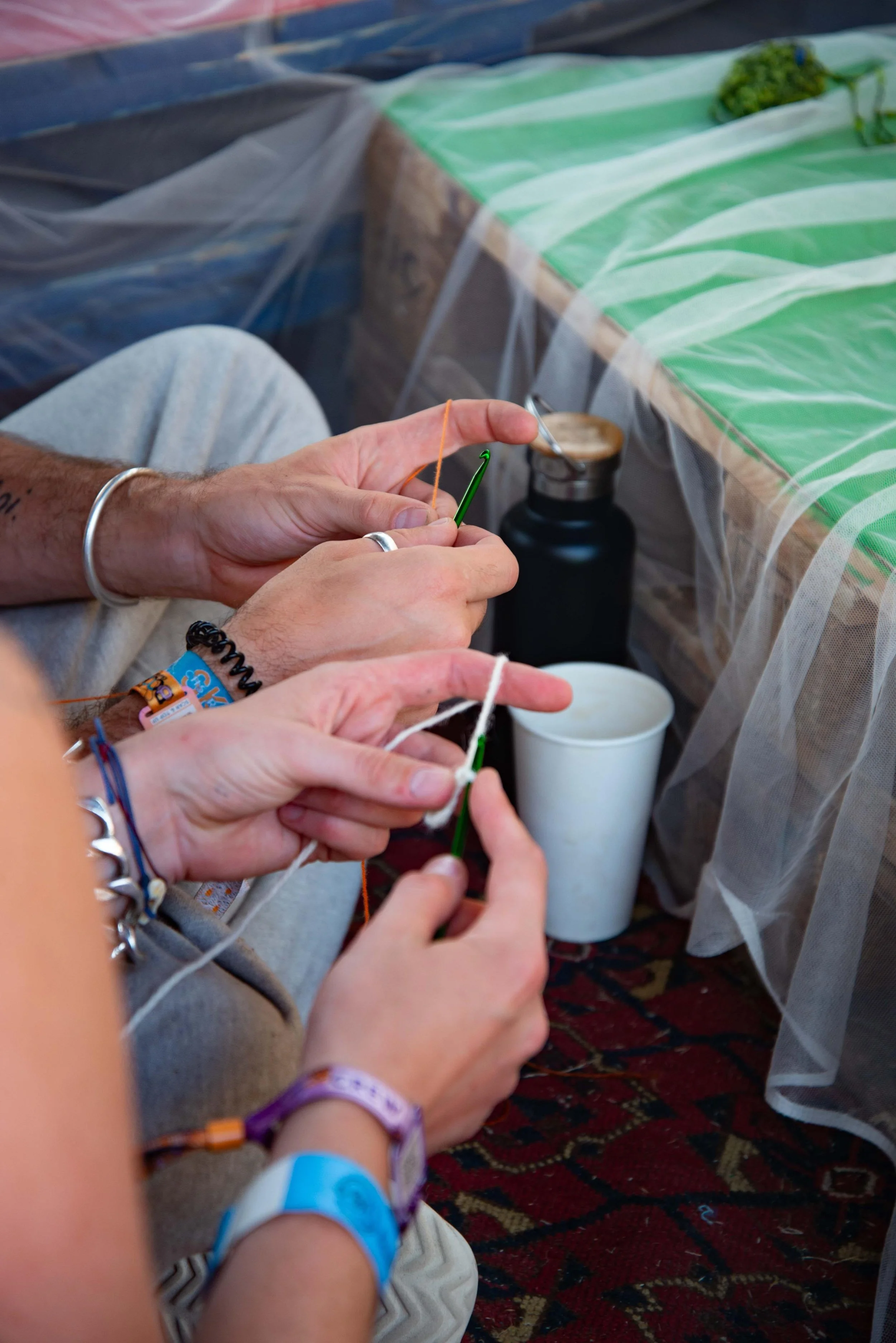
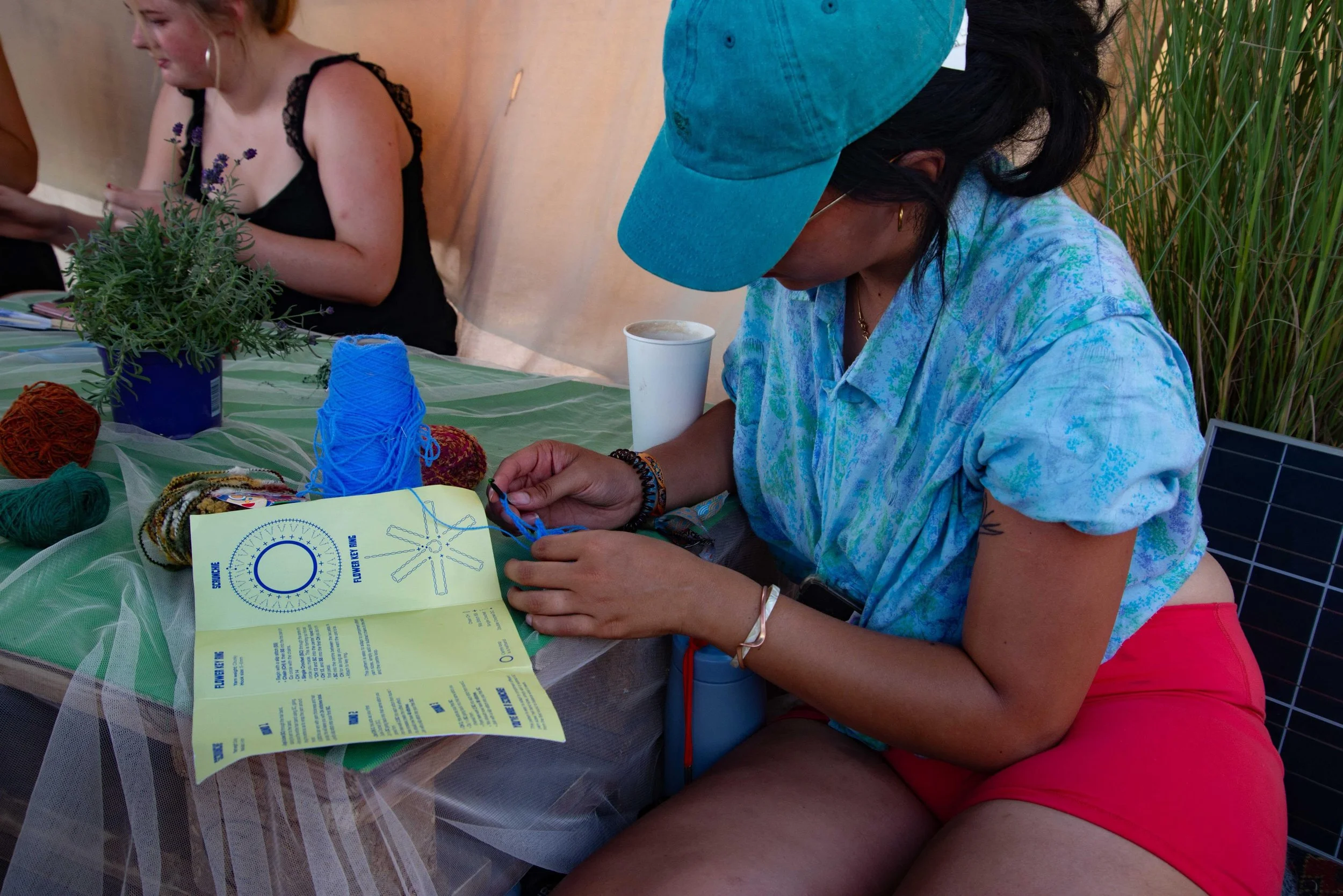
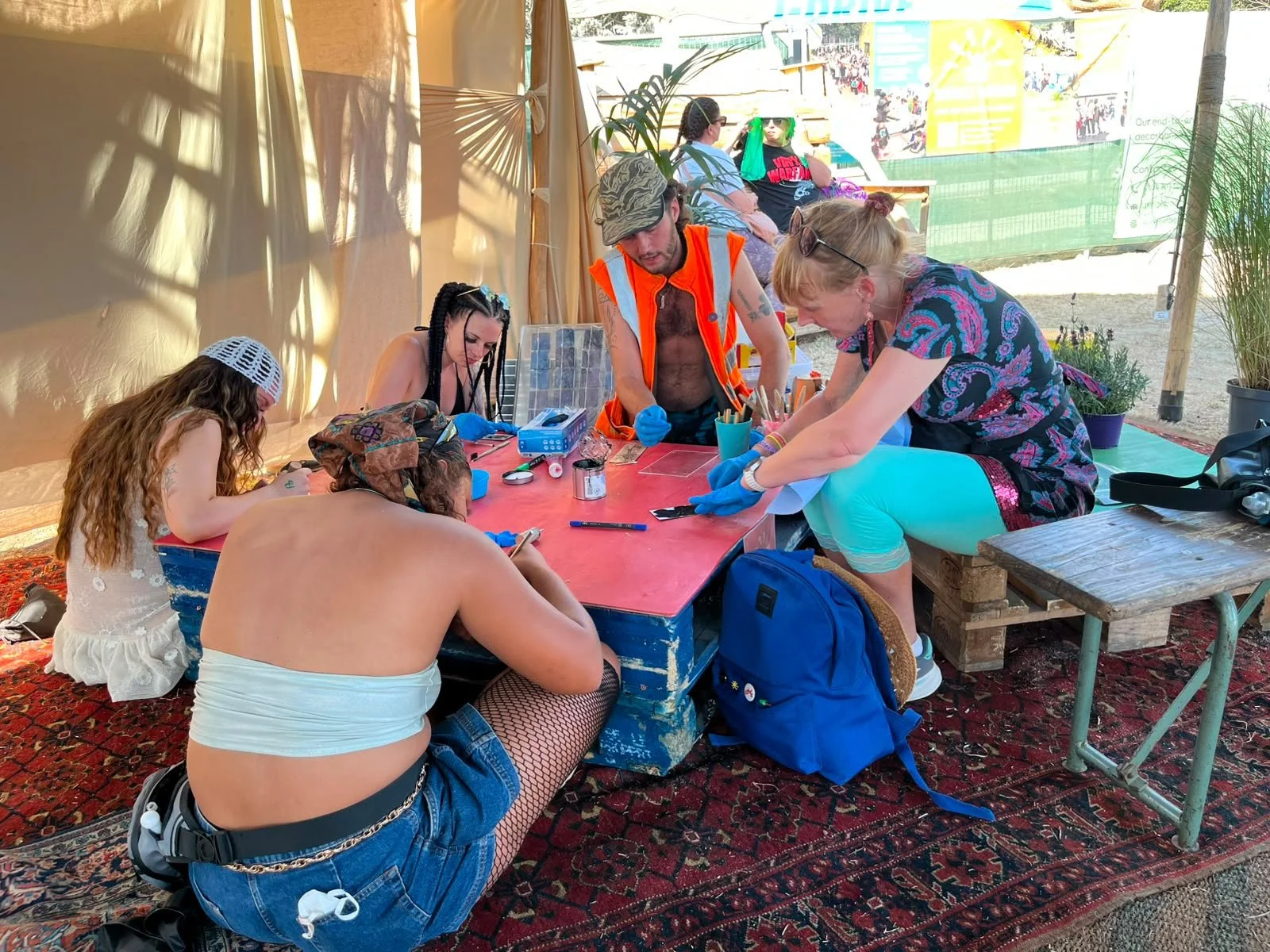
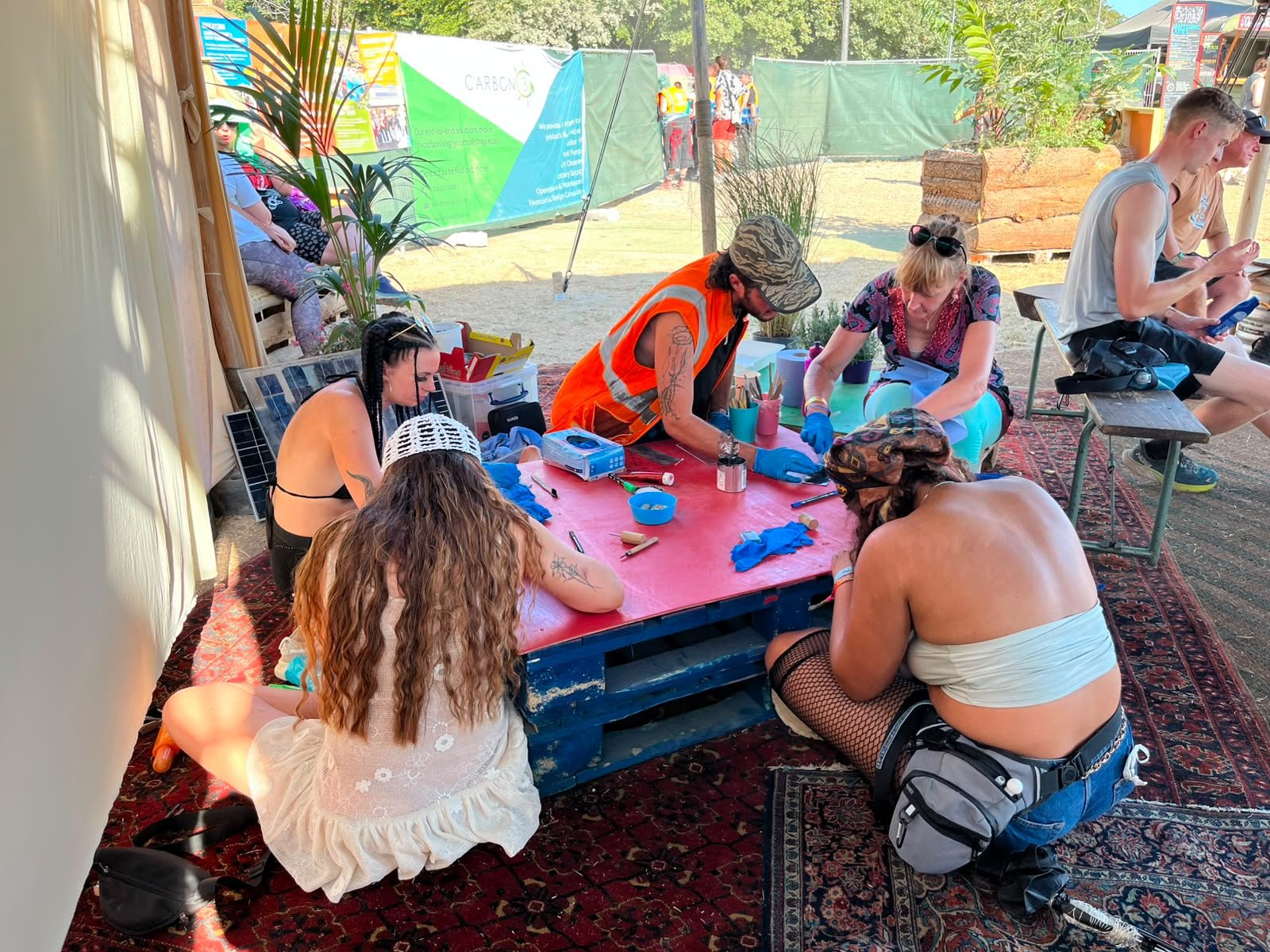
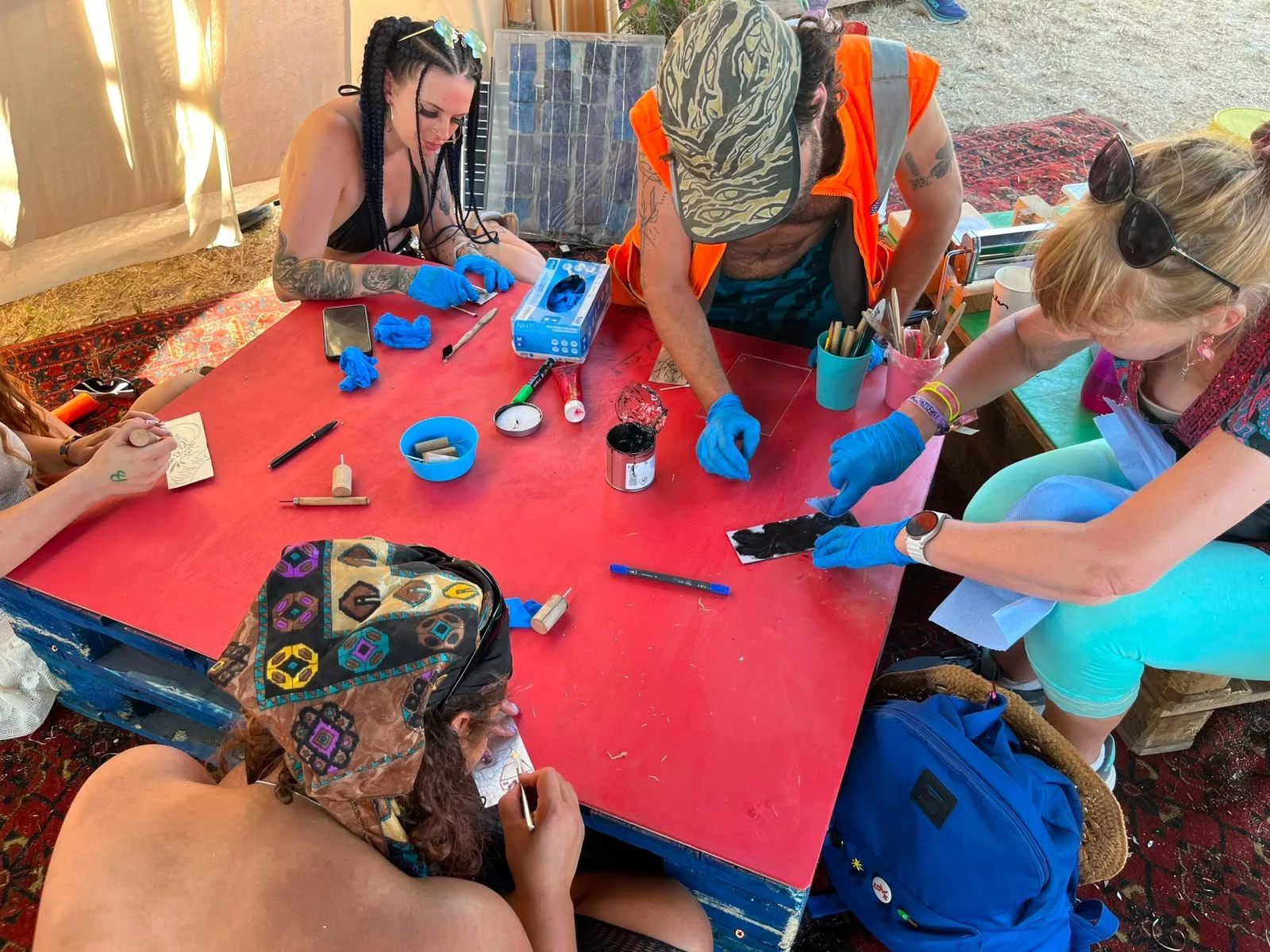
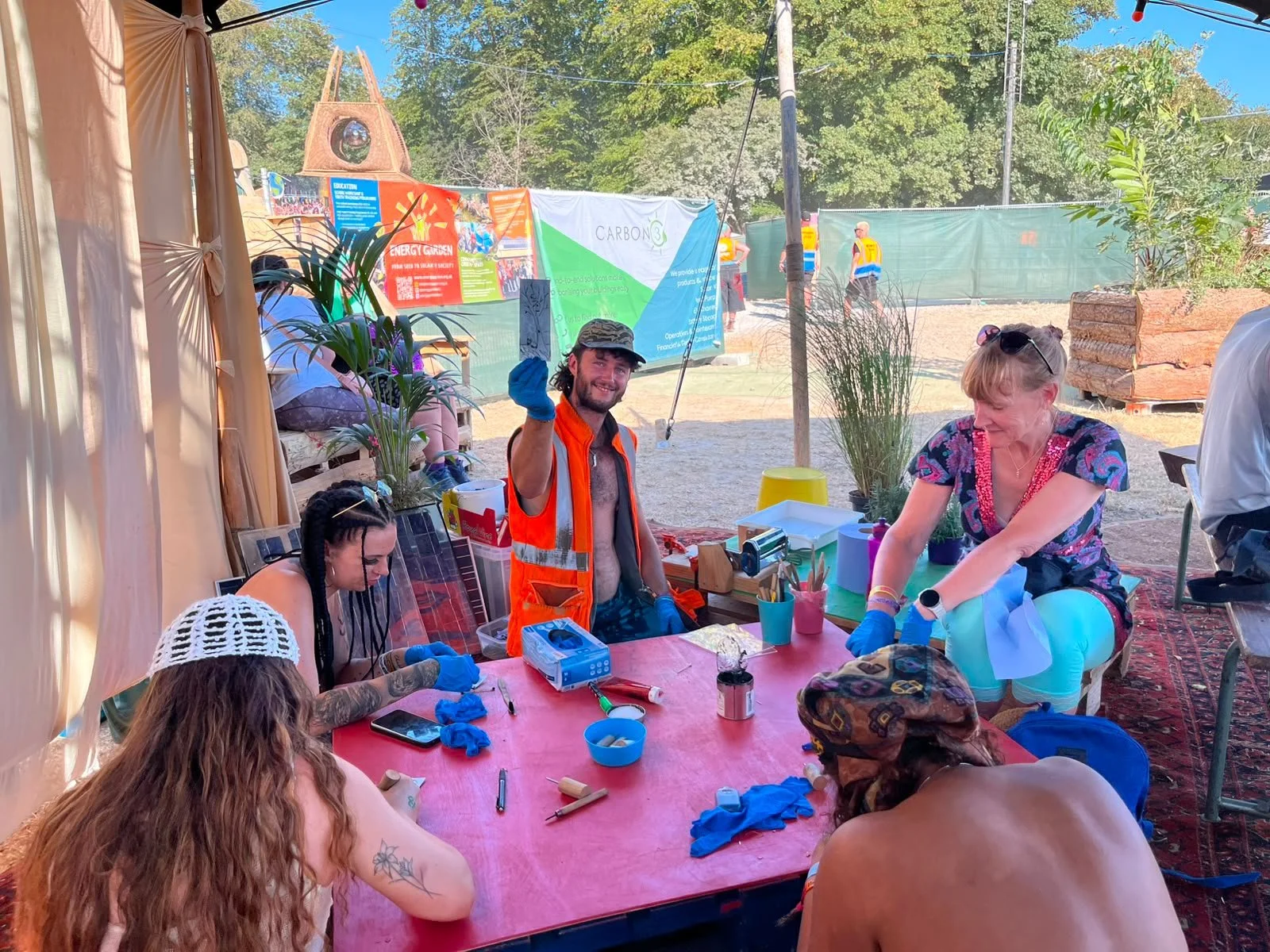
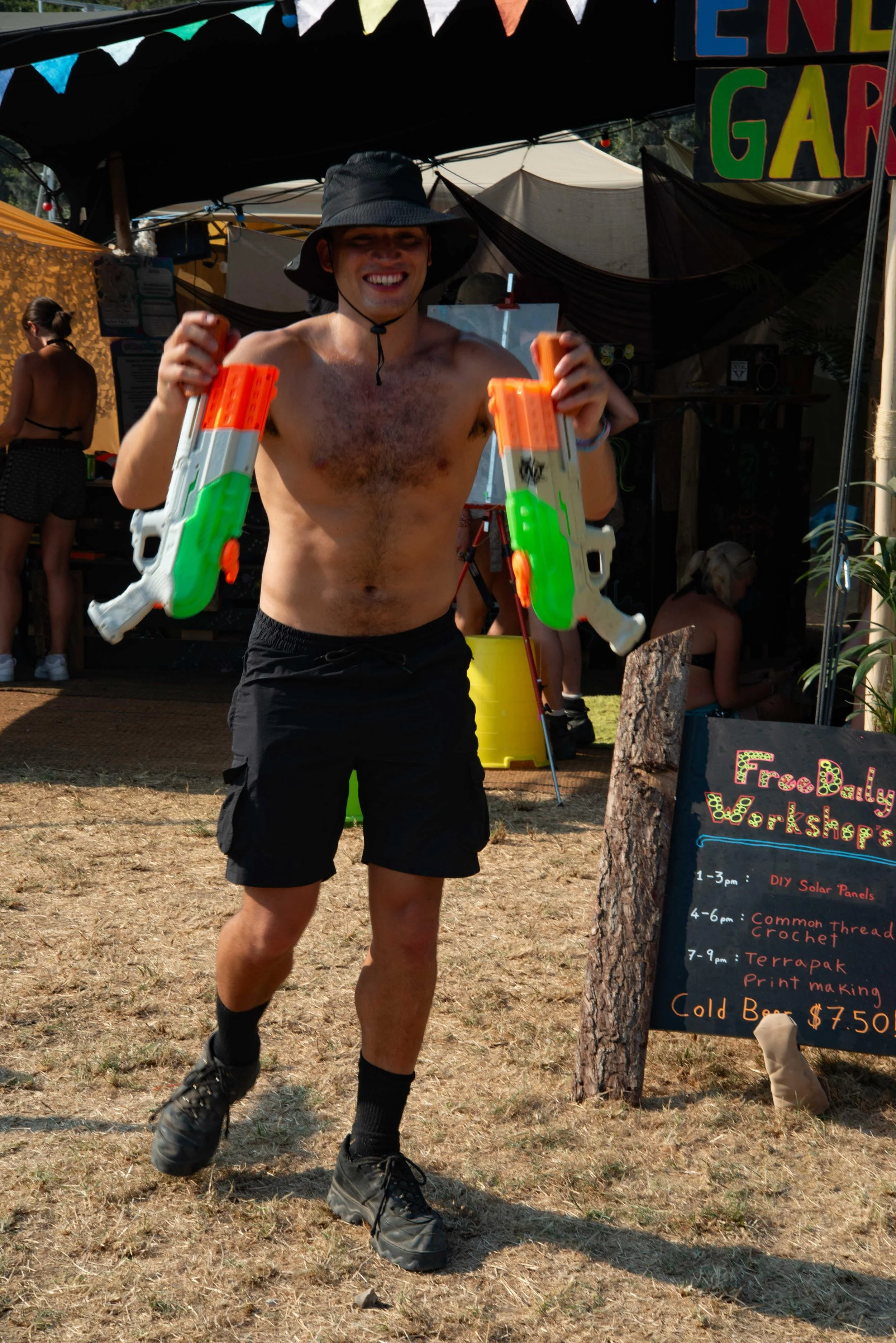
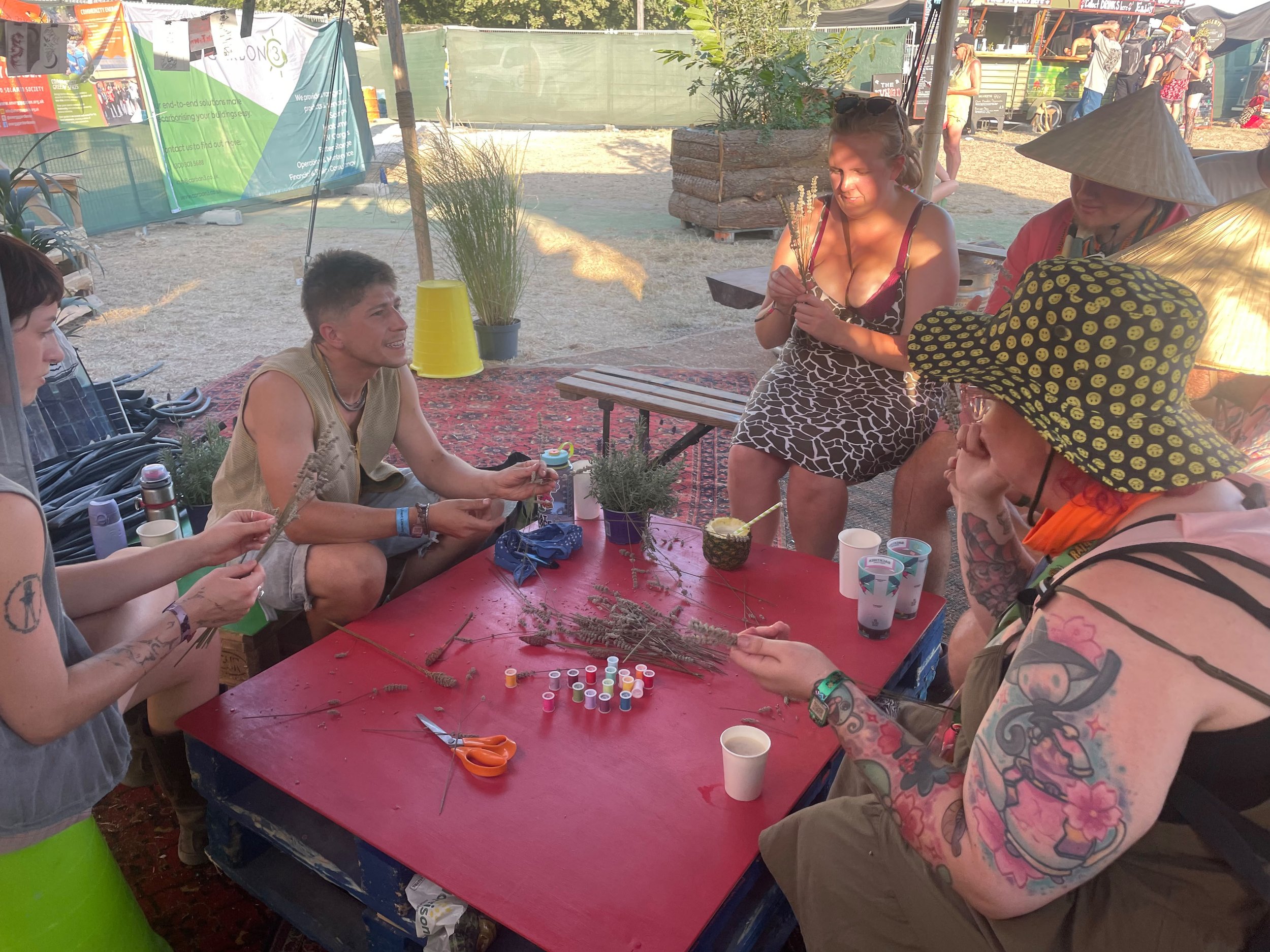
The crew set up the tent, built the bar and brought the space to life with plants, paint and flowing fabric. They also led their own workshops, some for the very first time, running everything from DIY solar panel sessions, lavender wand making and bike-tube plant pots to Tetra Pak printmaking, turmeric cyanotypes, felting and crochet circles. Others kept the good vibes going; with DJs soundtracking the tent, chatty bartenders whipping up a buzz at the bar and cooking communal meals in our makeshift kitchen.
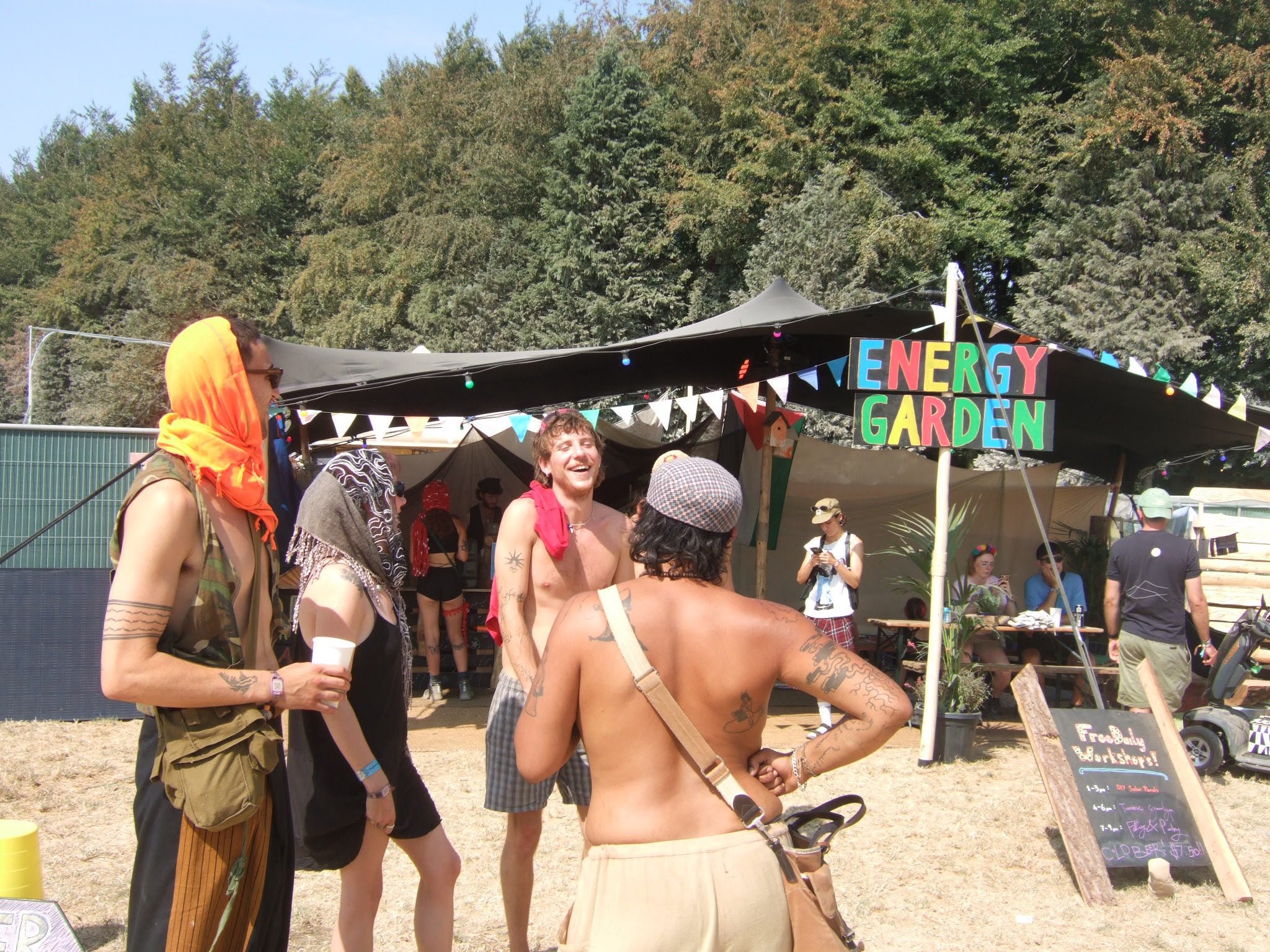
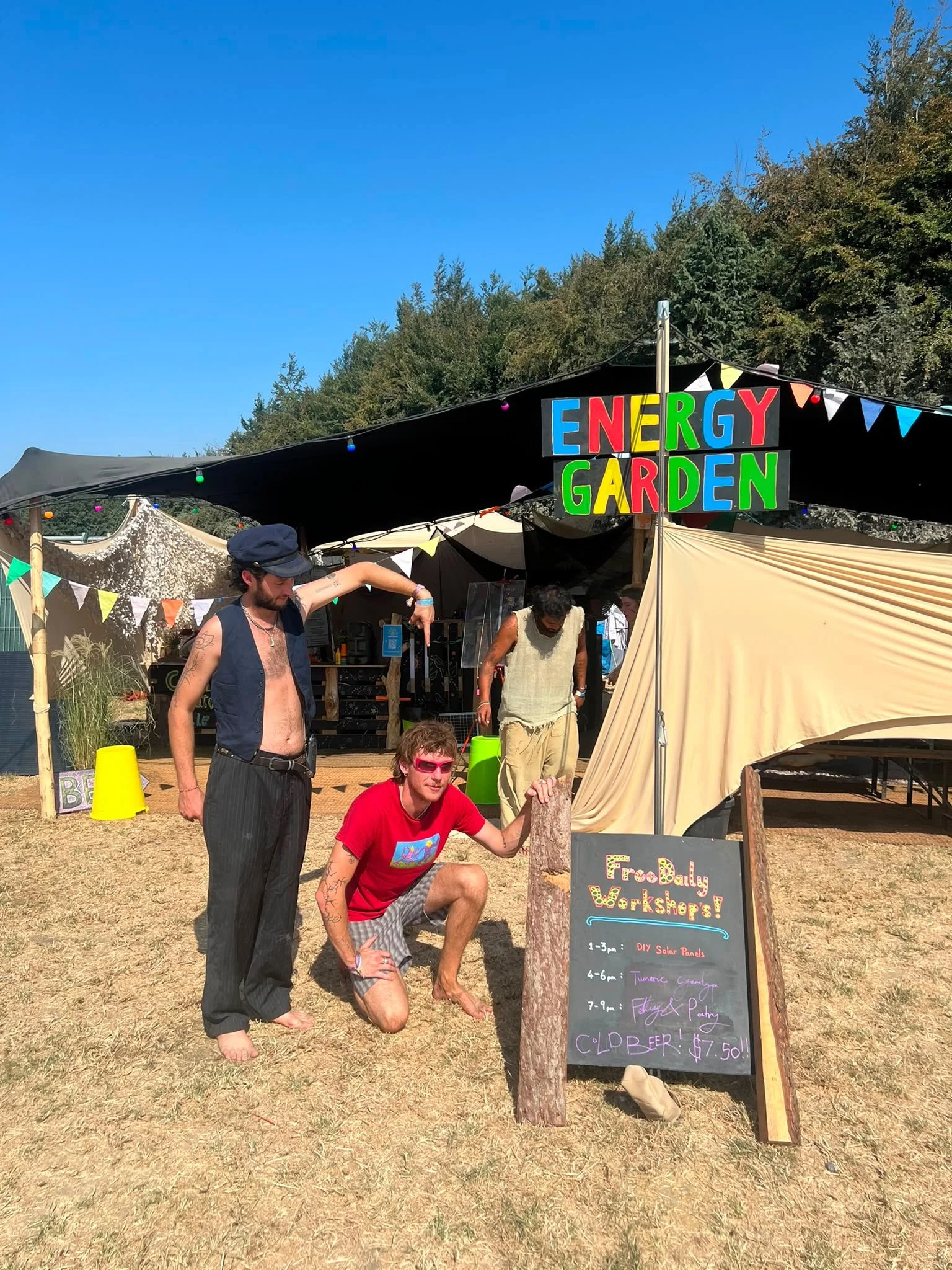
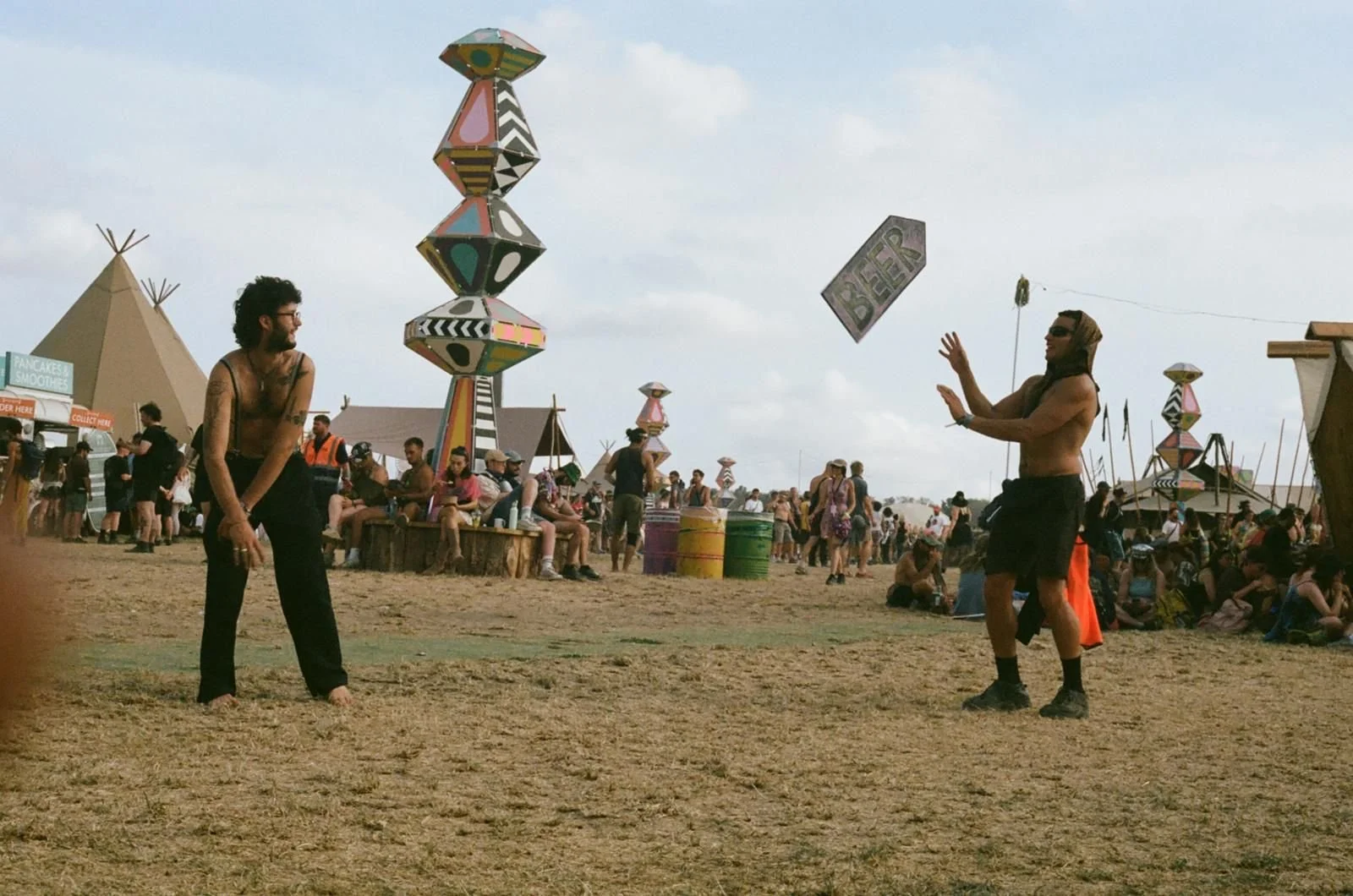
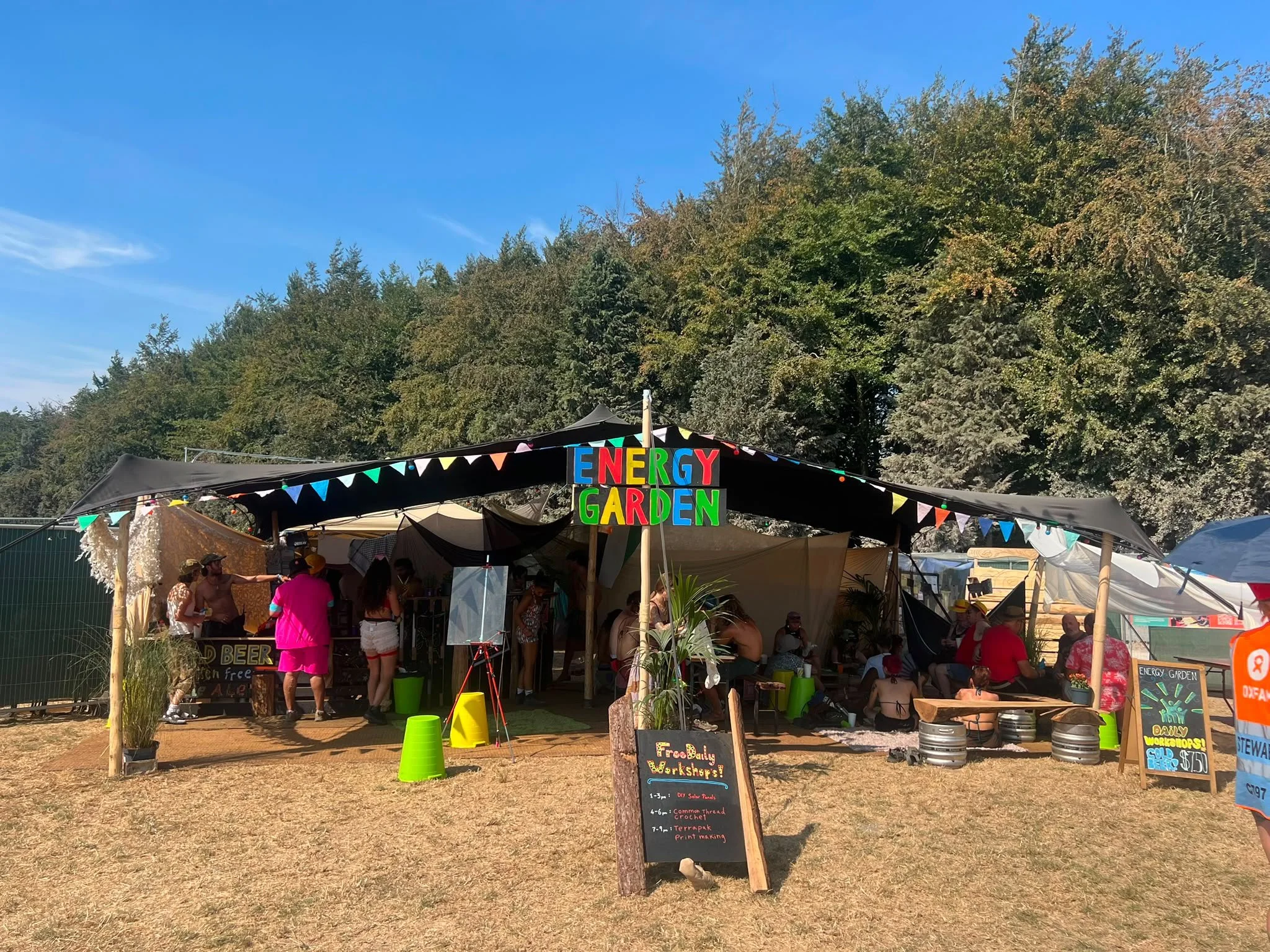
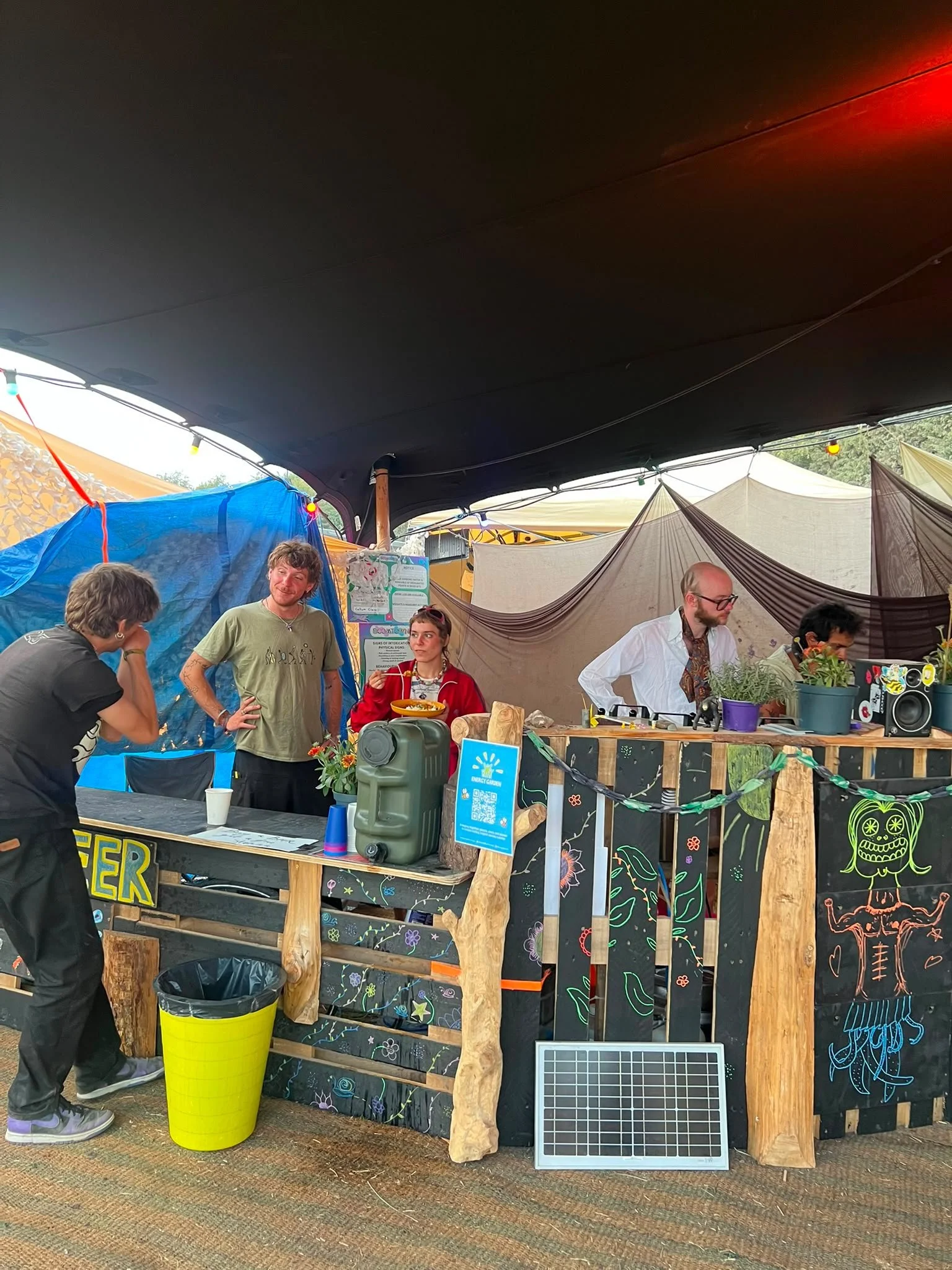
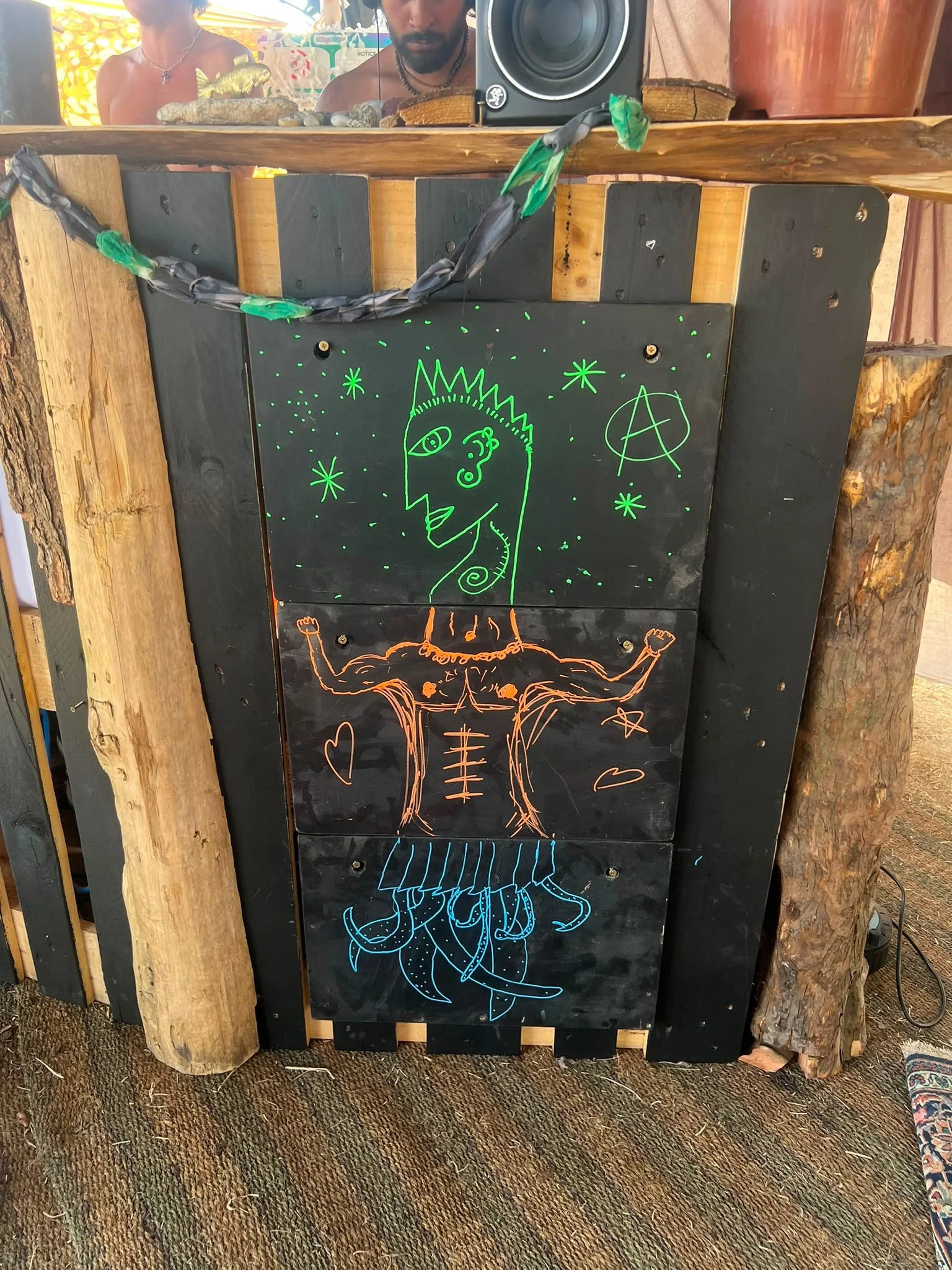
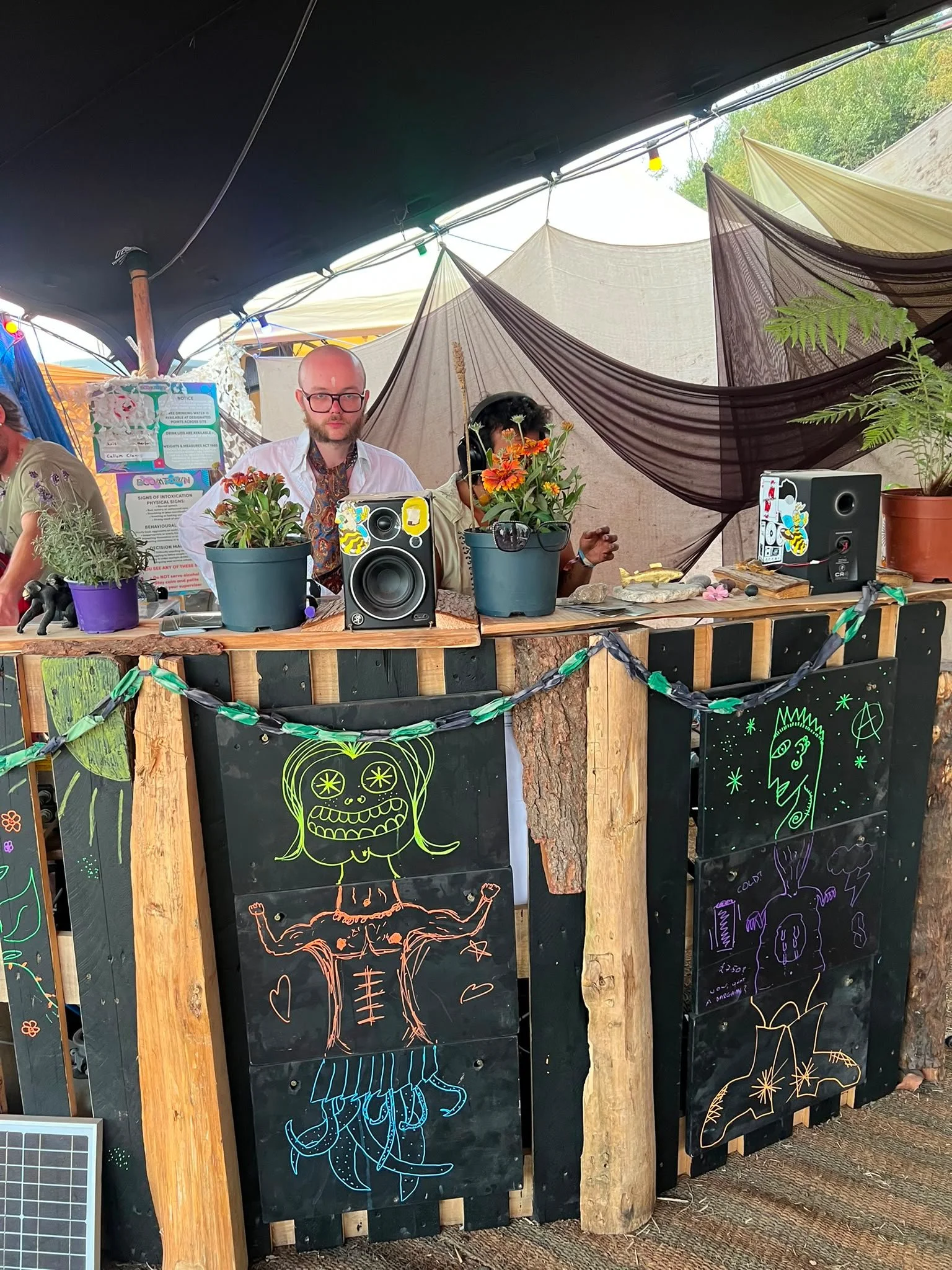
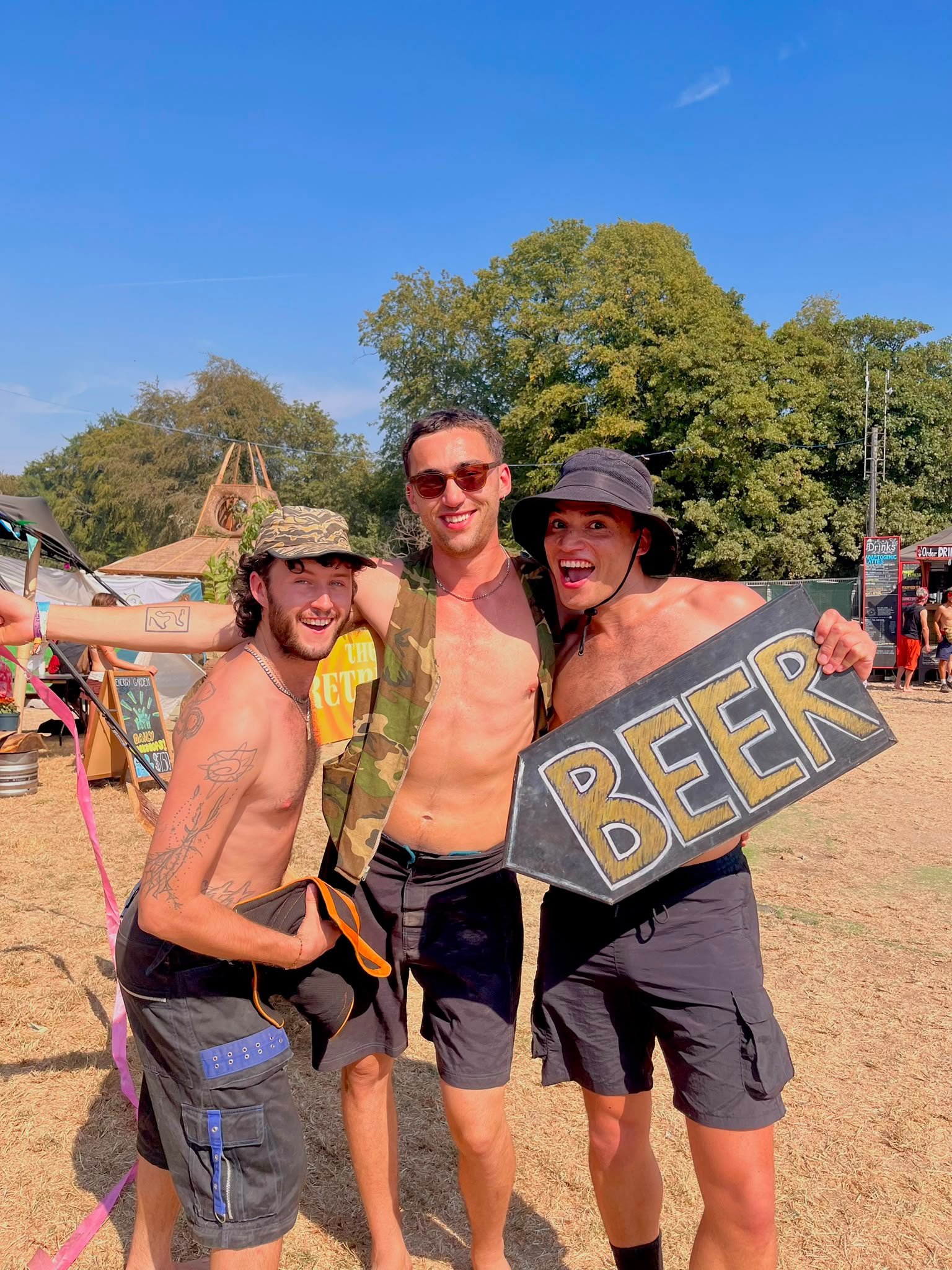
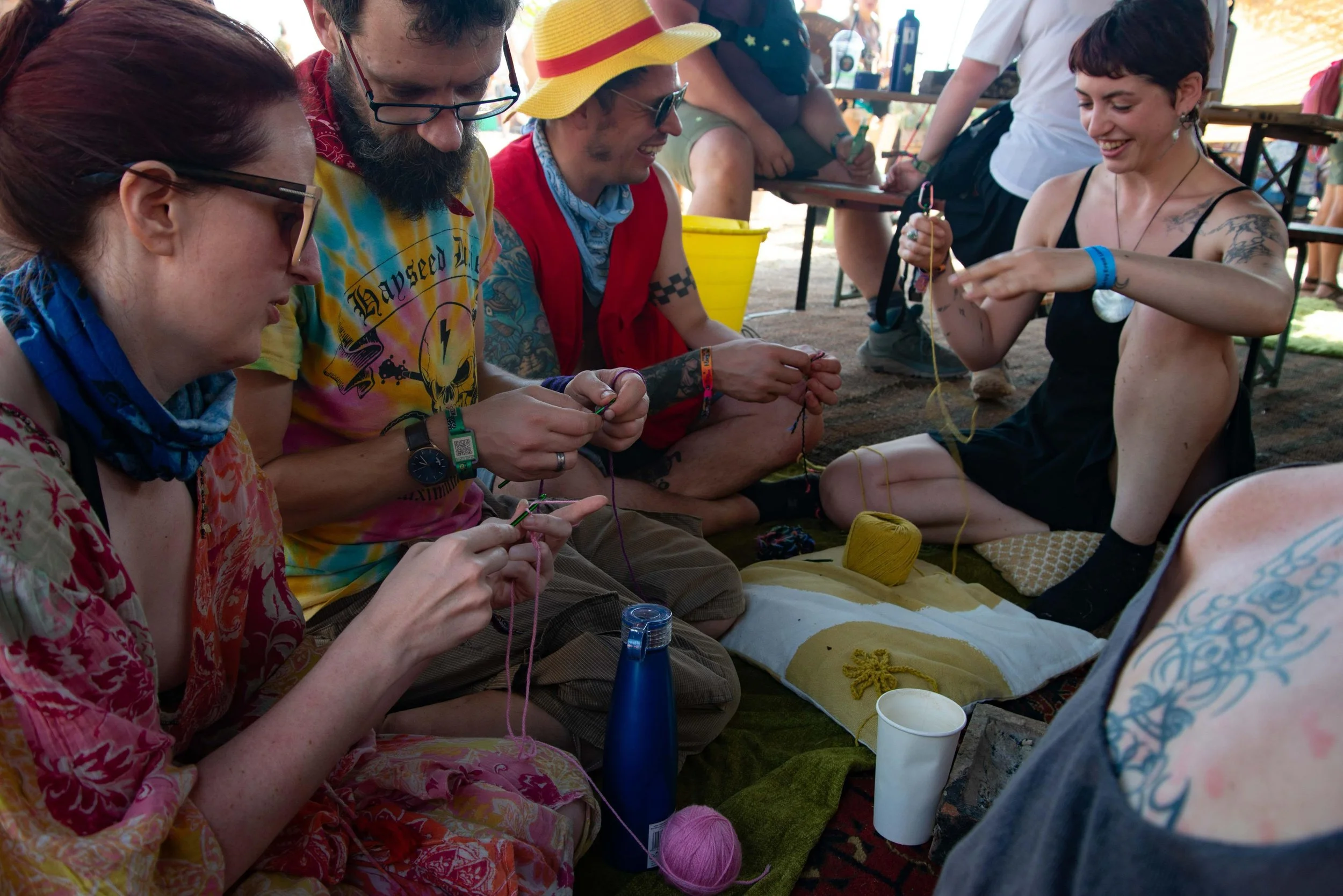
The bar made a whopping £4,750 over the 5 days, less than expected due to the heat causing wastage, but enough to cover our costs with money aside to fund next years brew of Energy Garden Ale. More importantly, we reached even more people than last year. Everything we learned first time round, from taming the bar to smoothing out the schedule, meant the whole space ran better than ever, giving us the room to do what actually matters: get people to stop, sit, make something with their hands and get curious about Energy Garden.
That is the real win. Not the pints poured or the kegs sold, but the hundreds of conversations that started with someone wandering in out of the heat and left with a new idea about energy, community and what a garden can grow.
Learning through doing
Thrutopia gave us a relaxed space to introduce people to Energy Garden and the different areas of our work.
We weren’t at Boomtown to give long presentations about the climate crisis. That is not how people really engage, and it is not how we work. Instead, we sit down with someone over an activity, hands busy, and let the conversation about energy and sustainability come naturally. It creates a safe space to be curious, to offer your own thoughts without being lectured at, and to walk away having learned something new. Curiosity comes first, and the knowledge follows.
Some people came over to build a solar panel or join an activity, while others were simply looking for somewhere to escape the searing heat and became curious about who we were. The conversations often started with simple questions:
What is Energy Garden?
Why is it called Energy Garden?
What does community energy mean?
What happens to the energy once it is generated?
These gave us an opportunity to explain how the different parts of Energy Garden fit together.
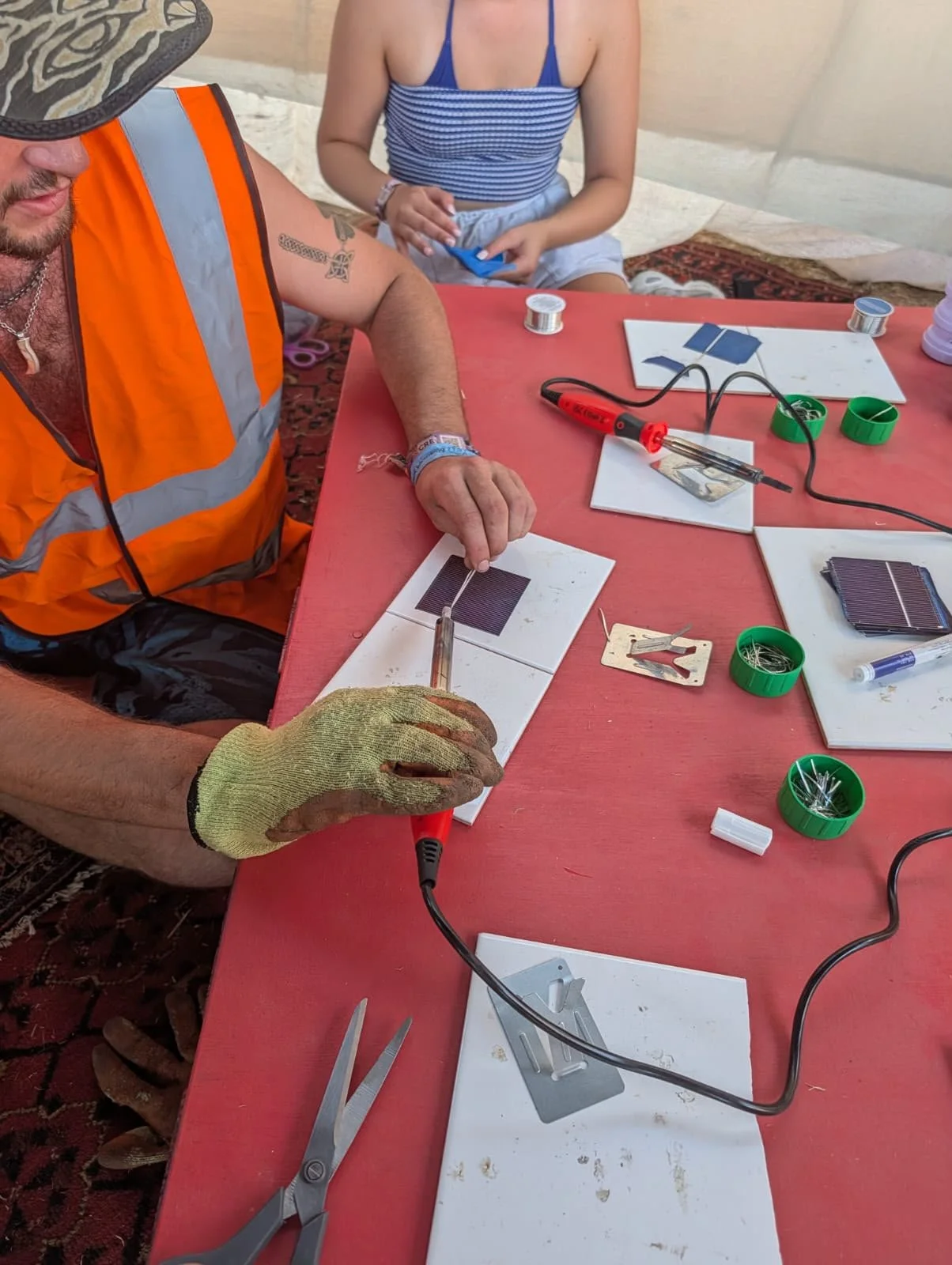
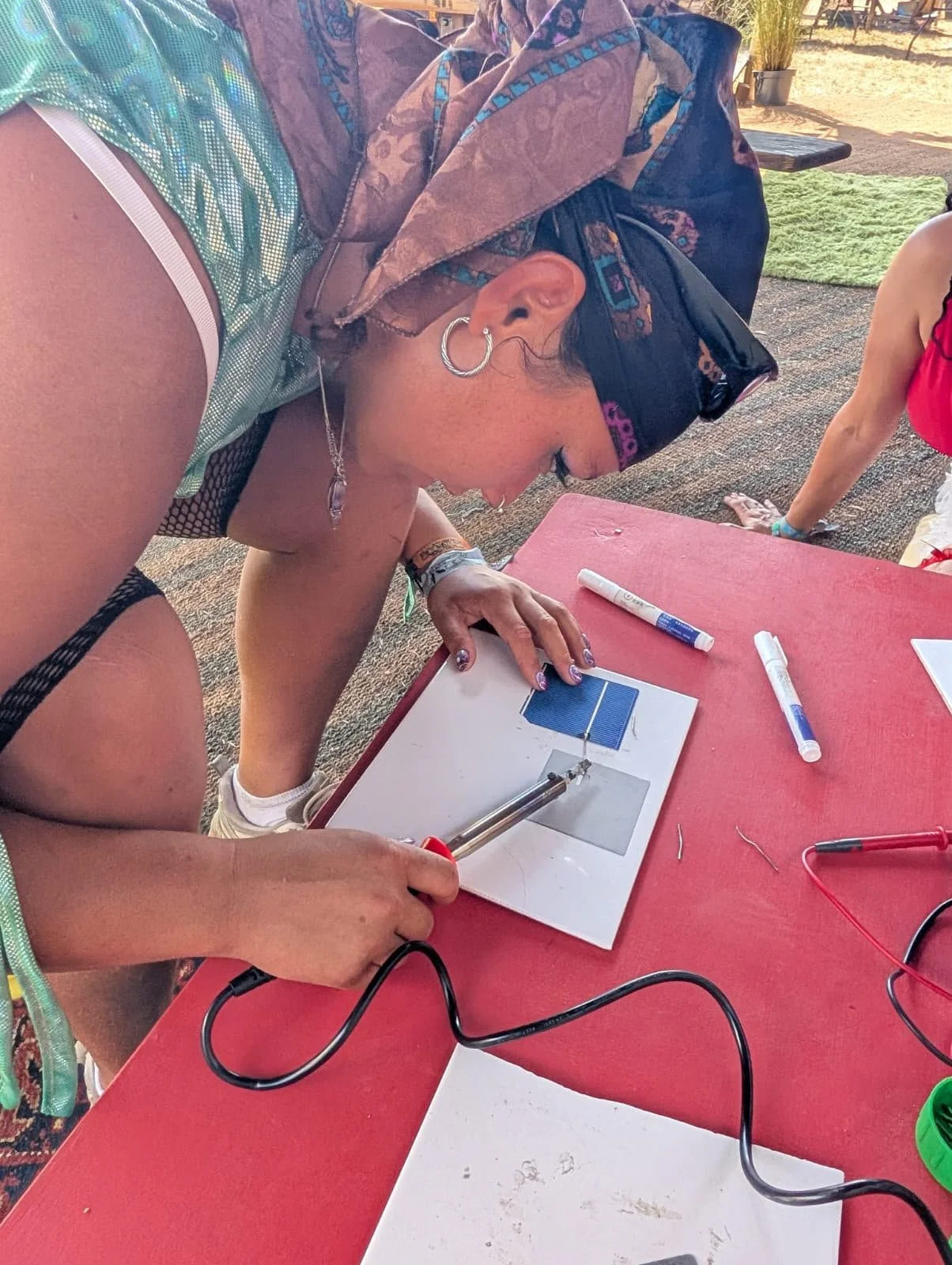
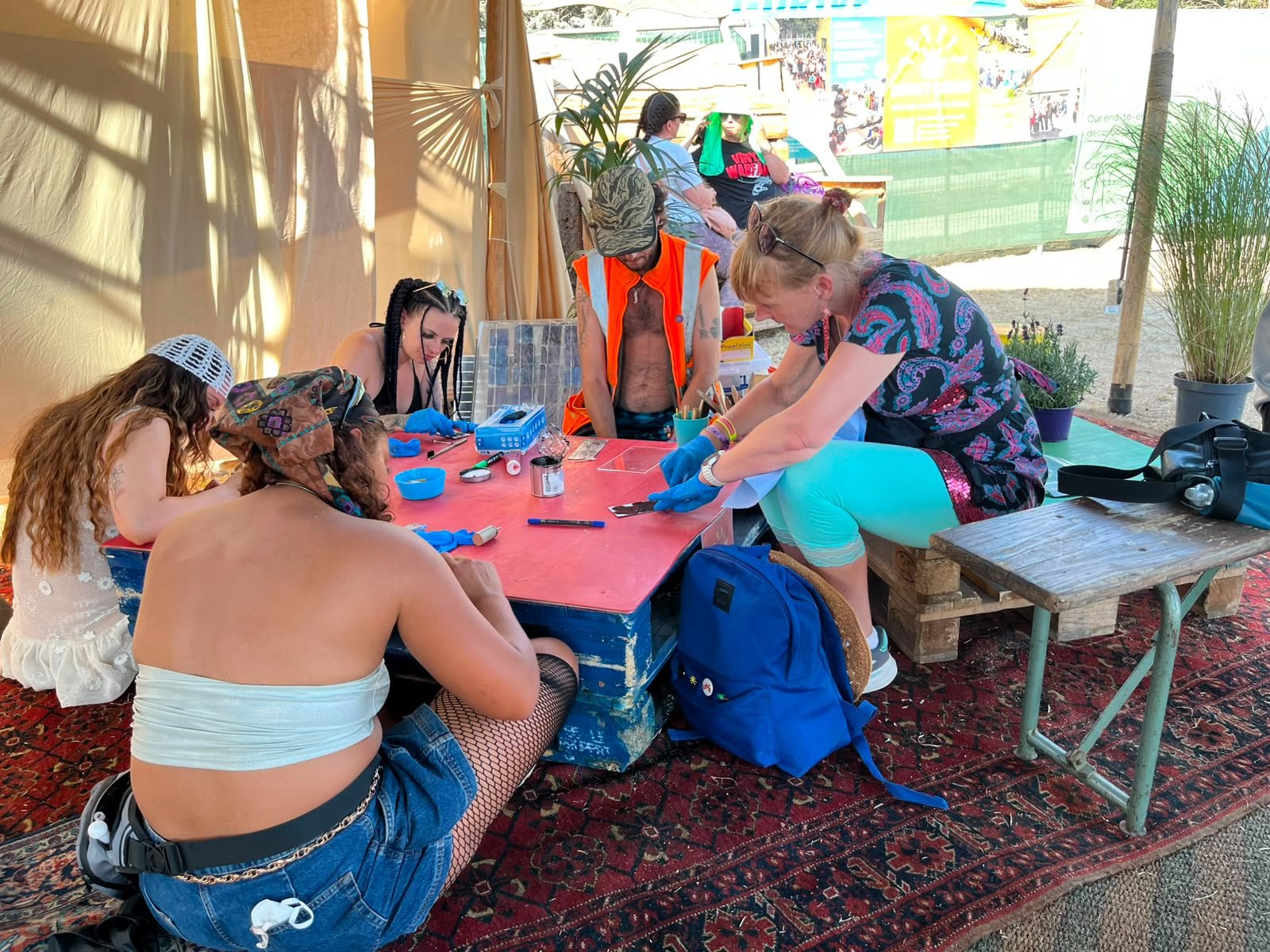
Our DIY solar panel workshops were the perfect way in. People sat down, soldered together their own small working panel and added it to a larger collective one, powerful enough to charge a phone, which is a very handy thing to have at a festival. It was a little piece of renewable energy they had built with their own hands.
There is a real moment when it clicks, when someone realises that solar power is not some distant, complicated thing, but something they can understand, make and own. That is exactly the spark we are after, and it generated so much more understanding, conversation and excitement about something that can seem very complex at first.
We bring together people, place and power. Our community energy projects generate renewable electricity and long-term value; our gardens and green infrastructure create spaces for communities and nature; and our education and stewardship programmes help people build practical green skills and take a more active role in their local environment.
Our wider work also includes biodiversity, community science, horticulture, stewardship and circular approaches to infrastructure and resources.
At Boomtown, we were able to introduce these ideas in a very practical way. People were already making, building and experimenting, which made it easy for questions and conversations to develop naturally.
This is how we work everywhere, not just at festivals. Whether it is a railway platform, a neglected stretch of trackside land, a park in need of trees, or a classroom. We like to work at the edges, because the edges are where people have room to tinker, to get their hands dirty and to make mistakes together. That is where the real learning happens.
Sustainability at Boomtown
We were also pleased to appear in BBC South’s coverage of Boomtown’s sustainability work, which looked at some of the ways the festival is approaching renewable energy and reducing its environmental impact.
Boomtown has been working to become a leading example for UK festivals on sustainability, championing new approaches to energy, materials, waste, water, transport and ecology.
Festivals are interesting places to explore these issues because, for a few days, they operate much like temporary cities. They require energy, water, food, transport, materials, waste systems and a significant amount of infrastructure to support thousands of people.
Many of these challenges overlap with the questions we work on in London: how infrastructure can create wider social and environmental value, how communities can participate and learn from the systems around them, and how nature and renewable energy can become part of more resilient places.
There is something else festivals do that we think about a lot. For a few days, a place like Boomtown quietly changes how people behave. Strangers talk to each other. People share, help out, make things together and look after the space around them. It is a glimpse of how open and generous a community can be when the conditions are right. So why does all of that have to disappear on the Monday? That is the question we keep coming back to, and it is where we would love to be the bridge.
The festival does not have to end at the gate. Come and find us at an Energy Garden in London. Plant a tree, build something, learn about solar, and bring along the person whose hand you were holding in the crowd. The garden is still there next week, and the week after, and next year. It needs watering, repairing and people showing up for it. That is how a few days of temporary utopia can start to become something more permanent.
Until next chapter
This year, our role at Boomtown was mostly about making, learning and chatting with fellow citizens.
Next time, we’d love to explore how Energy Garden could play a bigger part in the city itself, from renewable energy and circular infrastructure to tree planting, biodiversity and hands-on green skills.
Boomtown is already experimenting with how a temporary city can be built and run differently. We’d love to explore how our experience in building urban resilience could be woven more deeply into the festival itself, through the way it is built, powered, used and experienced by its citizens.
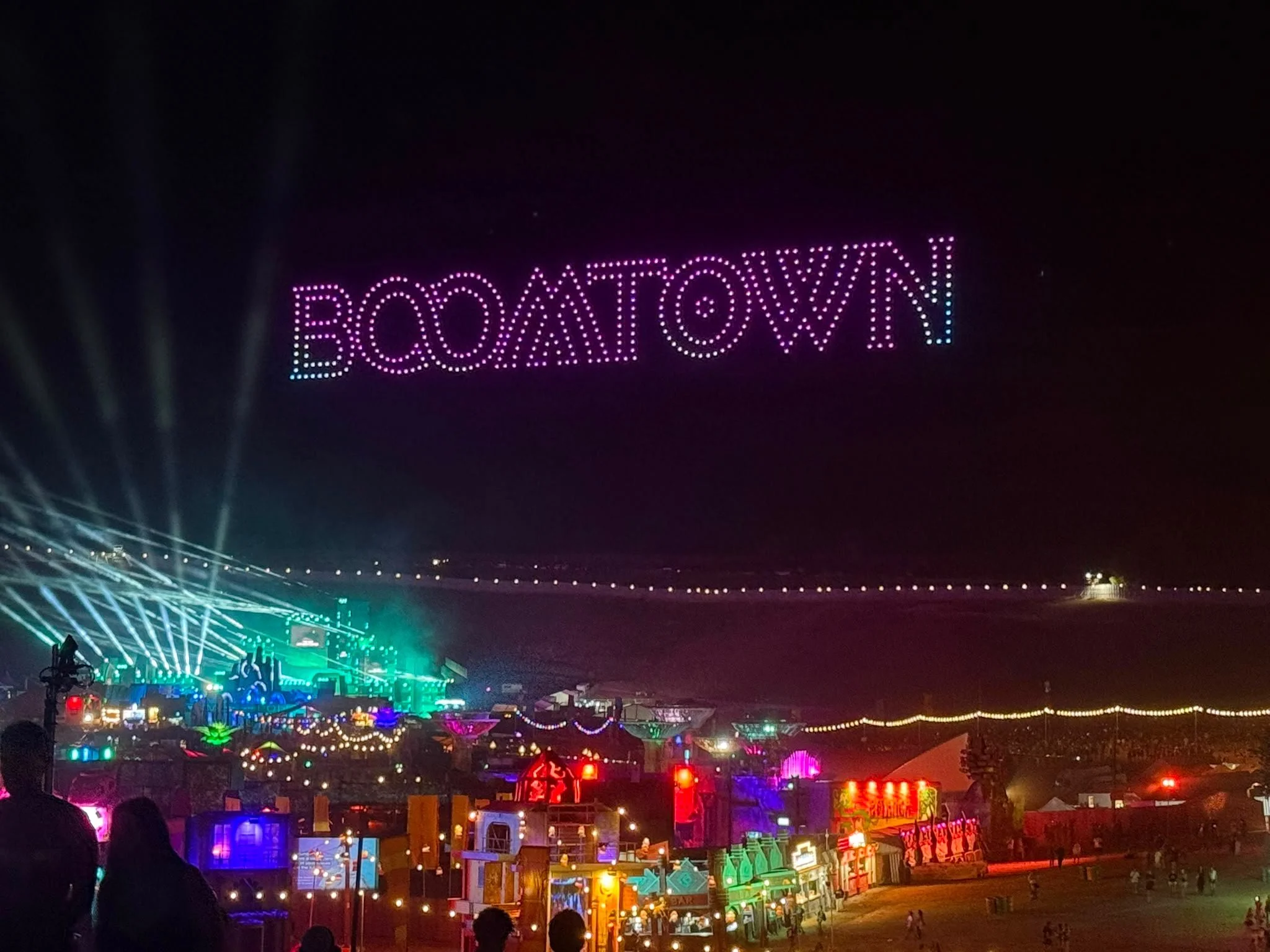
Thank you to everyone who wandered into our tent in Thrutopia, joined an activity or raised a pint of Energy Garden Pale Ale with us. We hope you left with a little bit of the Energy Garden spirit, and maybe a new idea or two to take back into the city with you.
And a big thank you to the Energy Garden and CARBON3 crew who kept the tent running throughout the weekend.