
Summer Notes from the Gardens
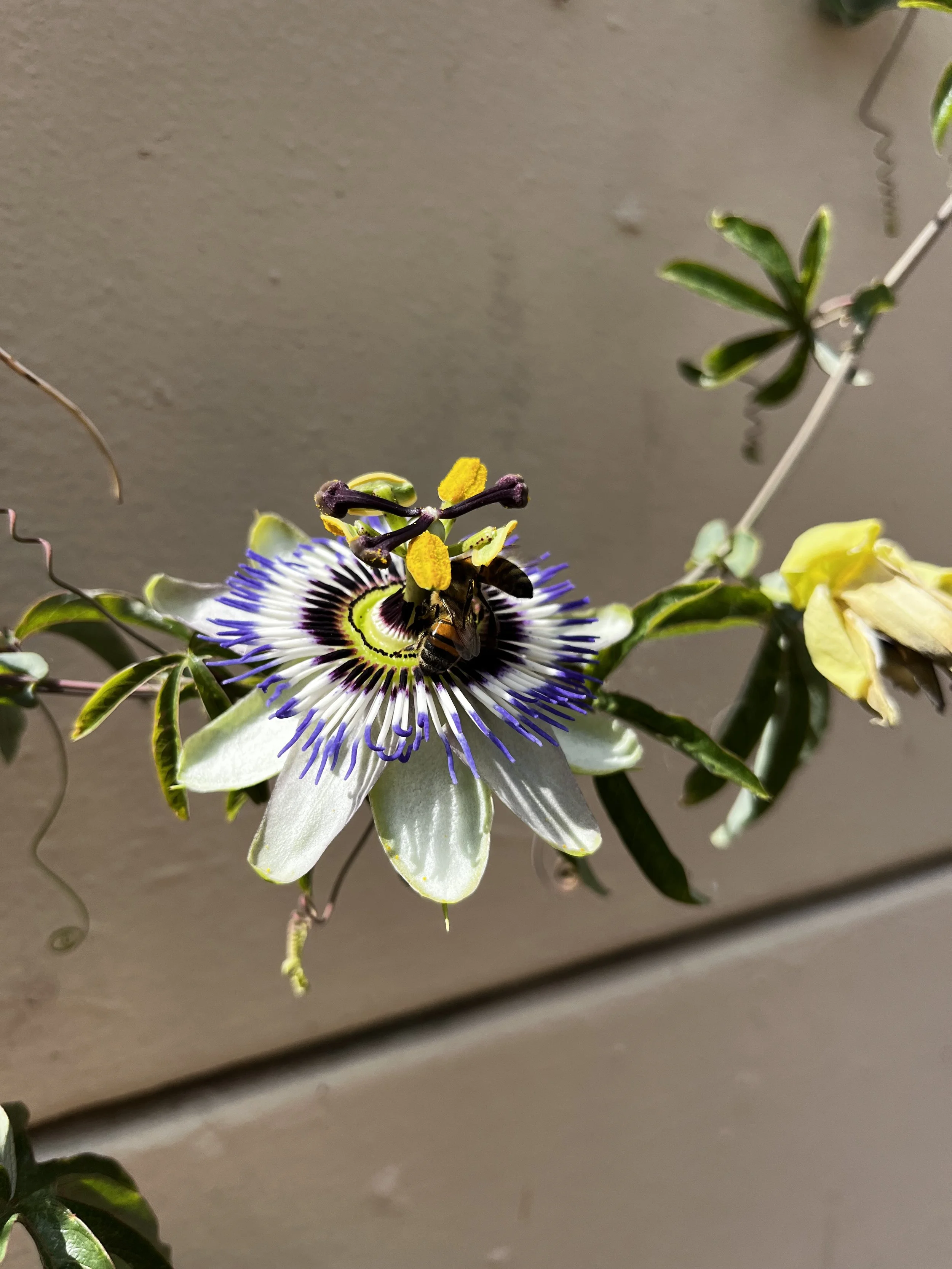
Photo: Finley Kamen
Suffice to say, it has been another hot and dry summer in the south of England. Temperatures of 35ºC or above have been reached in four separate calendar months - the first time ever on record. A hosepipe ban has been in place since the end of July, midway through a 51-day dry spell that only ended last week. In spite of the conditions, we’ve been out in the gardens, tending, harvesting, conducting surveys and reflecting on the weather with our volunteers.
Summer parties
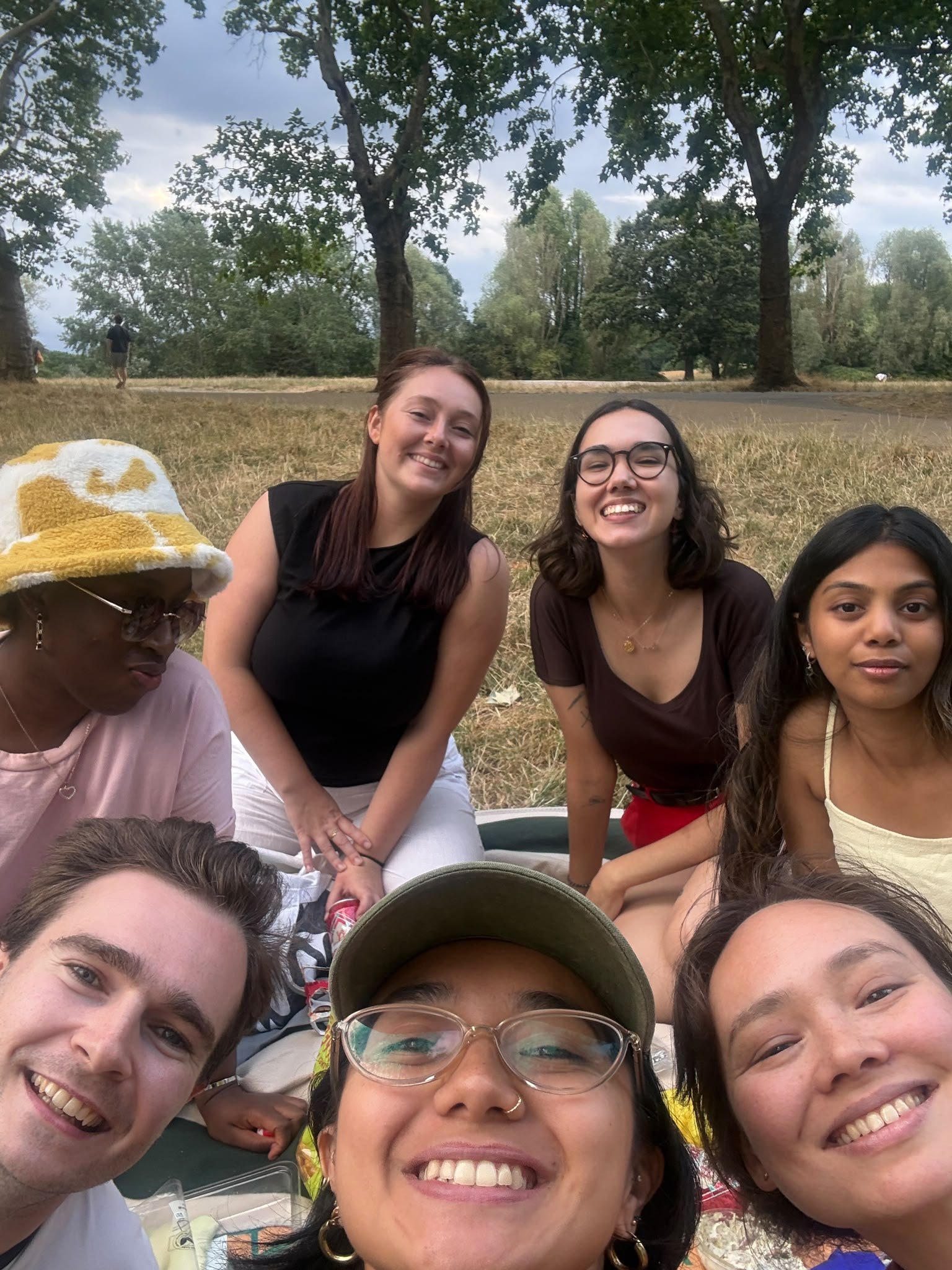
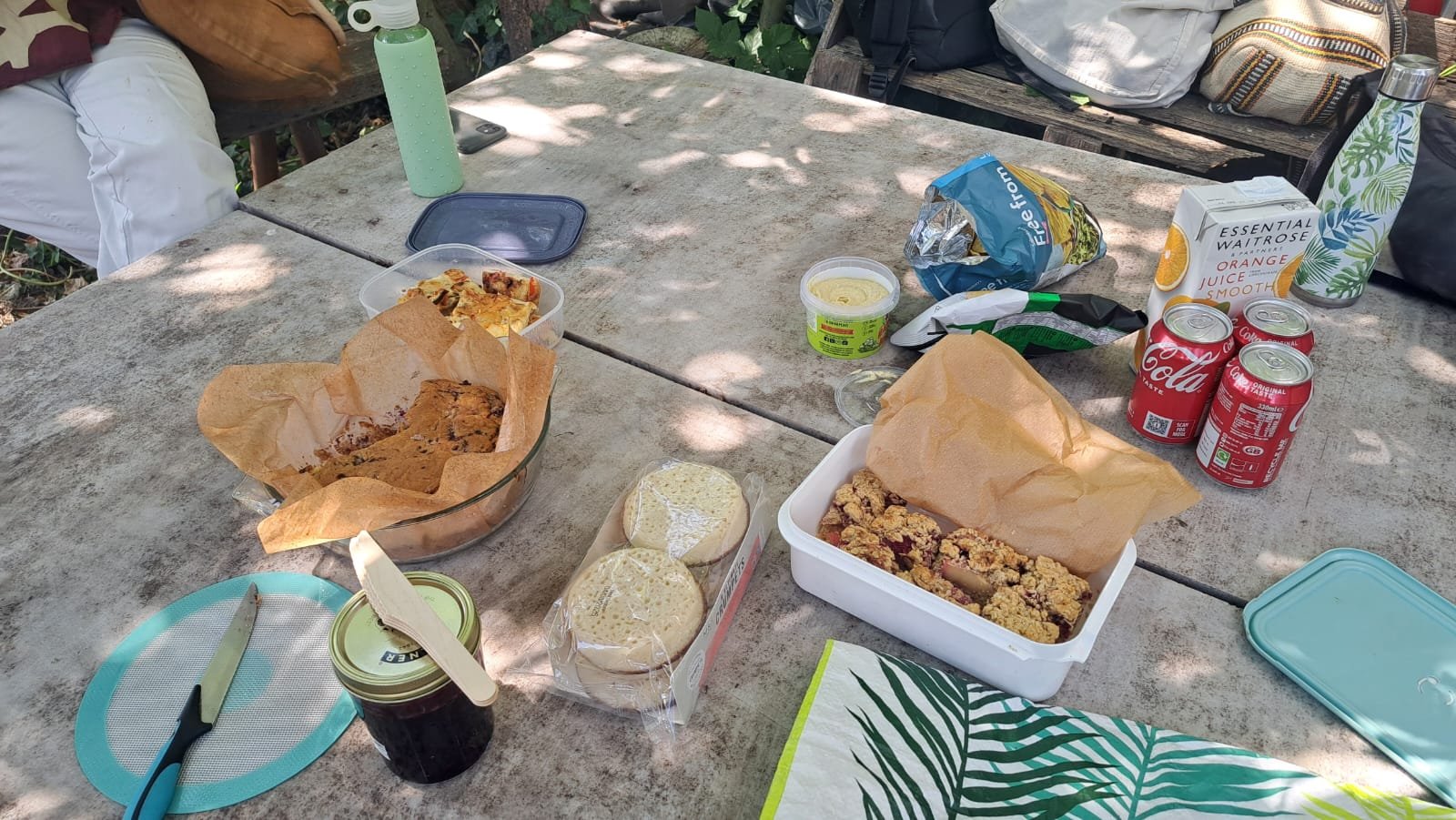
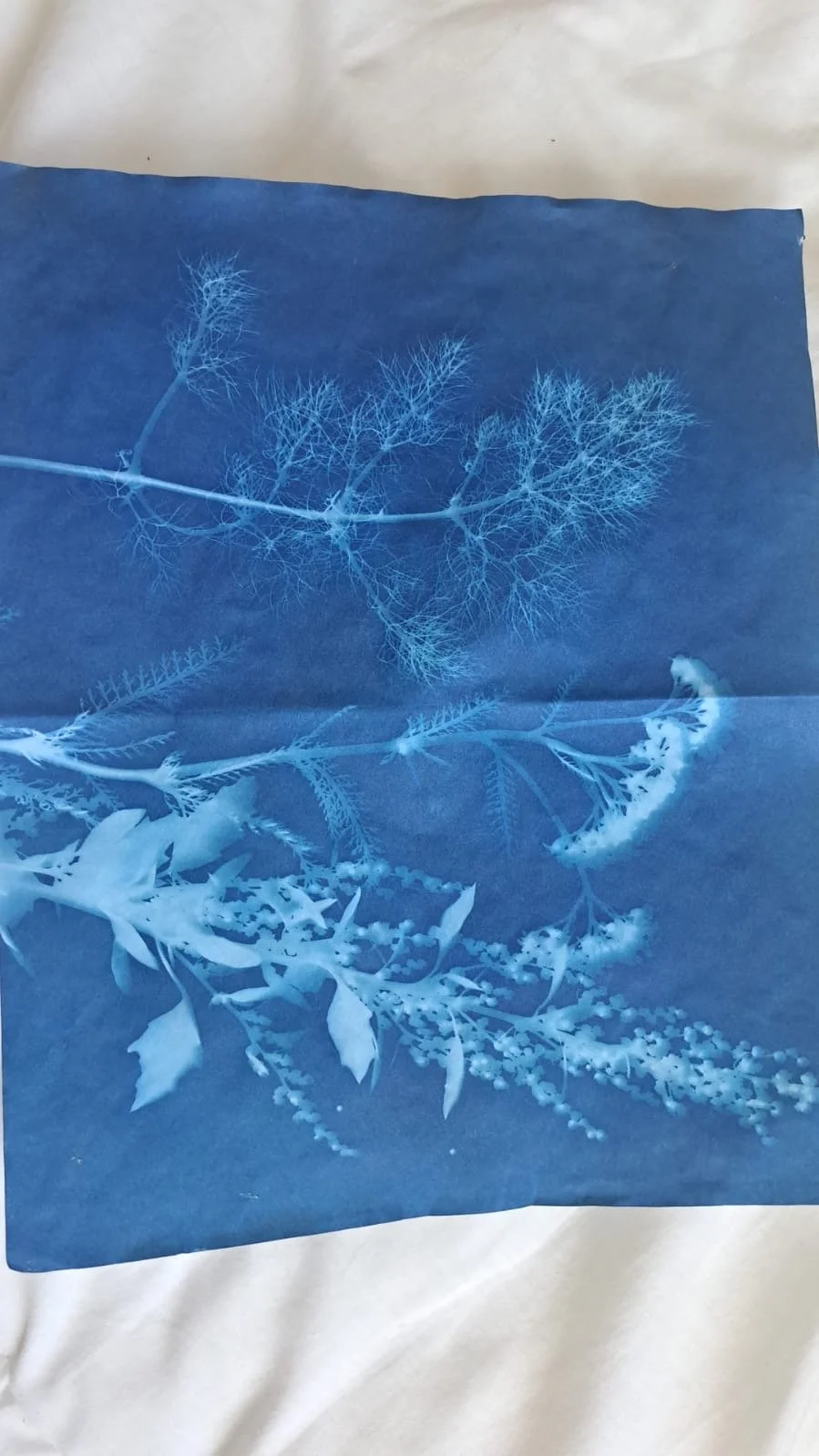
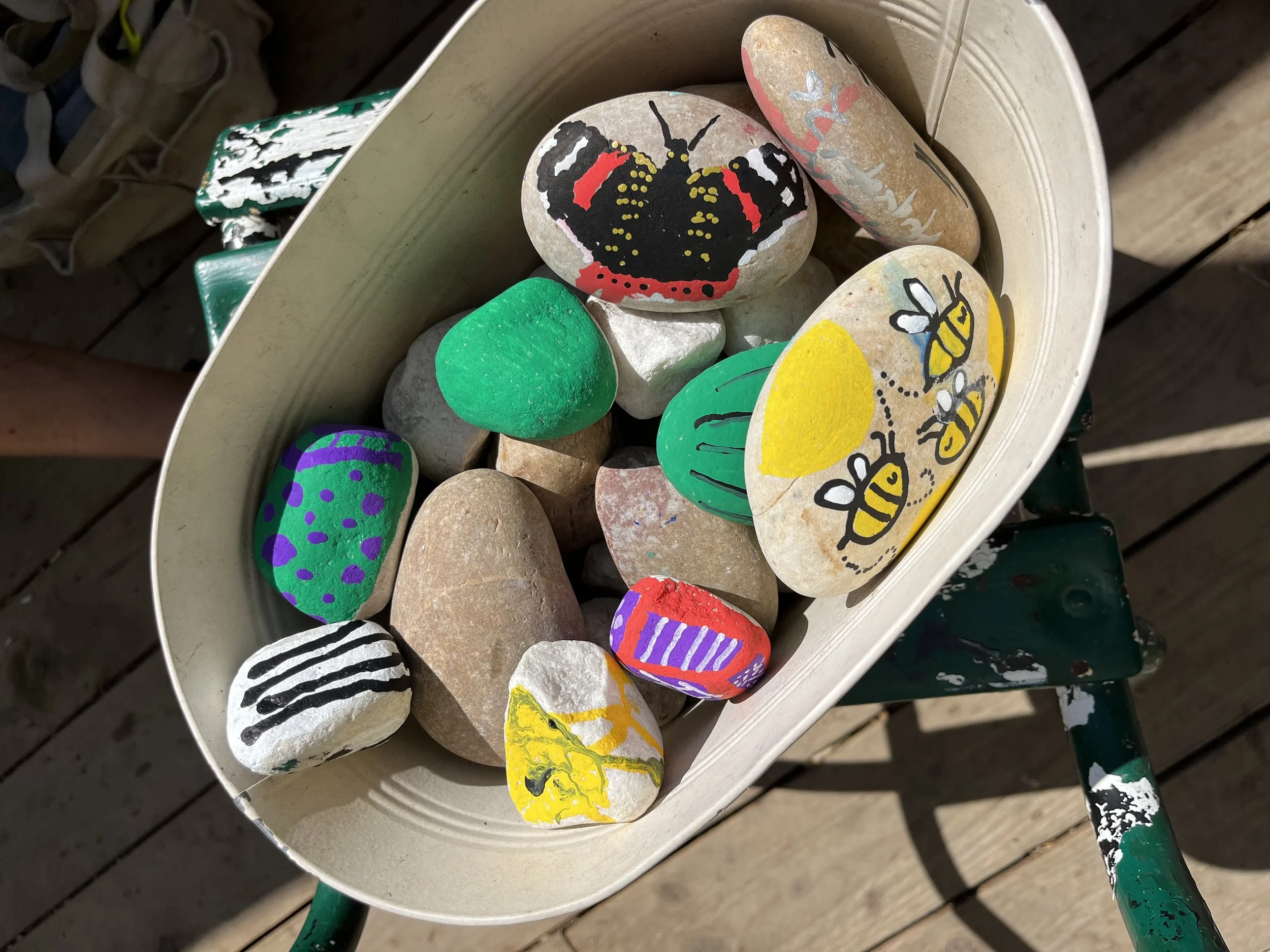
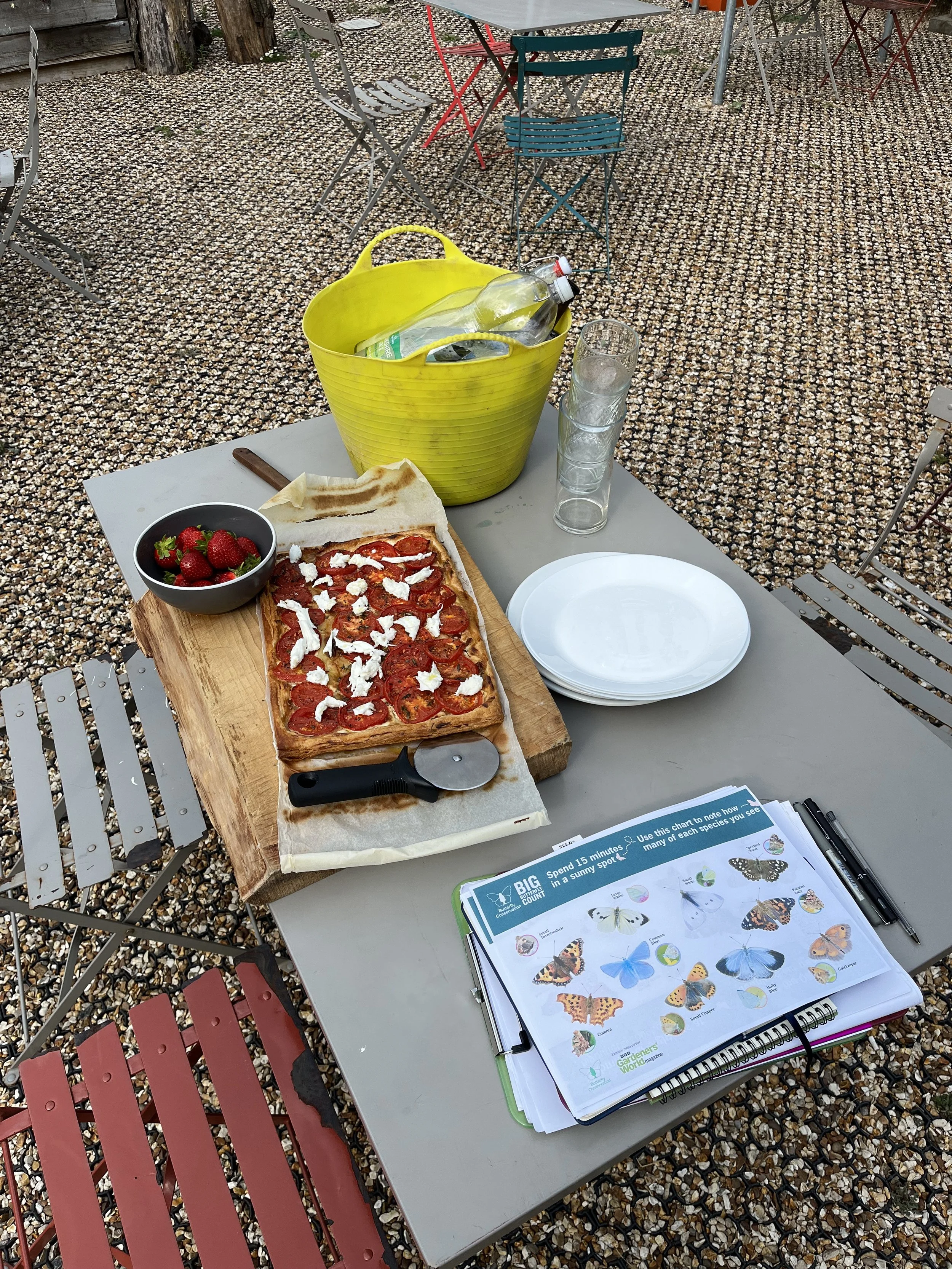
With the mercury spiralling, respite from the gardens’ more demanding tasks at our annual summer parties was very welcome. The summer parties are a chance for us celebrate our volunteers and the hard work they’ve put into building and maintaining the gardens (massive shout out too all our volunteers!). Some of us held picnics in the park, others turned our regular sessions into garden hangouts, with plenty of delicious food and fun activities. Highlights included homemade bramble jam and cake, cyanotype print making, pebble painting and butterfly counts!
Biodiversity surveys
Speaking of butterflies, the warm dry spells and (very) occasional downpour that we’ve been experiencing have created ideal conditions for breeding and caterpillar growth – one silver lining. We’ve counted plenty of cabbage whites, large and small, red admirals and painted ladies, whose forefathers will have migrated from sub-Saharan Africa only a few generations ago! Creating habitat for our colourful, winged friends is one of the many aims of cultivating our greenspaces.
To try and quantify the impact of our efforts, we’ve been conducting biodiversity surveys with the volunteers in our gardens! Taking a community science approach to this work means us and our volunteers can develop important skills in surveying and evaluate the green spaces we manage together. With the data we’ve collected, and an eye on what’s survived the drought and what hasn’t, we can develop new ideas with our community groups to ensure success in our goal of maintaining and improving biodiversity in our spaces.
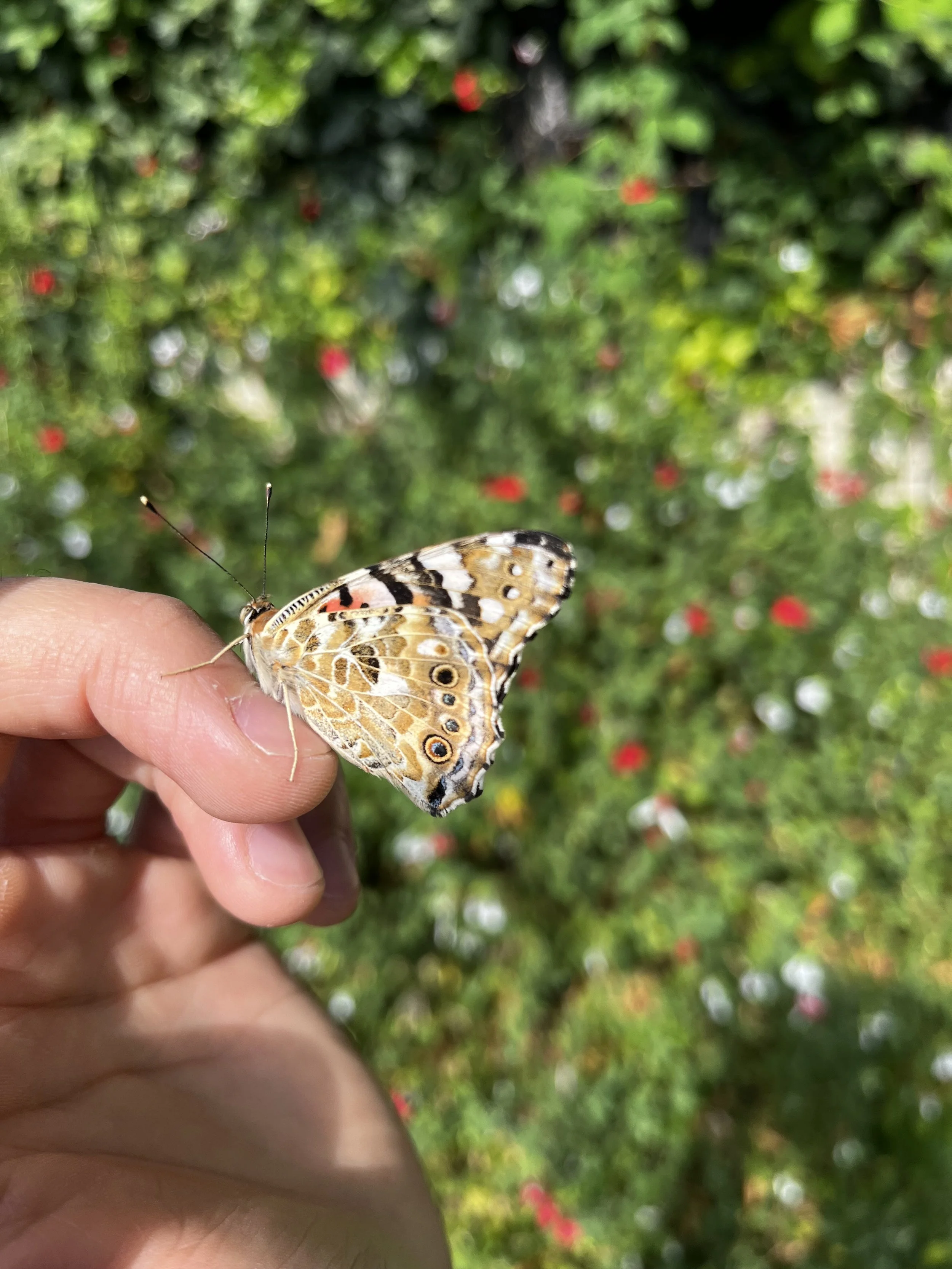
Photo: Finley Kamen
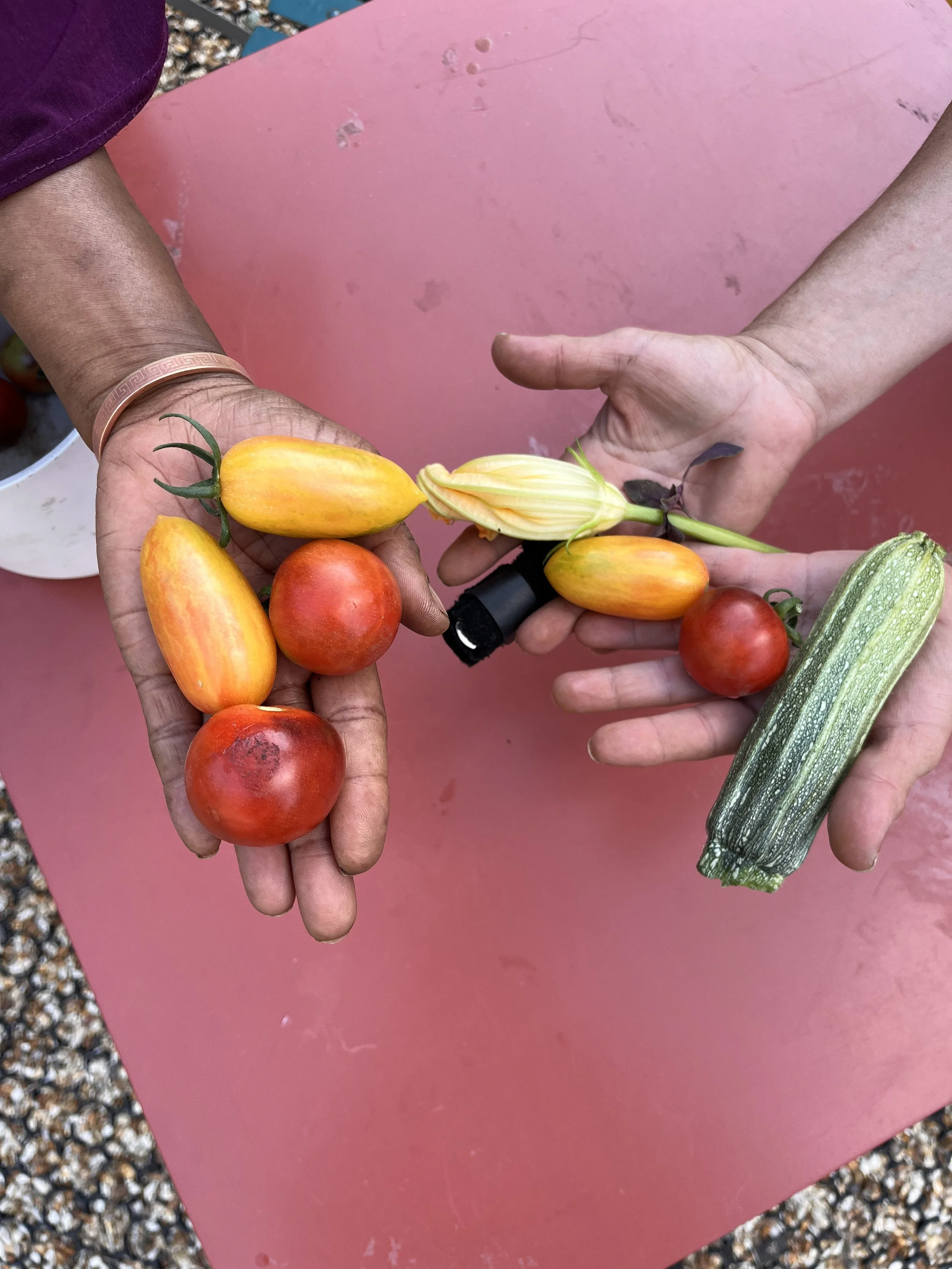
This summer, nature has been shouting at us in many ways. Whether through vibrant colours and bumper crops of summer fruits and vegetables, abundance of pollinators, lack of rain, or even a once-in-lifetime celestial events, the least we can do is listen and reflect on the way our environment and our climate shape our day-to-day lived experiences for better or worse.

Photo: Finley Kamen