
The Right to Nature
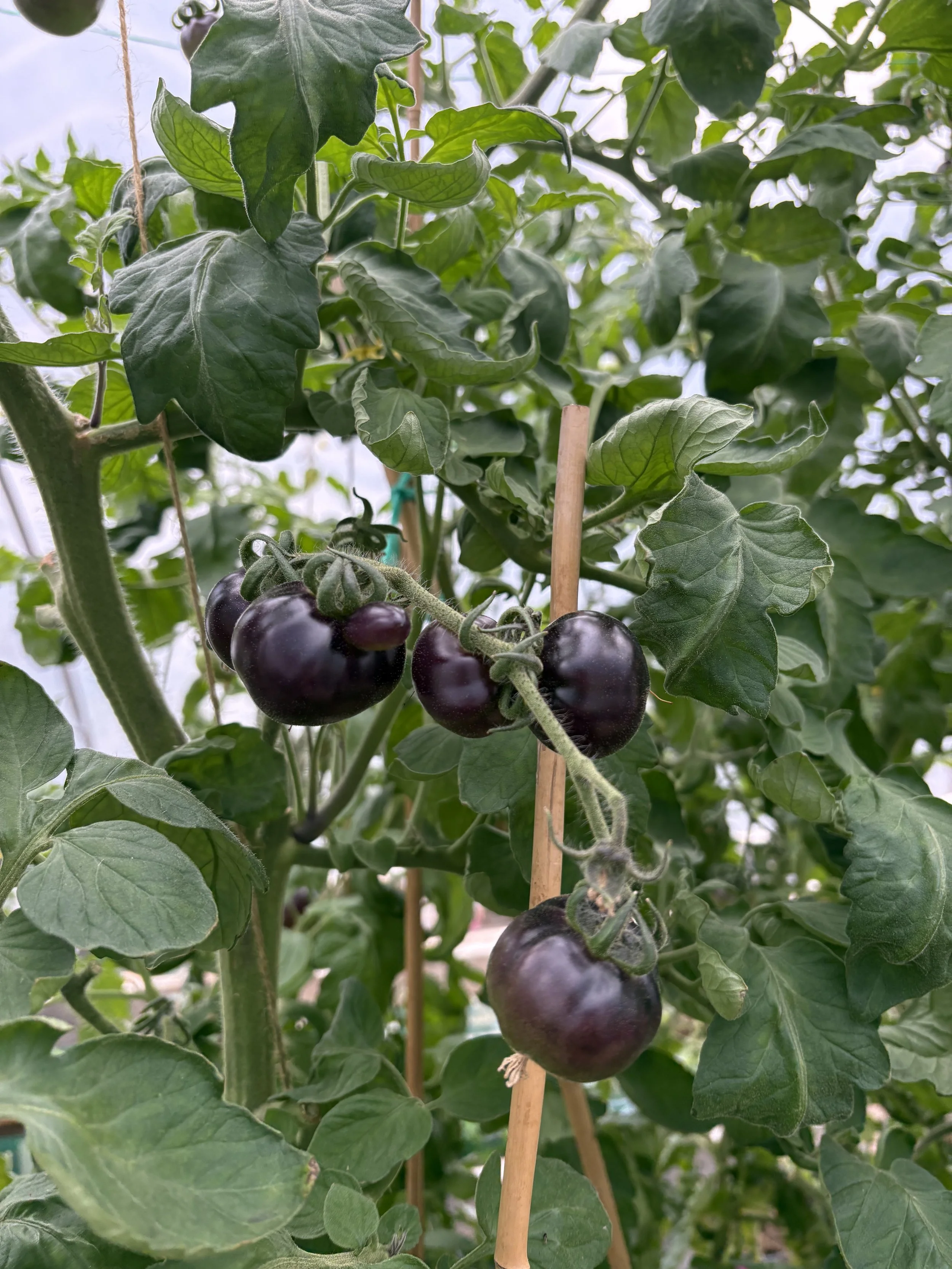
Many years ago, I planted tomatoes in a forgotten patch of land at the top of my street in Lambeth.
It wasn't really a garden. It was a derelict bus stop, covered in rubbish, unloved and unnoticed by almost everyone who walked past it. I saw possibility where others saw waste and, with youthful optimism, planted food and flowers believing people would simply be grateful.
One afternoon I walked past and saw a young boy, about eight years old, stamping on the biggest tomato we had grown. He crushed it beneath his trainer, watched it splatter across the pavement and then reached for another.
I'll be honest.
My first thought wasn't charitable.
But my second thought changed my life.
Instead of shouting, I walked over and spoke to him.
Looking back, that squashed tomato tells a much bigger, stickier story. At first I thought I had witnessed a child destroying something beautiful. In reality, I was witnessing a city that had never invited him to belong.
The space wasn't his. Nobody had asked him what he wanted there. Nobody had involved his family. Nobody had asked the street itself what it needed. It was another forgotten patch of land in a neighbourhood that had become accustomed to forgotten places. The problem wasn't the boy. The problem was ownership. So we started talking. Not just with him, but with his family and with the whole street.
Slowly the project changed. Together we decided what should be planted. Together we agreed how it should be looked after. Together we created activities and reasons to return. What had begun as my intervention became our shared place. The tomatoes were no longer mine. The garden belonged to the community. And something remarkable happened. People protected what they had helped create.
That experience has shaped almost everything I have done since. It taught me something I have carried with me for years: We are not born disconnected from nature; we are born disconnected from access to it. When people don't feel they belong to the world around them, they struggle to care for it. When they are trusted to shape it, they begin to protect it. Marginalisation reproduces marginalisation. But belonging creates stewardship.
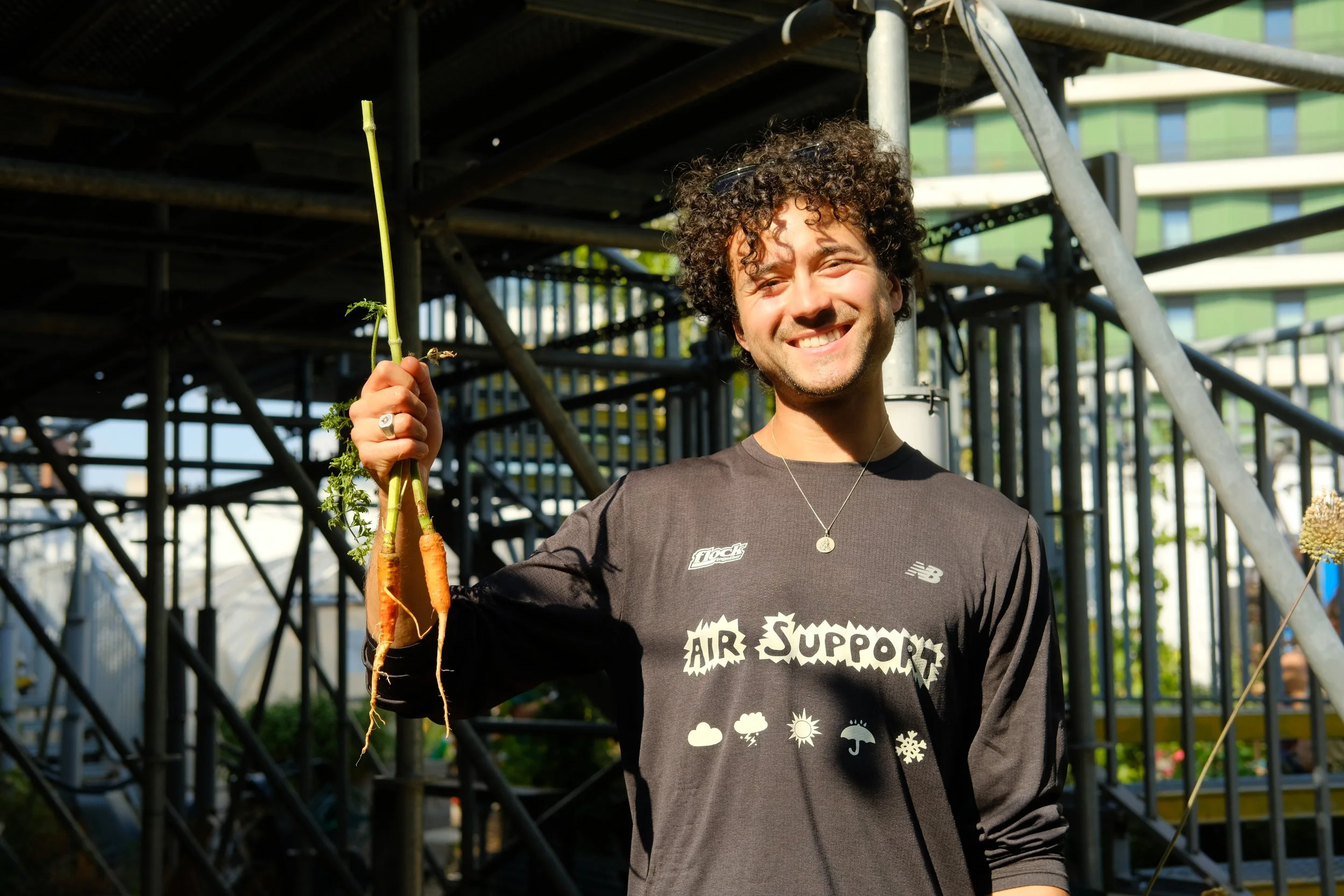
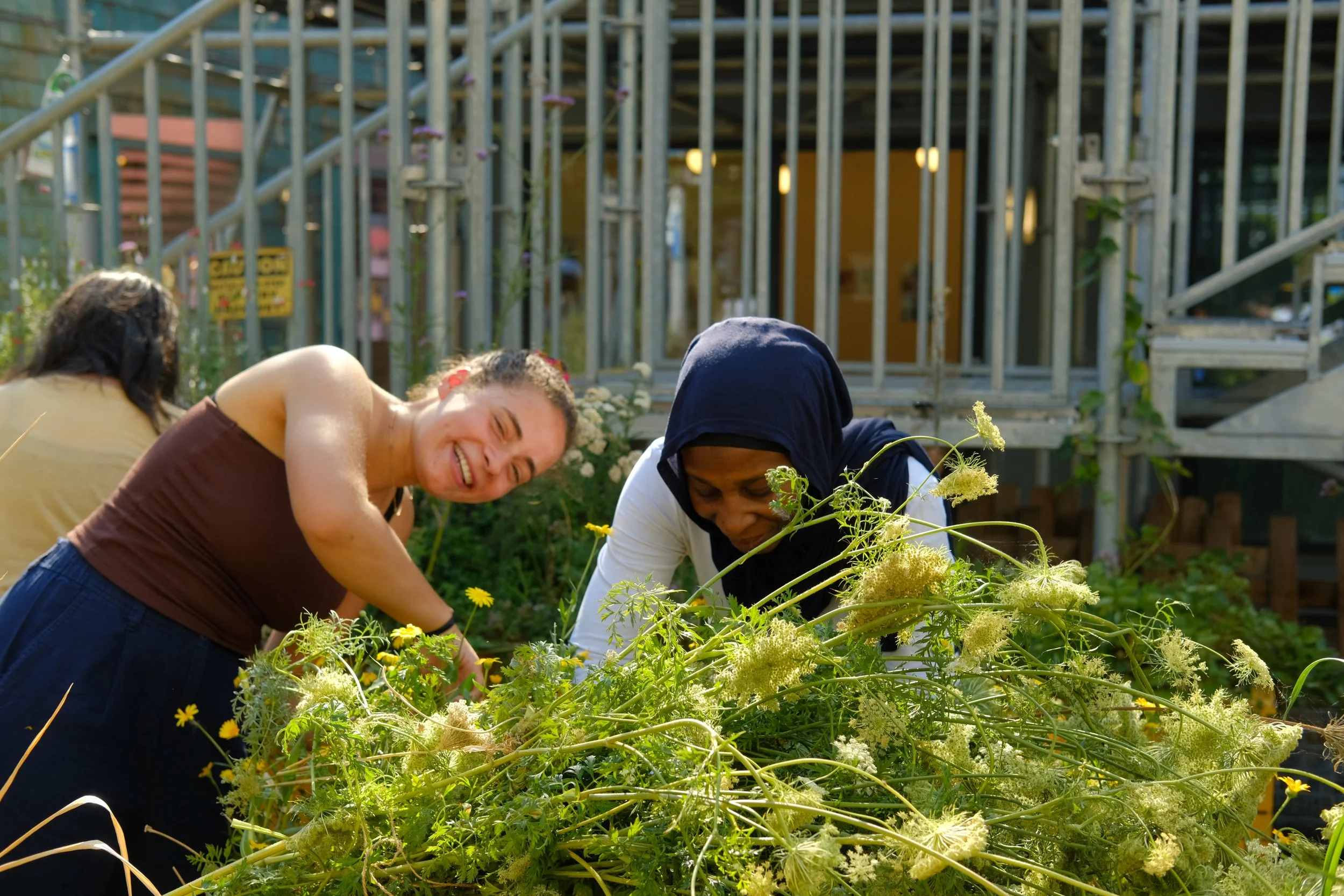
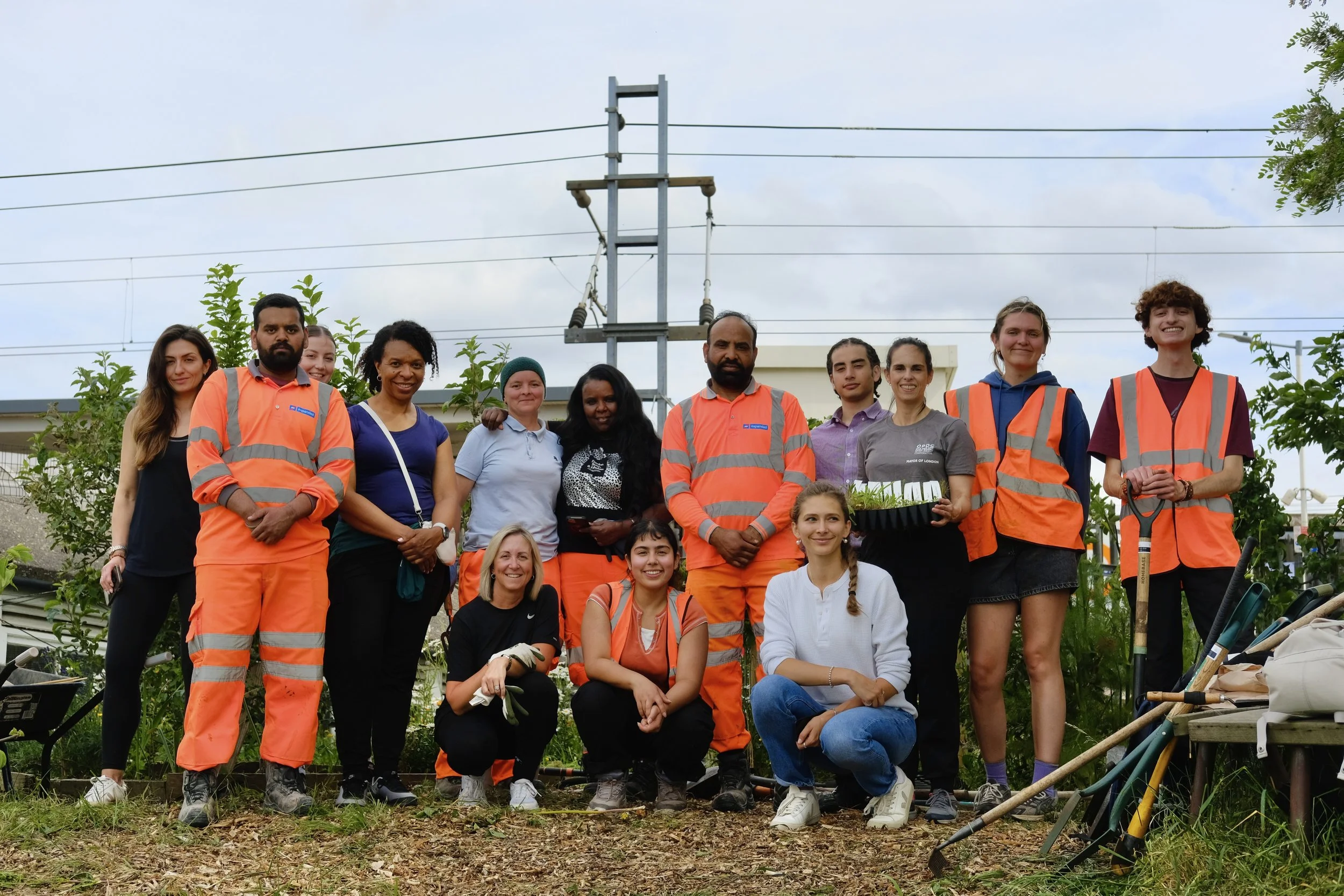
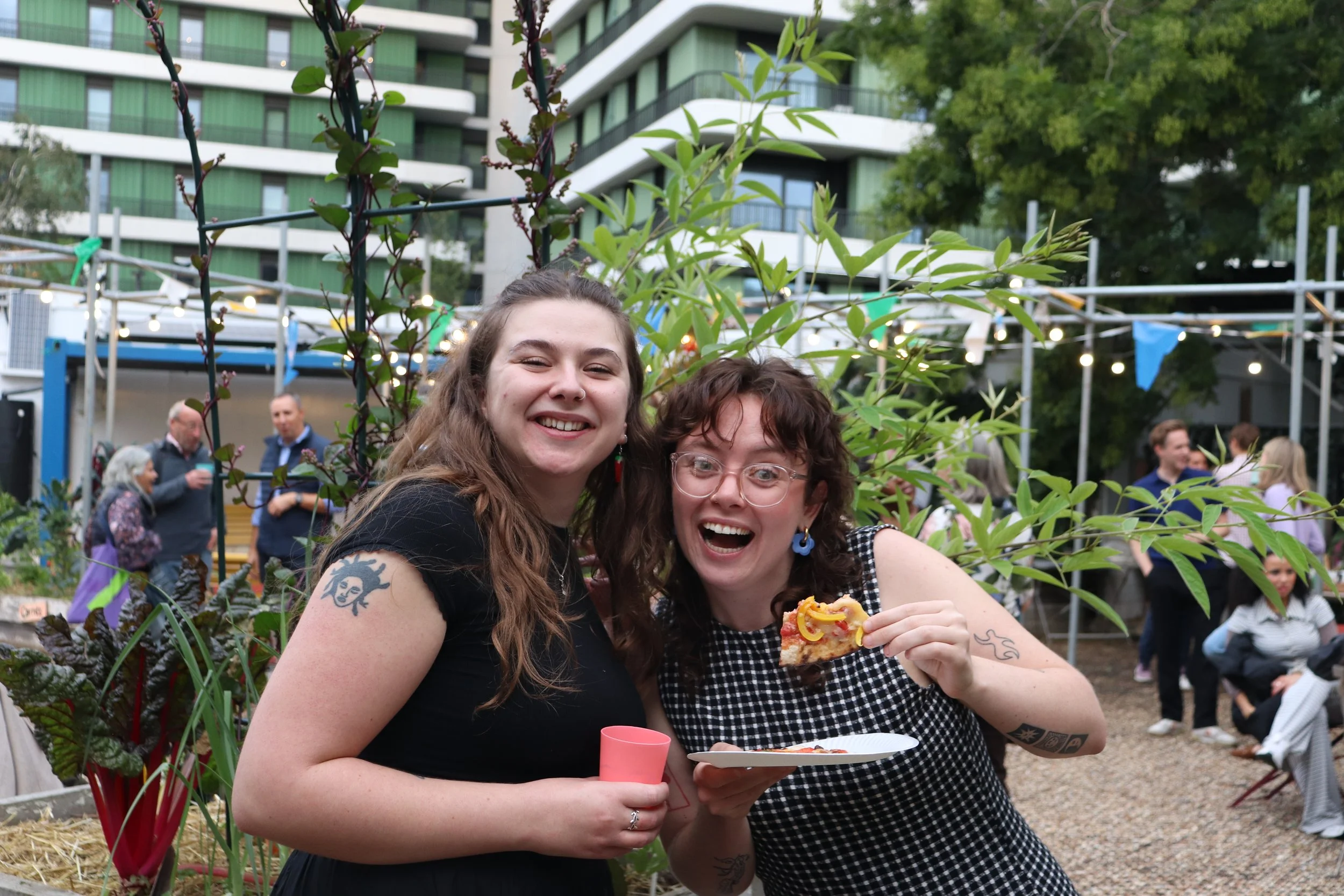
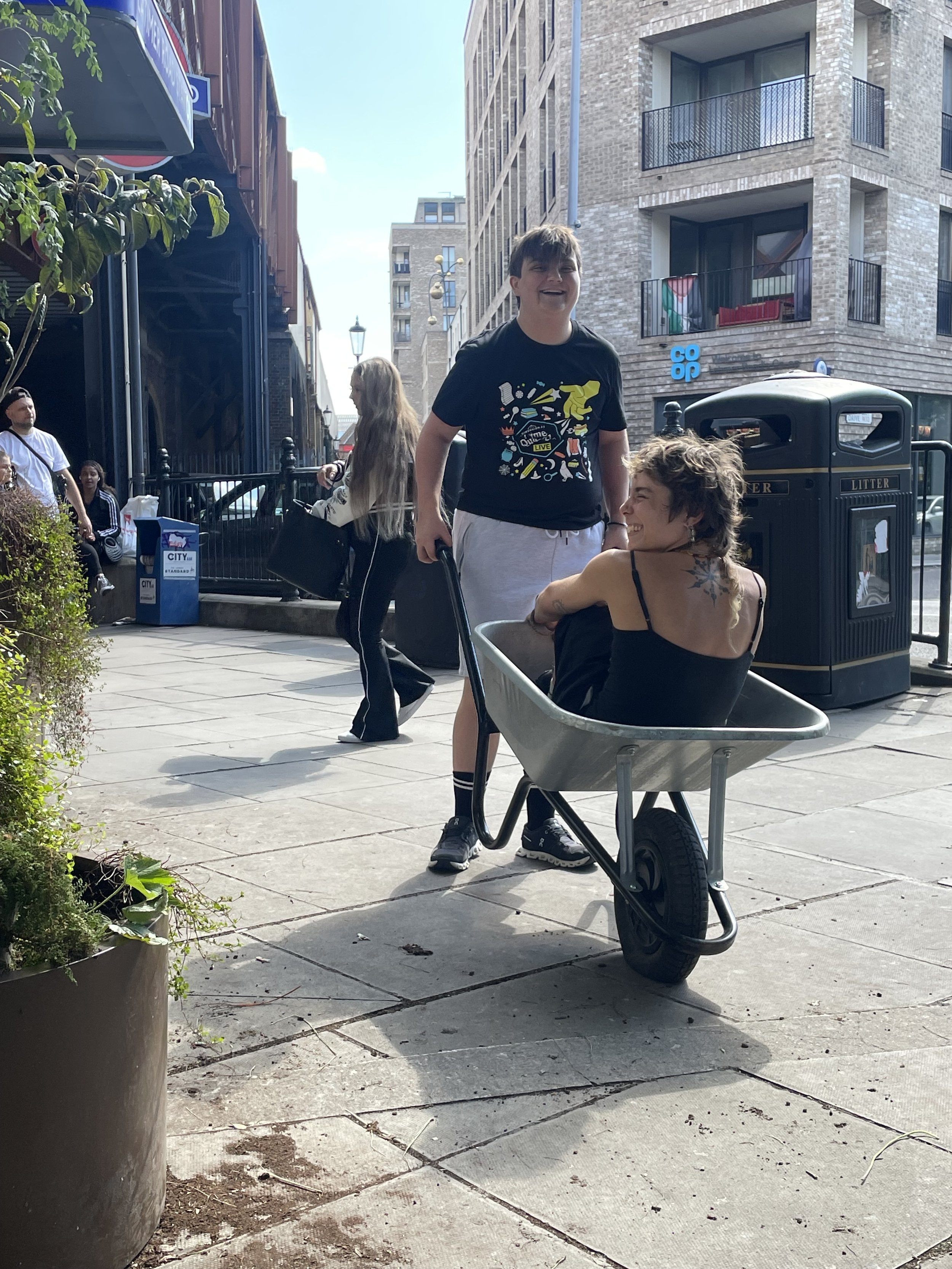
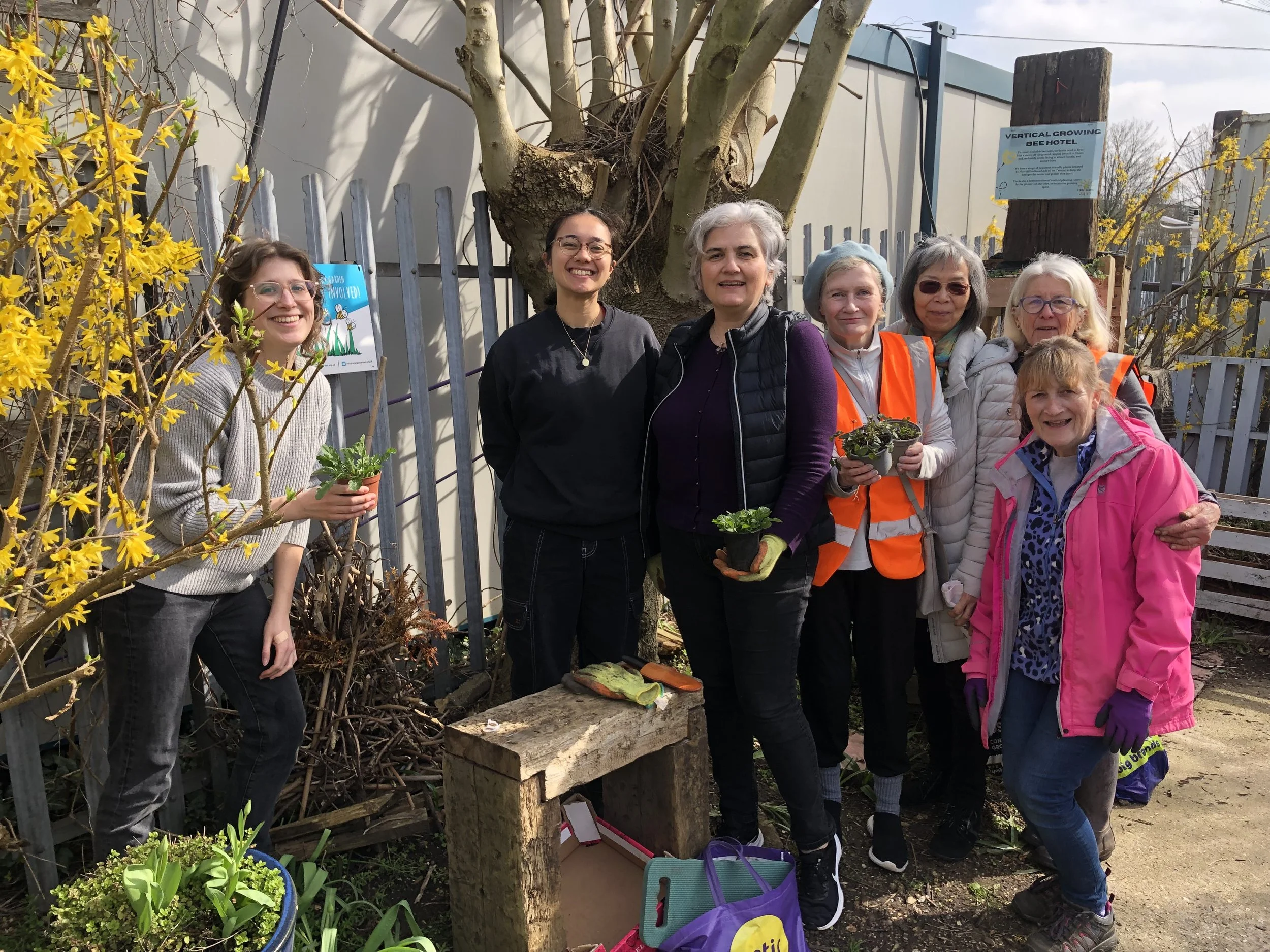
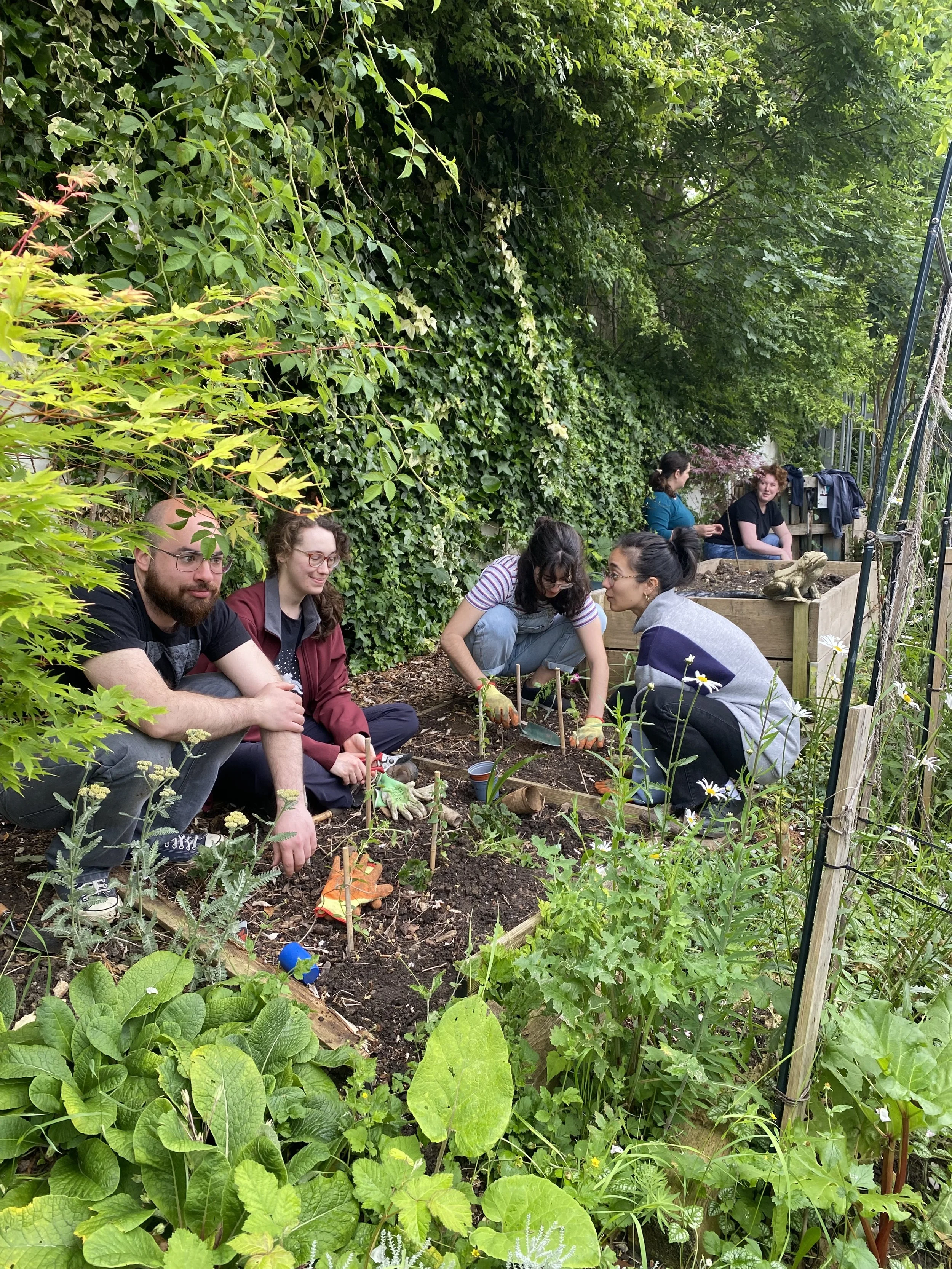
The flowers flourish, wildlife returns, children become scientists, teenagers become leaders, neighbours become friends, forgotten places begin to heal the people around them, just as the people begin to heal the places. That is the real story of Energy Garden.
People often think we grow vegetables, flowers, or community-owned solar. But none of those things are really the point. Energy Garden grows people. The vegetables are simply the evidence.
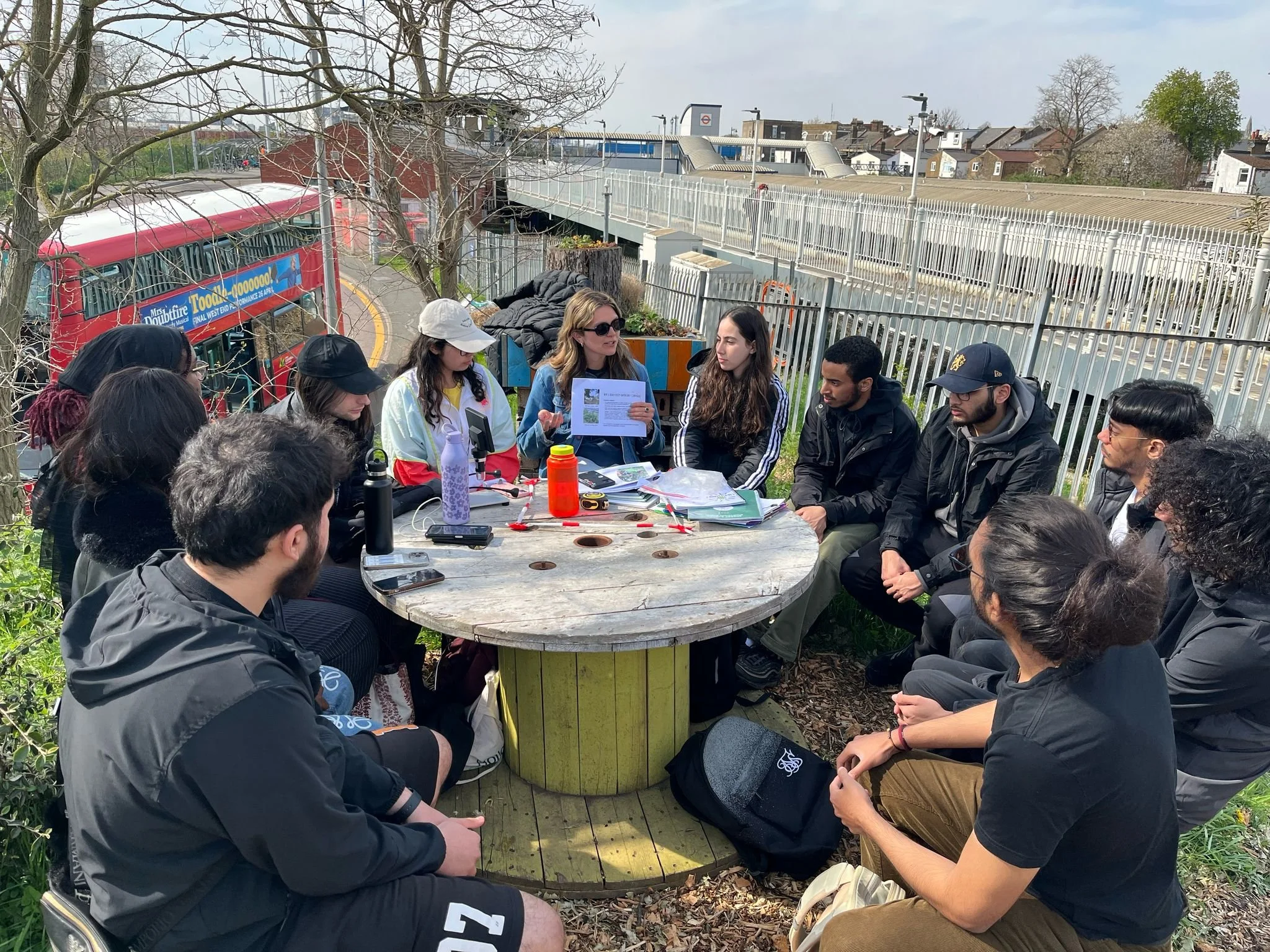
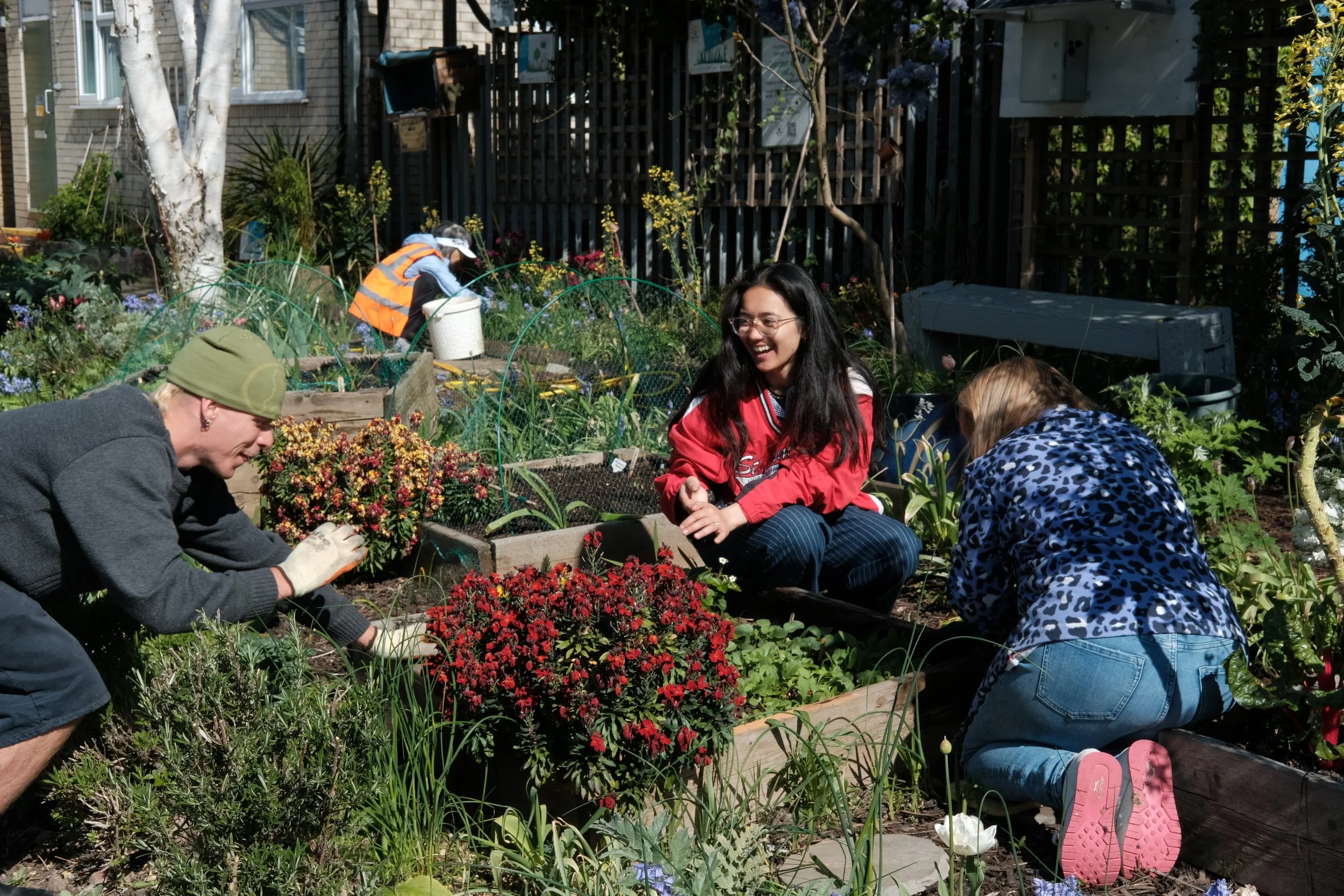
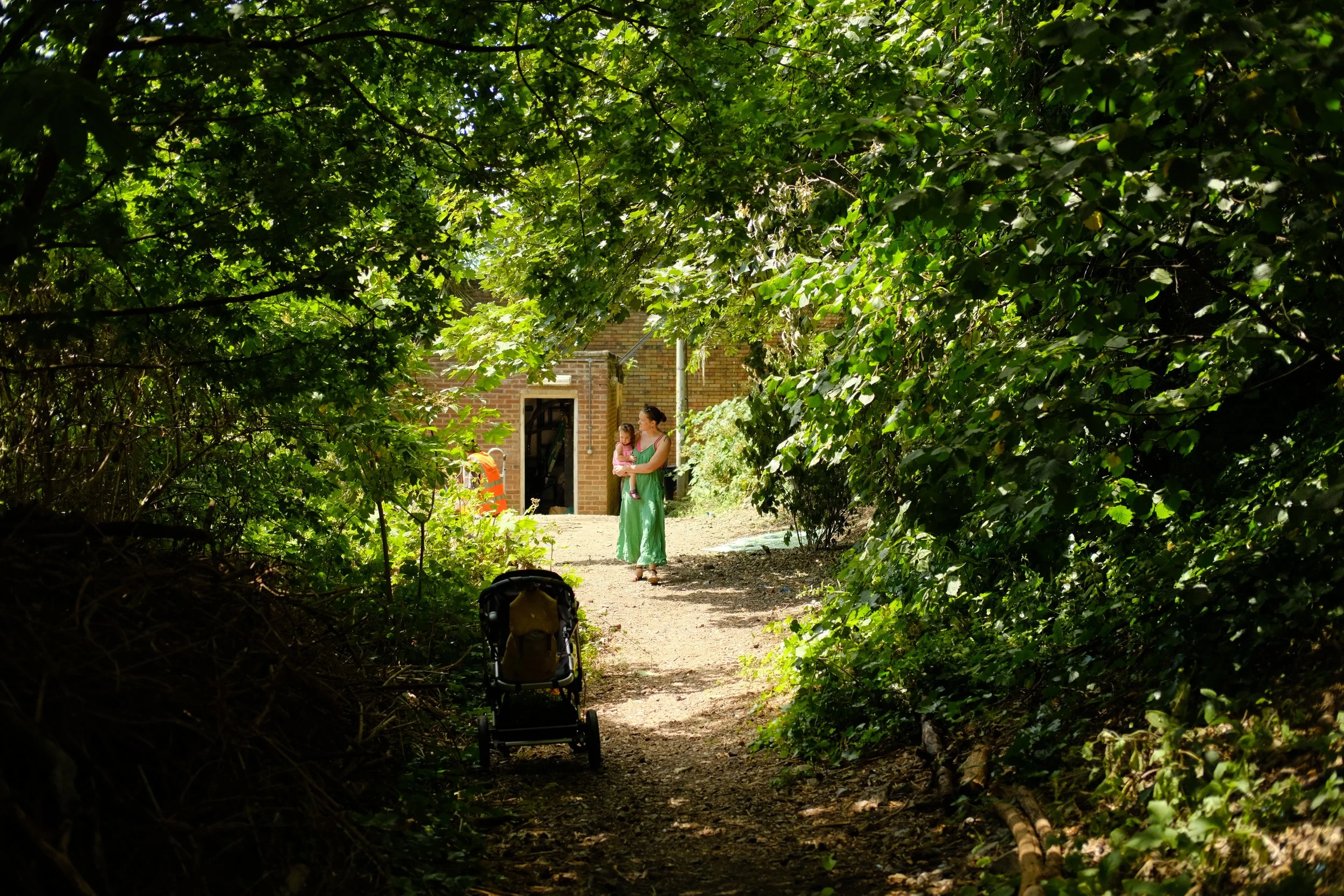
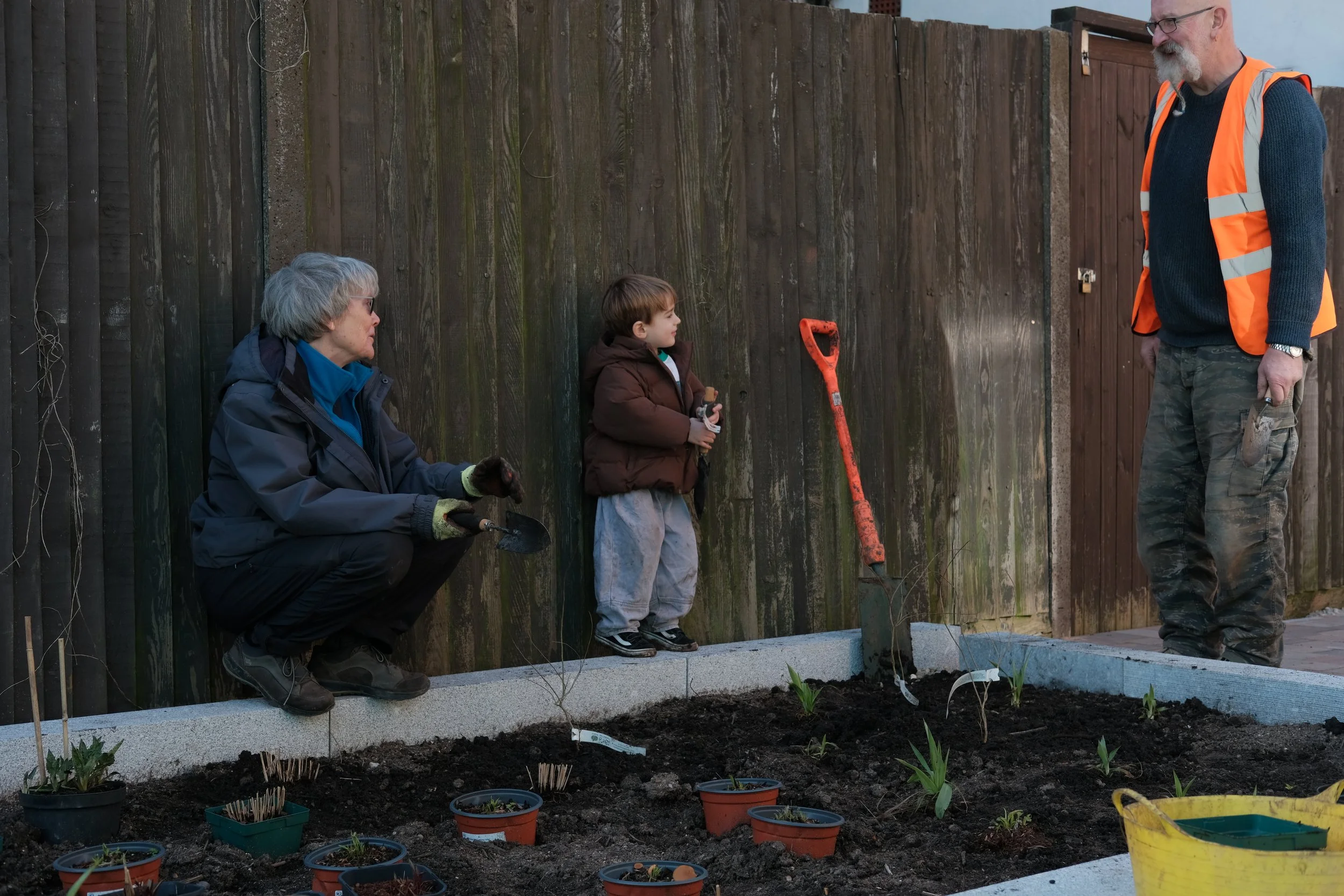
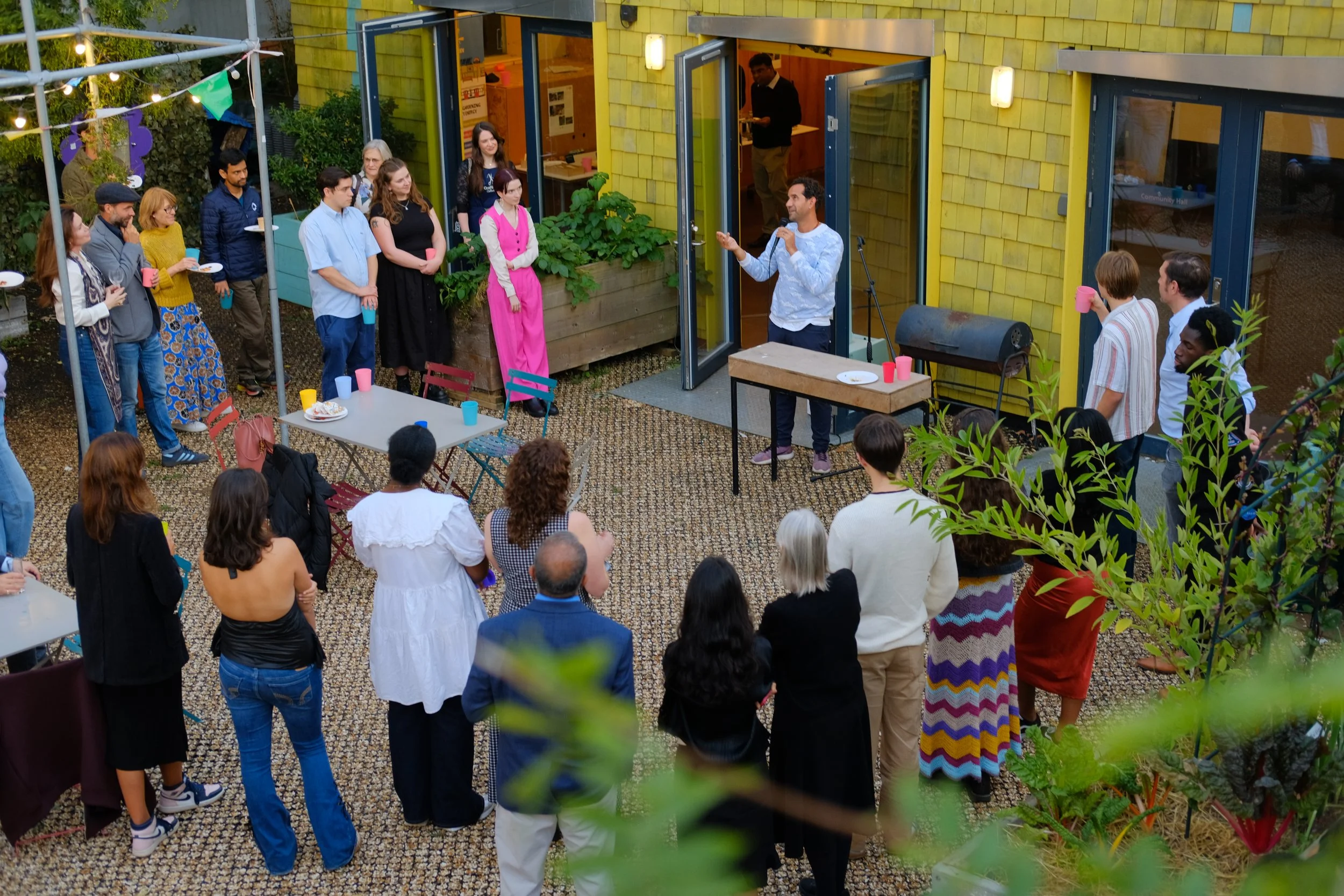
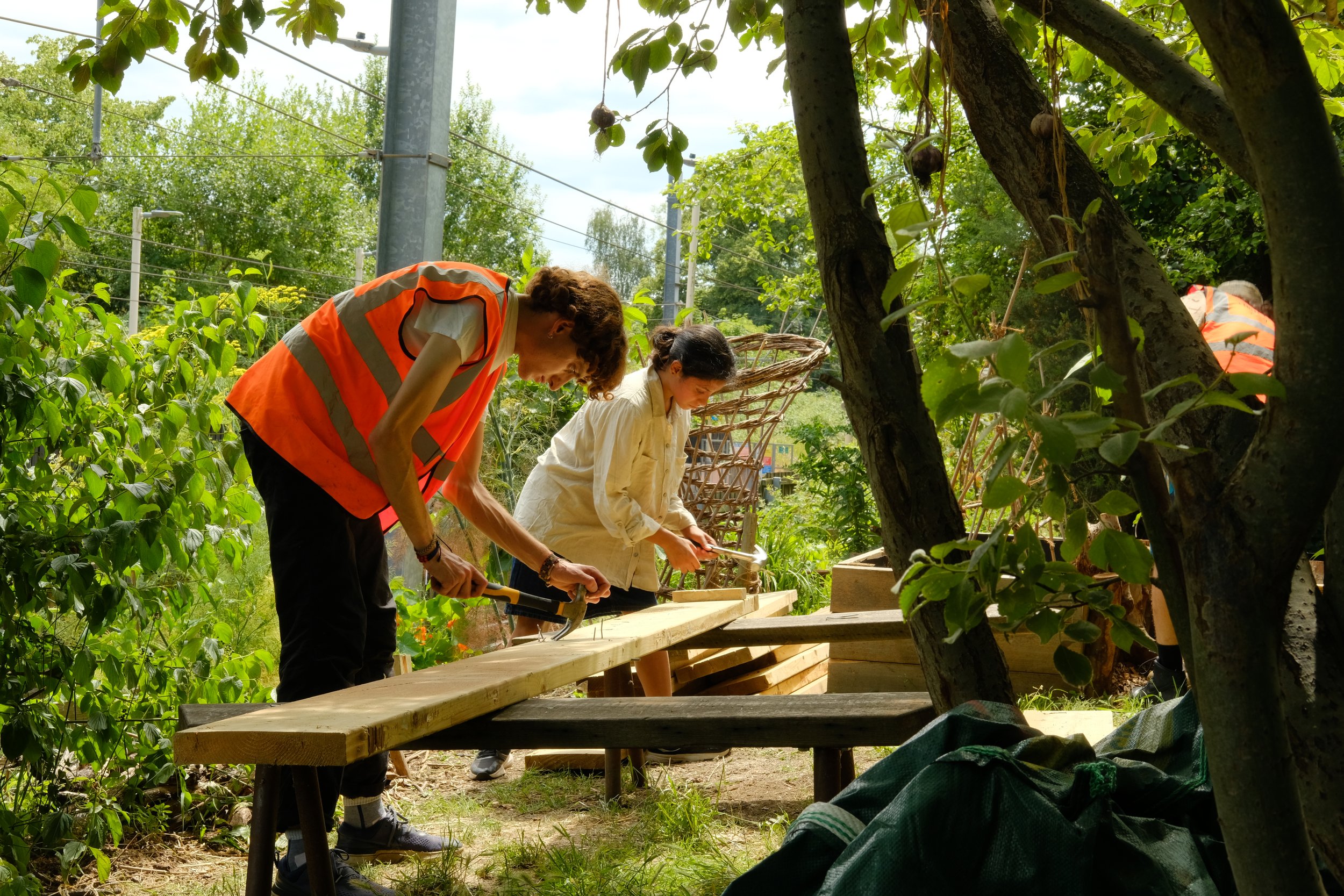
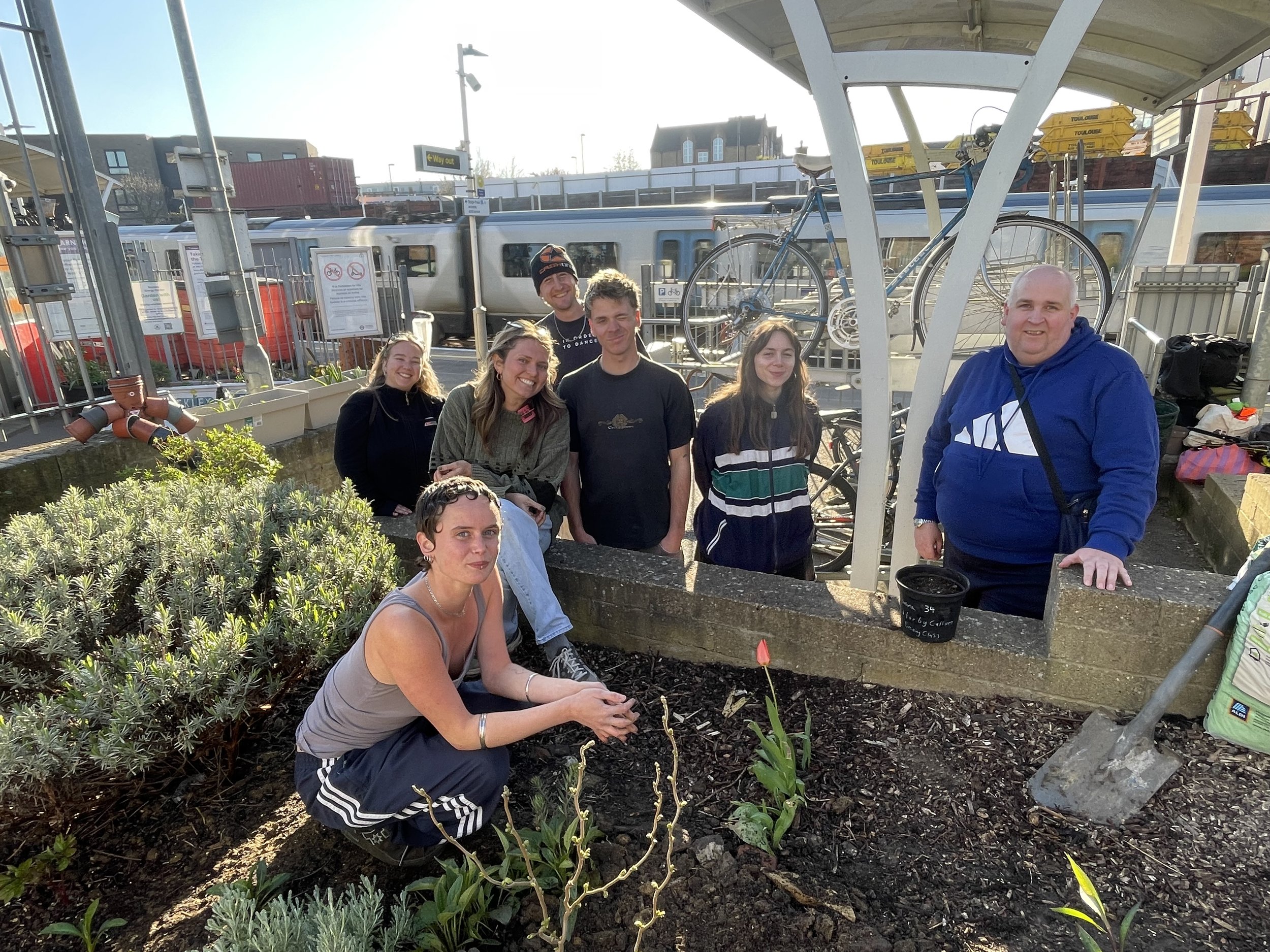
This April we publish our third annual Biodiversity Report.
On the surface it is a scientific document that measures habitats, species diversity and ecological change across our growing network of community spaces. It records a 55% increase in biodiversity scores since last year and a remarkable 118% increase since 2023.
More habitats; More trees; More species; More volunteers; More people trained in biodiversity surveying and community science. The numbers are wonderful, but they are not the story. The story is belonging.
Over the last fifteen years, together with local communities and extraordinary partners, Energy Garden has invested more than £4.3 million into creating spaces for Londoners because we believe access to nourishing, beautiful environments is not a luxury. It is a human right.
There is increasing recognition across public health, planning and environmental justice that those with the least access to quality green space often stand to benefit from it the most. That inequality is not inevitable. It can be redesigned.
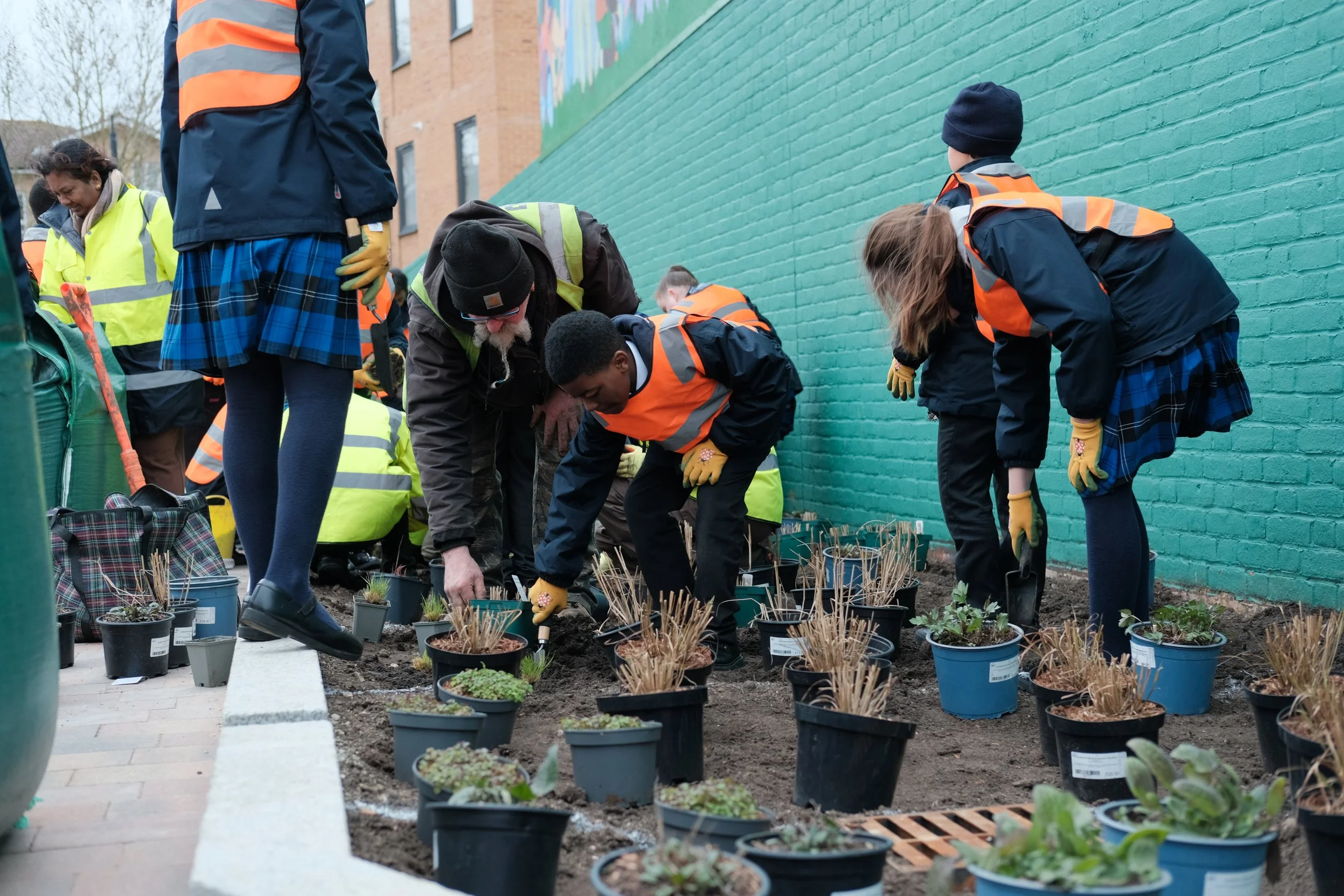
Today our work stretches from Hatton Cross to Canonbury, from Ladbroke Grove to Boston Manor, from Brent to Barnet, from Hounslow to Islington.
At Hatton Cross we are demonstrating that biodiversity and transport infrastructure can evolve together.
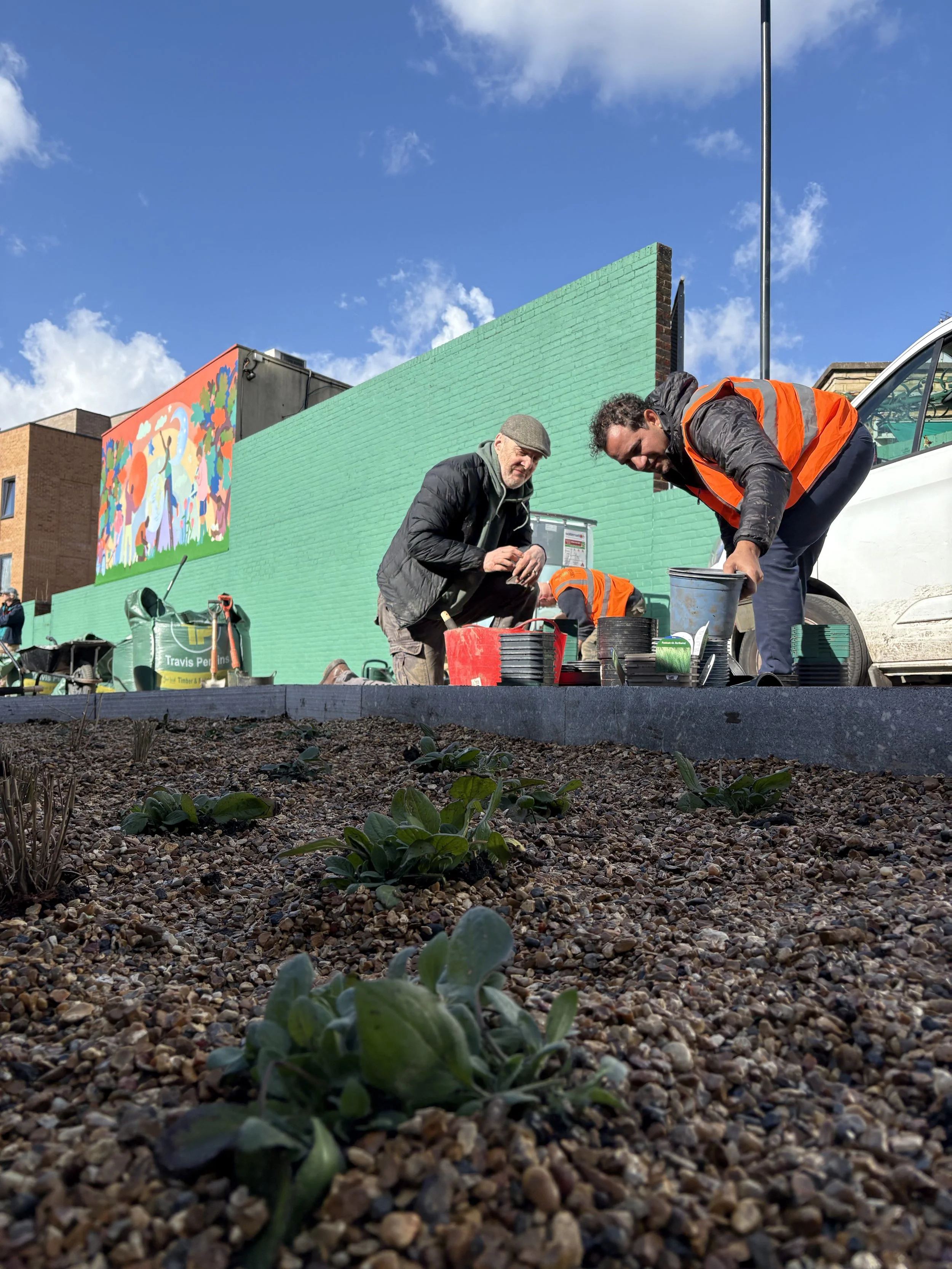
With Brent Council we are depaving streets and creating rain gardens with local communities.
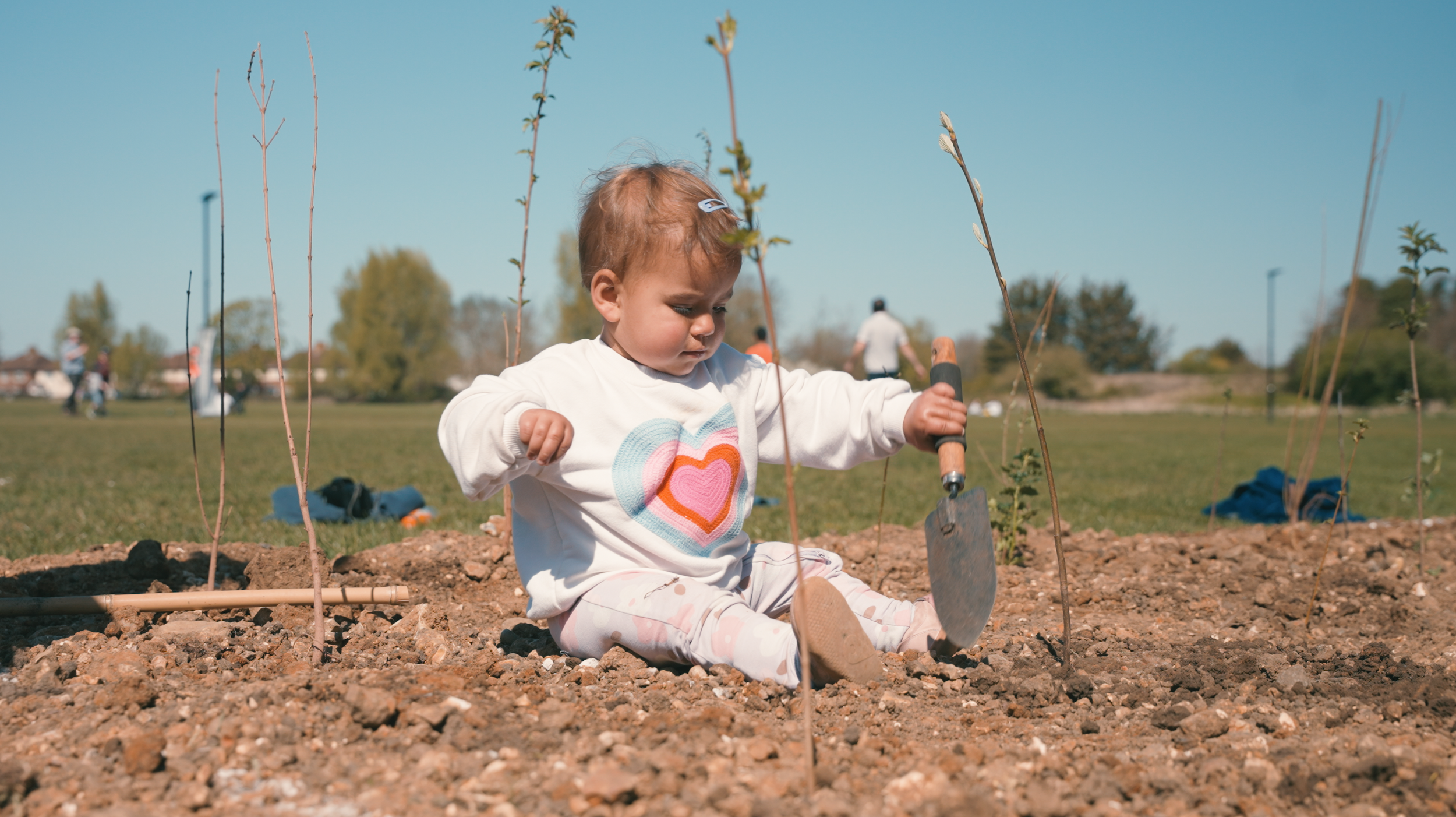
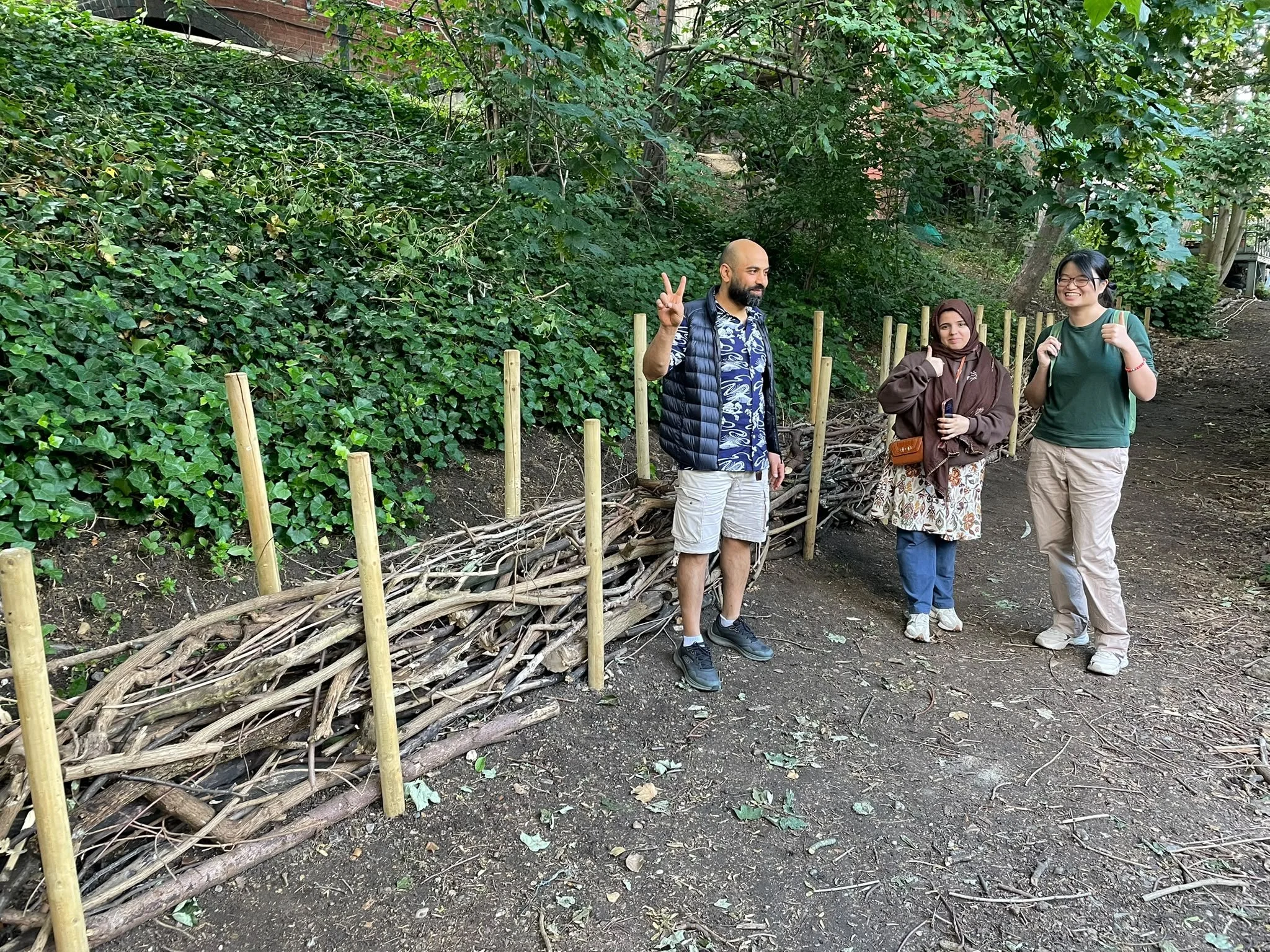
In Hounslow we are establishing thousands of trees and resilient urban forests.
At Cultivate Colindale we are helping shape a regenerative neighbourhood rooted in participation rather than prescription.
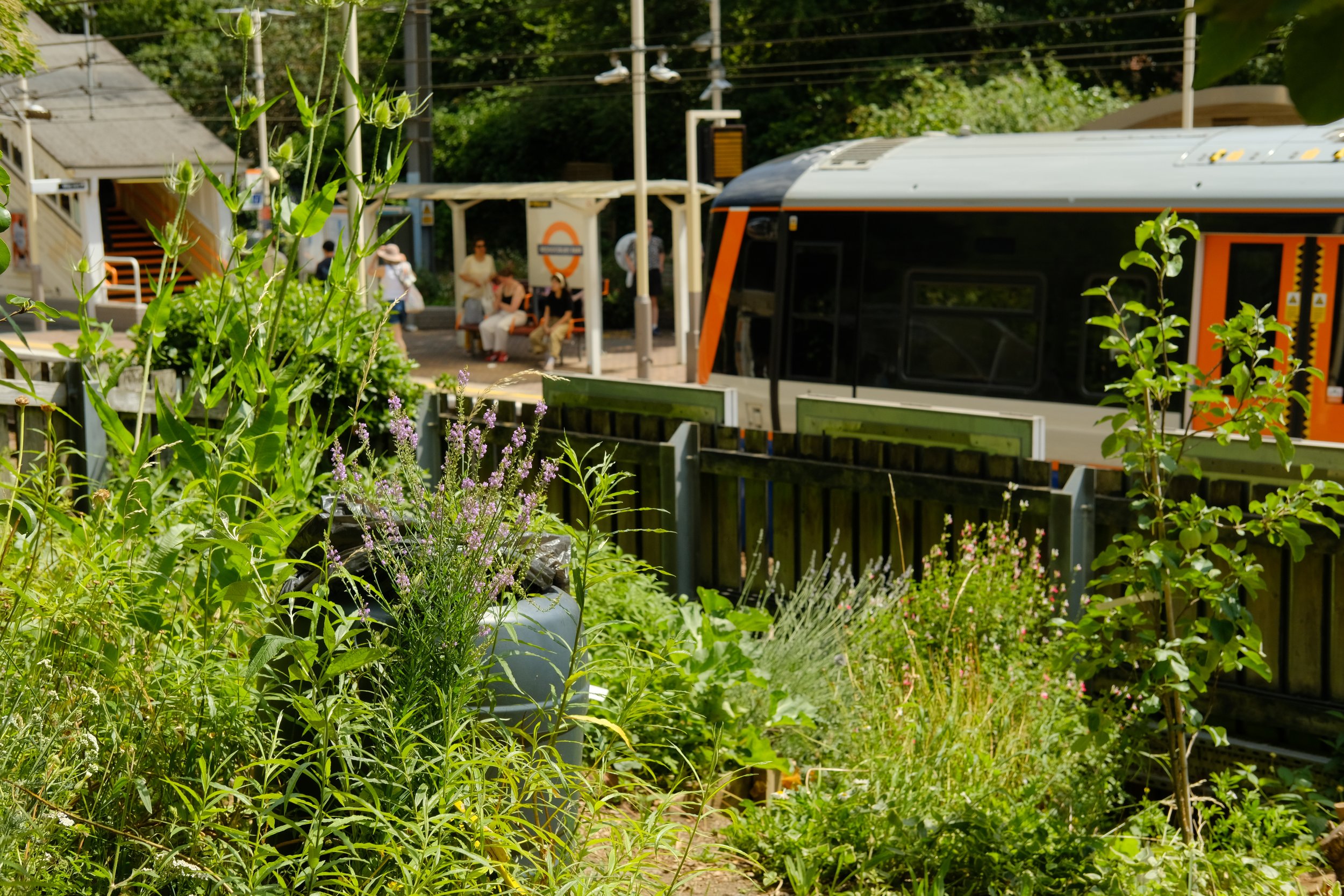
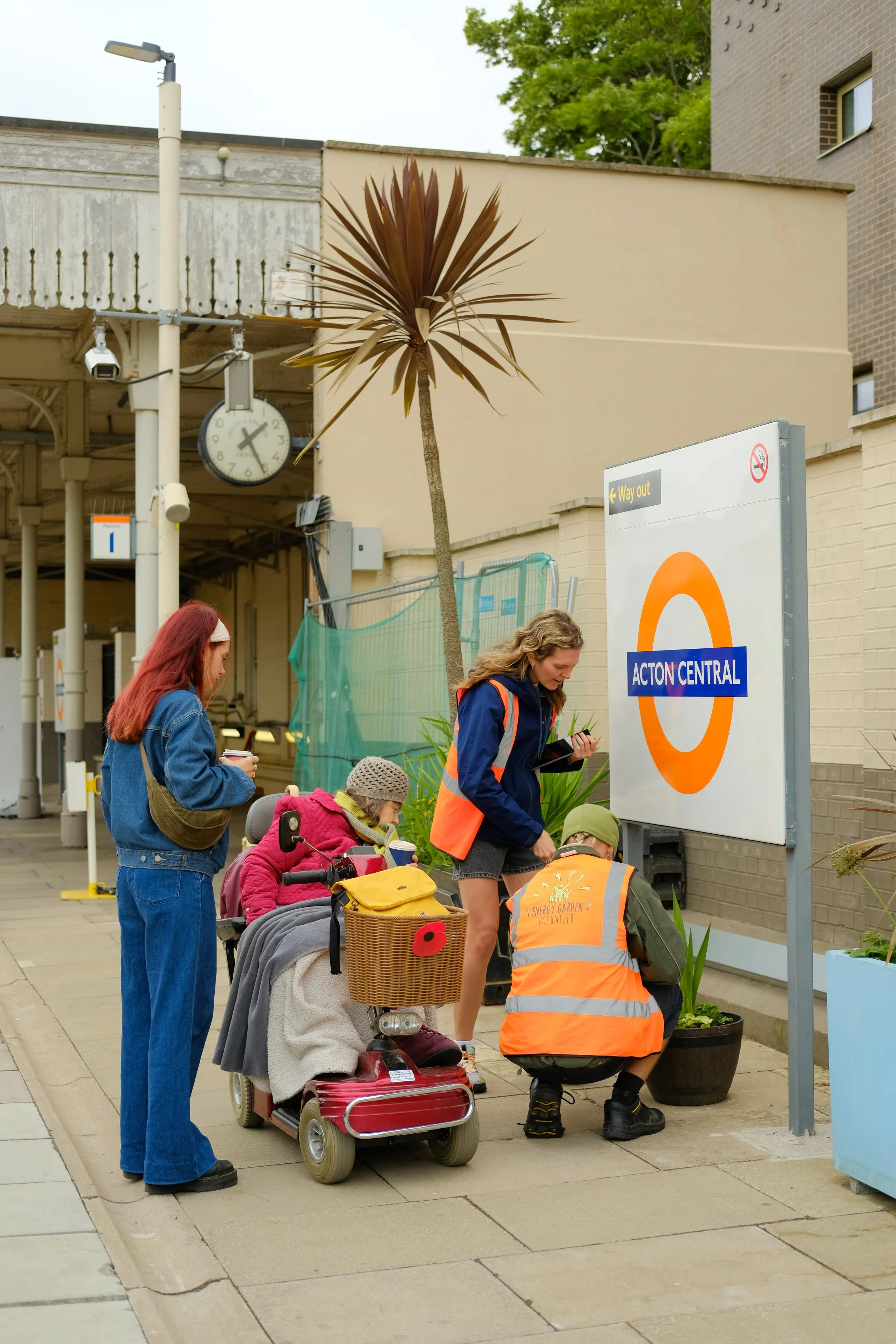
At Canonbury and across the London Overground we continue to transform stations from places people simply pass through into places where they choose to stop, learn, grow and belong.
Turning the journey into the destination.
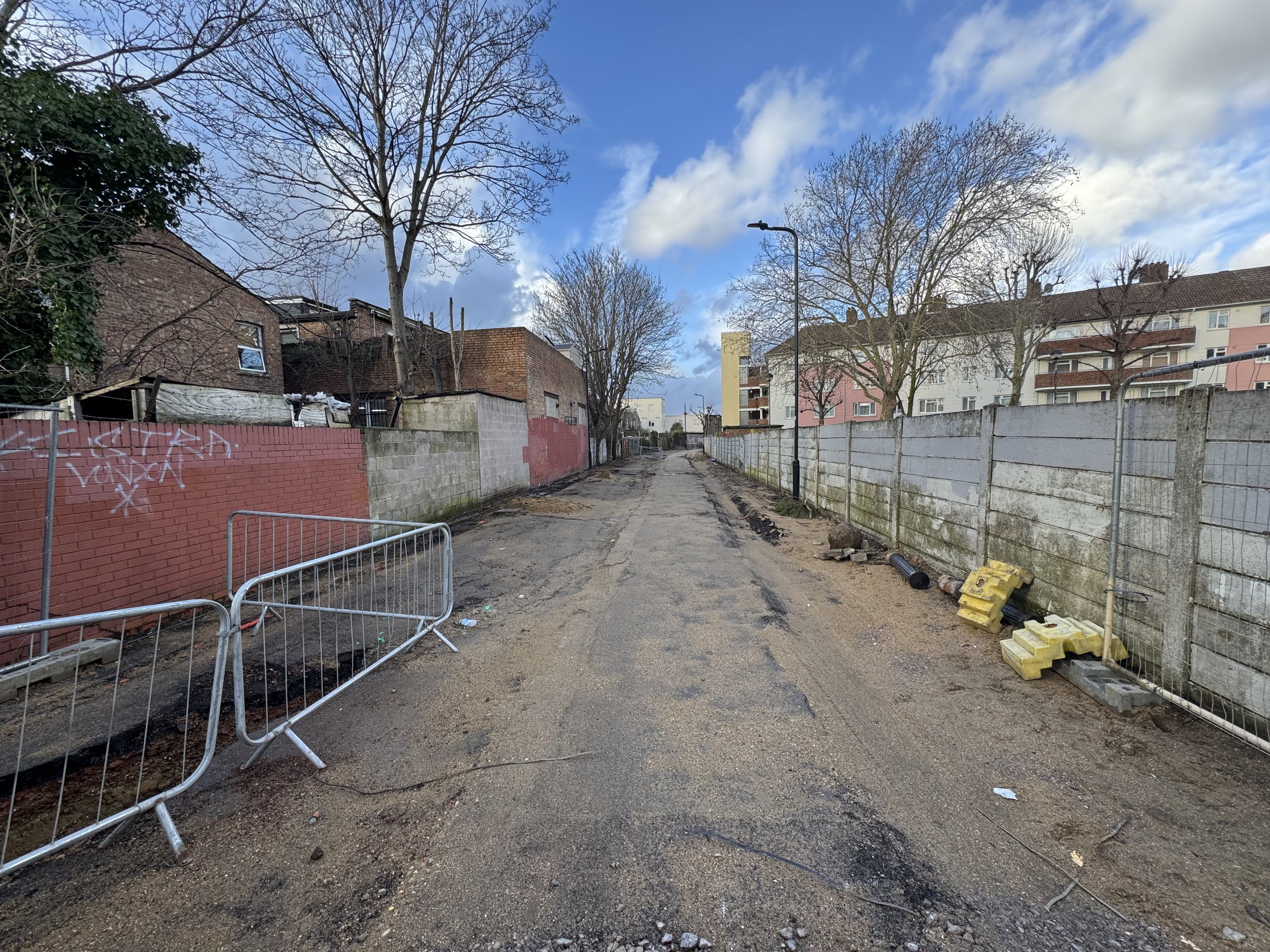
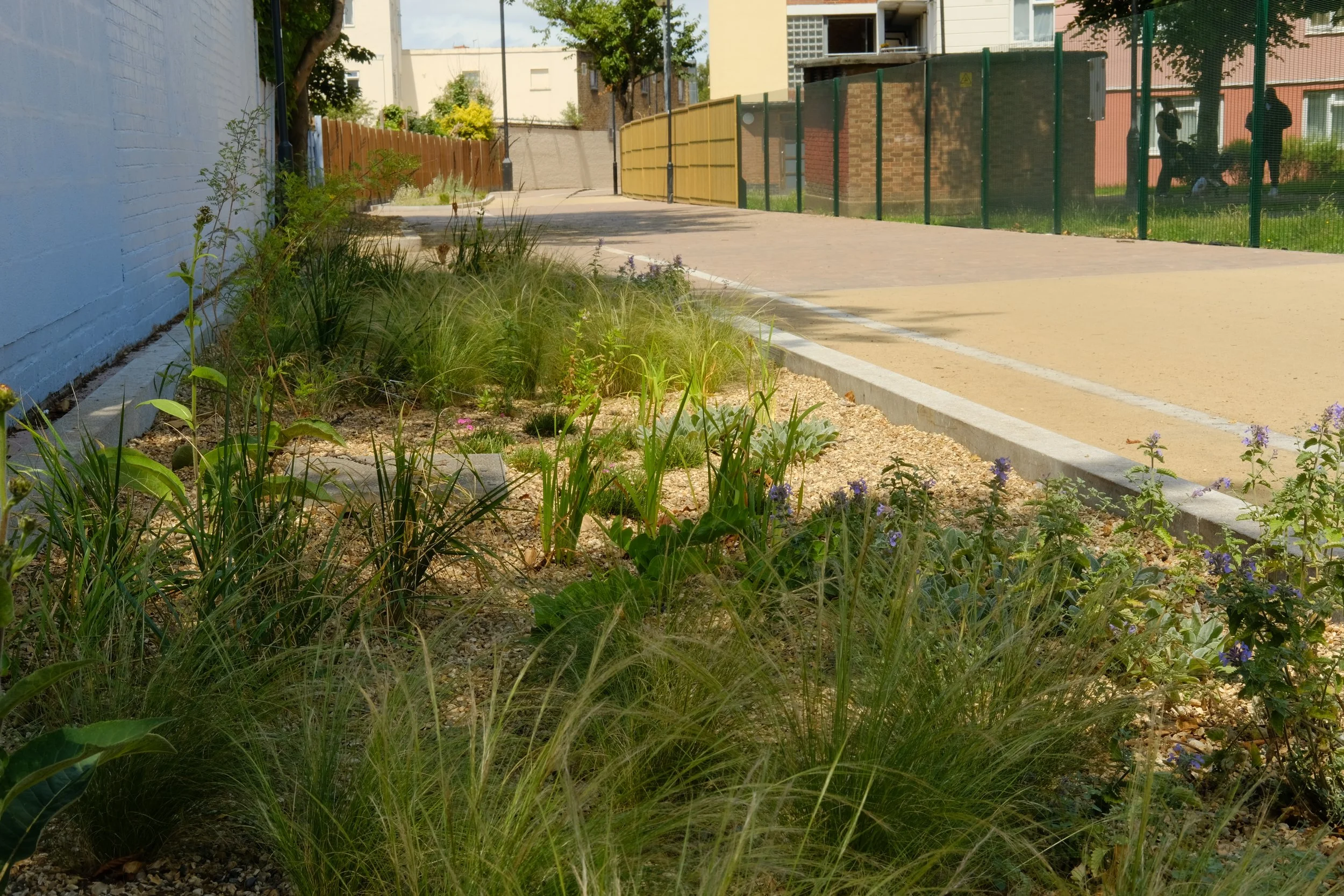
Alongside First Rail and Transport for London we now begin our third concession. Across changing operators and changing structures, one belief has remained constant: Transport infrastructure can become ecological infrastructure, educational infrastructure, and community infrastructure, all at once.
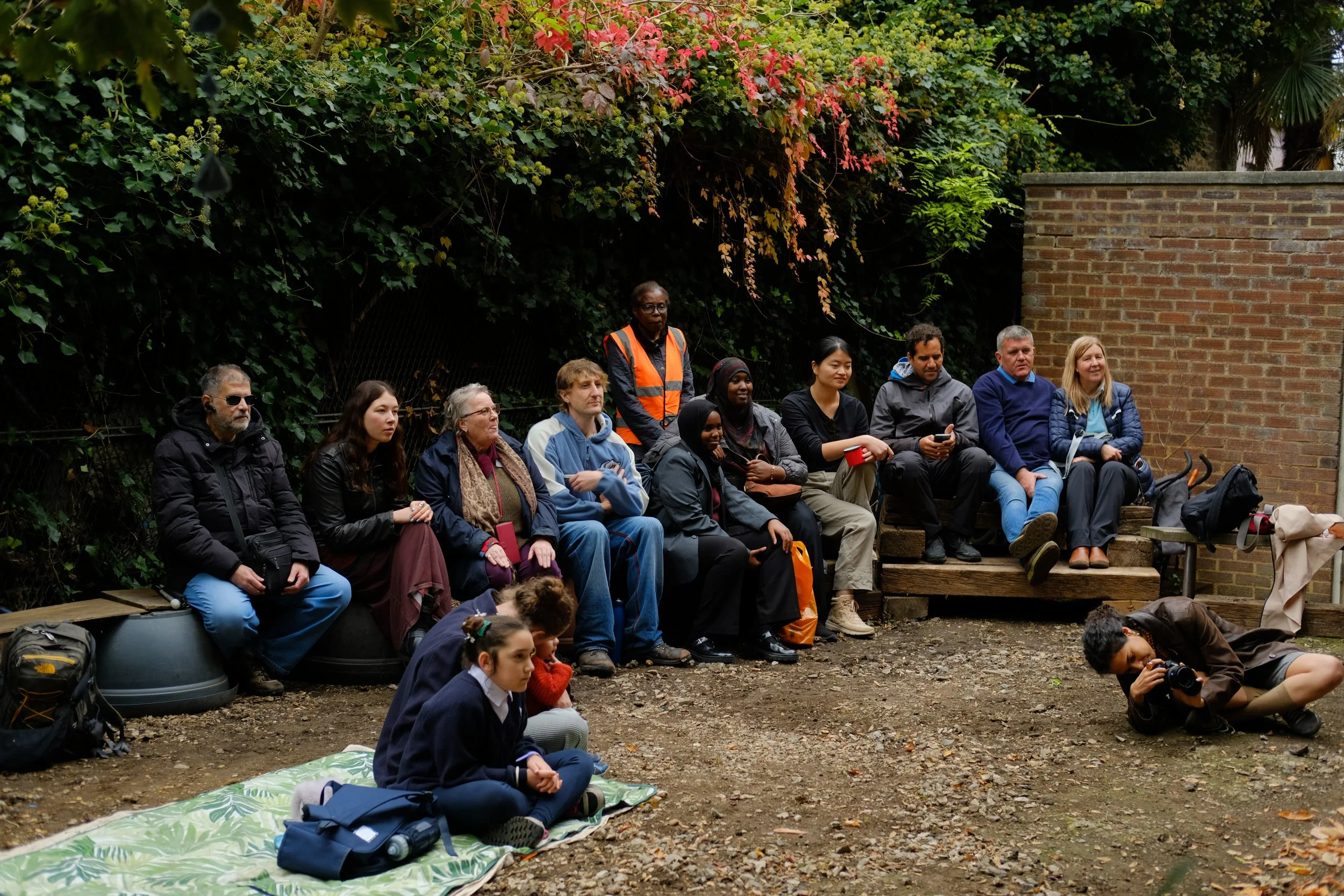
None of this has happened alone. It belongs to local residents, schools, youth trainees, volunteers, and community groups. It belongs to boroughs like Brent, Hounslow, Barnet, Islington and RBKC. It belongs to organisations like the National Lottery, People's Postcode Lottery, Friends Provident Foundation, the Co-operative Foundation, Ashoka and the GLA. It belongs to businesses like Patagonia, British Airways, Faith In Nature, Pukka Herbs, Salesforce and Bank of America. And it belongs to courageous individuals inside institutions like Network Rail, GB Energy, GB Rail, RSSB and the Department for Transport who have quietly believed that another way is possible.
I particularly want to acknowledge Transport Commissioner Andy Lord and Deputy Mayor for Transport Seb Dance for their commitment to London's future, and to look ahead with optimism to the possibilities of working ever more closely with Deputy Mayor Mete Coban. Because I believe the next chapter is even more ambitious.
Imagine if community-owned renewable energy didn't simply generate electricity. Imagine if it continuously funded biodiversity, education, youth employment, citizen science, and neighbourhood stewardship. Imagine if London's clean energy transition also became its greatest investment in social resilience. That is the city I want my daughters to inherit.
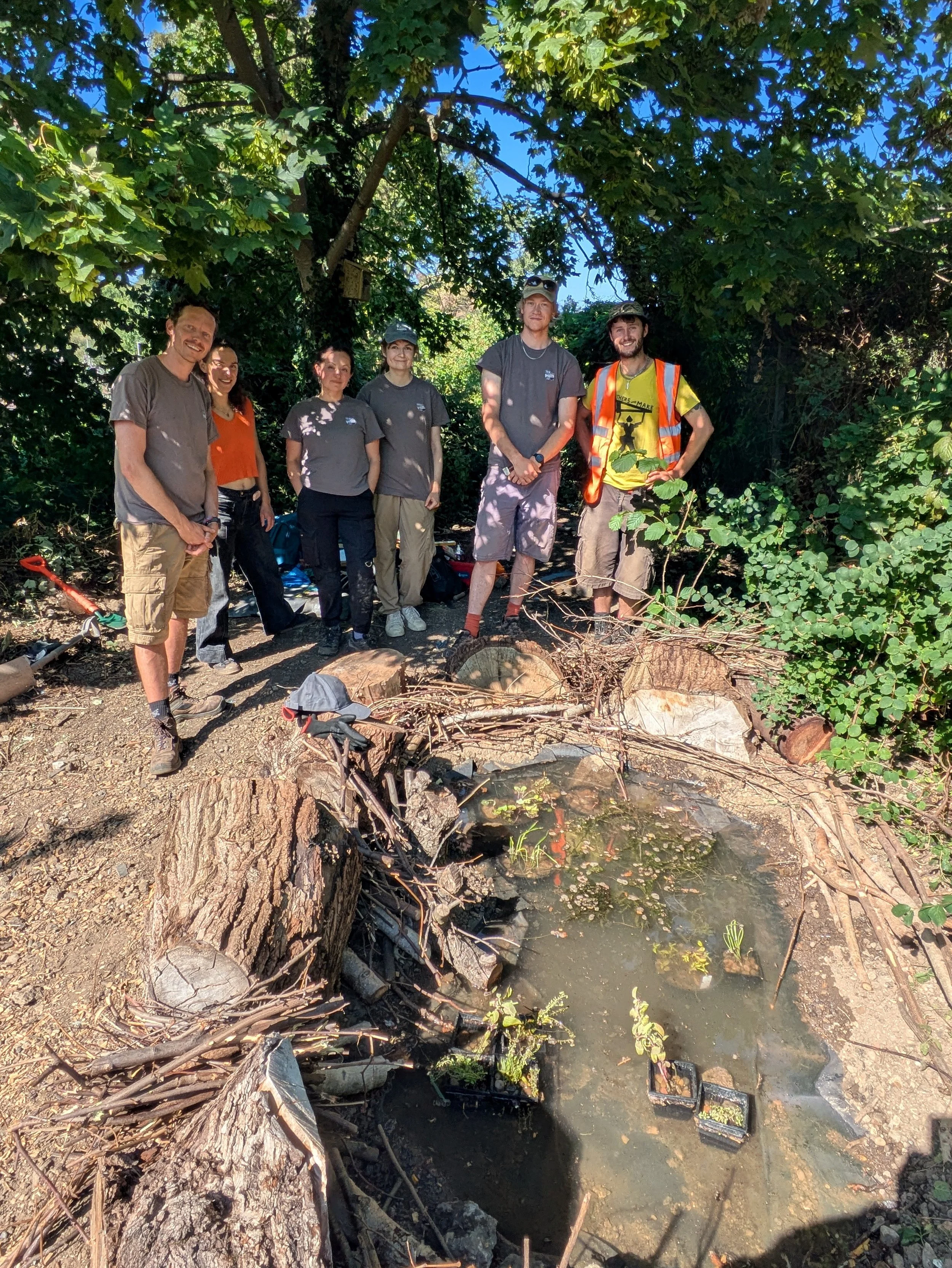
A socially smart city where technology amplifies humanity rather than centralises power. Where artificial intelligence strengthens communities rather than replacing them. Where citizen science enables every resident to become an active steward of their own neighbourhood. Where biodiversity net gain is not simply measured in spreadsheets but experienced by children discovering frogs in a pond they helped create. Where developers, transport operators, landowners and businesses understand that social infrastructure and ecological infrastructure are inseparable.
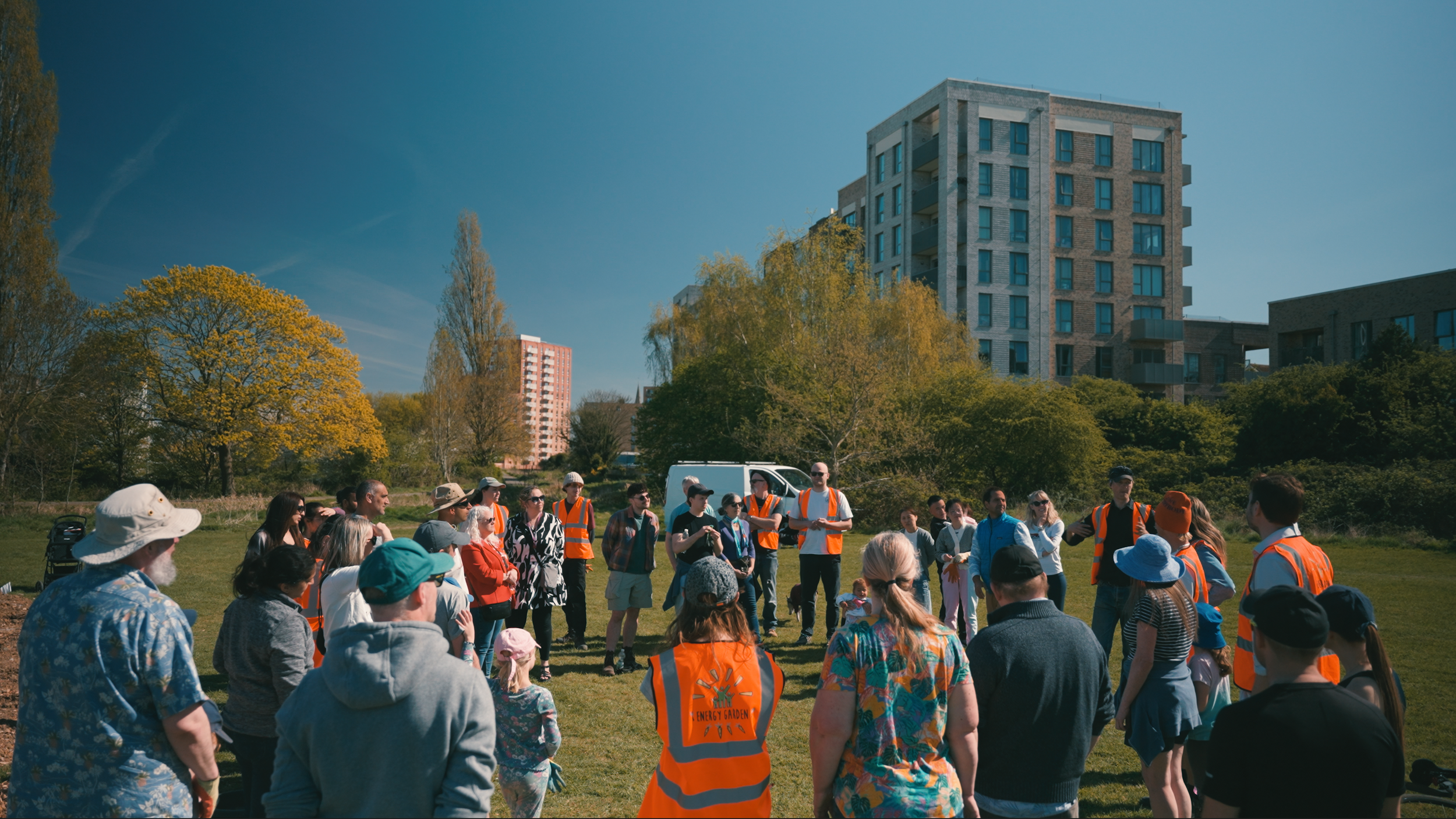
Energy Garden stands ready to help make that future real.
We can establish biodiversity baselines, undertake surveys, design habitat improvements, deliver biodiversity net gain, train schools, employ local young people, empower volunteers, measure outcomes, and return year after year. Because the real infrastructure isn't the planters or the solar panels. It's the relationships they foster.
The 2025 Biodiversity Report is not evidence that we have become better gardeners, but It is evidence that when communities are genuinely entrusted with stewardship, nature responds. The biodiversity and the people grow together.
I often think back to that little boy in Lambeth. I no longer remember the tomato plant, I remember the conversation. Because the fruit wasn't the harvest, but the relationship was.
And perhaps that is the lesson for London. We are not born disconnected from nature. We are born disconnected from access to it.
Give people that access.
Invite them to shape it.
Trust them to care for it.And they won't just grow gardens.
They will grow home.