
YTP reflections: Change begins in the community
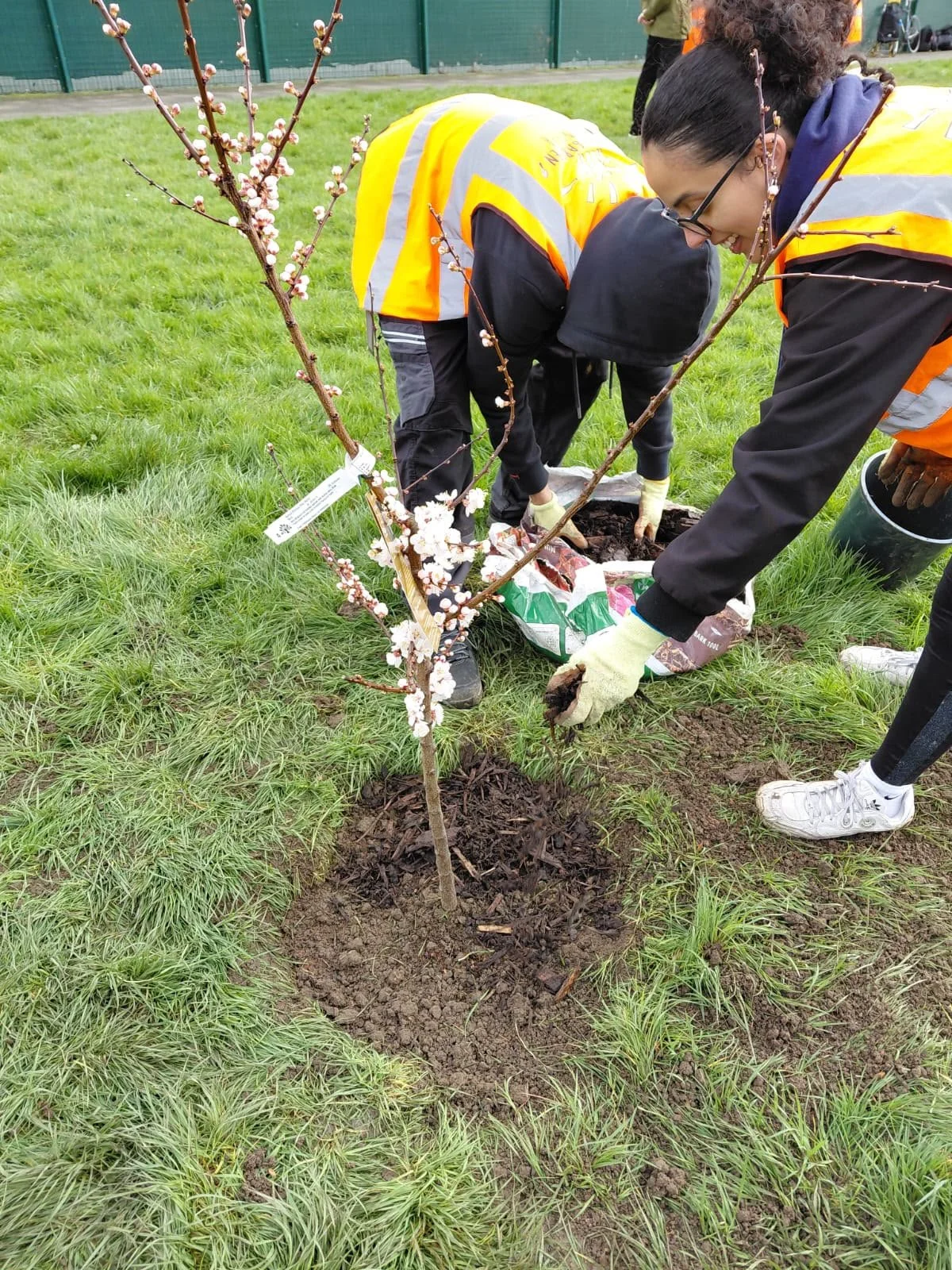
Recently, Britain experienced its worst heatwave in years, with temperatures reaching beyond 36 degrees celsius, a direct consequence of climate change. Those who suffered the most were the most vulnerable among us: the elderly, the very young and the disabled. While some people went from air-conditioned office to air-conditioned apartment, most suffered, no choice but to keep on working under these conditions. Sitting in my boiling hot London flat, I thought back to the Energy Garden Youth Training Programme I had been a part of earlier in 2026, from January to May. What we had learned in the programme, and the necessity of Energy Garden’s community projects were made even more clear by the heatwave: the question of adapting to climate change and building a green future is not a future consideration, but something we need to take up now, urgently.
I first heard about Energy Garden Youth Training Programme on the ‘Roots to Work’ job board in December 2025. The organisation and the programme stood out to me for two reasons. First, Energy Garden’s outlook centered social justice and a just transition; recognising that we can’t tackle the environmental crisis without also dealing with poverty, inequality, and structural oppression. Second, the programme made a real point of being accessible for all, and this was clear in the fact that it was a paid programme. Rarely had I come across such paid opportunities, especially in the social impact/not-for-profit sector where volunteer and unpaid intern roles are overwhelmingly common. Usually, those who cannot have their family cover their living costs are left to either miss out on opportunities or struggle to juggle work experience with a part-time paid job.
Having gone straight from my undergraduate degree to a masters’ programme studying Development, I felt disconnected from what was going on on the ground at the community level. It is expected that most graduates from my programme become well-paid consultants or make their way up international development organisations; completely detached from the day-to-day struggles of the people the industry is supposed to serve. This was why I applied to join Energy Garden’s YTP.
While I enjoyed and learnt a great deal from all the sessions, a few in particular stood out to me. On a rainy afternoon in February we visited the solar panels on the roof of one of the buildings at the Loughborough estate in Brixton, a Repowering London project. It was harrowing to learn about the hardship residents of the estate have endured over the years, how deadly fuel poverty can be. It’s not just a matter of being a little bit cold and needing to put on an extra sweater or pair of socks. Disproportionately, it is the elderly, those who are sick, who suffer the most and are the most invisible. It was also inspiring however to learn that things do not have to be this way. The energy industry is designed first and foremost to to deliver large profits for energy companies. Part of repowering our communities has to involve bringing decision-making power, political power, back in the hands of regular people, not just corporations.
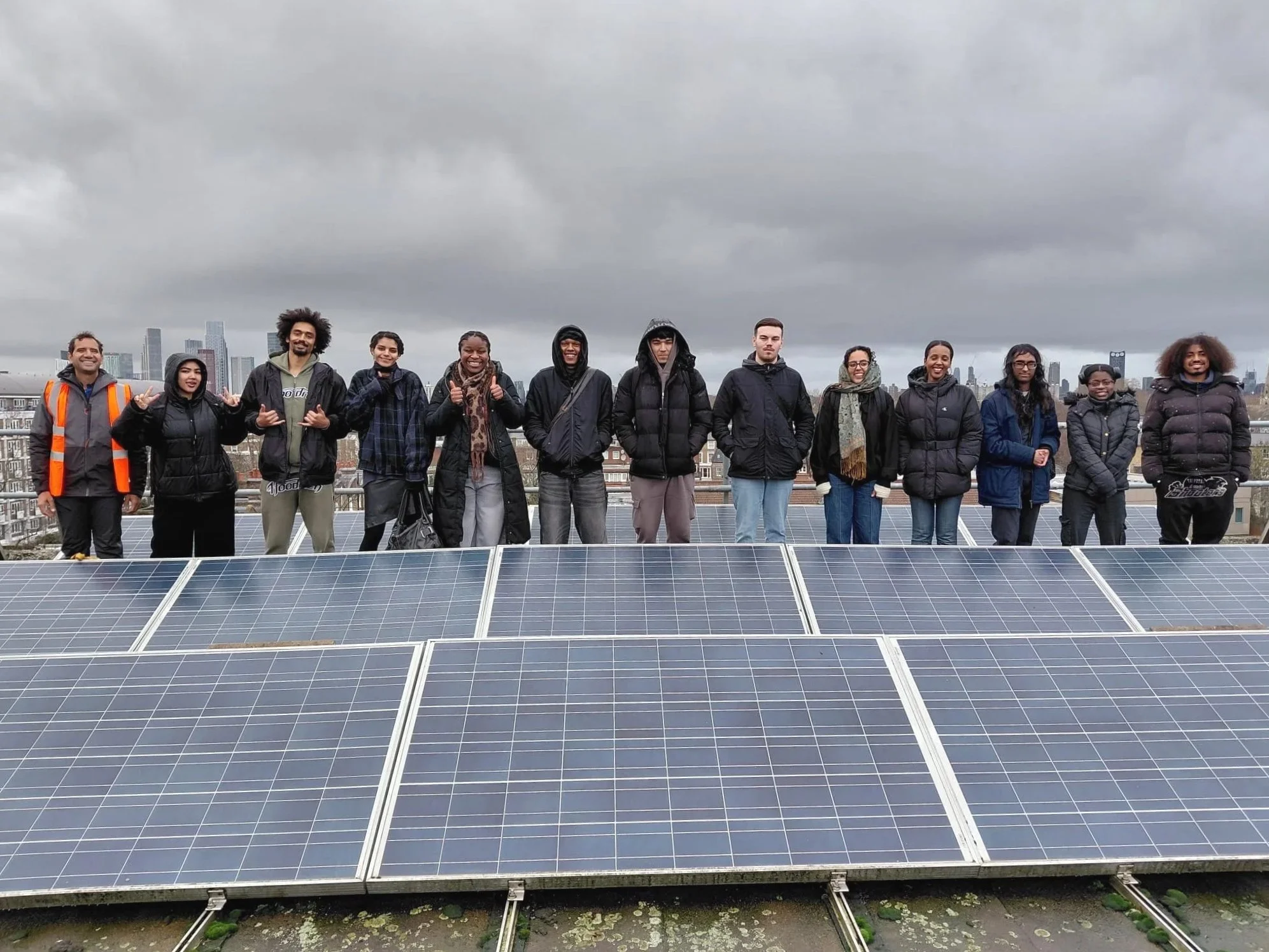
Some of the sessions I liked best involved speaking to and connecting with the other young people on the programme with me. I learnt just as much from the people running our sessions as from my fellow trainees. In particular, I remember the session on careers, where we took turns speaking to those of us on the programme who had a ‘proper’ full time jobs. It was such a great way of showing the different paths people take to end up where they are, how we all bring different things to the table. There isn’t one standard way of finding the career for you, and often you take a few wrong turns along the way and end up with a diverse range of experiences.
Wherever I go off next, I will carry the memories and lessons from the YTP with me – as well as a drive and a commitment to make positive change in my community.