
Rethinking Energy – My Experience in the Energy Garden Youth Training Programme
As an engineering student, most of my understanding of energy came from an academic perspective. I was conditioned to think about energy systems in terms of science, technology, and large-scale infrastructure. The training programme reinforced this understanding, but it also showed me energy from a completely different perspective. We explored aspects of energy that are deeply connected to communities, urban environments, and social issues.
Over several weeks, the programme brought together workshops, discussions, and hands-on activities that explored sustainability from multiple angles. Each session added a new piece to the puzzle.
One of the sessions that stood out to me early in the programme was our introduction to community energy. We visited Loughborough Estate in Brixton, one of Energy Garden’s solar roof installations, and learned how locally generated renewable energy can be produced and used within communities, reclaiming the right to their power from large energy corporations. Seeing a working system up close helped connect the theory behind renewable energy with real-world implementation.
The session also explored where our energy comes from and the different industries that make up the entire system. It was interesting to see how community-led renewable projects fit into the broader energy landscape. Instead of energy simply being something that large companies produce and consumers use, community energy projects show that local groups can play a role in generating and managing their own energy.
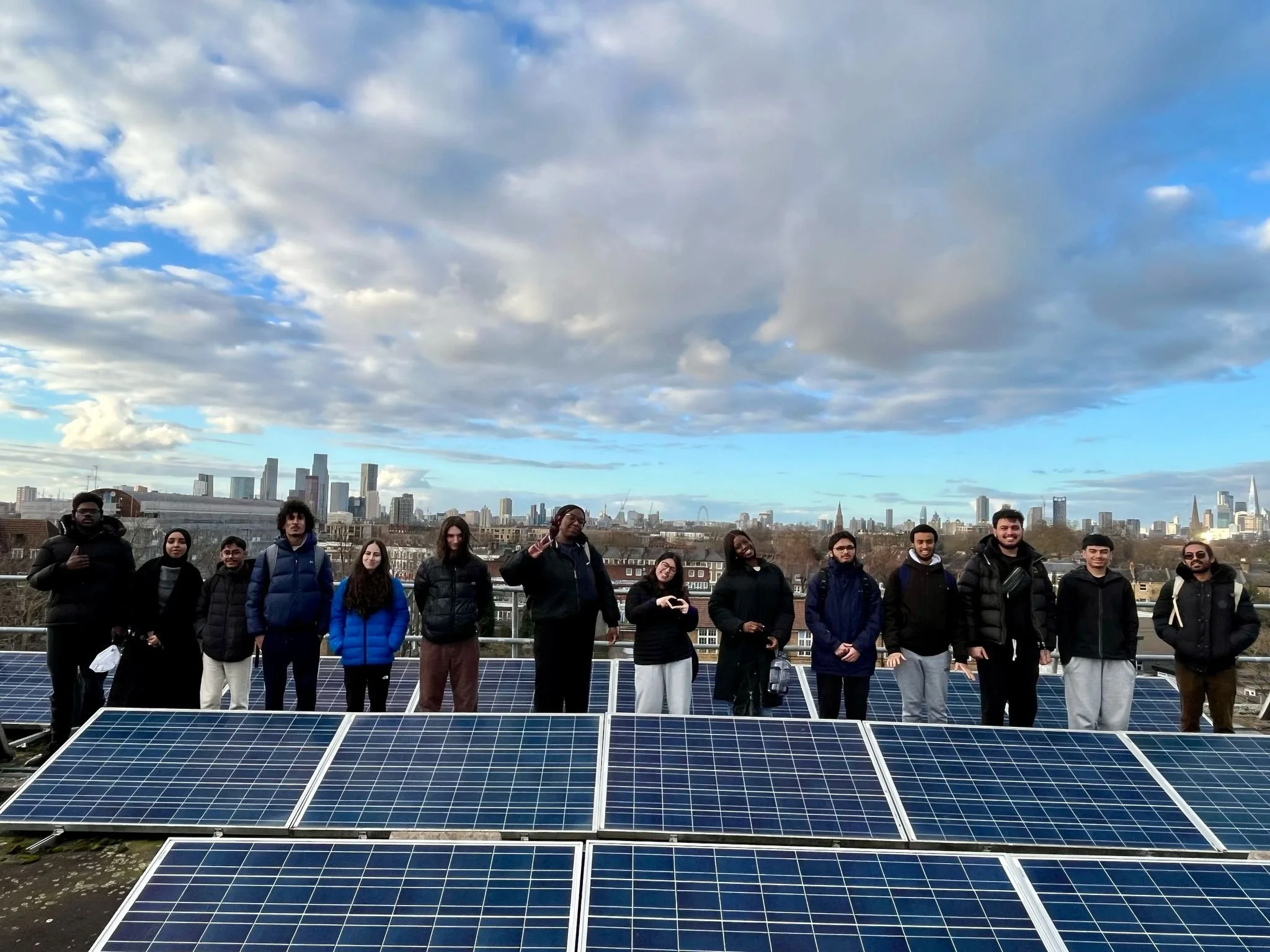
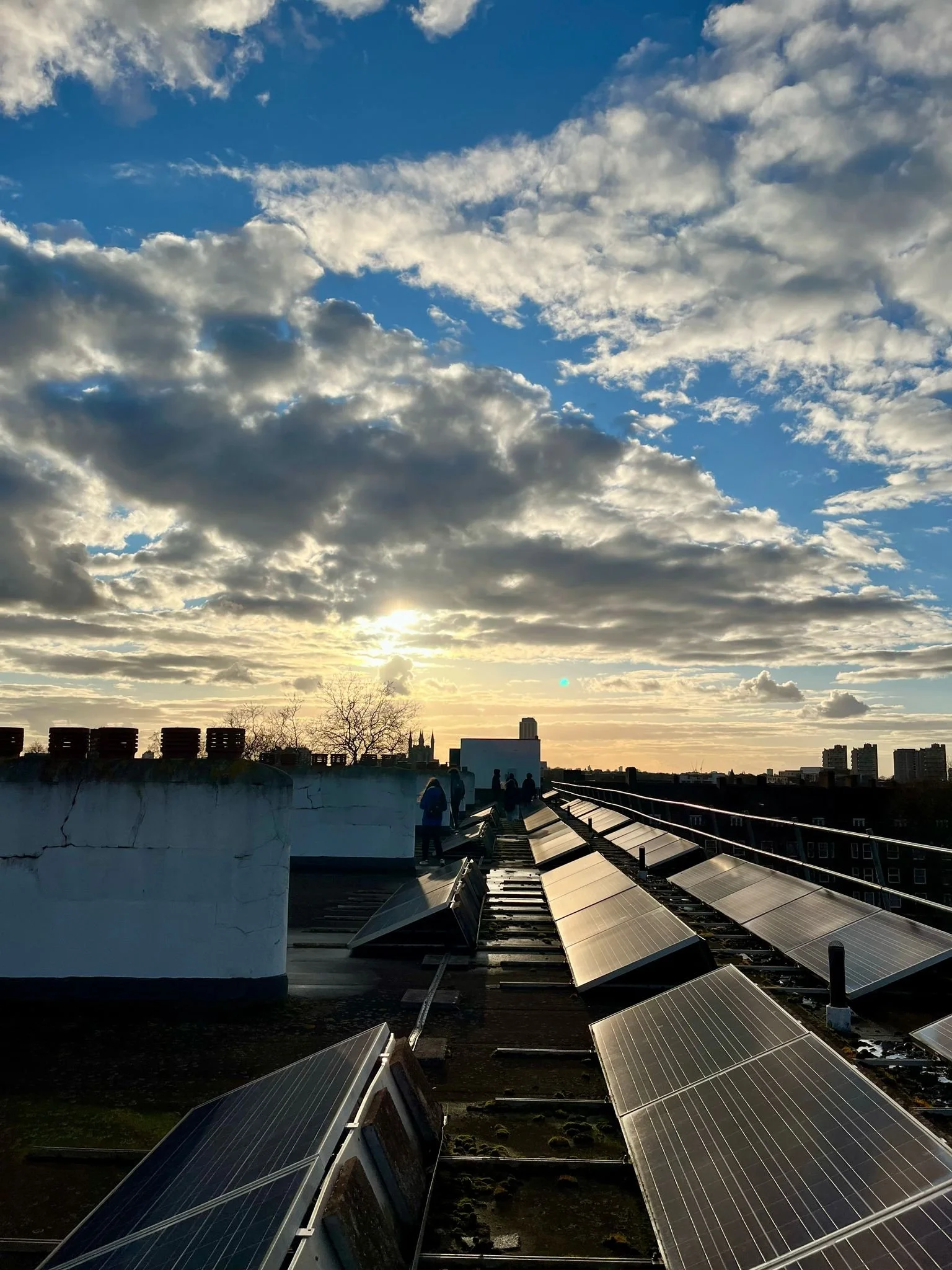
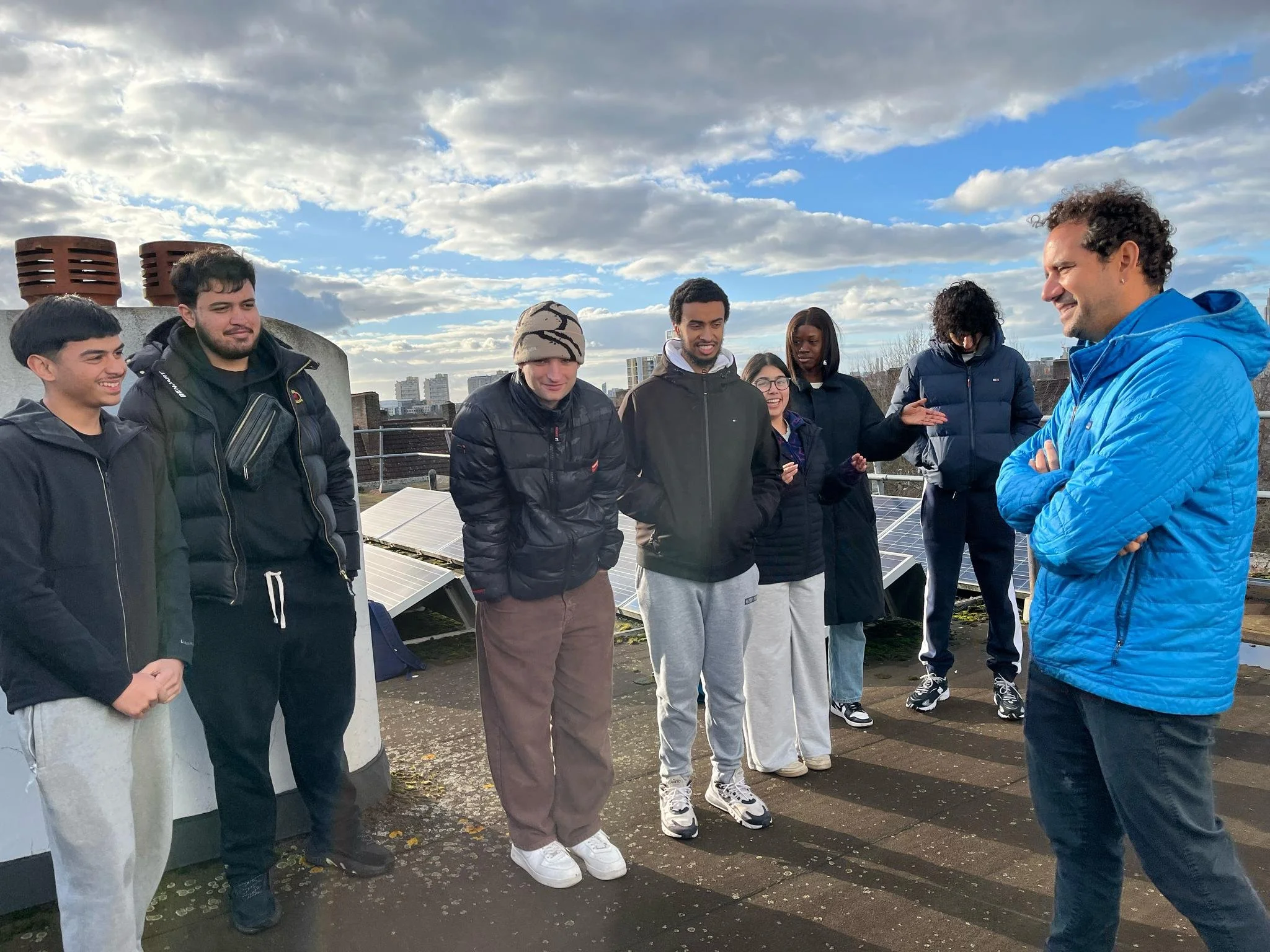
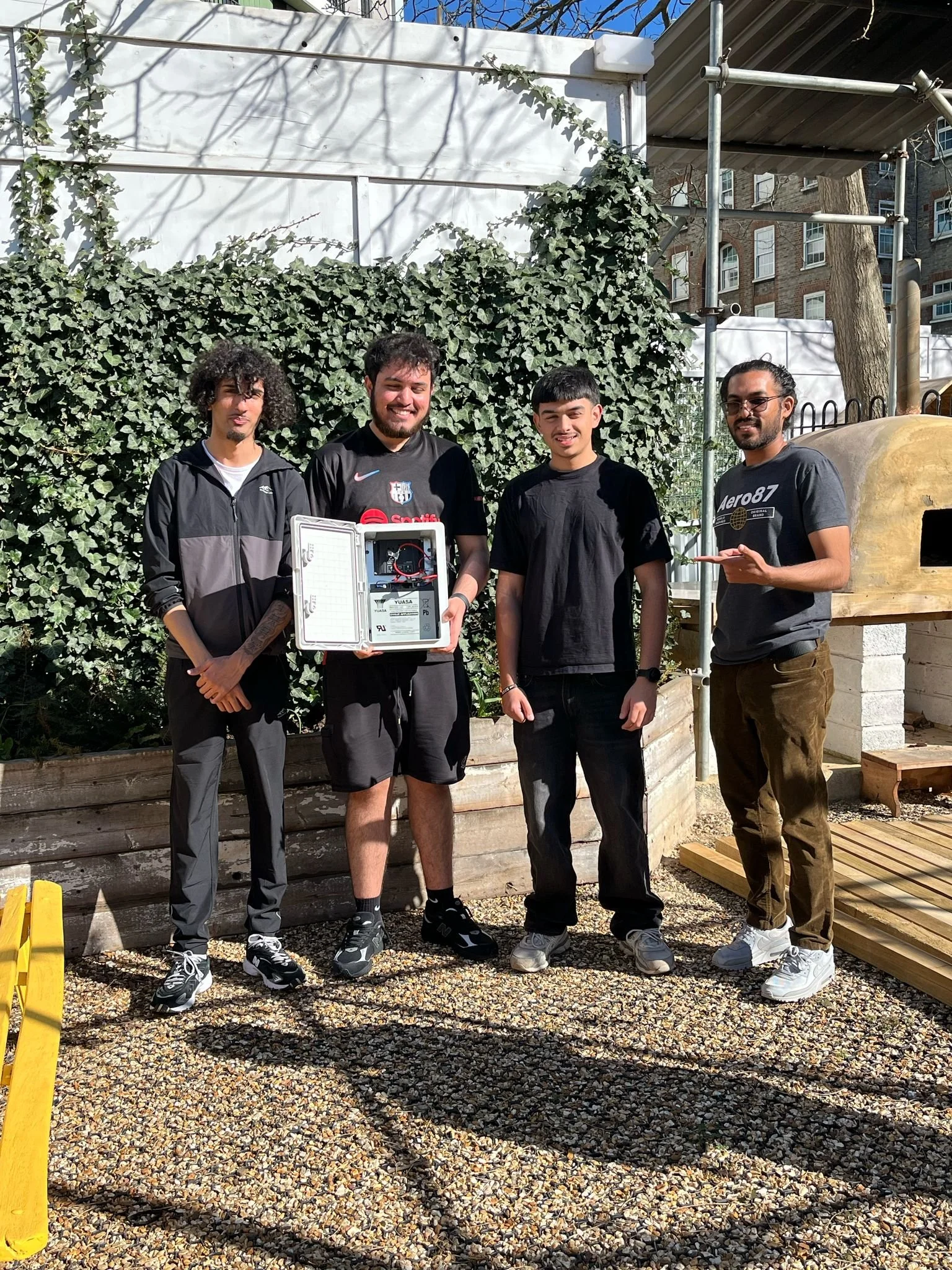
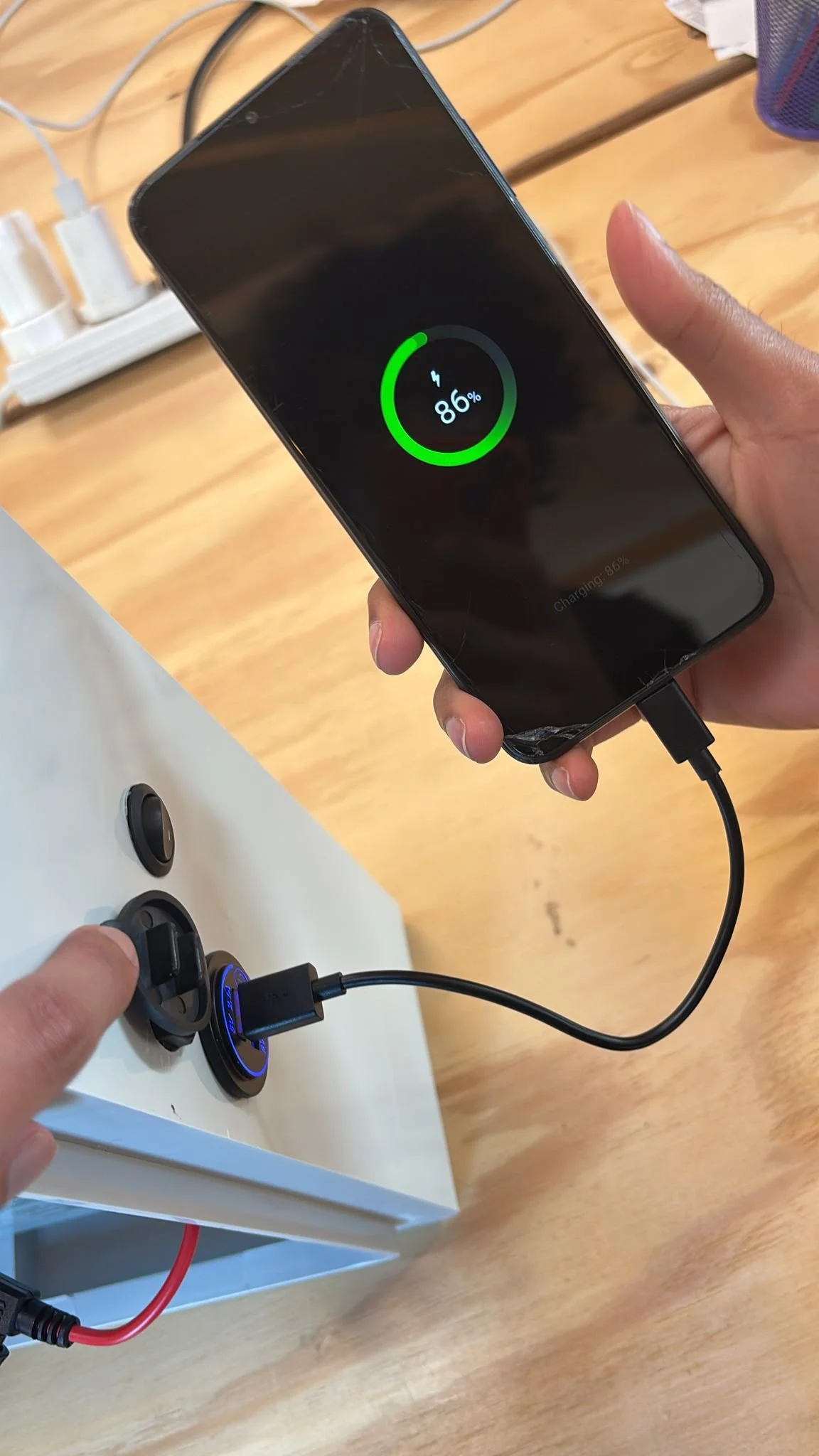
Another highlight was the solar panel workshop, where we worked together to build a real, working solar panel system. Instead of just hearing about renewable energy technologies, we were able to physically see how the components connect and how electricity can be generated and stored. It made renewable energy feel much more tangible.
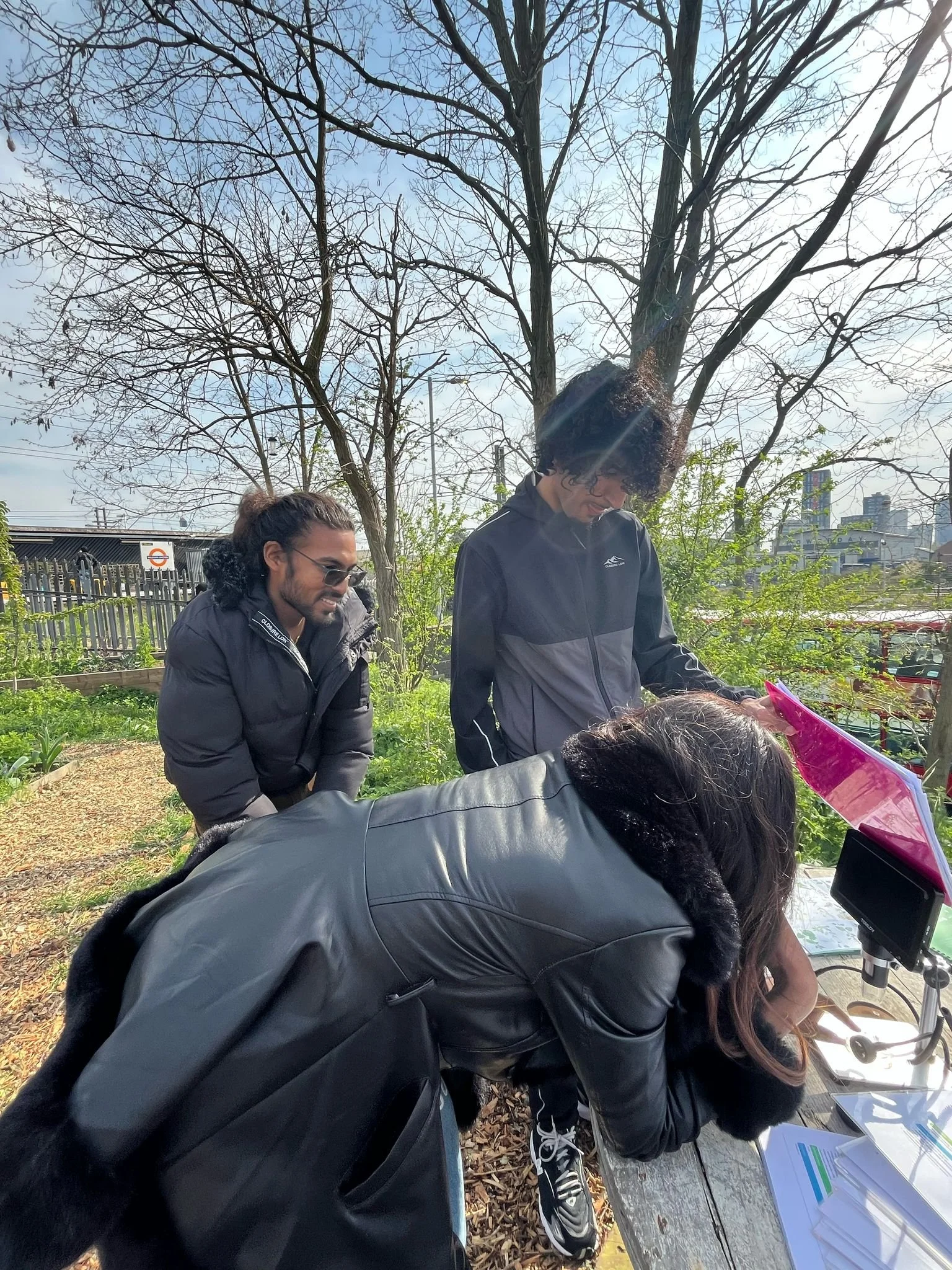
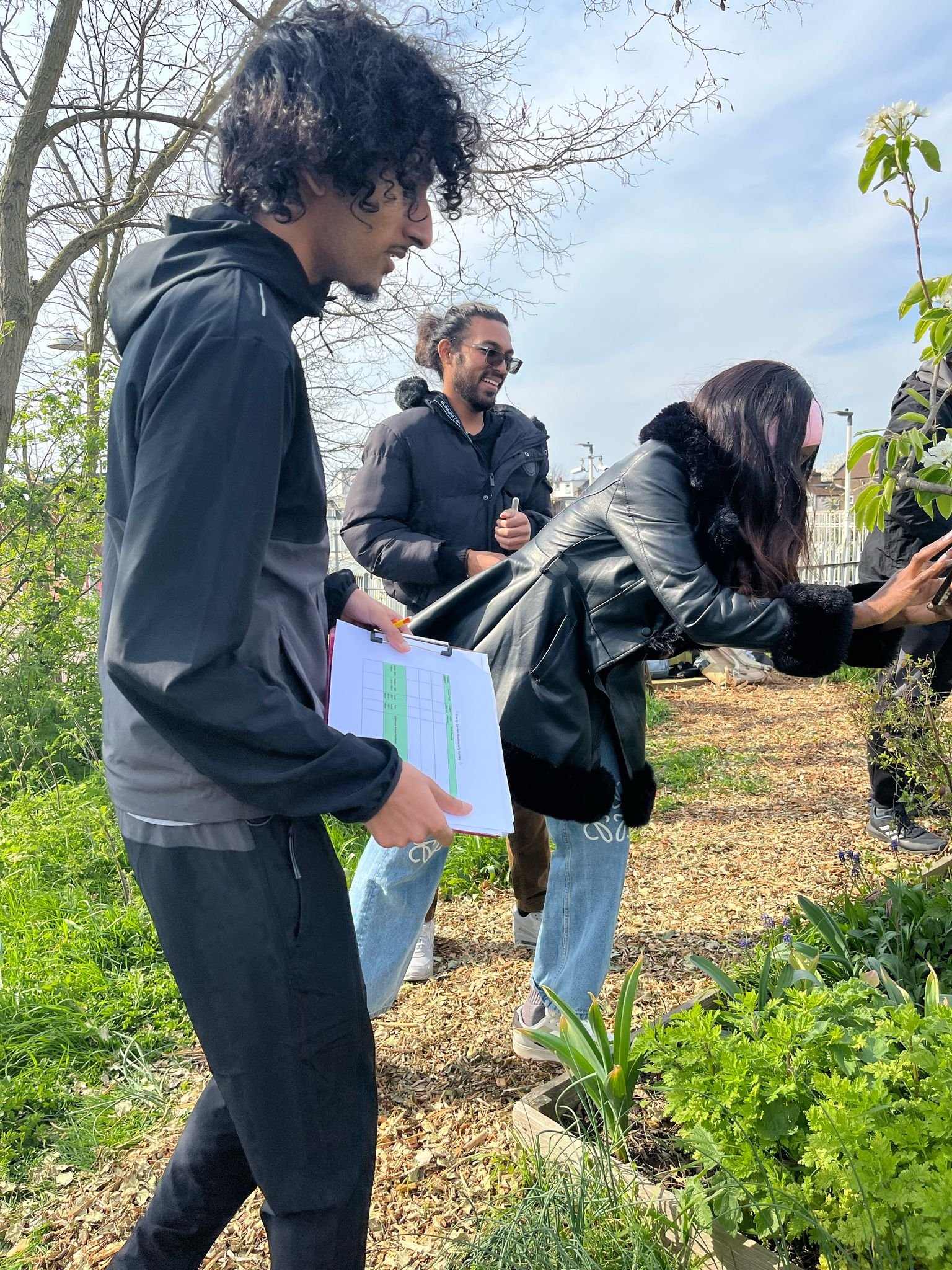
Some of my favourite sessions took place outdoors, working in Energy Garden sites across London. These sessions showed how urban green spaces can support biodiversity, improve air quality, and strengthen communities. Seeing gardens integrated into places like train stations was particularly interesting. Spaces that are usually just part of a commute can also become places where people connect with nature. Planting seeds, learning how to care for them, and watching them grow over time made the environmental side of the programme feel very real. It also highlighted how small, local projects can have a meaningful impact.
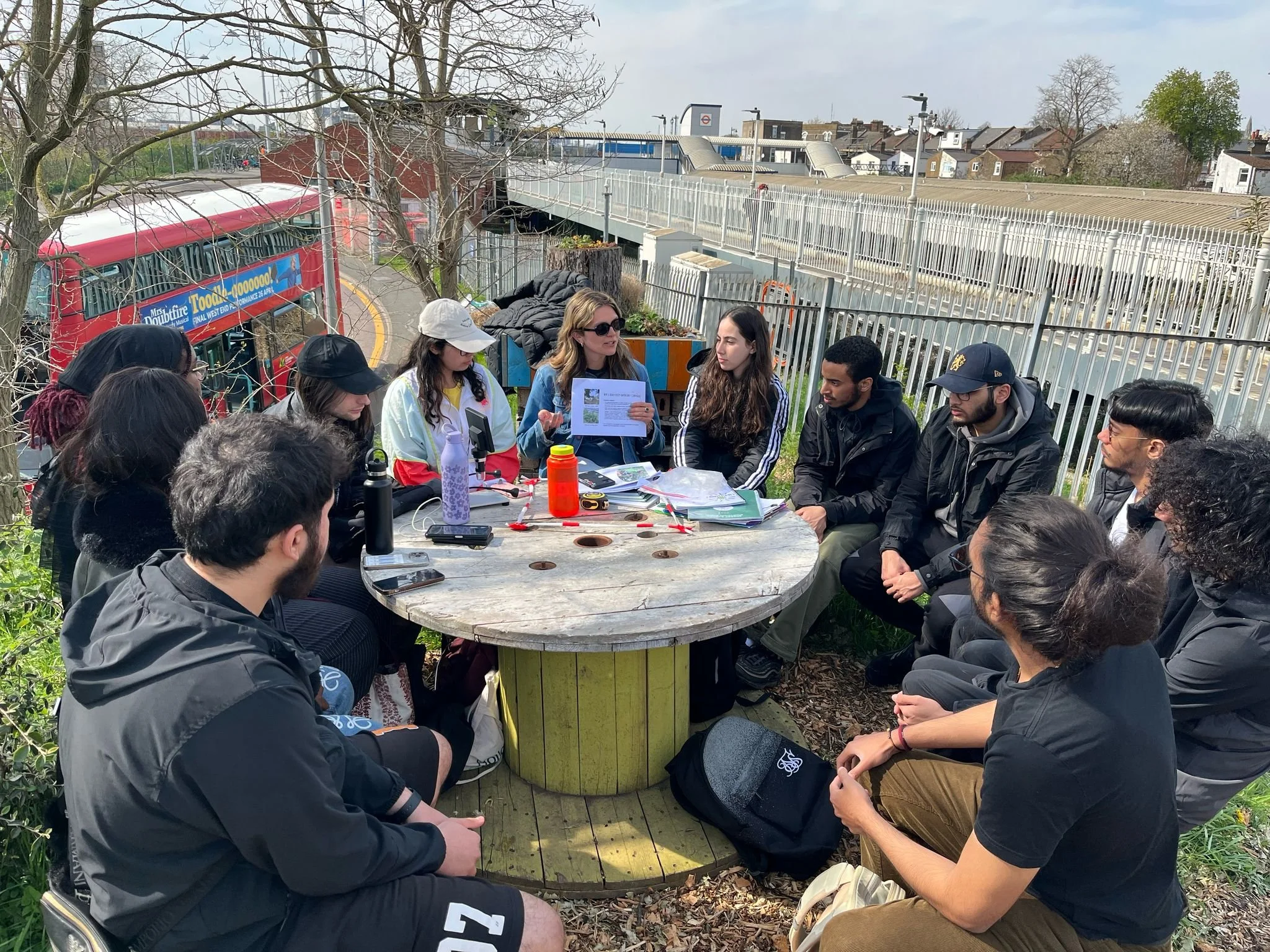
Another valuable part of the traineeship was the chance to meet people working in sustainability. Through talks and discussions, we heard about careers in renewable energy, environmental organisations, and sustainable finance. For many young people trying to figure out their future careers, this kind of exposure is incredibly helpful. It shows that sustainability isn’t just one job, it’s a whole ecosystem of roles and opportunities.
Beyond the sessions themselves, one of the best parts of the programme was the community of trainees. Everyone came from diverse backgrounds but shared a common interest in environmental issues. That made discussions engaging and created an environment where people could learn from each other’s perspectives.
Looking back, the Energy Garden Youth Training Programme showed me that sustainability isn’t just about technology or policy. It’s about people taking action. Real change happens when communities are involved and when knowledge is shared in accessible ways. For me, the experience was both educational and inspiring. It gave me a new appreciation for the many ways we can contribute to building a more sustainable future. It turns out that learning about energy doesn’t just have to happen in classrooms; it can happen in gardens, workshops, and even just conversations with people who are passionate about making a difference.