
From Imagining to Deconstructing: Resilience as a Practice
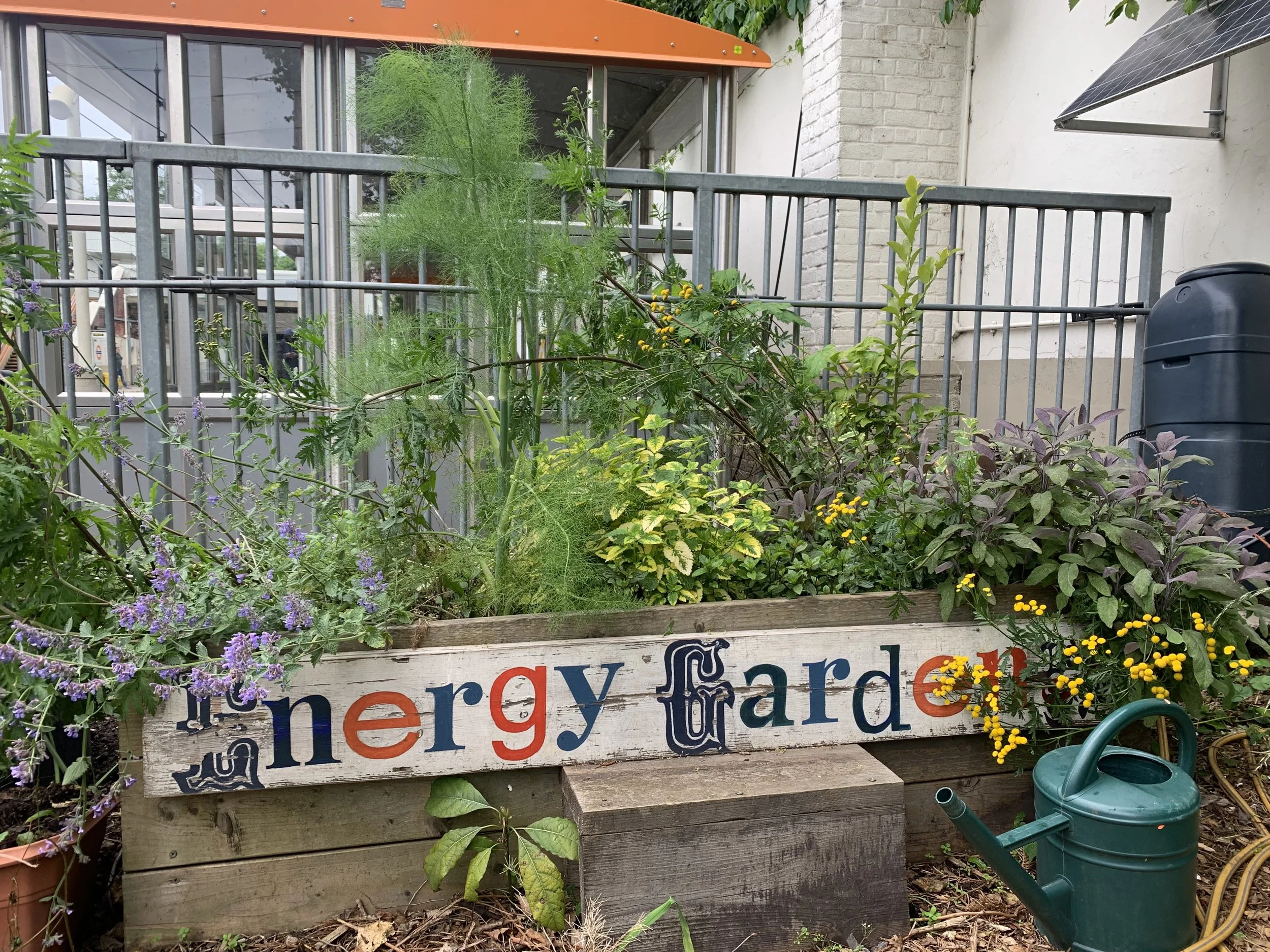
When Energy Garden began, it was an act of imagination.
We looked at the city as it was—grey, over-paved, airless—and asked a different question:
what if these spaces could live again? What if railway verges, depots, rooftops and forgotten corners became places of energy, gardens, learning, and belonging?
In those early years, the work was often dismissed as cosmetic.
“Putting make-up on a pig,”
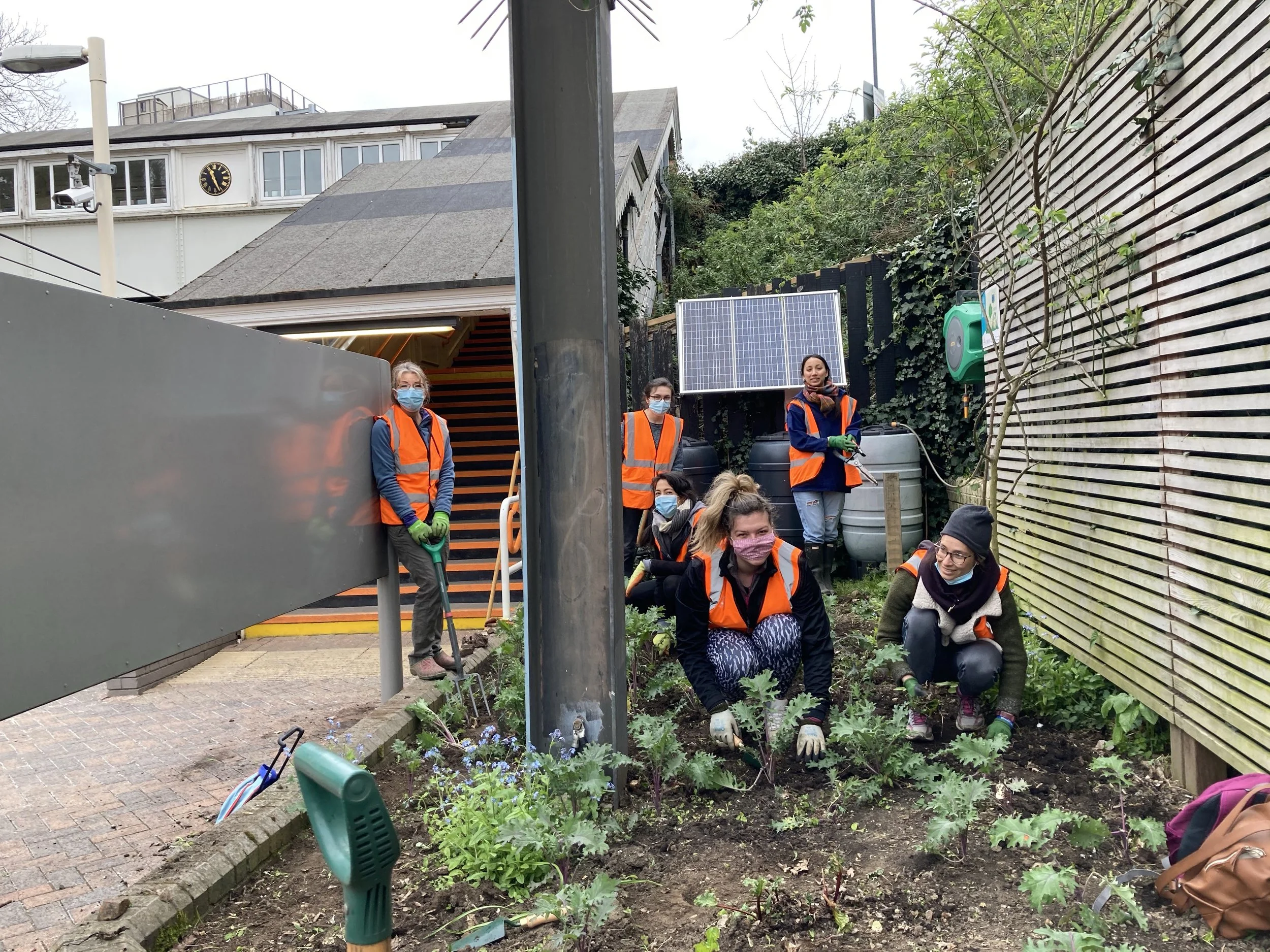
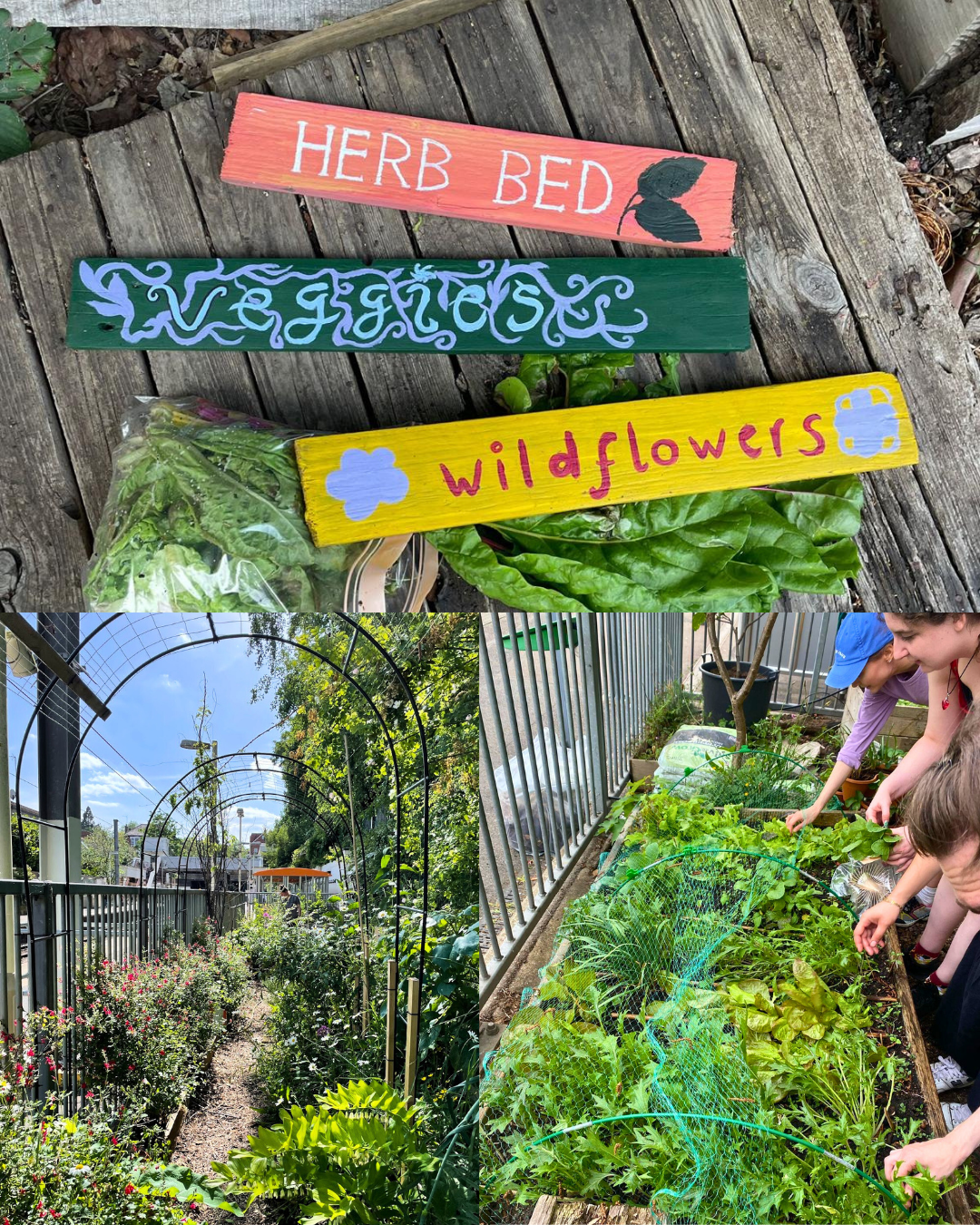
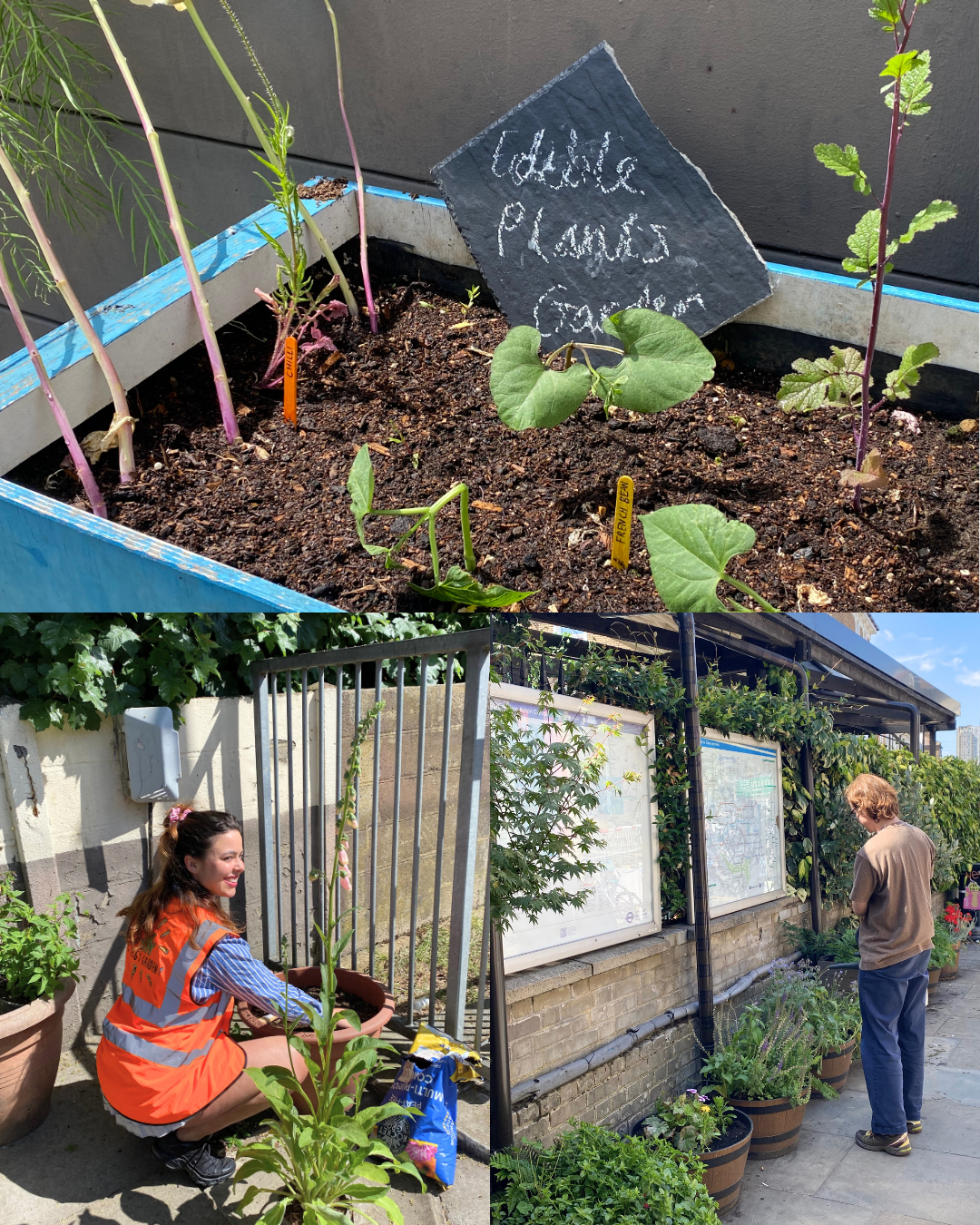
A little off grid solar charger here. A pocket garden there. Small interventions in a system that felt immovable.
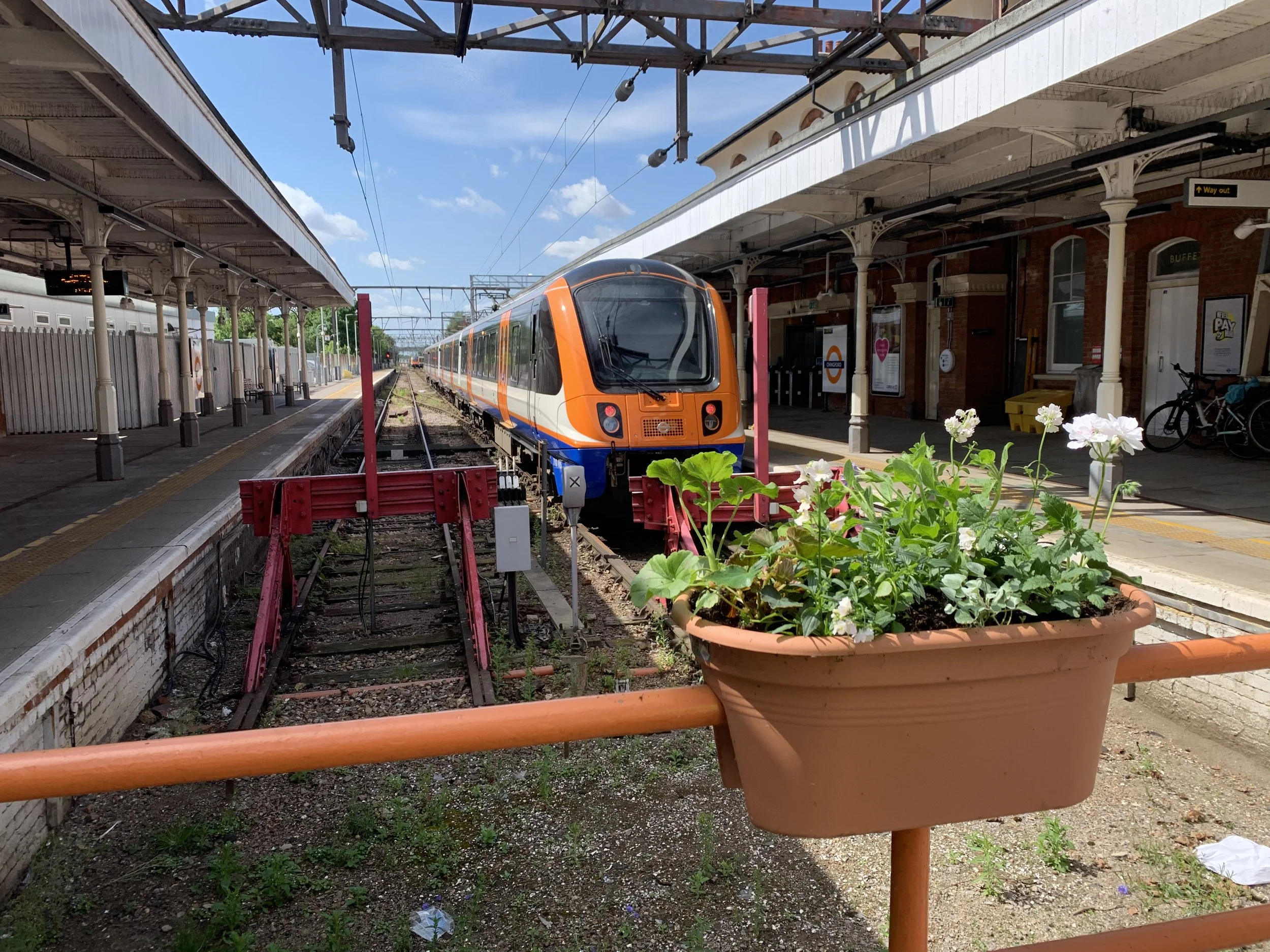
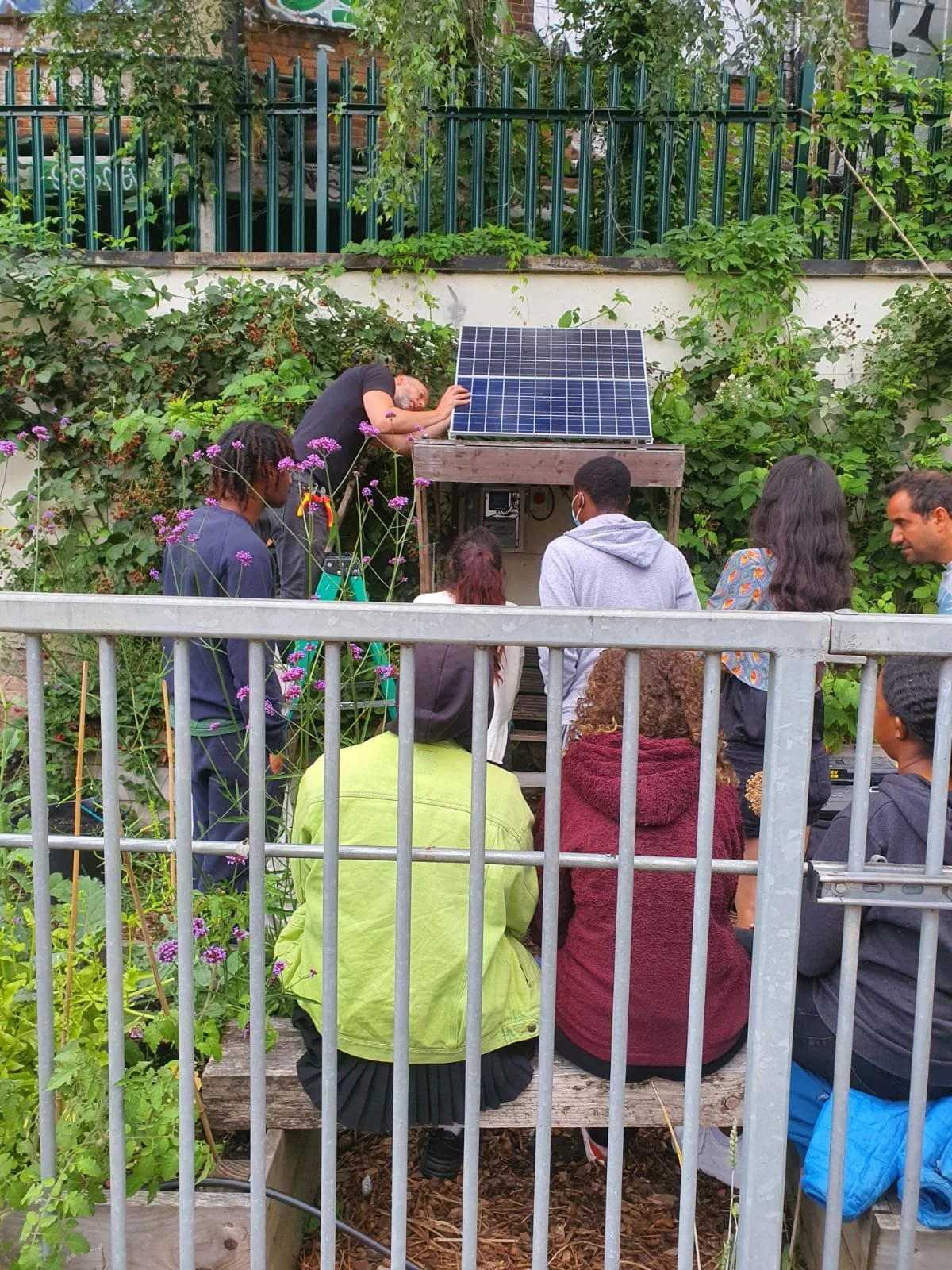
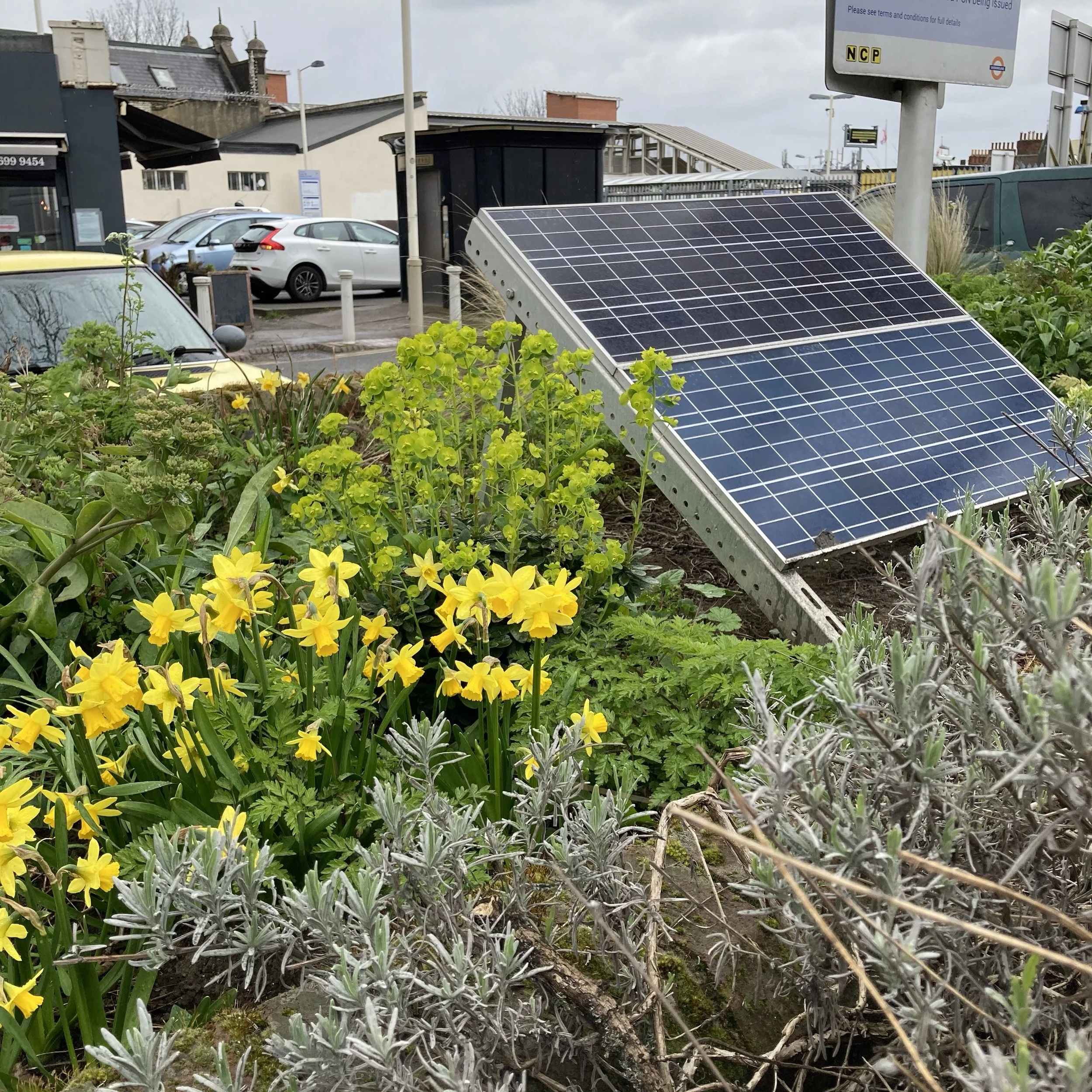
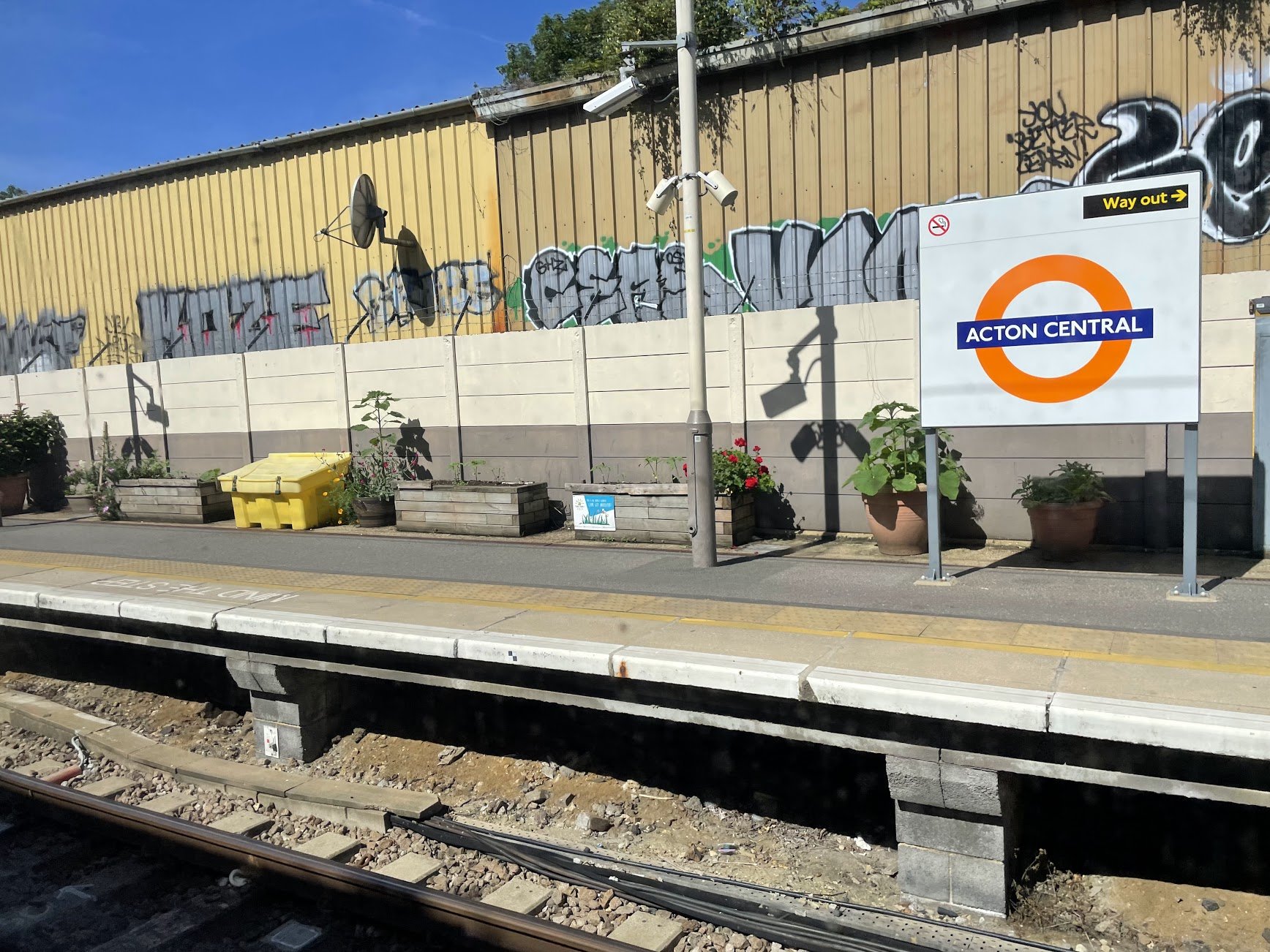
But imagination matters. Before anything can be transformed, it must be envisioned.
Fifteen years on, something fundamental has shifted.
Resilience Is No Longer a Metaphor
Today, Energy Garden is being asked to do very different work.
We are being asked to de-pave roads.
To work across vast areas of land to deliver measurable Biodiversity Net Gain.
To design and enable multi-megawatt renewable power stations.
To manage grey-to-green transformations that reshape how water flows, how soil breathes, how wildlife moves, and how communities gather.
This is no longer about surface change.
It is about deconstructing the built environment—carefully, deliberately—so that nature and people can return together.
Resilience, for us, is not a buzzword. It is a practice. A discipline. A willingness to take apart what no longer serves life and reassemble it differently.
From Concrete Jungle to Living City
Our earliest storytelling spoke of turning the concrete jungle into a green oasis.
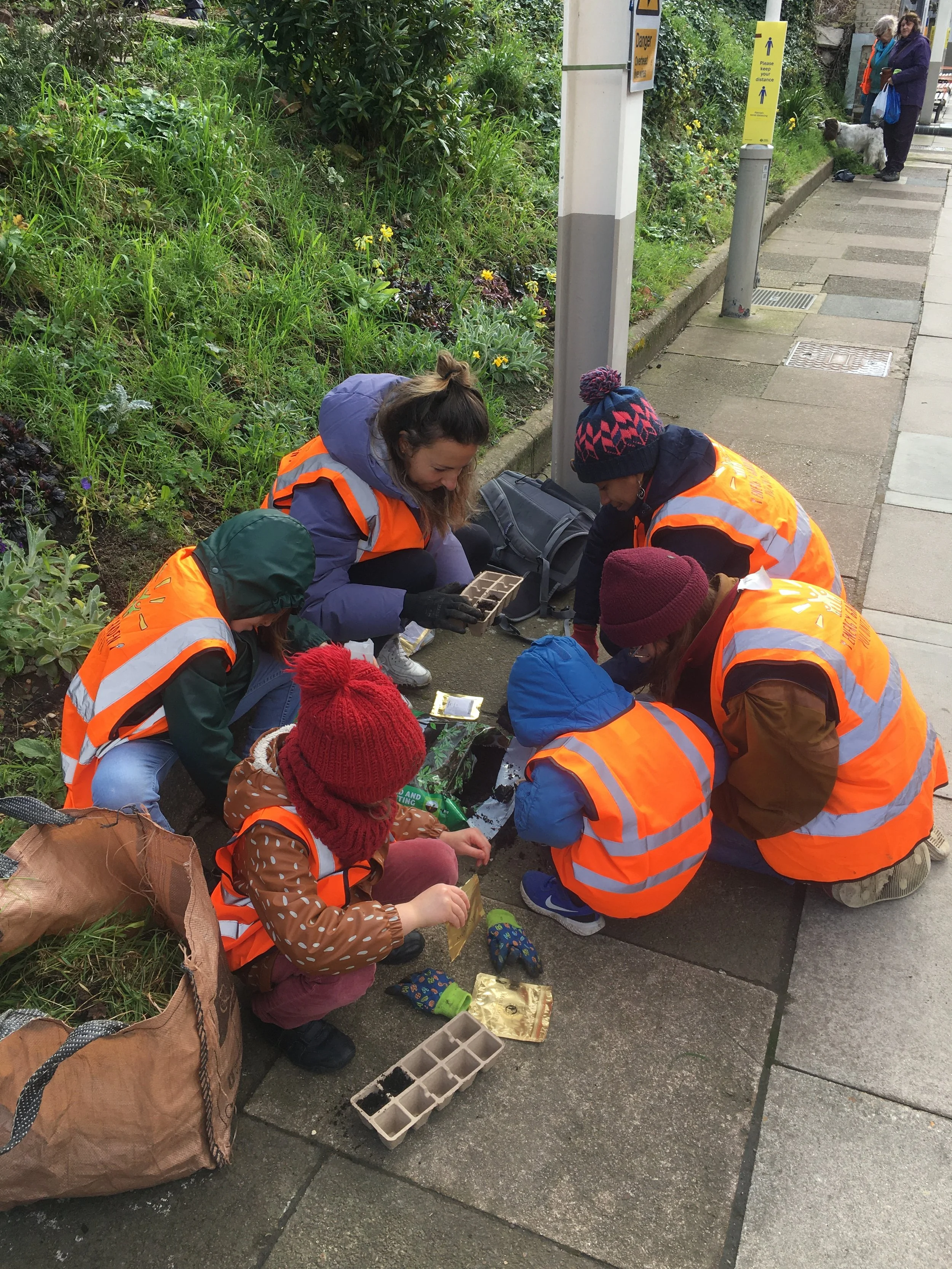
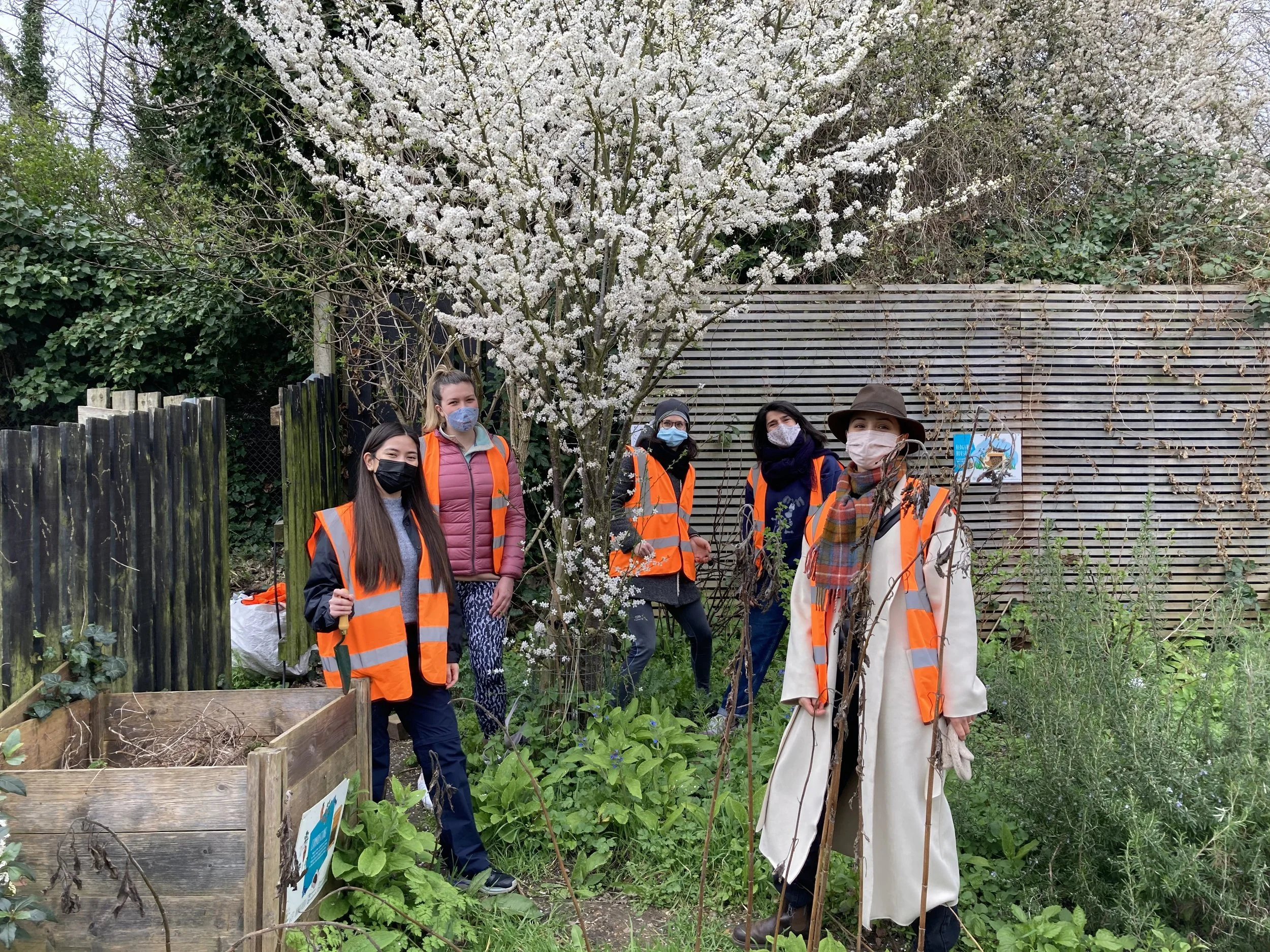
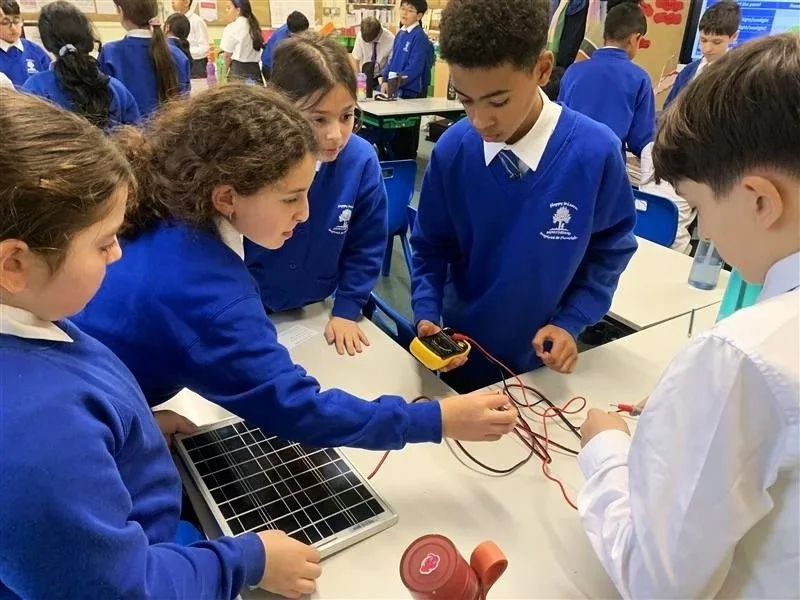
Instead of protesting alone, we encouraged people to plant gardens and put solar on their roofs.
Now, the work goes further.
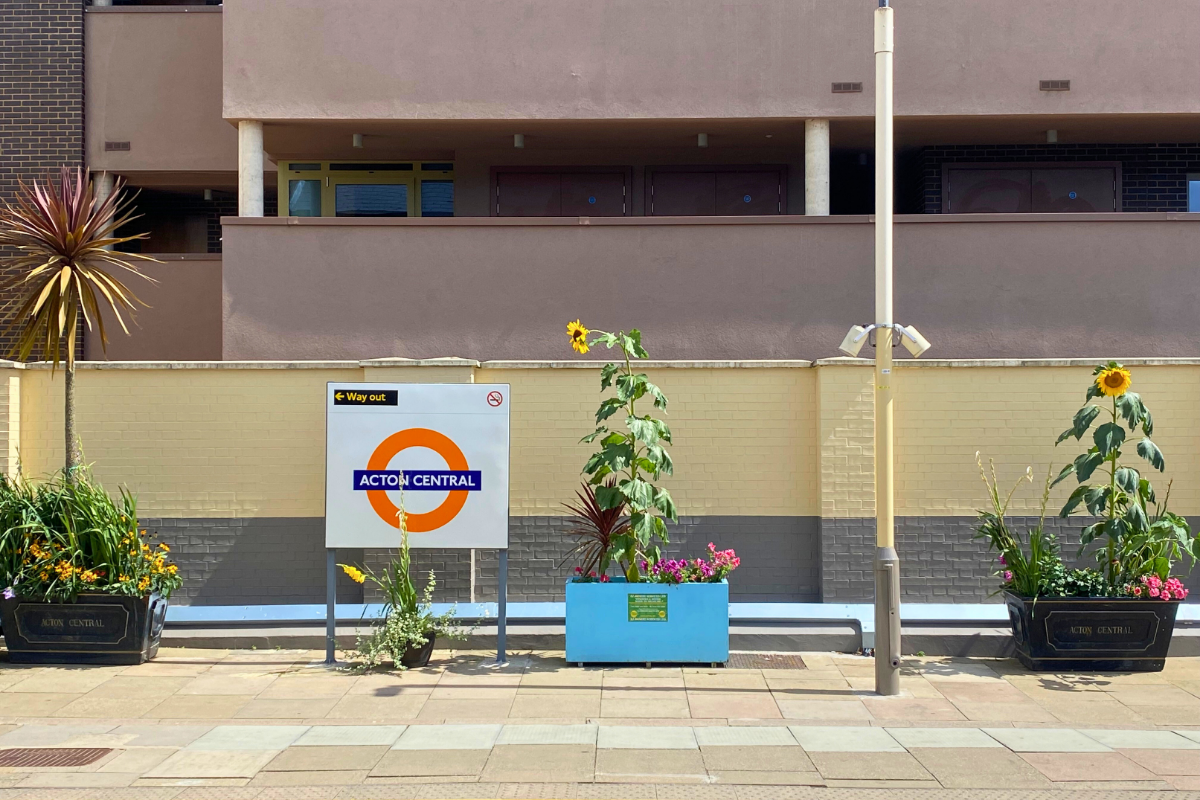
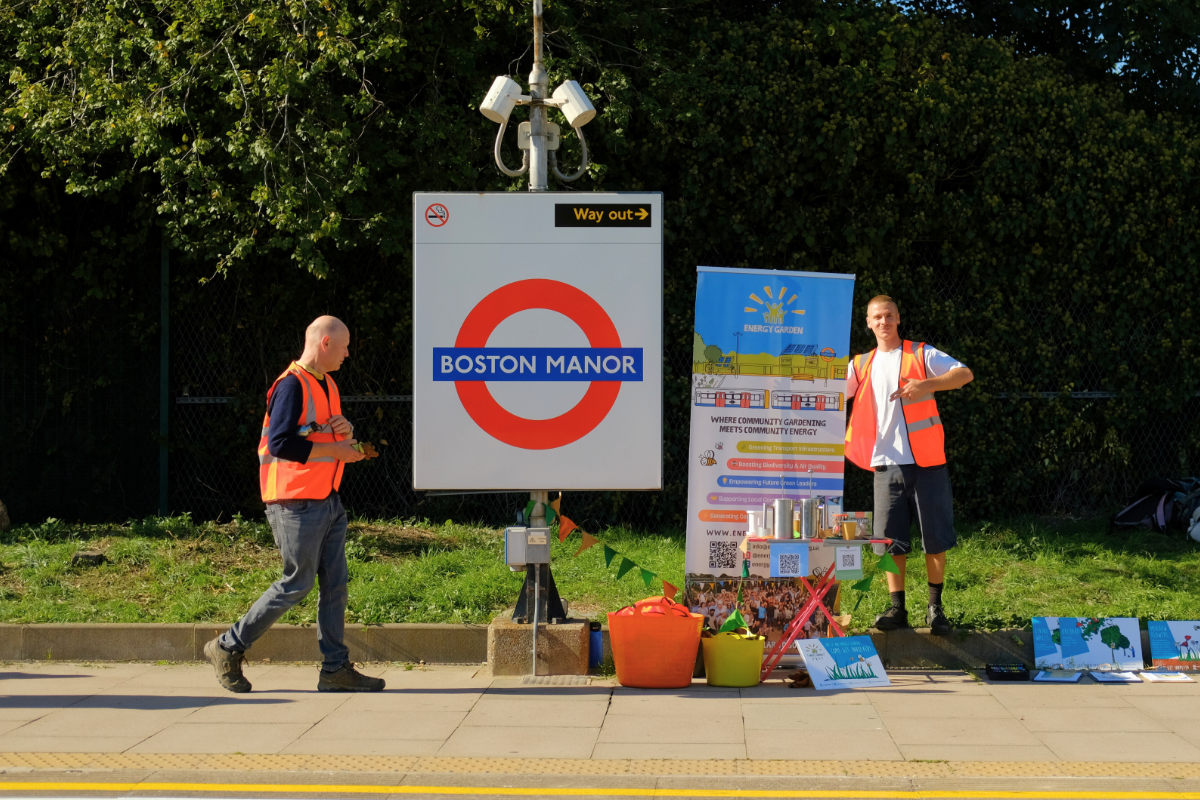
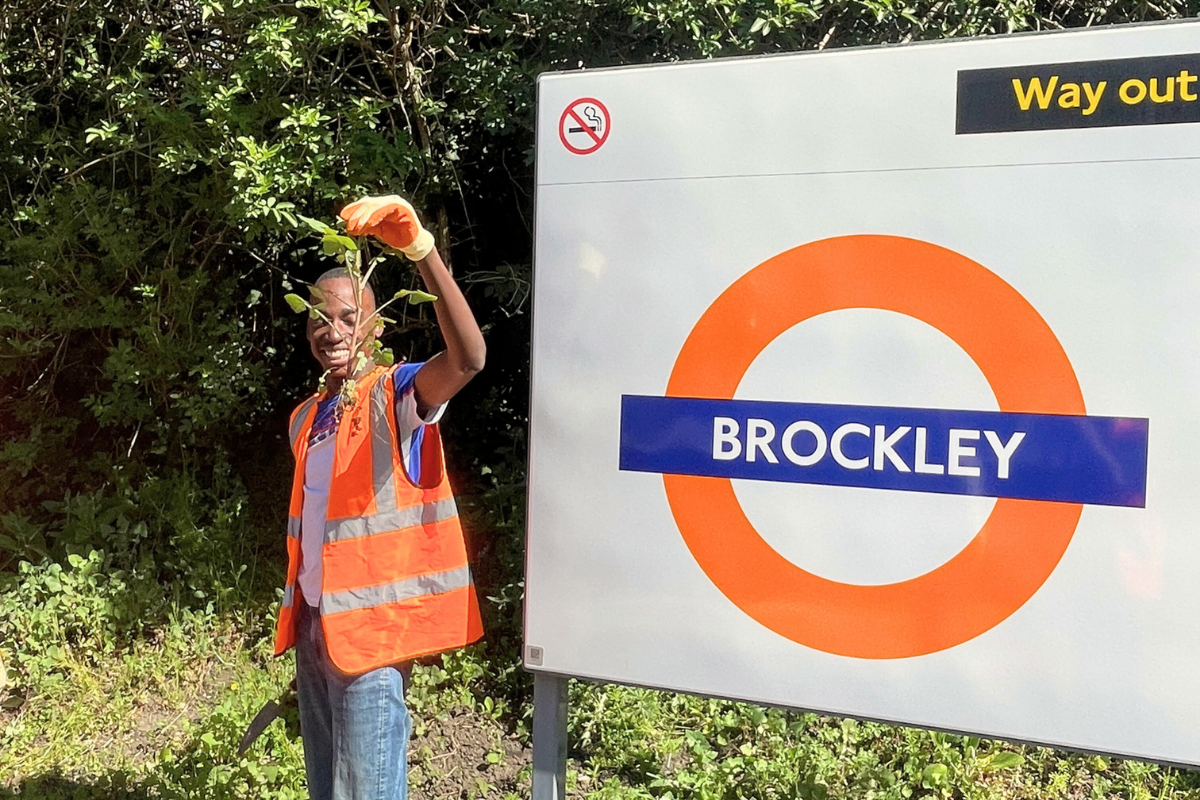
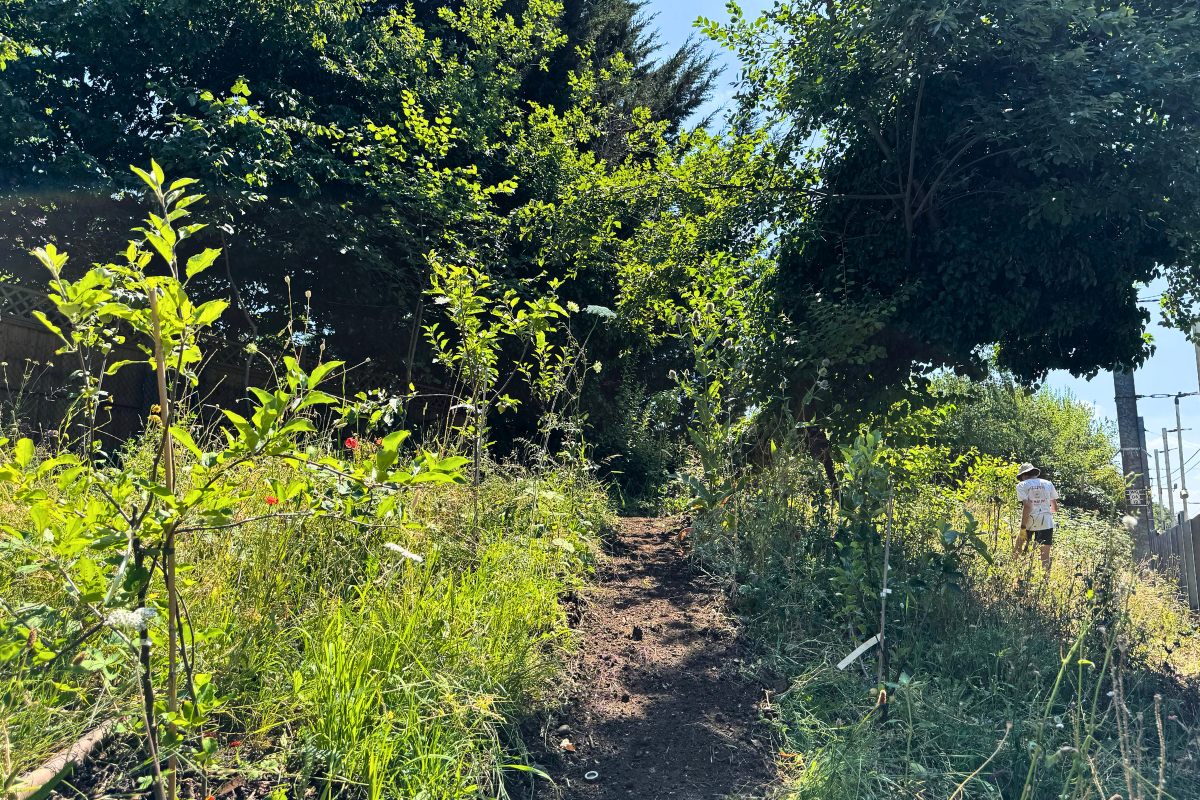
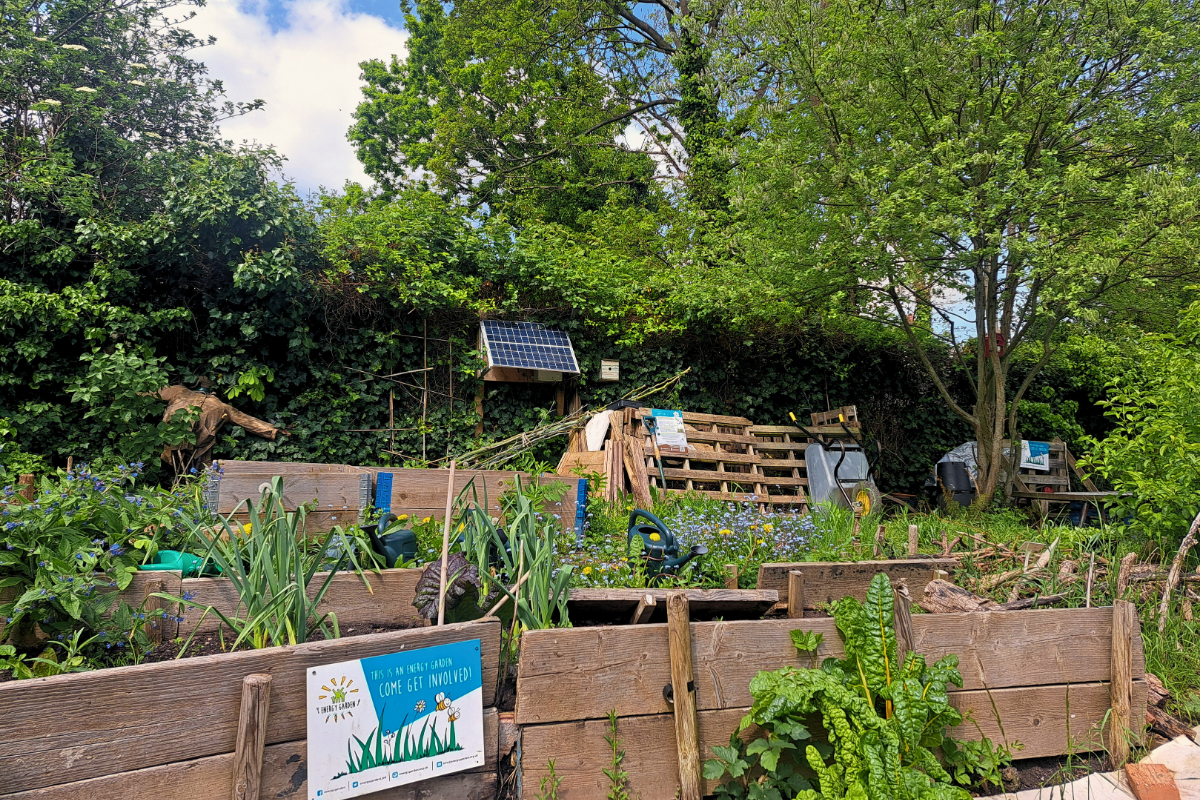

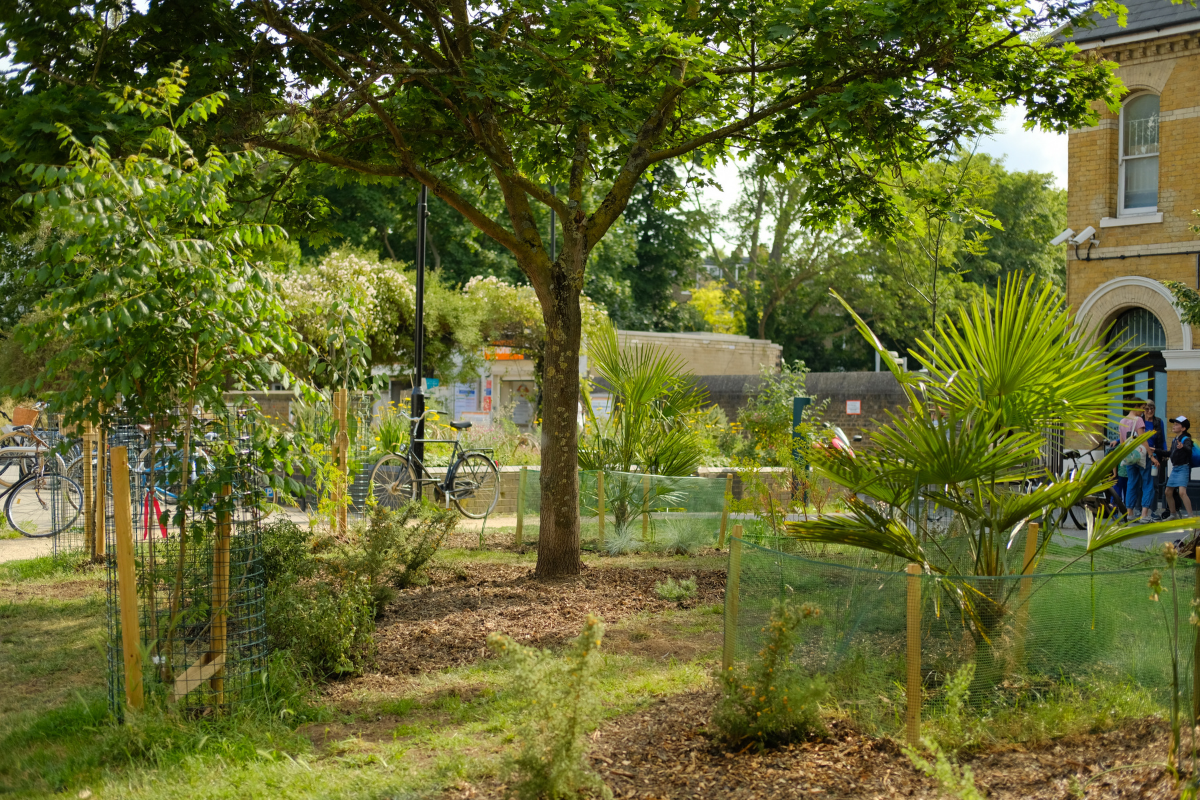
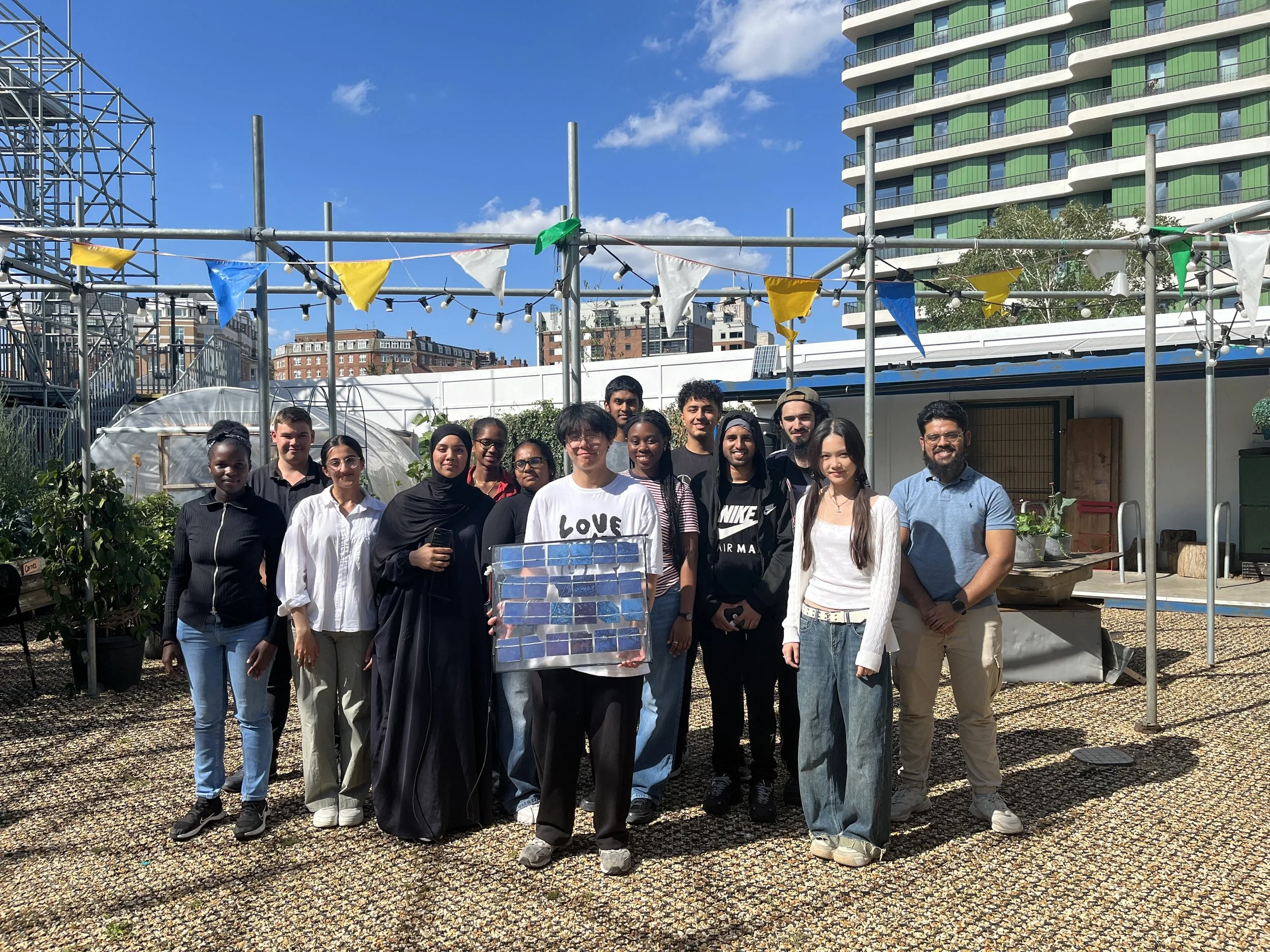
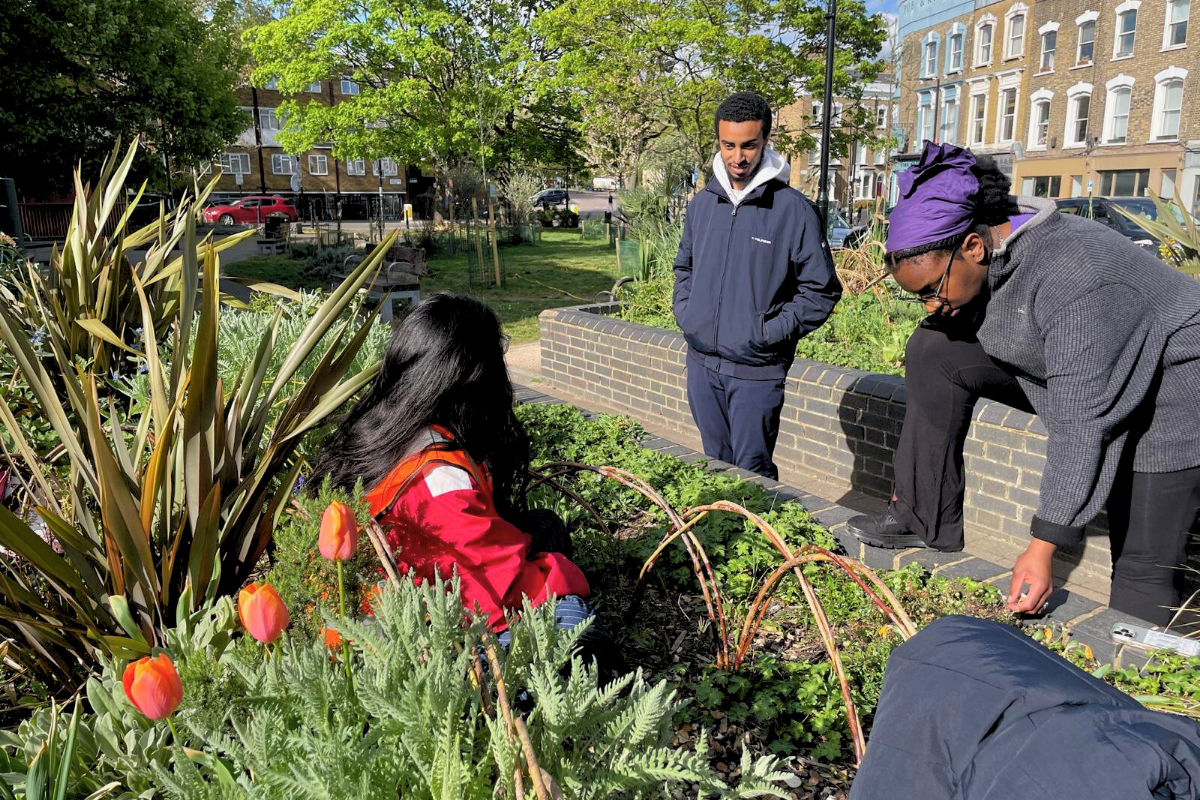
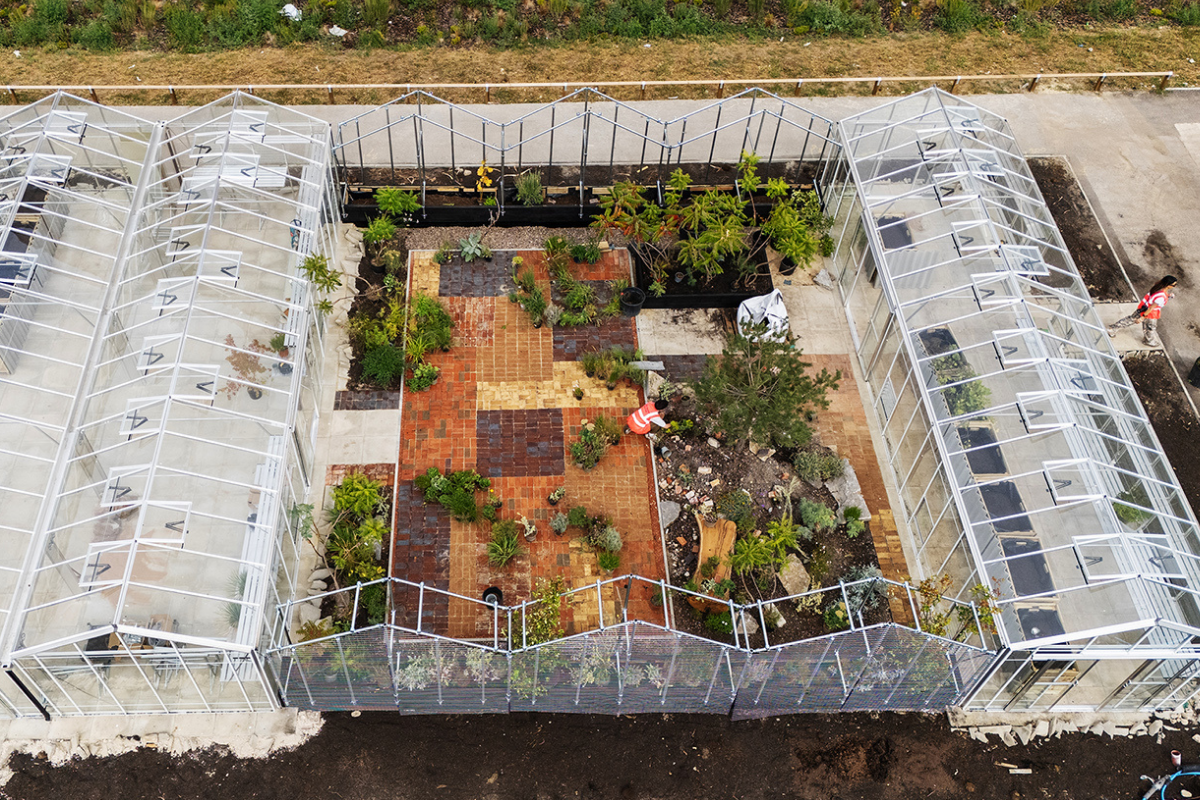
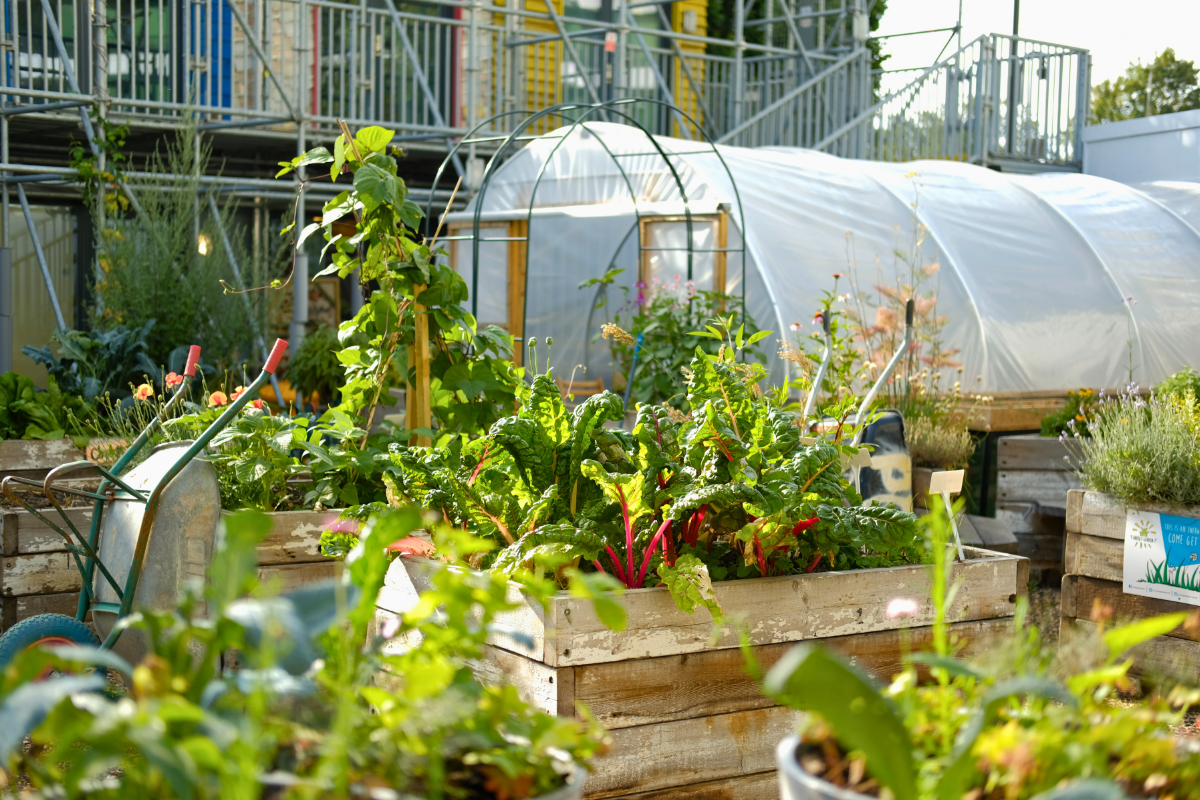
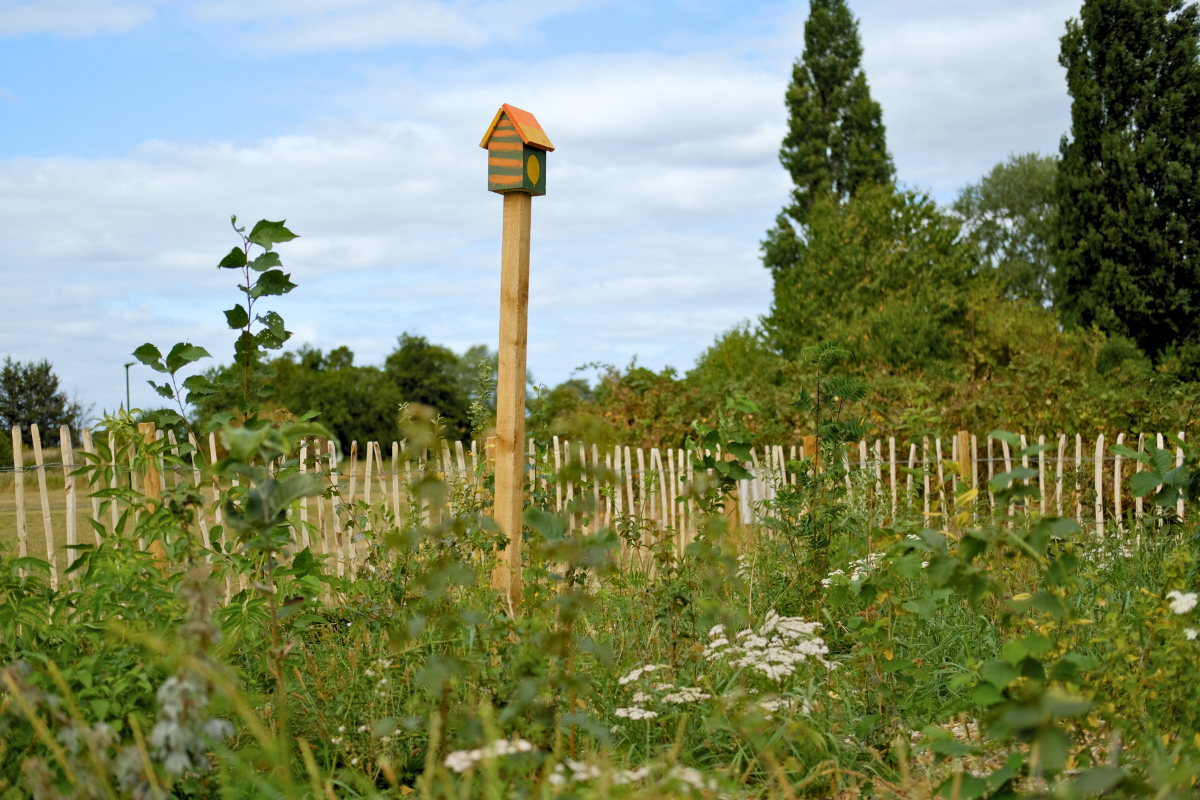
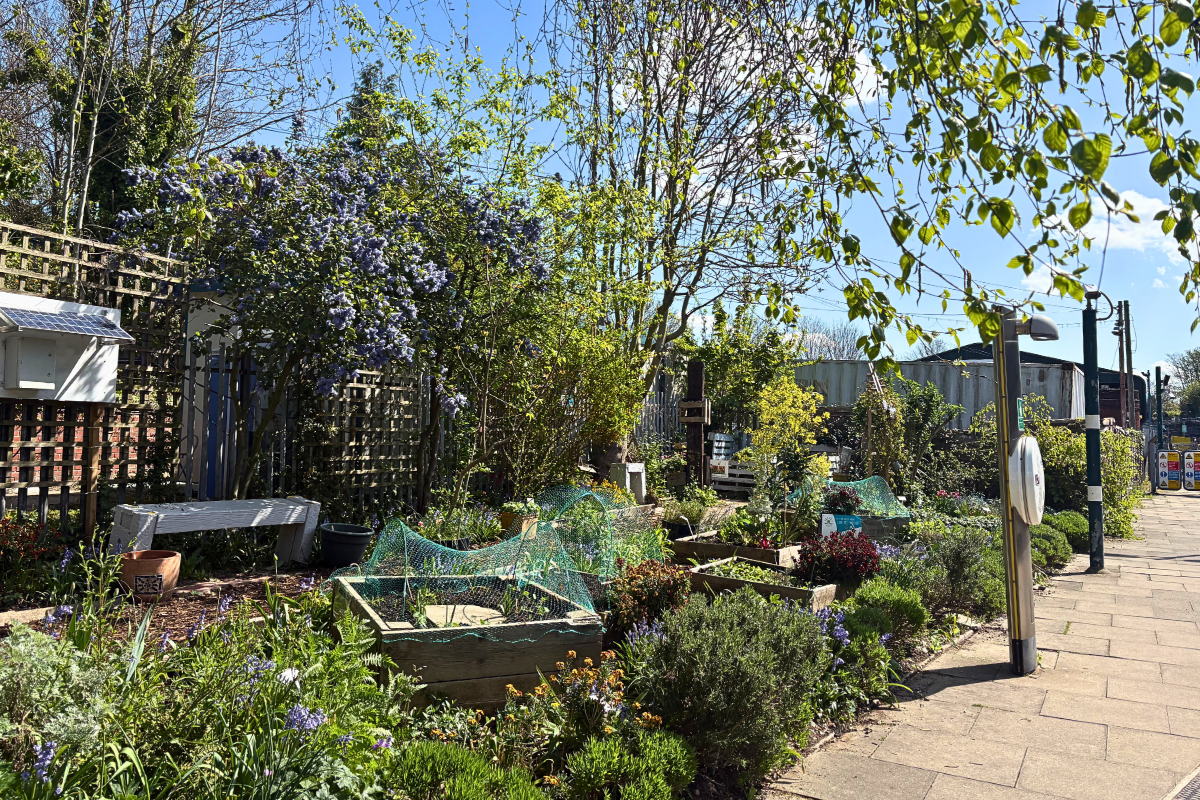
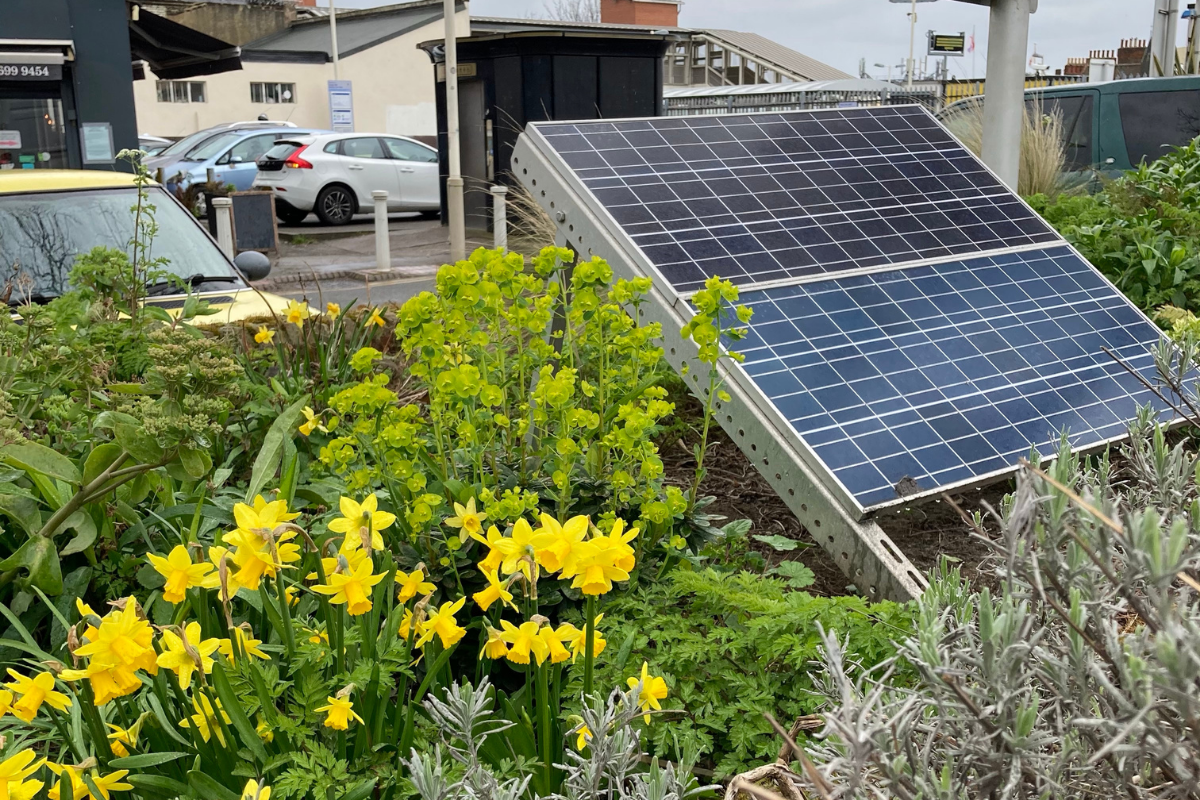
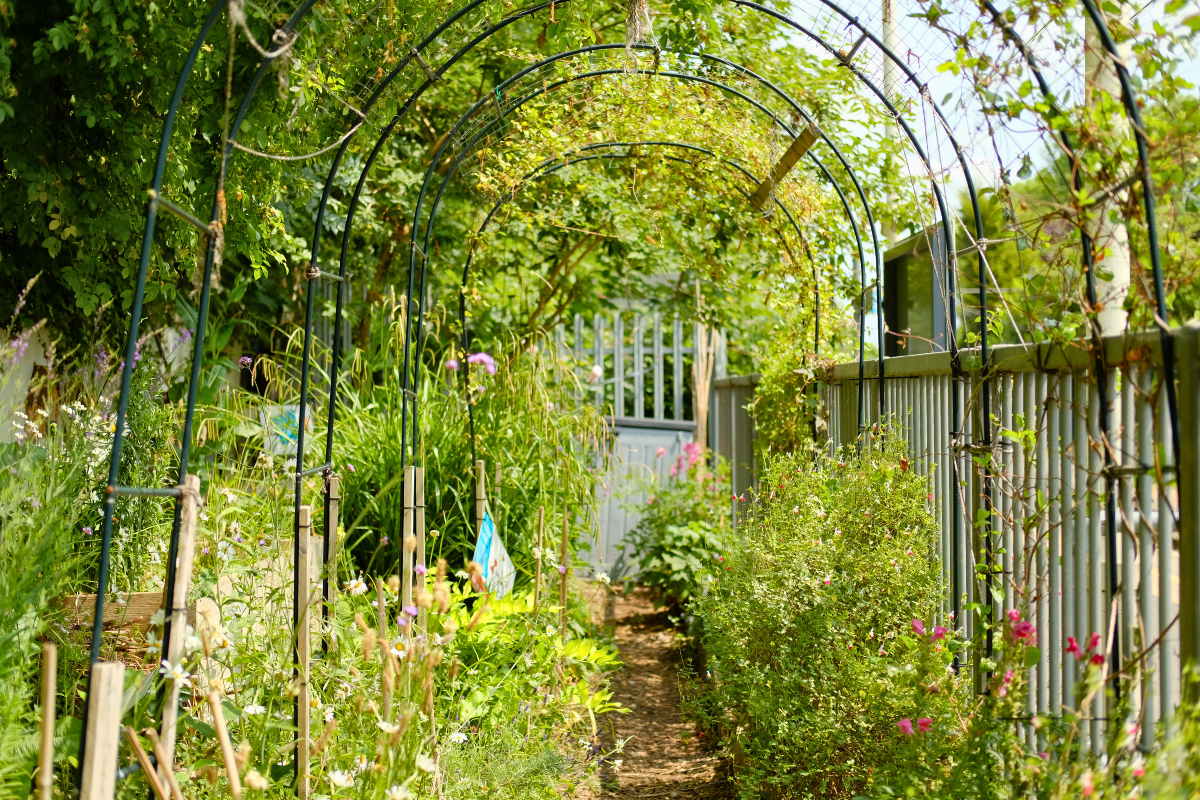
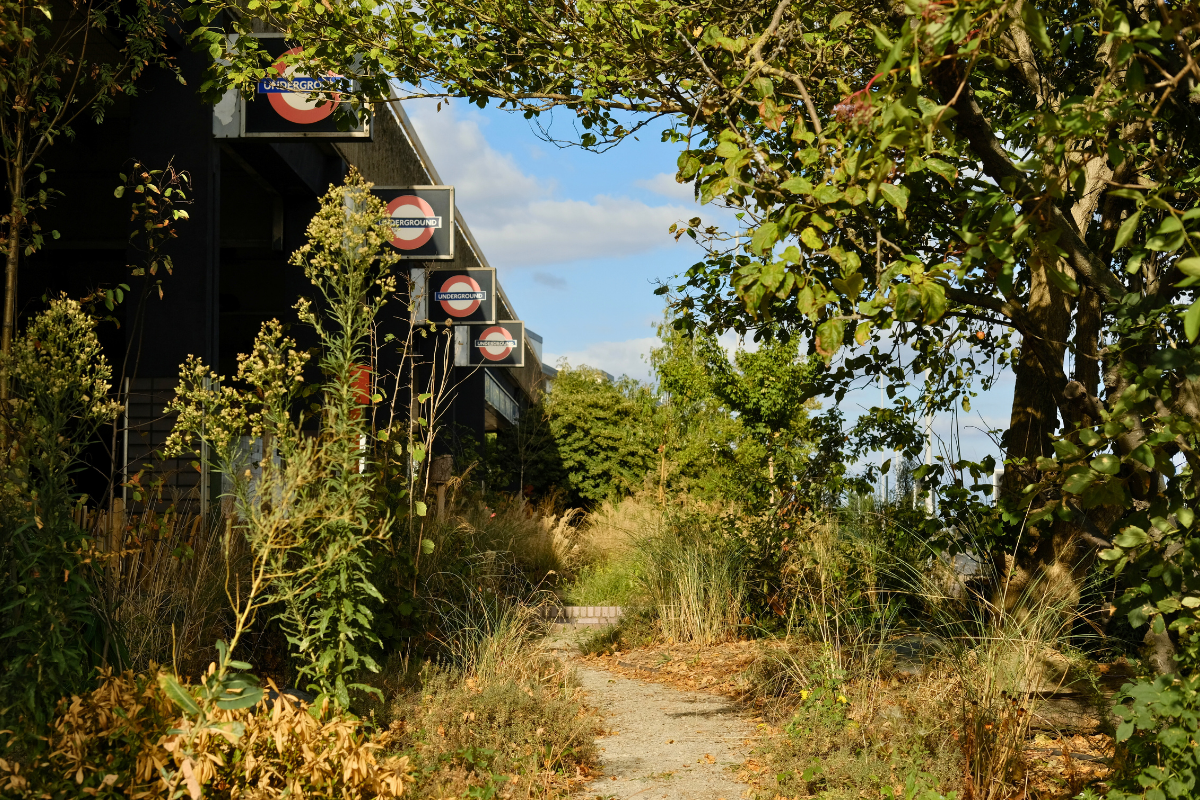
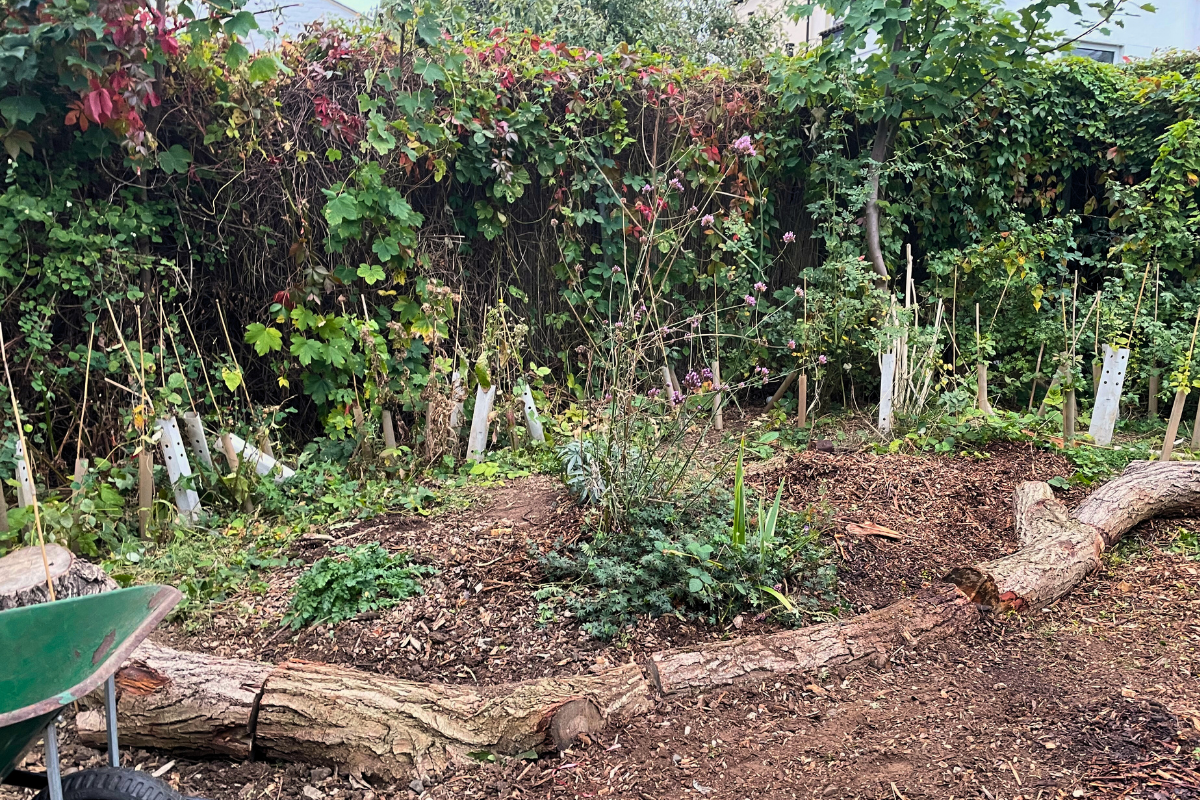
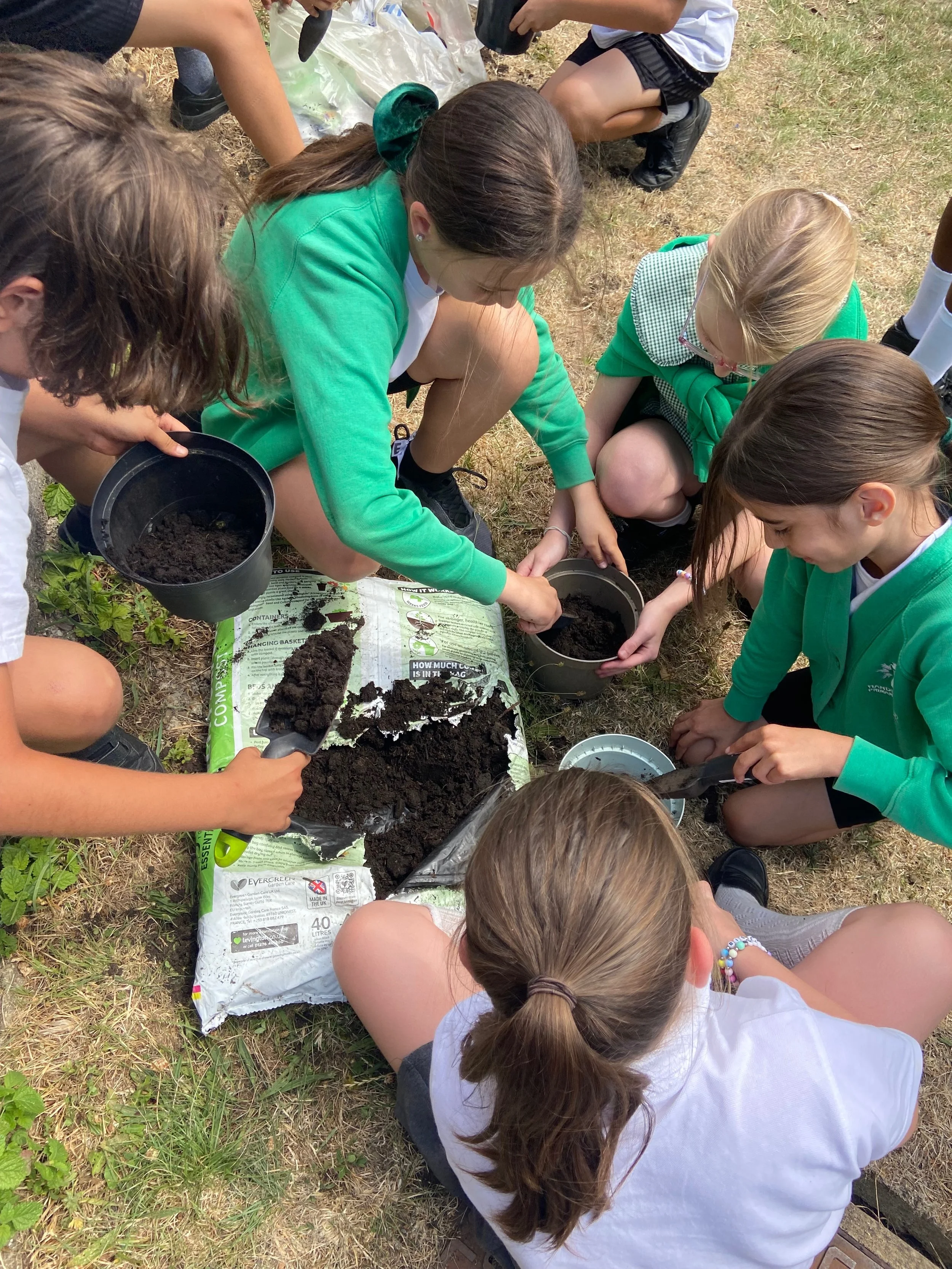
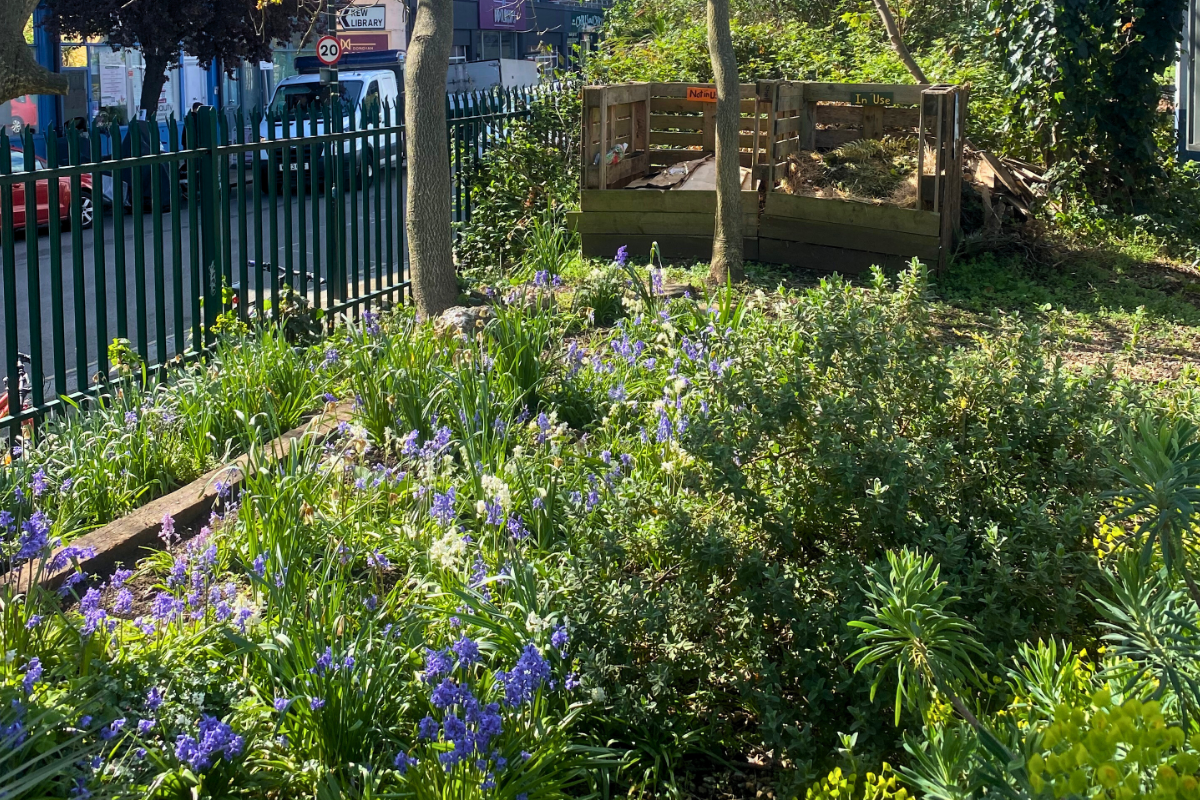
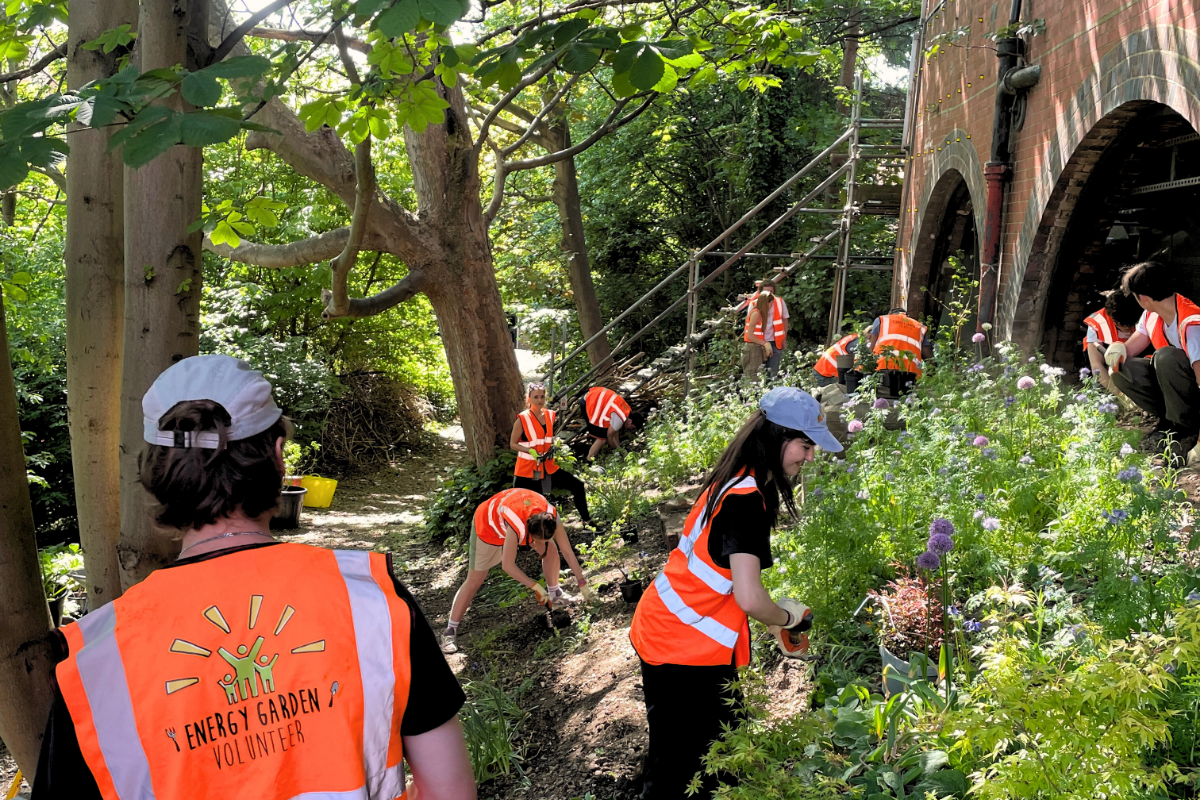
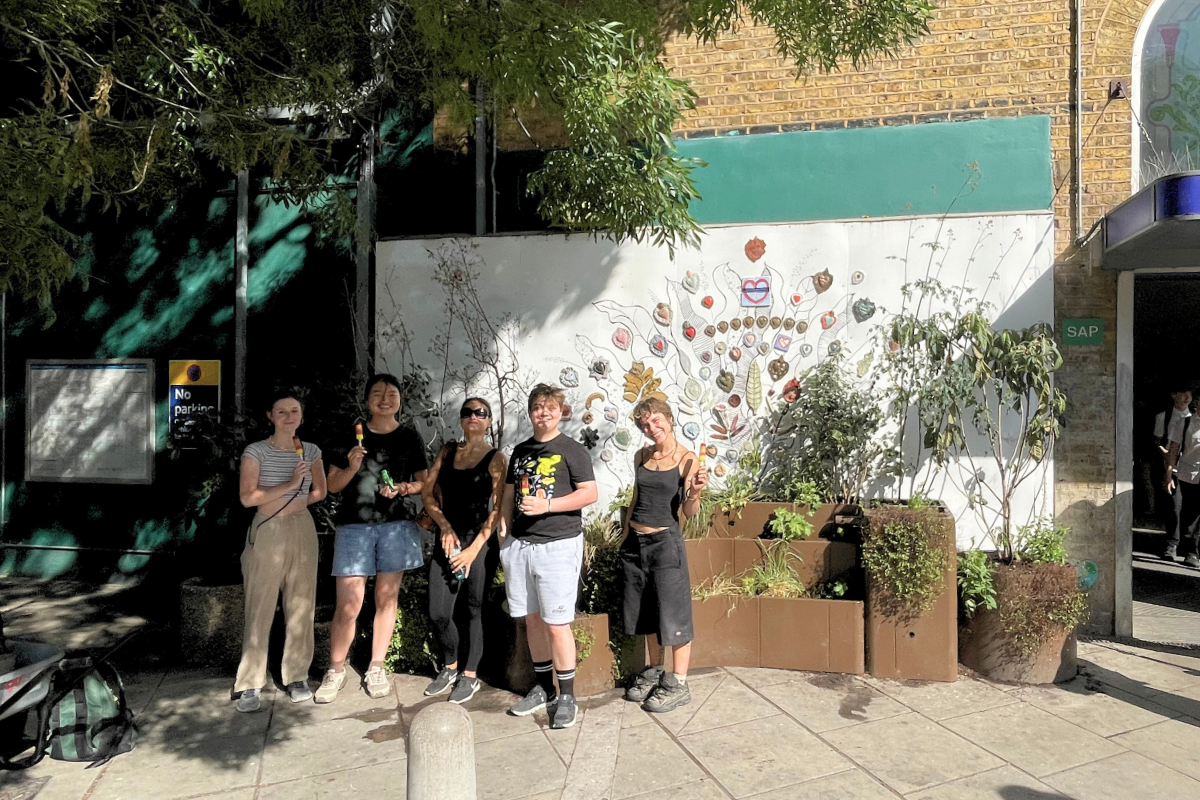
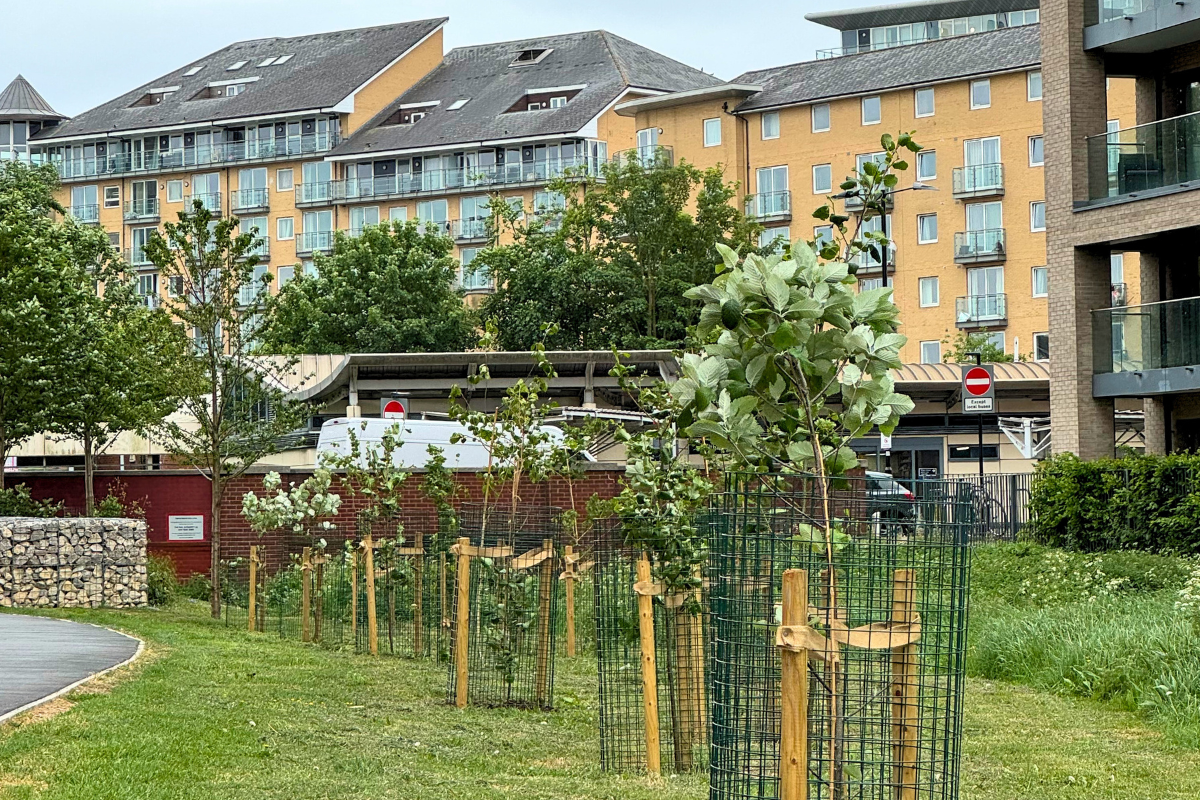
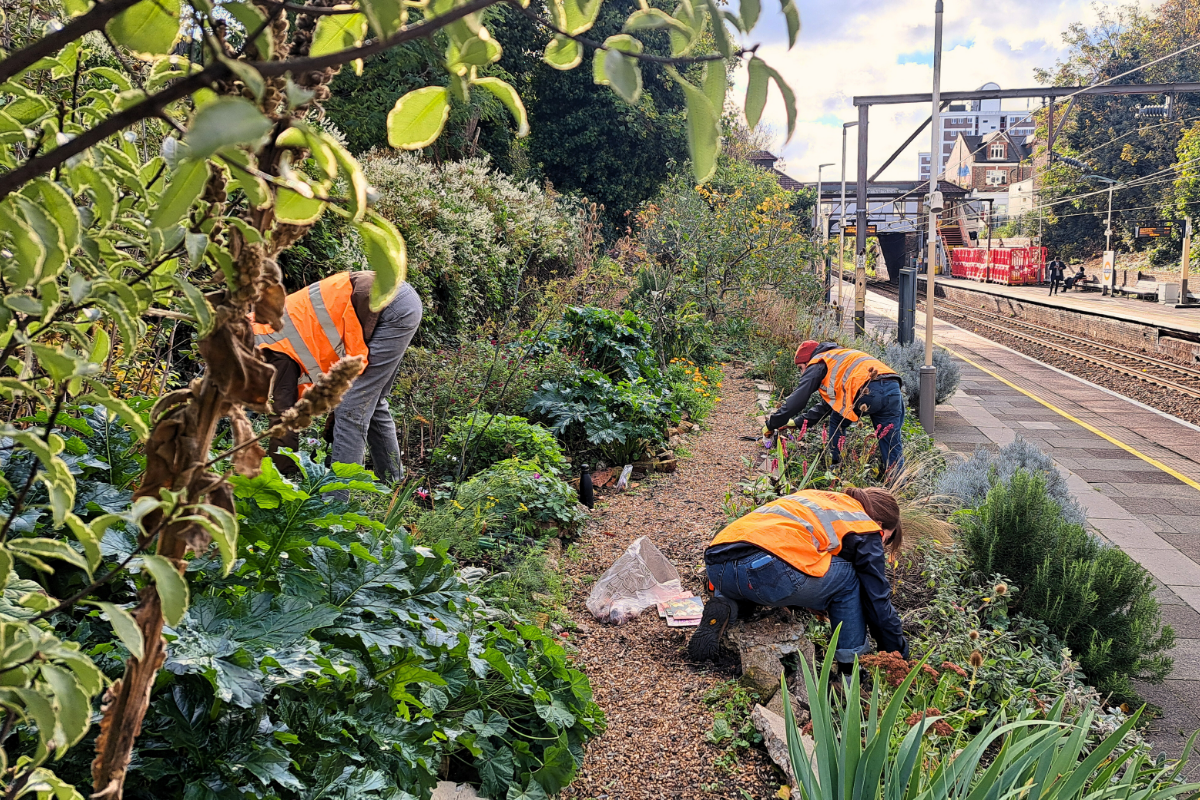
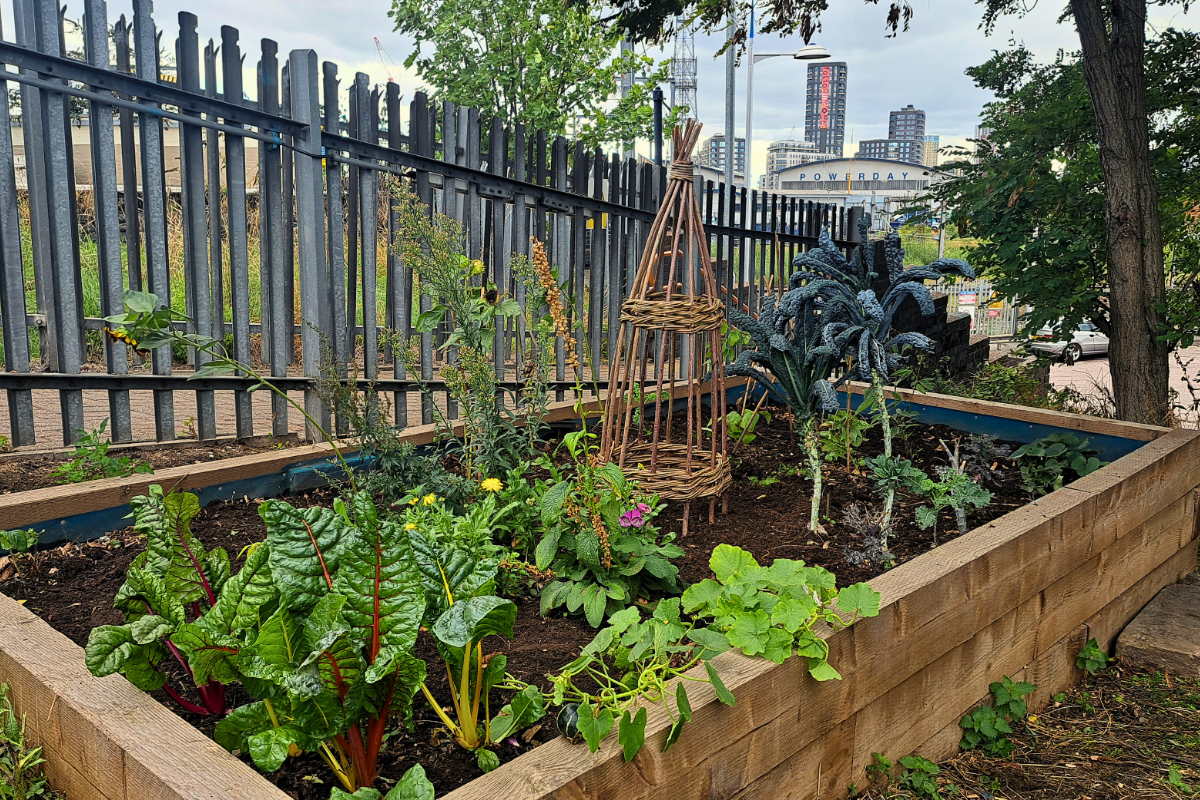
Resilience at city scale means:
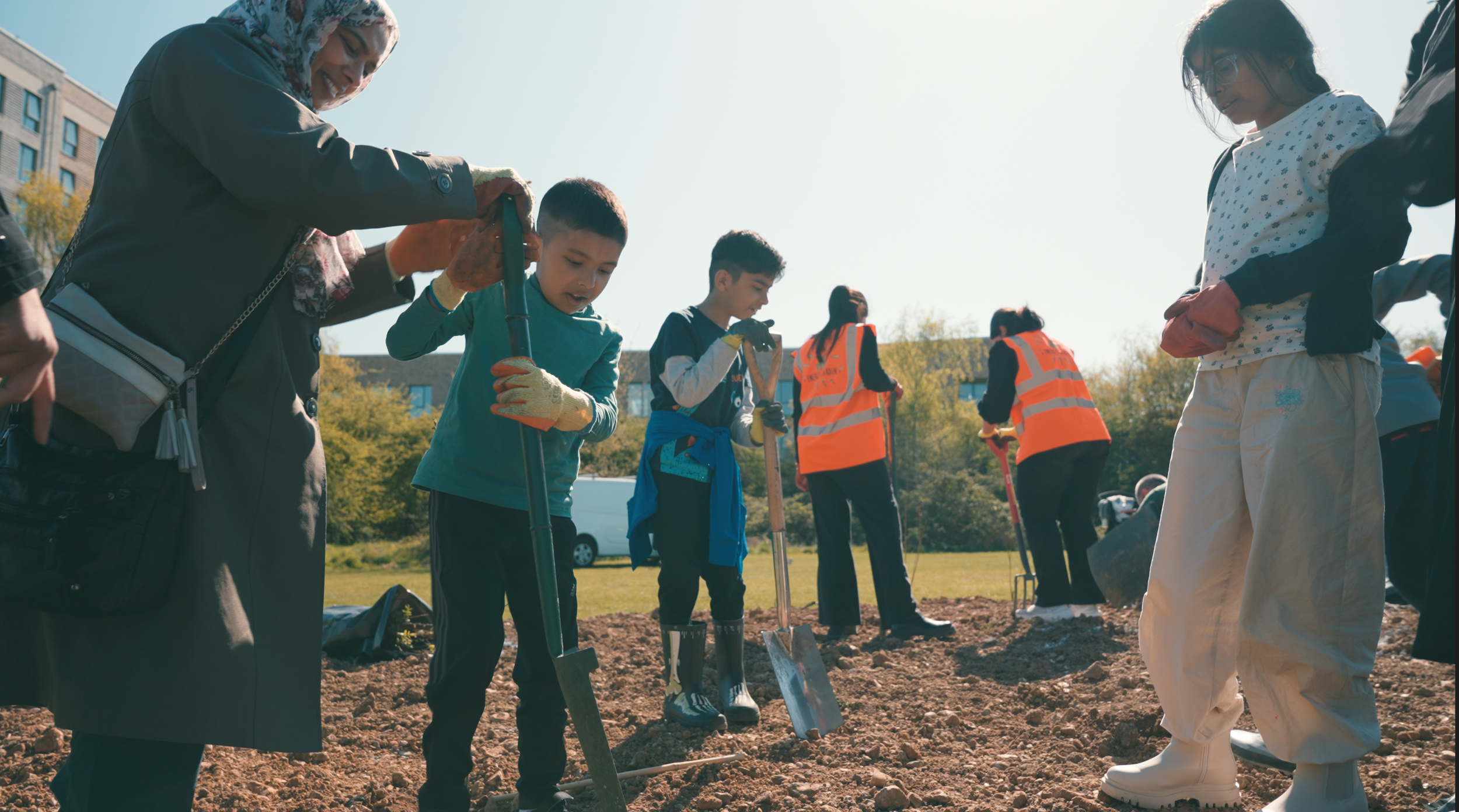
Pulling up paving stones and replacing them with rain gardens, soils, and shade
Creating living corridors where plants, insects, birds, and people can move safely
Designing sustainable drainage systems that slow water, prevent flooding, and cool streets
Turning inert land into active, cared-for commons
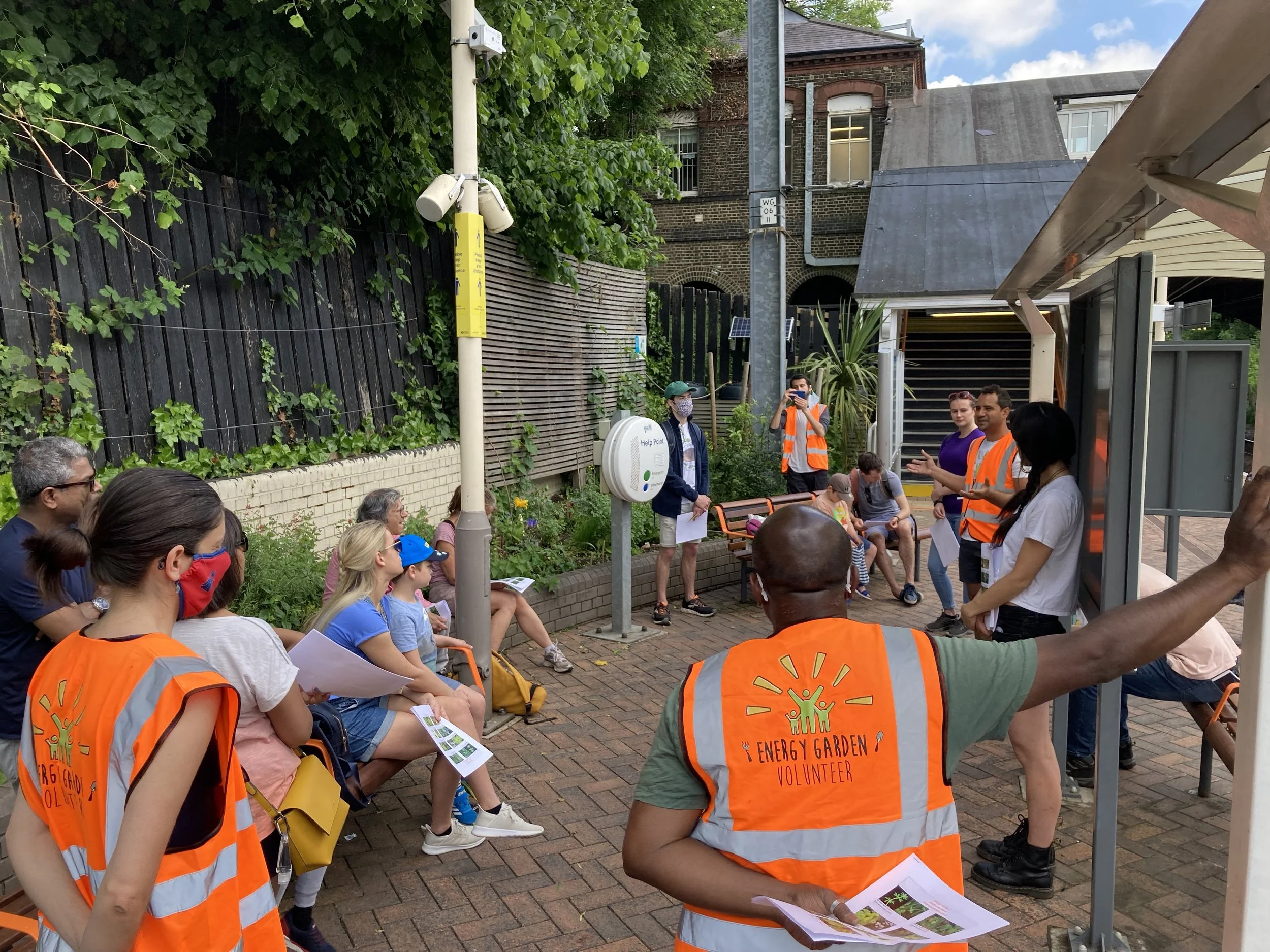
Making green infrastructure accessible, not hidden behind fences or left without engagement
To transform the future, you must imagine it.
But to transform the city, you must also disassemble it.
This is the hard, hopeful work of resilience.
Cracks Are Where the Light Gets In
There is a line from Lenard Cohens Anthem that has stayed with me for years:
“There is a crack, a crack in everything.
That’s how the light gets in.”
Cities crack. Systems fail. People burn out.
After COVID, those cracks became visible everywhere: streets built for cars instead of children, communities locked out of decisions, nature pushed to the margins.
But cracks are not only signs of failure.
They are openings.
Light through concrete.
Roots through asphalt.
New ideas through old assumptions.
Energy Garden works in those cracks: where the system is breaking just enough to let something better grow.
From Vision to Reality
For many years, Energy Garden was treated as an idea ahead of its time.
Now, councils, funders, developers, and communities are asking for exactly what we have been building all along:
Urban resilience, not isolated projects
Grey-to-green transformation, not decorative planting
Energy, biodiversity, education, and social justice woven together
Infrastructure that is owned, understood, and used by people
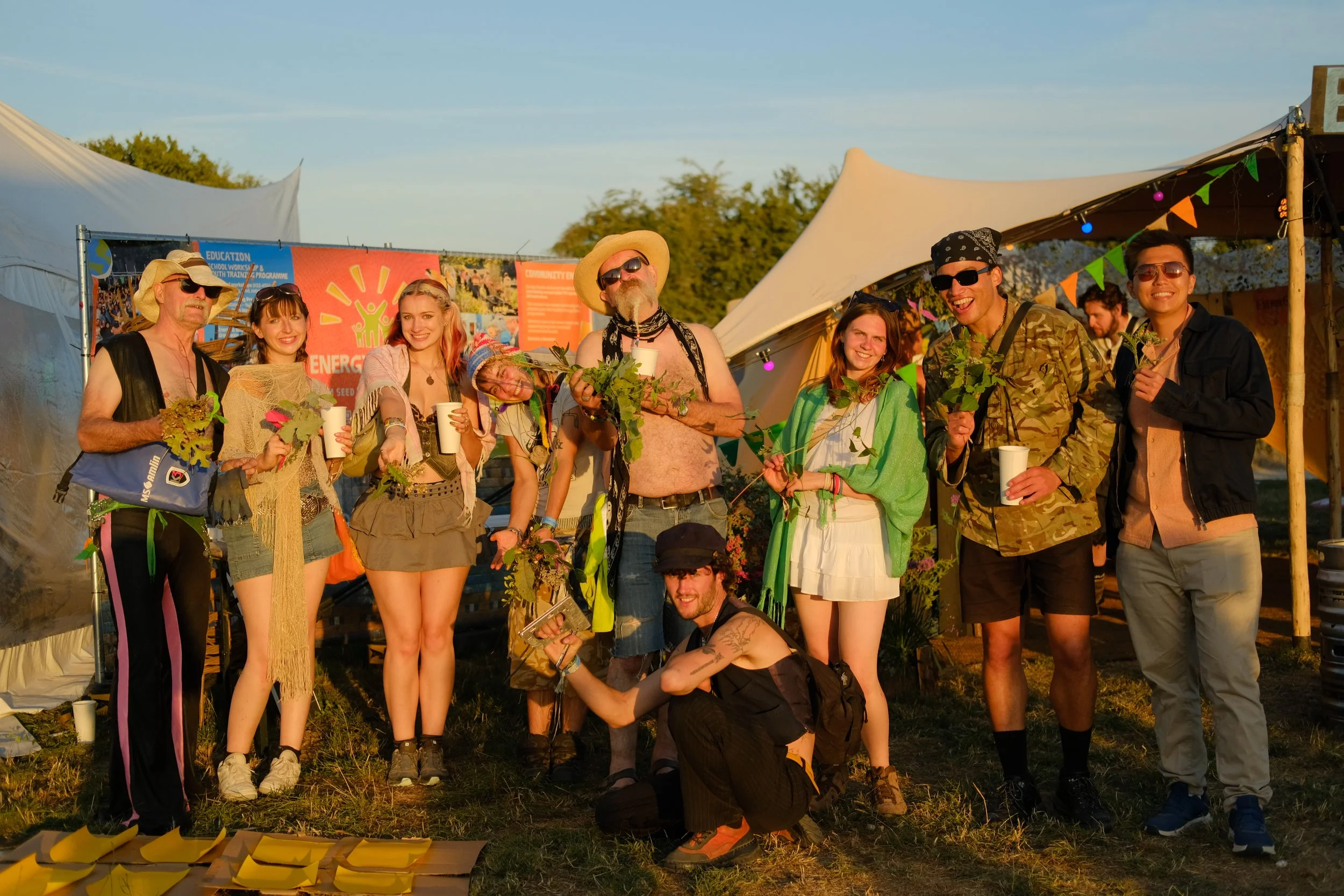
We have been doing this work for over a decade, often quietly, often without the language the sector uses today. Now the language has caught up with the reality.
A Movement, Not Just a Programme
This blog marks the beginning of a new chapter in how we tell our story.
Over the coming months, we will share:
Stories on air quality, and how communities reclaim the right to breathe clean air
Stories on trees, biodiversity, and soil, beyond token planting
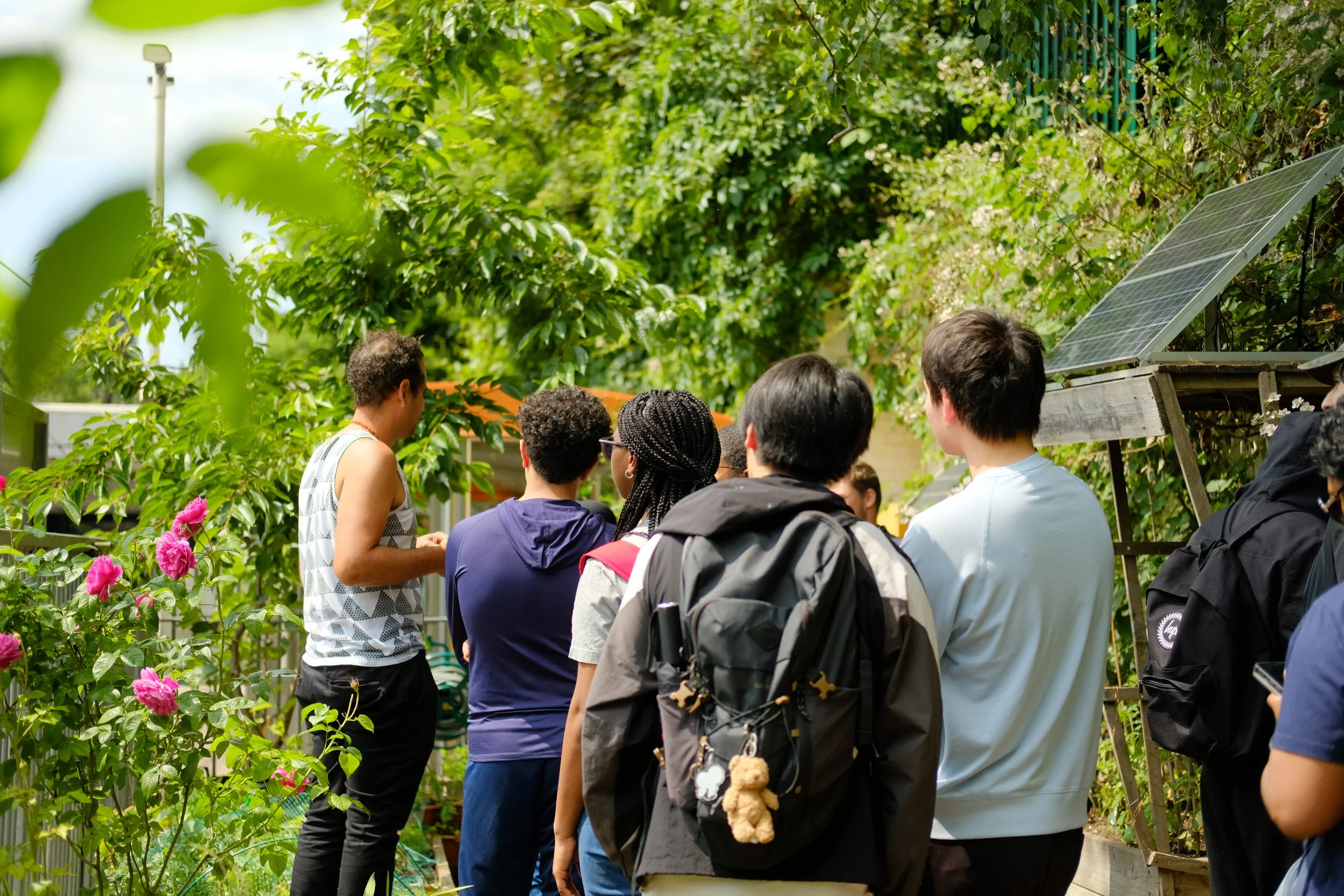
Stories on education and youth training, opening pathways into a sector that still excludes too many
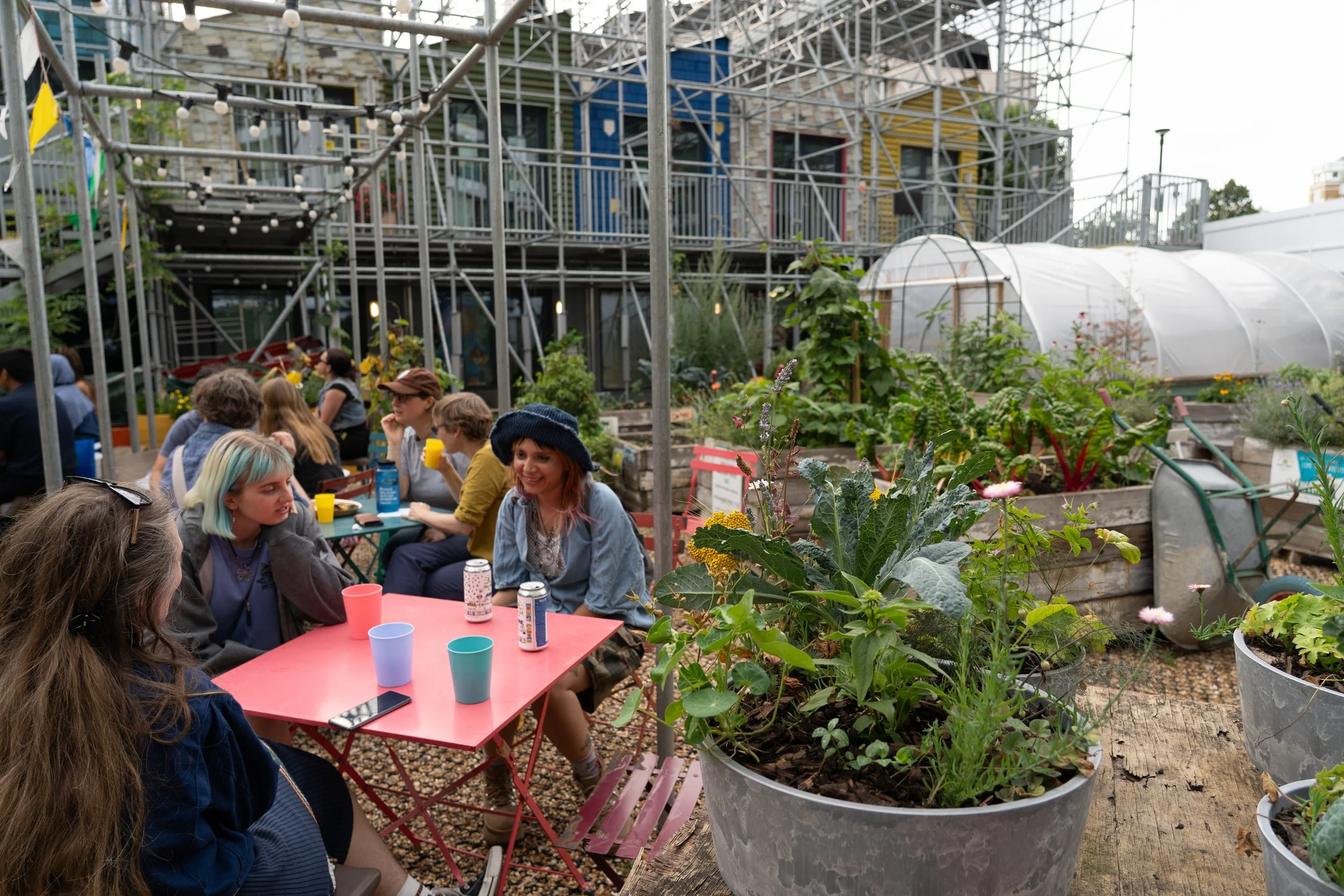
Stories on sustainability hubs, where energy, culture, and community meet
Stories from the Thames, where floating energy gardens hint at new relationships between water, power, and housing
This is not a list of projects.
It is a single narrative: resilience as collective action.

An Invitation
We are living through a time of political, economic, and environmental uncertainty. Old certainties are cracking. Power is being questioned. Communities are organising again from the ground up.
Energy Garden exists for this moment.
If you believe cities should be alive, inclusive, and regenerative—
If you believe resilience is something we build together—
If you believe cracks are where the light gets in—Then this work is yours too.
We are no longer just imagining a different reality.
We are taking the city apart, carefully, so that something better can grow.
Agamemnon Hyacinth Otero
Founder and CEO of Energy Garden